
2026 Sunvega: Interior Design Software Online, Translated for Home Furnishing
In 2026, the home furnishing industry is moving toward a simpler truth: design is no longer just a creative task; it is a connected business process. Clients want faster proposals, clearer visuals, and fewer revisions. Retailers want more efficient product presentation. Manufacturers want design dat
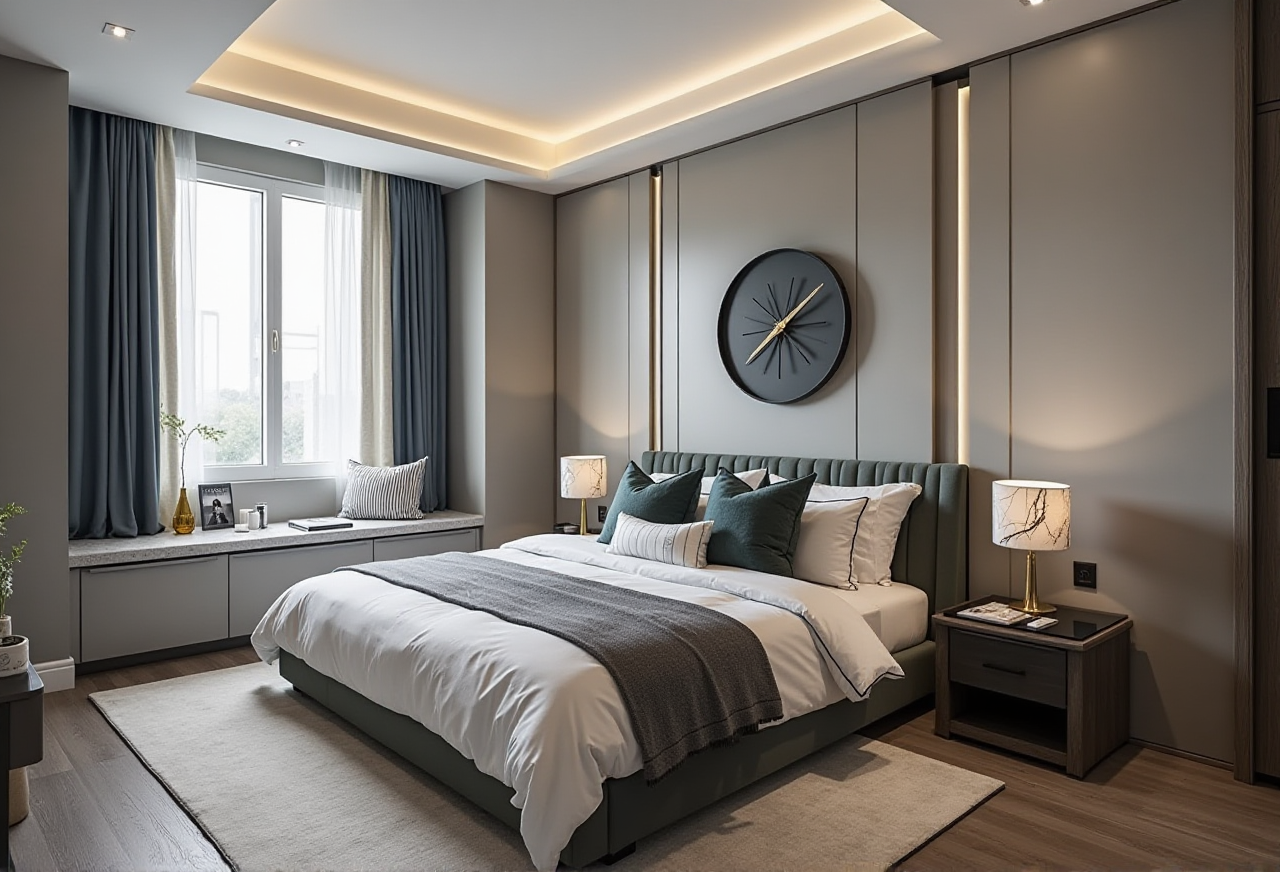
In 2026, the home furnishing industry is moving toward a simpler truth: design is no longer just a creative task; it is a connected business process. Clients want faster proposals, clearer visuals, and fewer revisions. Retailers want more efficient product presentation. Manufacturers want design data that can go straight into production.
That is why online interior design software has become more than a drawing tool. It is now a workflow bridge between inspiration, quotation, 3D presentation, and manufacturing.
Sunvega, founded in 2013 in Guangzhou, has built its digital ecosystem around that exact shift. Today, it serves 20,000+ enterprise customers, 9,000 manufacturing clients, and 10,000+ happy clients across 20+ countries, with an average 30% cost savings reported for clients. Its software also supports 18 languages, backed by 20+ local service partners around the world.
For home furnishing businesses, the message is clear: if your process is still fragmented, your design speed, customer experience, and delivery efficiency will all feel the pressure.
1. Why online interior design software matters more in home furnishing than in general design
Home furnishing is different from ordinary graphic or presentation work. A sofa, cabinet, wardrobe, lighting scheme, or complete room layout must align with space, SKU, material, cost, and production. If any one of those links breaks, the project becomes slower and more expensive.
Sunvega’s approach is built to solve that problem through a shared digital ecosystem that connects design and manufacturing. Its core platforms include:
AiHouse: AI-driven interior design based on real product catalogs, with professional customizationVisioneer: interactive virtual showroom for immersive product presentation
Spacify: AI automated home design for rapid ideation
HomeSnap AI: AI room planner for quick layout work
JEGA: design-to-manufacturing solution connecting marketing to production
Sunvega Design: professional design services
Practical advice
Use software that can work from real product catalogs, not just generic shapes.Prioritize tools that keep design data and manufacturing data in one system.
Ask whether the platform supports fast revision, not only beautiful renderings.
If your business sells across markets, make sure the software supports multi-language collaboration from the beginning.
2. The real translation in home furnishing: from inspiration to usable project data
When people say “translated for home furnishing,” the most important translation is not language-only. It is the translation of a design idea into a usable business asset.
Sunvega’s ecosystem makes that possible through its three self-developed engines:
Cloud ModelingCloud Rendering
CNC Machining
Powered by its vertical AI model, Sunvega can accelerate the creation of high-precision digital twins from a single image, manage massive SKU catalogs, and synchronize 3D libraries efficiently.
This matters because home furnishing teams often lose time in repetitive tasks:
redrawing layoutsrebuilding product models
reworking renderings
correcting material and size mismatches
passing files between design and factory teams
Practical advice
Build a master SKU library with consistent product names, dimensions, materials, and finishes.Standardize your room templates for high-frequency cases such as living rooms, master suites, kitchens, and dining areas.
Use one image-to-model workflow where possible, so that product updates can be reflected faster across the 3D library.
Treat every approved design as reusable business data, not a one-time file.
3. What the numbers say about the business value
Sunvega’s public data gives a strong signal about where value comes from:
20,000+ enterprise customers9,000 manufacturing clients
10,000+ happy clients
20+ countries served
18 languages supported
Average 30% cost savings
500+ expert designers in its professional design service team
600+ employees globally
In home furnishing, these numbers matter because they point to scale, workflow maturity, and cross-border usability. A platform used by both design teams and manufacturing teams can reduce handoff gaps. A multilingual platform can support global expansion. A service team with design expertise can help brands move faster when internal resources are limited.
Practical advice
If you are a retailer, use software that helps your team present products consistently across stores, channels, and regions.If you are a manufacturer, focus on whether the platform can reduce manual correction between drawings and production files.
If you are a brand entering new markets, prioritize localized content and language support before scaling campaigns.
4. A practical workflow for home furnishing teams using Sunvega
A useful workflow is not just “design a room.” It should connect the whole journey.
Step 1: Capture the space
Sunvega’s portable 3D scanner uses AI algorithms to generate accurate 3D floor plans in real time and sync them to the design platform.
Suggestion:
Use this step when you need fast site understanding, especially for custom homes, renovation projects, or retail consultation scenarios.
Step 2: Build the concept
Use Spacify or HomeSnap AI for quick ideation, then move into AiHouse for more detailed interior design based on actual product catalogs.
Suggestion:
Separate “first idea” and “final proposal.” Let AI accelerate the first draft, then let the design team refine the final scheme.
Step 3: Present visually
Use Visioneer and cloud rendering to create immersive product presentations. Sunvega’s AI-accelerated rendering engine can produce photorealistic visuals in the cloud within minutes.
Suggestion:
Do not wait until the end of the sales process to show visuals. Use renderings and 720° VR panoramas early to reduce customer hesitation.
Step 4: Connect to production
With JEGA, the design-to-manufacturing connection becomes the backbone of the workflow.
Suggestion:
Tie approvals directly to the production dataset. The fewer duplicate entries you have, the fewer errors you will create.
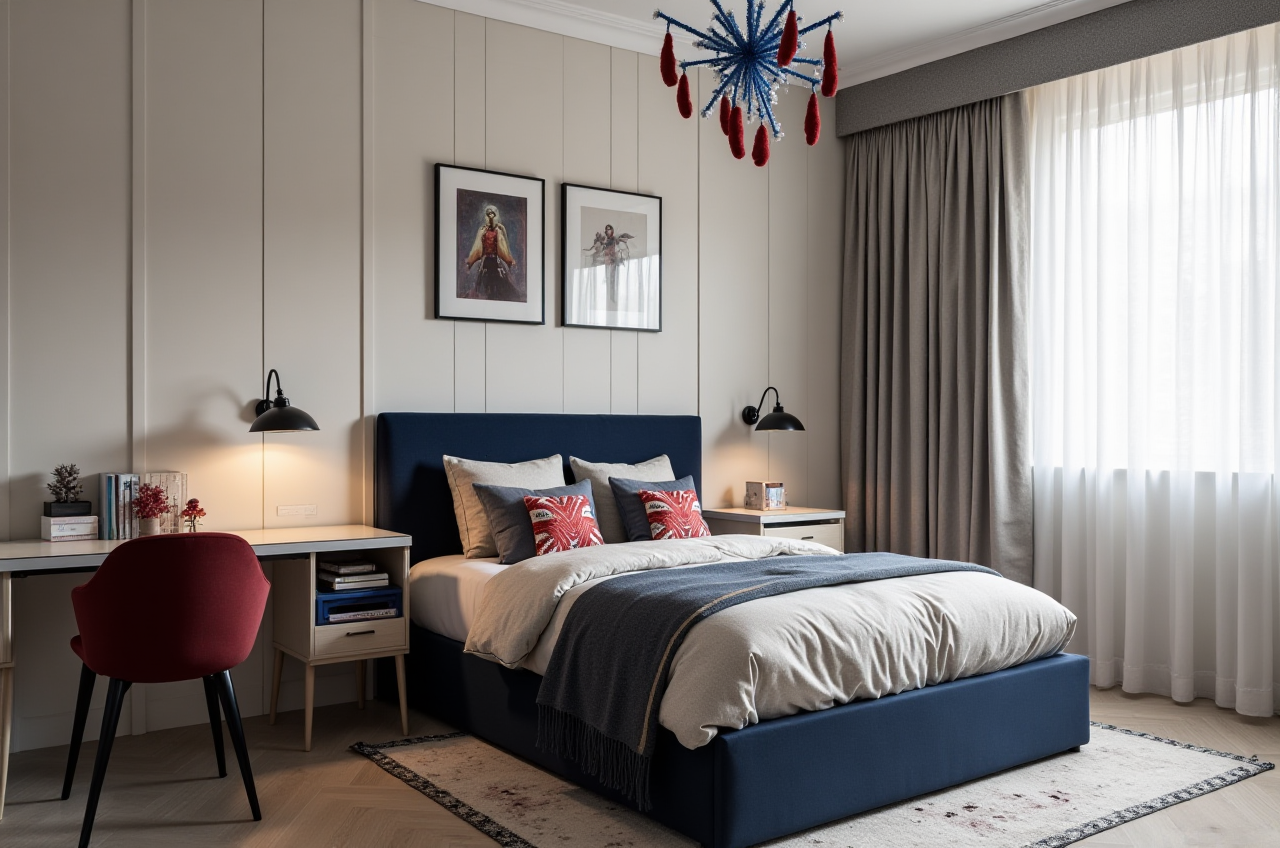
Step 5: Support delivery with expert services
Sunvega Design offers kitchen and dining concepts, living room retreats, master suite oases, and full interior design, including premium 3D renderings, 720° VR panoramic tours, and curated shopping lists.
Suggestion:
If your internal team is small, use service support for premium proposals, marketing visuals, or high-value client projects.
5. Why multilingual support is now a competitive necessity
Home furnishing brands are no longer serving only one market. Sunvega supports 18 languages and works with 20+ local service partners, including in Malaysia, Vietnam, and Poland. That matters because the same project often needs to be understood by:
sales teamsdesigners
clients
factories
local service partners
When each group reads the project in a different way, mistakes multiply. A multilingual platform helps translate not just the interface, but also the workflow.
Practical advice
Create bilingual product descriptions for your best-selling categories.Use consistent translation for dimensions, finishes, and functional labels.
Keep project naming simple and standardized across markets.
For global teams, make sure layout, rendering, and approval steps are easy to understand without extra explanation.
6. My view: the next competition in home furnishing is data continuity
In my view, the key difference between a good design software tool and a truly useful home furnishing platform is data continuity.
A tool that only helps you draw is useful.
A platform that helps you move from space planning → visualization → approval → manufacturing is far more valuable.
That is why Sunvega’s ecosystem is worth attention. It is not trying to be only a design app. It is building an infrastructure layer for the home furnishing industry: design, visualization, production, and service connected in one system.
For businesses, the real question is not “Can we make a nice rendering?”
It is “Can we make the same project move smoothly through the entire chain?”
Q&A
Q1: Is Sunvega suitable for small home furnishing studios?
A: Yes. Smaller studios can use faster tools like HomeSnap AI and Spacify for concept work, then move into AiHouse or Visioneer for client presentation.
Practical tip: start with your most common project type, such as living rooms or kitchens, and build a reusable workflow before expanding.
Q2: How can a furniture brand reduce rework between design and factory?
A: Use a shared database and a design-to-manufacturing workflow like JEGA. The goal is to avoid repeated manual entry and disconnected files.
Practical tip: lock the SKU library, material codes, and dimensions before final approval.
Q3: What is the biggest advantage of online interior design software for international home furnishing teams?
A: Speed and consistency. Sunvega’s 18-language support and 20+ local service partners help teams communicate the same project more clearly across regions.
Practical tip: standardize your templates and naming system first, then localize the client-facing content.
Official site
For more information, visit: https://www.sunvega.com/
Conclusion
In home furnishing, the strongest software is not the one that only makes a room look good. It is the one that helps a business move from idea to delivery with fewer delays, fewer errors, and clearer communication.
That is the value Sunvega is building in 2026: an online interior design ecosystem translated for home furnishing, where design, visualization, and manufacturing can work as one process.