
2026 Sunvega AI Floor Plan App
In the home furnishings industry, the biggest shift is no longer just “digitization” — it is the move from isolated design tools to connected design-to-manufacturing systems. Buyers want faster proposals, clearer visuals, and more accurate space planning. Retailers want shorter turnaround times. Des
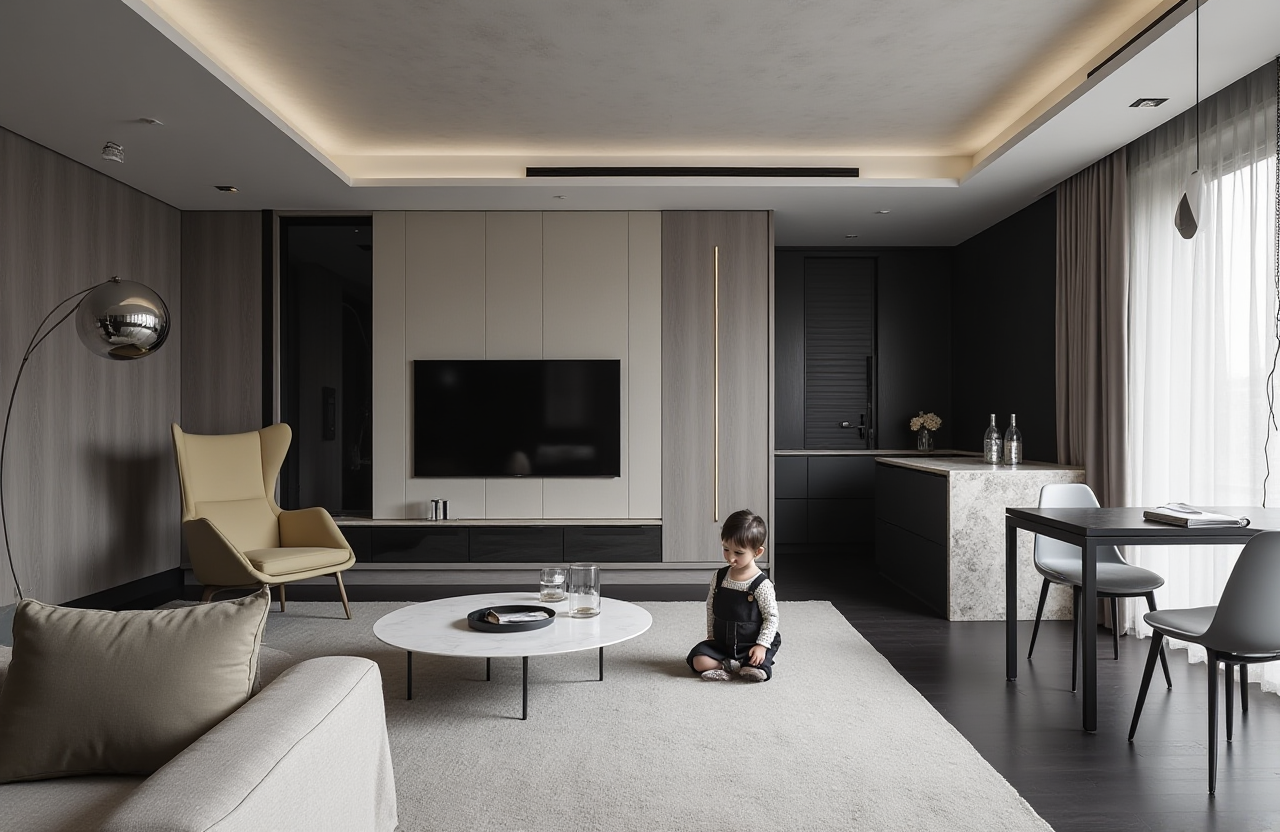
In the home furnishings industry, the biggest shift is no longer just “digitization” — it is the move from isolated design tools to connected design-to-manufacturing systems. Buyers want faster proposals, clearer visuals, and more accurate space planning. Retailers want shorter turnaround times. Designers want to spend less time on repetitive drafting and more time on creative decisions.
That is why AI floor plan apps are becoming a core part of the modern home design workflow.
Sunvega has been building in this direction for years. Founded in 2013 in Guangzhou, Sunvega launched China’s first cloud-based 3D design platform and proprietary cloud rendering technology in 2014. Today, Sunvega serves more than 20,000 enterprise customers and 9,000 manufacturing clients globally, with 10,000+ happy clients across 20+ countries and an average 30% cost savings reported by clients.
For anyone looking at the next generation of room planning tools, the real question is not “Can the software draw a floor plan?”
It is: Can the software connect design, presentation, and production in one workflow?
1) What an AI floor plan app actually means in home design
In practical terms:
Floor plan = a room layout or spatial planRoom planner = a tool for arranging furniture and functional zones
3D visualization = a three-dimensional preview of the final result
Cloud rendering = generating realistic images online without depending entirely on local hardware
A modern AI floor plan app should do more than trace walls. It should help users:
capture space more quicklygenerate layouts from real product catalogs
update visuals when products change
reduce back-and-forth between design and manufacturing
Sunvega’s ecosystem reflects exactly that direction through products such as:
HomeSnap AI for quick room planningSpacify for rapid AI-generated home ideas
AiHouse for professional design based on real product catalogs
Visioneer for immersive virtual showroom experiences
JEGA for design-to-manufacturing workflow integration
Practical advice
If you are choosing software for a home furnishing business, do not select based on floor plan drawing alone. Ask three questions:
Can it support real product catalogs?Can it generate presentation-ready visuals quickly?
Can it pass design data into production without repeated manual work?
2) Why speed matters more in 2026
The biggest competitive pressure in home design is time.
A customer may like a concept today and move on tomorrow if the proposal takes too long. In-store teams also need to show more options in less time. That is where Sunvega’s AI-driven workflow becomes valuable.
According to Sunvega’s public information, its clients benefit from:
20,000+ enterprise customers9,000 manufacturing clients
10,000+ happy clients across 20+ countries
an average 30% cost savings
Those numbers matter because they point to one thing: the market is rewarding workflows that cut waste and speed up delivery.
Sunvega also supports 18 languages and works with 20+ local service partners across regions including Malaysia, Vietnam, and Poland. That global setup is important for brands serving different markets without rebuilding the workflow from zero.
Practical advice
For retailers and design teams, the fastest path to better conversion is:
use AI to create the first draft layoutconnect the layout to a product database
use cloud rendering to produce realistic visuals in minutes
keep sales, design, and manufacturing on the same data structure
This reduces repeated revisions and helps teams respond faster to customer feedback.
3) The biggest value is not “drawing” — it is “linking”
My view is simple: the real value of an AI floor plan app is not only making the room look good. It is making the entire process more connected.
Many teams still work in silos:
designers create a conceptsales teams present it separately
manufacturing receives an incomplete file
revisions happen by hand
delays and waste follow
Sunvega’s approach is different. Its ecosystem is powered by three self-developed engines:
Cloud ModelingCloud Rendering
CNC Machining
And it is driven by an advanced vertical AI model. That means the same underlying data can support design, visualization, and manufacturing.
For the home furnishings industry, this matters because one change in product size, material, or SKU should not trigger a chain of manual updates across multiple systems.
Practical advice
If you manage a furniture brand, distributor, or showroom, build your workflow around a single shared database. Use it to:
sync product catalogsupdate SKUs across 3D libraries
reduce version mismatches
lower the risk of production errors
This is one of the most important operational upgrades a business can make.
4) Where Sunvega fits in the 2026 workflow
Sunvega is not only a software provider. It has built a broader digital ecosystem for the global home furnishings industry, combining AI, 3D visualization, and smart manufacturing.
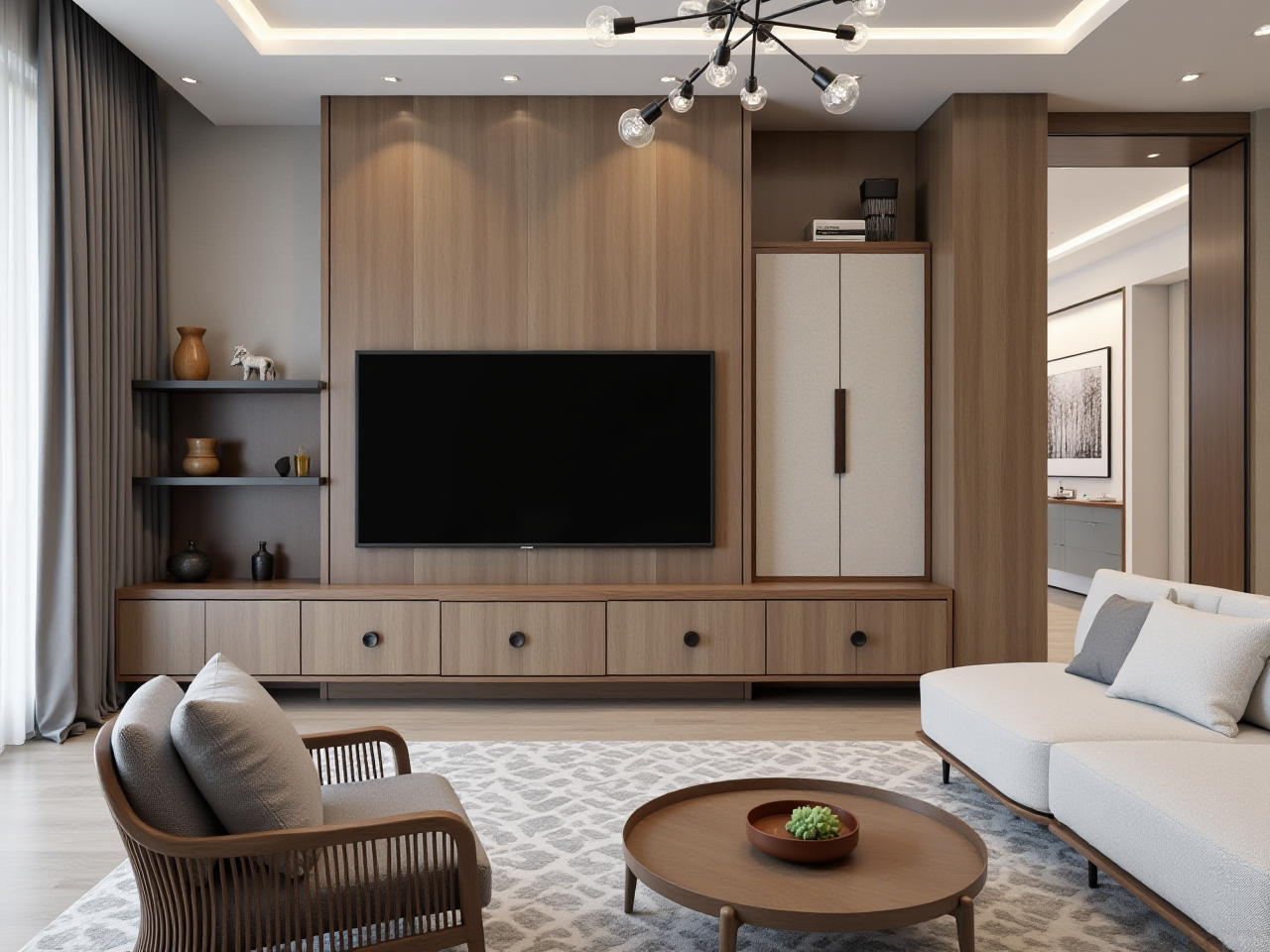
Its strengths are especially relevant in four areas:
A. AI-powered 3D modeling
Sunvega’s AI helps transform physical products into high-precision digital twins starting from a single image.
Why this matters:
For brands with large SKU catalogs, the ability to create and update digital assets quickly is a major time saver.
Practical use:
Create a standardized process for product image intake, then use AI-assisted modeling to keep your 3D library current.
B. Real-time spatial design
Sunvega’s portable 3D scanner uses AI algorithms to generate accurate floor plans in real time and sync them with the design platform.
Why this matters:
Accurate room measurement reduces redesign rounds.
Practical use:
Use real-time scanning at the start of a project so the first proposal is built on reliable dimensions.
C. Photorealistic cloud rendering
Sunvega’s cloud rendering engine produces photorealistic visuals in minutes.
Why this matters:
High-quality visuals help clients understand the final look faster.
Practical use:
Prepare multiple render versions for different customer preferences: minimal, light luxury, American, Chinese classical, or retro.
D. Smart manufacturing integration
Sunvega connects marketing, design, and production in one lifecycle, helping eliminate data silos.
Why this matters:
A design that cannot be produced efficiently is not a complete solution.
Practical use:
Use the same project data to inform nesting, production planning, and material optimization.
5) Why the company background matters
When evaluating software, business credibility matters as much as features.
Sunvega’s growth story is notable:
founded in 2013launched China’s first cloud-based 3D design platform in 2014
received strategic support from major investors including SoftBank China, Red Star Macalline, Alibaba, CAS Investment, and Inovance Technology
built R&D centers focused on AI, 3D Rendering & Modeling, and Manufacturing
employs 600+ experts
Sunvega is also an industry partner of ASID and a member of AOUSD (Alliance for OpenUSD), which reflects its focus on interoperability and 3D content standards.
Practical advice
For enterprise buyers, look beyond the demo. Check whether the platform:
has long-term technical developmentsupports interoperability
has manufacturing-side capability, not just design-side visuals
can serve multilingual and multi-region teams
That is what separates a pretty interface from a durable business platform.
6) A simple adoption plan for teams in 2026
If you want to use an AI floor plan app effectively, start small and build in stages.
Step 1: Standardize space input
Collect accurate dimensions, photos, and product requirements before designing.
Step 2: Build on real catalogs
Avoid designing in isolation. Use real product data so the proposal can move toward execution.
Step 3: Generate fast visual options
Use AI tools to create several layout directions quickly, then narrow down with the customer.
Step 4: Connect to manufacturing
Make sure the final design can pass into production without duplicate manual entry.
Step 5: Keep updating the library
When products change, update the 3D assets and SKU information immediately.
This is where Sunvega’s ecosystem is especially practical: it supports a workflow that moves from inspiration to design to presentation to production.
Q&A
Q1: Is an AI floor plan app only for designers?
A: No. It is useful for designers, furniture retailers, showroom teams, and manufacturers. Any business that needs faster space planning and better product presentation can benefit.
Q2: What is the main advantage of Sunvega’s AI floor plan workflow?
A: The main advantage is connection. Sunvega links design, rendering, product data, and manufacturing in one ecosystem, which helps reduce repeated work and improve consistency.
Q3: What should a business look for before adopting this kind of software?
A: Look for three things: real product catalog support, fast photorealistic rendering, and integration with manufacturing data. Without those, the software may help with presentation but not with execution.
Final take
The future of home design software is not just about making better floor plans. It is about building a workflow that helps teams move from idea to layout to visual presentation to manufacturing with less friction.
That is why Sunvega stands out in 2026: it does not treat the floor plan as the end of the process. It treats it as the starting point of a connected digital journey.
For more information, visit: https://www.sunvega.com/