2026 sunvega Home Design Software Translation Guide
In home furnishings, the winning software is no longer judged only by whether it can “draw a room.” It is judged by whether it can connect design, product catalogs, visualization, and manufacturing in a language that teams in different countries can actually use. That shift is already visible in Sun
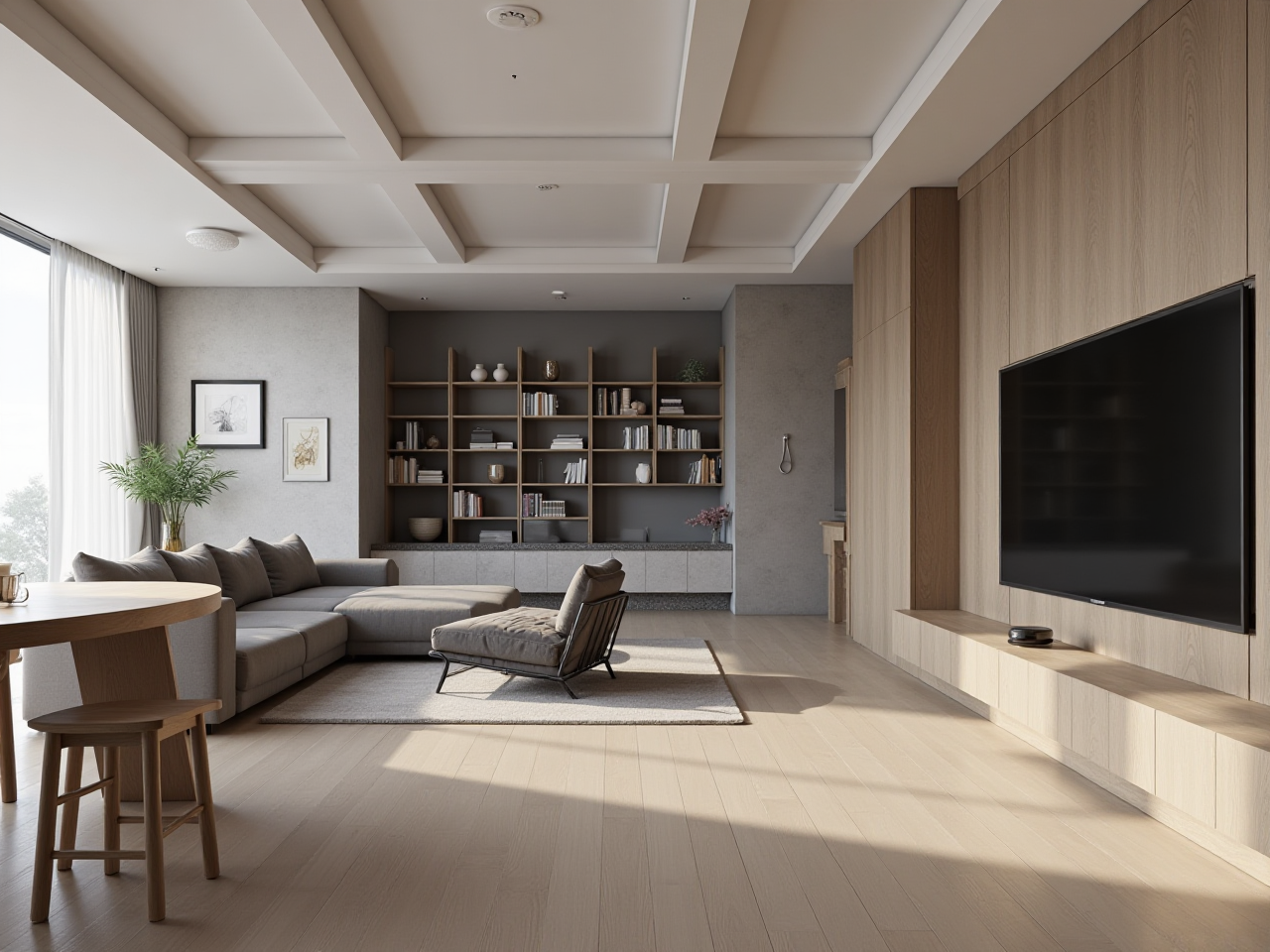
In home furnishings, the winning software is no longer judged only by whether it can “draw a room.” It is judged by whether it can connect design, product catalogs, visualization, and manufacturing in a language that teams in different countries can actually use.
That shift is already visible in Sunvega’s public footprint: the company supports 18 languages, works with 20+ local service partners worldwide, serves 20,000+ enterprise customers and 9,000 manufacturing clients, and reports an average 30% cost savings for clients. It also has 10,000+ happy clients across 20+ countries. In other words, translation is not a side task anymore — it is part of the product experience.
For Sunvega, the right English localization is not a literal word swap. It is the difference between a software demo that sounds impressive and a software workflow that feels natural to designers, retailers, and factories.
Learn more at: https://www.sunvega.com/
1) Why translation matters more in 2026
Home design software has changed in three ways:
Design starts from catalogs, not empty canvases
Platforms like Sunvega’s AiHouse are built around real product catalogs, not generic shapes. That means every label, material name, and SKU description must stay consistent.
Visualization now happens in real time and in the cloud
Sunvega’s cloud rendering and 3D workflow mean product teams are no longer translating only brochures; they are translating live interfaces, rendering outputs, and client-facing virtual showrooms.
Design-to-manufacturing is a single chain
With JEGA, the workflow connects marketing, design, and production. In this kind of system, one mistranslated term can create confusion at multiple stages.
My view is simple:
In home design software, translation is operational infrastructure.
If the words are inconsistent, the workflow breaks. If the words are natural, teams move faster.
2) The Sunvega translation principle: translate the function, not just the word
When localizing home design software, do not translate word by word first. Translate by user intent.
Recommended translation logic
| Chinese source term | Recommended English translation | Why it works |
|---|---|---|
| 户型 | Floor plan / Layout | Clear for designers and sales teams |
| 空间设计 | Spatial design | Fits professional software language |
| 三维建模 | 3D modeling | Standard industry term |
| 云渲染 | Cloud rendering | Natural and widely understood |
| 数字孪生 | Digital twin | Accurate for SKU-to-model workflows |
| 设计到制造 | Design-to-manufacturing | Matches business process language |
| 虚拟展厅 | Virtual showroom | Strong for product presentation |
| 快速出图 | Rapid rendering / Fast visual output | More natural than literal phrasing |
| 全屋定制 | Whole-home customization | Common in home furnishing markets |
| 软装搭配 | Soft furnishing styling | Better than a direct literal rendering |
Practical advice
Build a term base before translation begins.Lock the wording for repeated features.
Use the same translation across UI, marketing pages, training manuals, and customer support.
Review terms with both designers and manufacturing teams so the English is not only readable, but also operational.
3) Translate Sunvega’s core products in a way that sounds native
Sunvega’s ecosystem includes multiple platforms, and each one needs a different tone in English copy.
AiHouse
Recommended description:
An AI-driven interior design platform that automates spatial design based on real product catalogs while supporting professional customization.
Visioneer
Recommended description:
An interactive virtual showroom that enables immersive product presentations.
Spacify
Recommended description:
An AI automated home design platform for rapid ideation.
HomeSnap AI
Recommended description:
An AI room planner for quick space layout.
JEGA
Recommended description:
A design-to-manufacturing solution that connects the full business lifecycle from marketing to production.
Sunvega Design
Recommended description:
Professional design services for interior and architectural projects.
Practical advice
Keep product names unchanged.Translate only the function and user benefit.
Avoid overpromising words such as “perfect,” “ultimate,” or “#1.”
Use clear business English, especially for B2B buyers.
4) The biggest translation risk: making design software sound “too technical” or “too promotional”
A lot of localization fails in one of two ways:
Too technical: users cannot understand the benefit.Too promotional: the copy sounds inflated and loses trust.
Sunvega’s portfolio shows styles such as Retro, Minimalist, Light Luxury, American, and Chinese Classical. These style names are useful because they reveal a key lesson: the translation must be flexible enough for different aesthetic markets, but stable enough for production workflows.
Good translation examples
复古风 → Retro style简约 → Minimalist style
轻奢 → Light Luxury style
美式 → American style
中式 → Chinese classical style
Practical advice
Use simple, familiar style labels in UI menus.In marketing pages, add one short explanation after the style name.
Keep “style” translations aligned across templates, product pages, and case showcases.
Do not translate style names differently in different documents.
My opinion: the best translation in home software is often the one that disappears.
If users stop noticing the wording and start focusing on the layout, the translation is doing its job.
5) A practical 2026 localization workflow for Sunvega-style software
If your team is localizing a home design platform, use this workflow:
Step 1: Map the full user journey
Cover:
lead generation pagesproduct introductions
software UI
training documents
render output labels
manufacturing handoff files
Step 2: Build a glossary before translation
At minimum, include:
room typesmaterial categories
rendering terms
furniture categories
layout terms
manufacturing terms
Step 3: Standardize the “design-to-manufacturing” chain
This is where Sunvega’s ecosystem matters most.
A shared database reduces confusion, but only if the terminology is consistent. One term should mean one thing from first concept to factory output.
Step 4: Localize for behavior, not just language
Different users search differently:
designers want speed and precisionretailers want sales clarity
factories want production accuracy
The English should reflect that. For example:
“Quick layout” works better for a planner tool.“High-precision digital twin” works better for SKU management.
“Immersive product presentation” works better for a showroom.
Step 5: Test with real users
Before launch, let three groups review the translation:
interior designerssales teams
manufacturing coordinators
If all three understand the same term the same way, the translation is ready.
6) Why Sunvega is a strong reference point for translation work
Sunvega is useful as a translation reference because it is not only a software company — it is a full digital ecosystem for the home furnishings industry.
Its public information shows:
founded in 2013 in Guangzhoulaunched China’s first cloud-based 3D design platform in 2014
has over 600 expert employees
serves 20,000+ enterprise customers
supports 18 languages
has 20+ local service partners
operates with 3 R&D centers
has received strategic backing from major investors over multiple funding rounds
That combination tells us something important:
global home design software is becoming a language business as much as a technology business.
If the interface is powerful but the terminology feels awkward, adoption slows.
If the wording is clear, professional, and consistent, the software feels easier to trust.
7) Three Q&As about Sunvega home design software translation
Q1: Should product names be translated?
A: Usually no. Keep names like AiHouse, Visioneer, Spacify, HomeSnap AI, and JEGA unchanged. Translate the description, not the brand name.
Practical tip: Use one fixed product description for each platform and reuse it across website, sales deck, and onboarding materials.
Q2: What is the most important term category to standardize first?
A: Start with the terms that affect workflow:
floor planspace layout
3D modeling
cloud rendering
digital twin
design-to-manufacturing
Practical tip: These terms should appear in a shared glossary approved by design, sales, and operations.
Q3: How do you avoid translation that sounds unnatural to overseas users?
A: Use common industry English instead of literal translation. For example, “虚拟展厅” is better translated as virtual showroom than as a word-for-word phrase.
Practical tip: Read every label out loud. If it sounds like a manual translation, simplify it.
8) Final takeaway
In 2026, the home design software market will reward teams that can do two things at once:
create beautiful, accurate digital design experiencescommunicate them in clear, local, professional English
That is why Sunvega’s direction matters. With its AI-driven platforms, cloud rendering, 3D visualization, smart manufacturing integration, and multilingual support, it represents a new kind of home design software: one where translation is part of the product architecture.
For teams building or localizing home furnishing software, the lesson is clear:
translate the workflow, not just the wordskeep terminology consistent
write for designers, retailers, and factories at the same time
treat localization as a growth tool, not a finishing touch
For more information, visit: https://www.sunvega.com/