
2026 Sunvega AI Home Design Software: Floor Plans, Download, Translation
Home design software is moving from “drawing tools” to “business infrastructure.” In the home furnishings sector, the winners are no longer the teams that only make漂亮效果图; they are the teams that can connect floor plans, product catalogs, rendering, and manufacturing in one workflow. Sunvega’s public
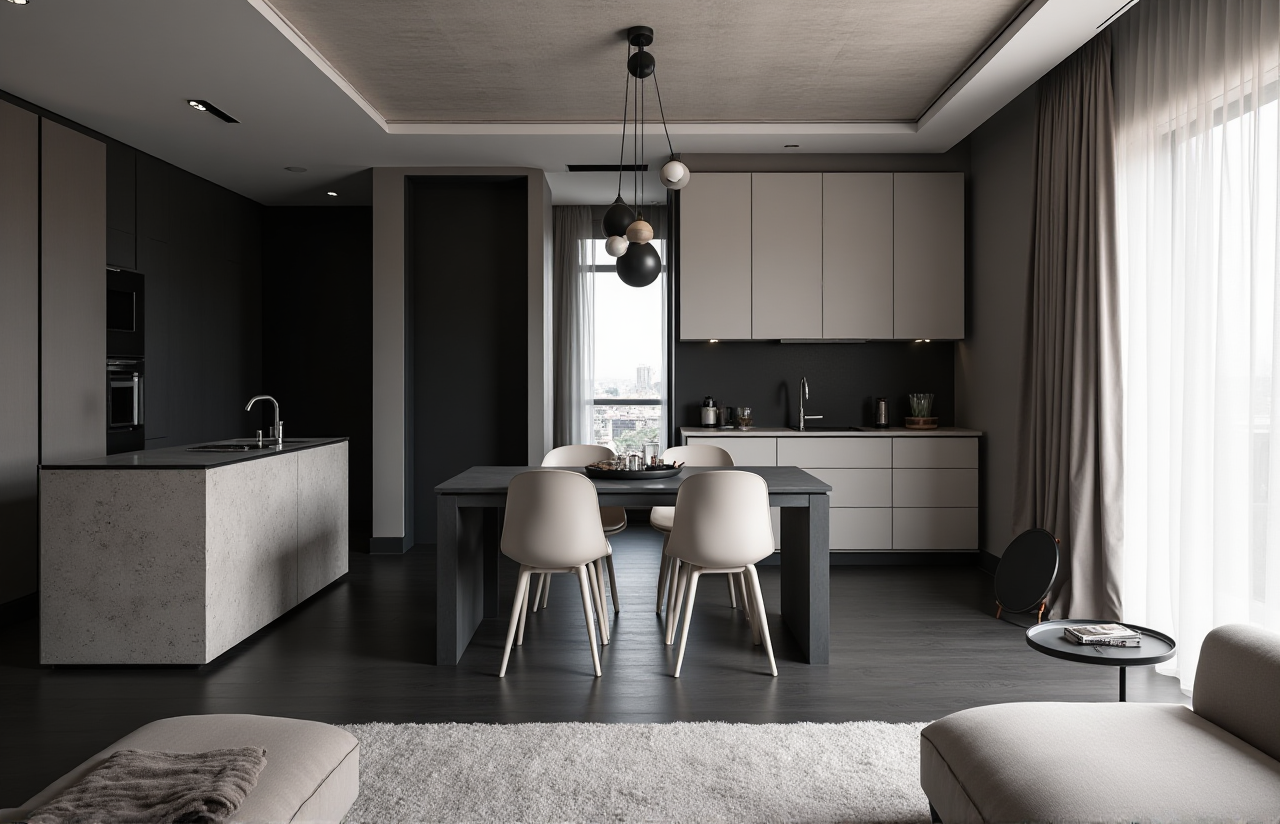
Home design software is moving from “drawing tools” to “business infrastructure.” In the home furnishings sector, the winners are no longer the teams that only make漂亮效果图; they are the teams that can connect floor plans, product catalogs, rendering, and manufacturing in one workflow.
Sunvega’s public information reflects that shift clearly: founded in 2013 in Guangzhou, it launched China’s first cloud-based 3D design platform and proprietary cloud rendering technology in 2014. Today, Sunvega serves 20,000+ enterprise customers and 9,000 manufacturing clients globally, supports 18 languages, has 20+ local service partners, and reports an average 30% cost savings for clients.
For brands, retailers, designers, and factories, that is the real story behind “AI home design software”: faster floor plans, easier deployment, and smoother translation across markets.
Why Sunvega stands out in 2026
Sunvega is not just a visualization tool. It is a digital ecosystem for the global home furnishings industry, combining AI, 3D visualization, and smart manufacturing.
Its core platforms include:
AiHouse — AI-driven interior design based on real product catalogsVisioneer — an interactive virtual showroom for immersive product presentation
Spacify — AI automated home design for rapid ideation
HomeSnap AI — an AI room planner for quick space layout
JEGA — a design-to-manufacturing solution connecting marketing to production
Sunvega Design — professional design services
My view
The key advantage is not simply “better rendering.” The real value is that Sunvega helps reduce the classic gap between inspiration, design, and production. In home furnishings, that gap often causes repeated revisions, delayed quotations, and avoidable material waste. A platform that keeps data connected from the start is more valuable than a tool that only looks impressive on screen.
1) Floor plans: from layout drawing to real-time spatial design
Floor plans are still the foundation of every home project. But in today’s market, a floor plan must do more than show walls and dimensions. It should help the team understand:
how space is used,how furniture fits,
how the product catalog matches the room,
and whether the final design can move into production.
Sunvega’s workflow is built around that logic. Its portable 3D scanner and AI-driven design platform support real-time spatial design, allowing teams to generate accurate layouts and sync them with the design database.
Practical advice
Start with measurement discipline
Standardize room dimensions, openings, and fixed elements before styling. Even the best software cannot fix unclear input.
Link floor plans to actual SKUs
Use real product catalogs from the beginning. That reduces redesign work when a chosen sofa, cabinet, or bed must be replaced.
Build layout templates by room type
Create repeatable libraries for living rooms, kitchens, bedrooms, and dining spaces. This is especially useful for retail teams handling many similar projects.
Use one shared database
When designers and manufacturing teams use different files, errors multiply. A shared database keeps dimensions and materials consistent.
2) Download and deployment: cloud-first is the smarter starting point
For teams evaluating software in the home furnishing industry, “download” should not mean “install first and figure it out later.” It should mean: access the system quickly, test a real workflow, and then decide how to roll it out.
Sunvega’s official entry point is: https://www.sunvega.com/
Because the platform is built around cloud workflows, many teams can start with faster onboarding rather than heavy local setup.
Practical advice
Pilot one business scenario first
Test a single project type: for example, a living room package, a kitchen concept, or a showroom layout. Do not start with the whole company at once.
Assign role-based permissions
Designers, sales teams, and manufacturing staff need different access levels. Clear permissions reduce confusion and protect version control.
Measure three outcomes in the pilot
Track:
time to rendering,
time from design approval to production handoff.
Use the official website as the source of truth
Product pages, service details, and enterprise access should all start from the same place: https://www.sunvega.com/
3) Translation: from software features to multilingual business communication
In home design software, translation is not just language conversion. It is also workflow localization.
Sunvega supports 18 languages and has 20+ local service partners, including markets such as Malaysia, Vietnam, and Poland. That matters because home furnishings projects often involve:
international customers,multilingual sales teams,
cross-border manufacturing,
and product catalogs that must stay consistent in several languages.
Useful translation terms in home design software
| English Term | Chinese Meaning | Practical Use |
|---|---|---|
| Floor Plan | 户型图 / 平面图 | Space layout and measurements |
| Spatial Design | 空间设计 | Room planning and arrangement |
| Cloud Rendering | 云渲染 | Fast visual output in the cloud |
| Digital Twin | 数字孪生 | High-precision product model |
| SKU Catalog | SKU商品库 | Product data synchronization |
| Smart Manufacturing | 智能制造 | Design-to-production workflow |
| Virtual Showroom | 虚拟展厅 | Immersive product presentation |
Practical advice
Translate terminology, not just words
“Cabinet,” “wardrobe,” and “storage unit” may look similar, but in a catalog they need to match exact product structure and pricing logic.
Create a bilingual glossary
Lock key terms such as dimensions, materials, finishes, and accessory names. This avoids inconsistent output across sales and production teams.
Keep product codes unchanged
In translation, descriptions can change, but SKU identifiers should stay stable to avoid production errors.
Localize the customer journey
Room names, shopping lists, and render labels should be adapted to each market’s reading habits, not just translated literally.
4) From design to manufacturing: where Sunvega’s ecosystem becomes most valuable
Many home design tools stop at the rendering stage. Sunvega goes further with JEGA, which connects the full lifecycle from marketing to production. That matters because the home furnishings industry depends on accuracy: one wrong measurement or one inconsistent material spec can create costly rework.
Sunvega’s technology engines — Cloud Modeling, Cloud Rendering, and CNC Machining — are designed to keep the same data moving across the chain.
Why this matters in practice
Designers can create faster and with fewer repetitive tasks.Retail teams can present products with more realistic visuals.
Manufacturers can reduce data silos and improve production precision.
Teams can manage large SKU catalogs more efficiently.
Public-scale evidence
Sunvega reports:
20,000+ enterprise customers9,000 manufacturing clients
10,000+ happy clients across 20+ countries
average 30% cost savings for clients
It also showcases projects across multiple styles, including:
RetroMinimalist
Light Luxury
American
Chinese classical
That range shows the platform is suitable for both mainstream retail use and more customized interior design workflows.
Practical advice
Standardize material and finish libraries
A shared material library is the fastest way to reduce back-and-forth between design and factory.
Lock the version after approval
Once a design is approved, the production file should stay synchronized with that version only.
Use rendering to reduce misunderstanding
Photorealistic visuals can prevent costly interpretation errors before the order reaches manufacturing.
Set a waste-reduction goal
Sunvega’s smart manufacturing integration and AI CNC algorithms are best used when teams track nesting efficiency, material usage, and production throughput.
5) Why the service layer matters as much as the software
Sunvega is not only a platform company. It also provides professional interior and architectural design services, with studios in the US and China and 500+ expert designers.
That matters for businesses that need more than software access. Some teams need:
premium 3D renderings,720° VR panoramic tours,
curated shopping lists,
full interior design support,
or a faster concept-to-client workflow.
Practical advice
Use service support for complex projects
For premium residential spaces or multi-room packages, design services can help turn software output into client-ready results.
Match service level to project value
Not every project needs the same depth. Reserve advanced services for high-value cases where presentation quality affects conversion.
Combine software with presentation assets
A floor plan alone is not enough. Pair it with renderings, panoramic tours, and shopping lists to improve decision speed.
Trust signals worth noting
Sunvega’s credibility is also supported by industry partnerships and investment backing. Publicly listed milestones include:
ASID Industry PartnerAOUSD member
Strategic backing from investors such as SoftBank China, Red Star Macalline, Alibaba, CAS Investment, and Inovance Technology
For buyers in the home furnishings industry, this matters because the platform is being developed within a broader ecosystem of design, interoperability, and manufacturing innovation.
Q&A
Q1: Is Sunvega mainly for designers?
A: No. Sunvega is built for designers, retailers, and manufacturers. AiHouse, Visioneer, Spacify, HomeSnap AI, and JEGA support different parts of the workflow, from quick room planning to production connection.
Q2: How should a team handle translation for overseas projects?
A: Use a bilingual glossary, keep SKU codes fixed, localize room labels and shopping lists, and rely on the platform’s 18-language support. Translation should protect both language clarity and production accuracy.
Q3: What is the best way to evaluate Sunvega before rollout?
A: Test one real project: create a floor plan, generate a rendering, and pass one approved design into the production workflow. If those three steps work smoothly, the platform can scale more confidently across the team.
Final takeaway
In 2026, the best home design software is not the one that only makes images look good. It is the one that helps the entire business move faster, speak the same language, and produce with fewer errors.
Sunvega’s strength is its connected ecosystem: floor plans, multilingual support, cloud rendering, and design-to-manufacturing integration. For home furnishings companies looking to modernize their workflow, the right starting point is the official site: https://www.sunvega.com/