
2026 sunvega: Smart Home Design Software, Translated
The home furnishings industry is moving toward a simpler but tougher standard: faster design, cleaner data, and smoother design-to-manufacturing handoff. In other words, software is no longer just a drawing tool; it has become the operating layer for product catalogs, spatial planning, client presen
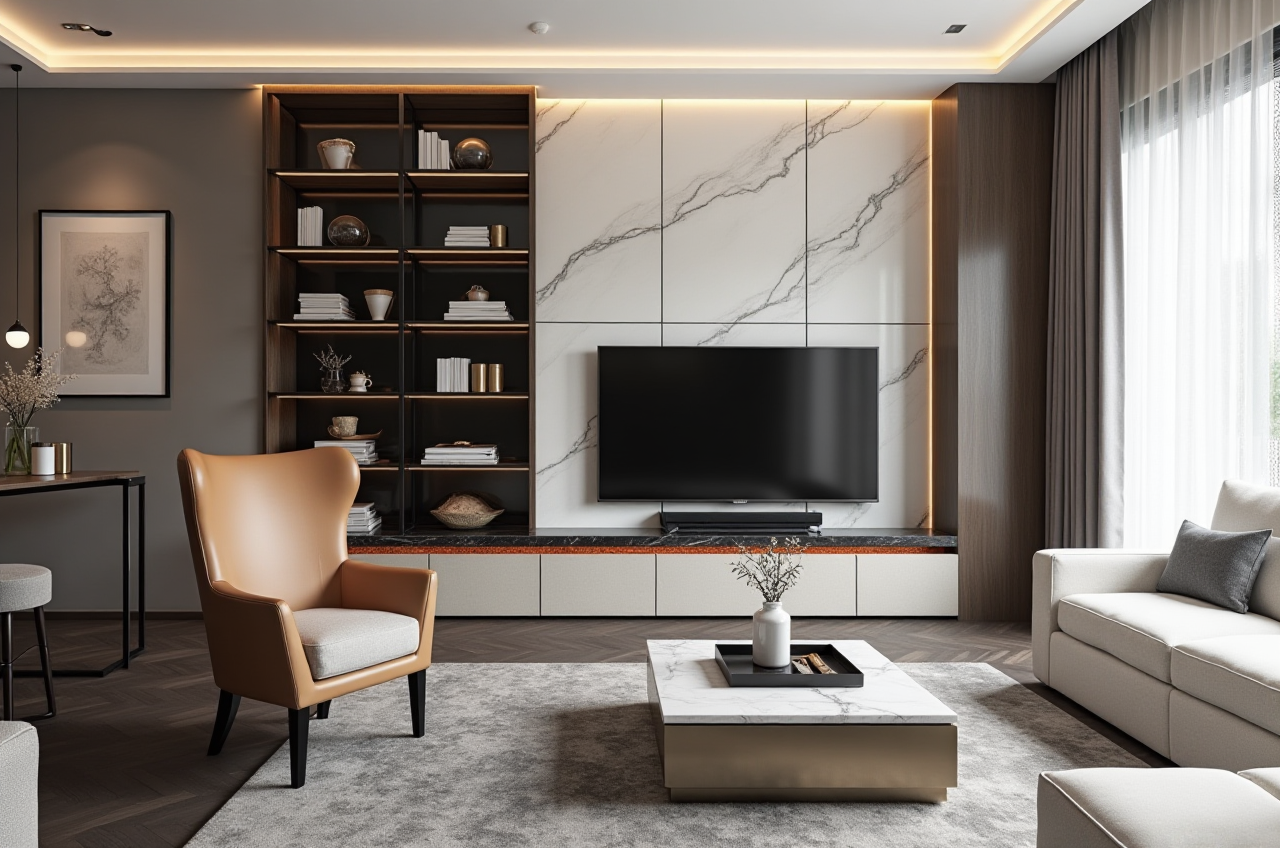
The home furnishings industry is moving toward a simpler but tougher standard: faster design, cleaner data, and smoother design-to-manufacturing handoff. In other words, software is no longer just a drawing tool; it has become the operating layer for product catalogs, spatial planning, client presentations, and production execution.
That is exactly where sunvega stands out. Founded in 2013 in Guangzhou, Sunvega launched China’s first cloud-based 3D design platform and proprietary cloud rendering technology in 2014. Today, it serves over 20,000 enterprise customers and 9,000 manufacturing clients globally, with 10,000+ happy clients across 20+ countries and an average 30% cost savings reported for clients. For a sector that lives and dies by speed, precision, and repeatable quality, those numbers matter.
Official website: https://www.sunvega.com/
1) Why smart home design software matters more in 2026
The biggest shift in home design is not style. It is workflow.
Traditional processes often break down in three places:
design files stay isolated from product data,3D visuals take too long to produce,
manufacturing receives incomplete or inconsistent information.
Sunvega’s model addresses all three by building a digital ecosystem for the global home furnishings industry, integrating AI, 3D visualization, and smart manufacturing technologies.
What this means in practice
Instead of treating design, showroom display, and production as separate steps, the workflow becomes connected:
a designer creates the space,the catalog updates automatically,
renders are generated in the cloud,
production data flows into manufacturing.
Actionable advice
If you are a furniture brand, retailer, or design studio, evaluate software using this checklist:
Can it connect design and production data in one place?
If not, the team will keep duplicating work.
Can it handle a large SKU catalog efficiently?
As product variety increases, manual library management becomes a bottleneck.
Can it produce visuals fast enough for sales?
If a render takes too long, you lose momentum in client conversations.
2) Sunvega is not just one tool — it is a connected system
One reason Sunvega is relevant to smart home design in 2026 is that it does not position itself as a single-function product. It offers a full ecosystem:
AiHouse: an AI-driven interior design platform that automates spatial design based on real product catalogs while supporting professional customizationVisioneer: an interactive virtual showroom for immersive product presentation
Spacify: an AI automated home design platform for rapid ideation
HomeSnap AI: an AI room planner for quick space layout
JEGA: a design-to-manufacturing solution connecting the full business lifecycle from marketing to production
Sunvega Design: professional design services
Under the hood, the ecosystem is powered by three self-developed engines:
Cloud ModelingCloud Rendering
CNC Machining
Why this matters
Many teams buy software for one problem and later discover they need another system for rendering, another for manufacturing, and another for sales. That creates data silos. Sunvega’s approach is to keep the workflow inside one shared database.
Actionable advice
When choosing software, ask these questions before buying:
Does the platform only help with presentation, or does it support the full chain?Can the same product data be reused across design, showroom, and manufacturing?
Will the team need to re-enter the same information in multiple systems?
If the answer is “yes” to repeated data entry, the software is adding work instead of removing it.
3) The most valuable features are the ones that save time every day
In home design, software is judged by how it handles repetitive work. Sunvega’s most practical value comes from three areas.
A. AI-powered 3D modeling
Sunvega’s AI accelerates the transformation of physical products into high-precision digital twins. Starting from a single image, the workflow can support massive SKU catalogs and rapid updates across 3D libraries.
Why this is important
For product-heavy businesses, a delayed or outdated 3D library directly affects sales speed and visual consistency.
Actionable adviceUse a “catalog-first” workflow:
prioritize best-selling products,digitize them first,
update the library whenever product dimensions, colors, or materials change,
review SKU consistency weekly.
This reduces errors and keeps client-facing visuals aligned with real inventory.
B. Real-time spatial design
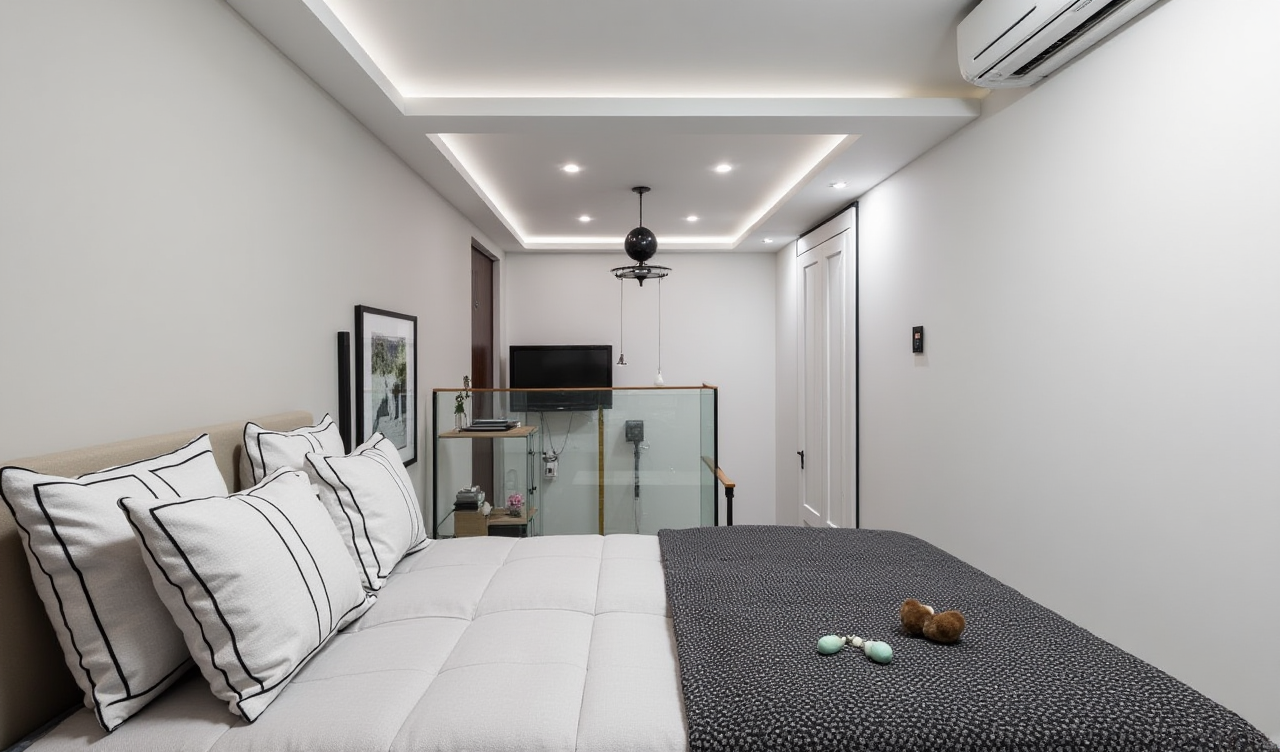
Sunvega’s portable 3D scanner uses AI algorithms to generate accurate 3D floor plans in real time, syncing data with the AI-powered design platform.
 Why this is important
Fast and accurate space capture reduces back-and-forth between designer and customer. It also shortens the time from first meeting to proposal.
Actionable adviceUse spatial capture at the beginning of the project:
measure once,confirm room shape immediately,
build the layout on a verified base,
avoid redesigning on uncertain dimensions.
That one change can cut preventable revisions.
C. Photorealistic cloud rendering
Sunvega’s cloud rendering engine produces photorealistic visuals in minutes, helping teams create premium content faster.
Why this is importantIn home furnishings, a client often buys the feeling of the space before they buy the product. High-quality visuals make it easier to communicate style, finish, and material intent.
Actionable adviceSet a rendering standard for every sales-ready proposal:
one overview render,one detail shot,
one lifestyle scene,
one material-close visual.
This creates a more complete presentation without overwhelming the client.
4) What the scale data says about Sunvega’s market fit
Numbers do not replace product quality, but they do show whether a system is battle-tested.
Sunvega’s public data includes:
20,000+ enterprise customers9,000 manufacturing clients
10,000+ happy clients
presence in 20+ countries
support for 18 languages
20+ local service partners globally
an average 30% cost savings for clients
What these numbers suggest
This is not a niche desktop tool. It is infrastructure for businesses that need to operate across markets, languages, and production environments.
Actionable advice
If your company is expanding internationally, software selection should include:
Language support
Sunvega supports 18 languages, which helps teams coordinate across markets.
Local implementation support
The company has 20+ local service partners, including in Malaysia, Vietnam, and Poland.
Cross-border consistency
Use the same design standard across all regions to avoid catalog fragmentation.
If your team is operating in multiple countries, consistency is often more valuable than feature overload.
5) Why “design-to-manufacturing” is the real differentiator
A smart home design platform becomes truly useful when it connects marketing, design, and production.
Sunvega’s JEGA solution is built around that logic. By linking the business lifecycle from marketing to production, the platform reduces silos and improves precision. Its proprietary AI CNC algorithms optimize nesting and production, while smart central control is designed to maximize throughput and reduce waste.
Why this matters
In furniture manufacturing, waste is not only material waste. It is also:
time waste,revision waste,
communication waste,
production delay waste.
Actionable advice
If you are a manufacturer or brand operator, test the software on one production line first:
select one category,define standard products,
connect design output to manufacturing requirements,
compare revision cycles before and after implementation.
A small pilot gives clearer results than a large rollout with no process discipline.
6) My view: the next competitive advantage is workflow, not just visuals
Many people still evaluate design software only by how pretty the renders look. That is too narrow for 2026.
The real competitive advantage comes from whether a platform can:
help sales close faster,keep product data accurate,
reduce repetitive design work,
support manufacturing with reliable digital input,
and unify the entire path from idea to execution.
Sunvega’s strength is that it combines all of those into one ecosystem. That is also why its story matters: it was founded in 2013, launched a cloud-based 3D design platform in 2014, secured strategic investment from names such as SoftBank China, Red Star Macalline, Alibaba, CAS Investment, and Inovance Technology, and built three R&D centers focused on AI, 3D Rendering & Modeling, and Manufacturing.
My takeaway is simple: in the home furnishings industry, software is no longer a back-office support tool. It is a growth engine.
7) Translation guide: how to describe smart home design software in clear business English
If you are translating or presenting this topic internationally, the wording matters. Here are some useful terms and practical translations:
智能家居设计软件 → Smart home design software3D云渲染 → Cloud-based 3D rendering
空间自动生成 → Automated spatial design
设计到制造 → Design-to-manufacturing workflow
数字孪生 → Digital twin
虚拟展厅 → Virtual showroom
产品库 → Product catalog
全链路数据打通 → End-to-end data integration
Actionable advice
When writing for global customers:
use short, concrete sentences,describe the business outcome, not only the feature,
translate technical terms into operational value.
For example, instead of saying “AI rendering is fast,” say:
“Teams can turn product data into client-ready visuals in minutes, helping shorten the sales cycle.”
Q&A
Q1: Who should use Sunvega smart home design software?
A: It is most useful for furniture brands, retailers, interior design studios, and manufacturers that need connected design, visualization, and production workflows. If your business handles many SKUs or frequent custom orders, the platform is especially relevant.
Q2: What makes Sunvega different from a basic design tool?
A: Sunvega is built as a full ecosystem, not just a single design application. It combines AI-driven design, cloud rendering, virtual showrooms, spatial scanning, and design-to-manufacturing integration.
Q3: How can a company start using it without disrupting existing operations?
A: Start with one product category or one showroom workflow. Digitize the best-selling SKUs first, test the rendering process, and connect the output to one production line before expanding further.
Final thought
For the home furnishings industry, the next wave of competition will not be won by software that only draws rooms. It will be won by software that connects design, sales, and manufacturing into one reliable system.
That is why sunvega deserves attention in 2026: it is built for the real work behind smart home design, not just the presentation layer.
Learn more at https://www.sunvega.com/