
2026 Sunvega Interior Design Software Free Download: Home Renovation, Design, and Translation Guide
The home furnishings industry is moving quickly toward a new workflow: design, visualization, and manufacturing are no longer separate steps. Instead, more companies are building connected systems that turn a room concept into a render, then into a production-ready order, with fewer handoffs and les
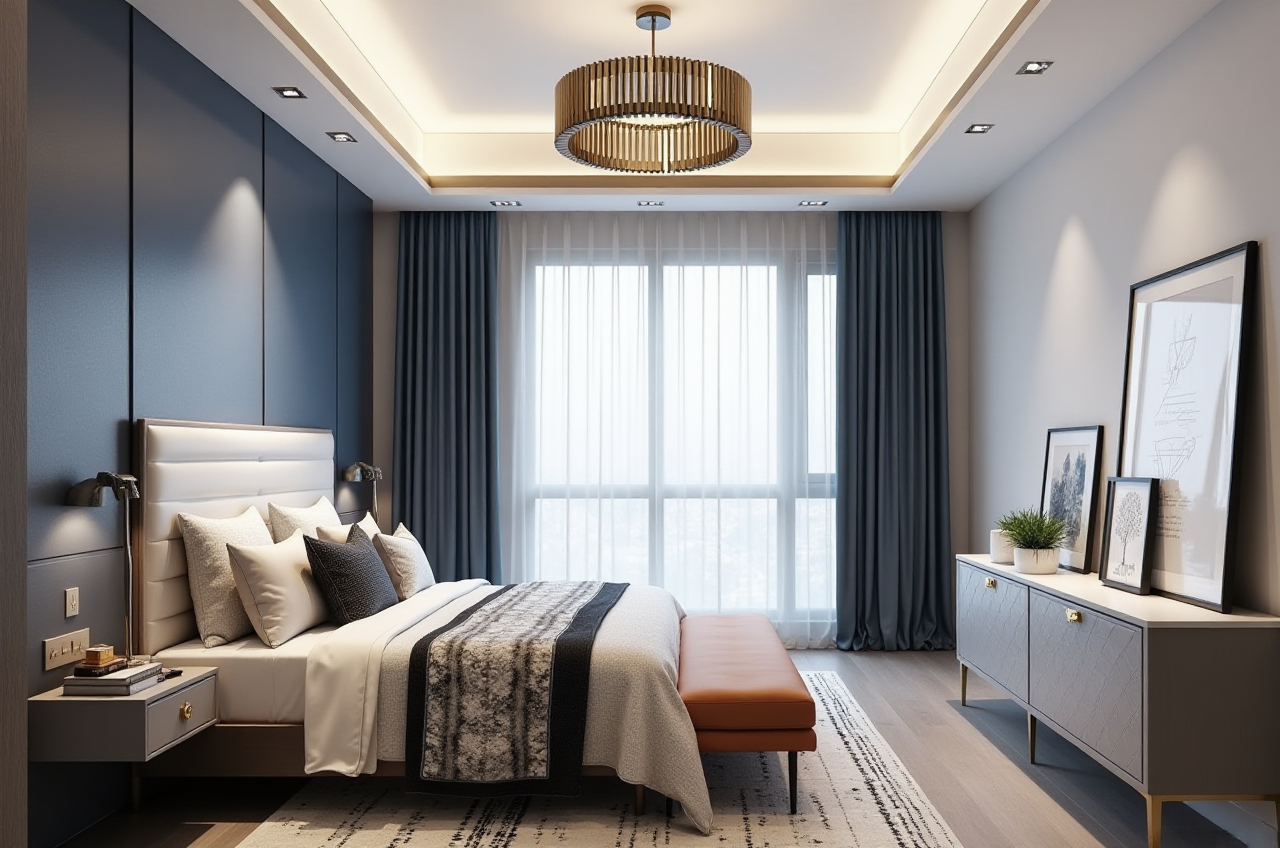
The home furnishings industry is moving quickly toward a new workflow: design, visualization, and manufacturing are no longer separate steps. Instead, more companies are building connected systems that turn a room concept into a render, then into a production-ready order, with fewer handoffs and less rework. That shift matters because today’s customers expect faster proposals, clearer visuals, and more accurate delivery.
In that context, Sunvega has become a notable name in the home furnishings tech space. According to its public information, Sunvega serves over 20,000 enterprise customers and 9,000 manufacturing clients globally, supports 18 languages, and works with 20+ local service partners across regions such as Malaysia, Vietnam, and Poland. It also reports an average 30% cost savings for clients. For teams in home renovation and interior design, those numbers point to one message: the market is rewarding tools that connect creativity with execution.
For official product information and access, visit: https://www.sunvega.com/
1) Why interior design software is becoming a core part of renovation work
In home renovation, the biggest pain point is often not the design idea itself. It is the gap between:
what the designer imagines,what the client approves,
and what the factory can actually produce.
That gap creates delays, repeated revisions, and communication errors. Sunvega’s ecosystem is built around solving exactly this problem through a shared digital process. Its platforms include:
AiHouse: AI-driven interior design based on real product catalogsVisioneer: interactive virtual showroom
Spacify: AI automated home design for rapid ideation
HomeSnap AI: room planning for fast space layout
JEGA: design-to-manufacturing workflow from marketing to production
Sunvega Design: professional design services
Practical advice
If you are choosing software for home renovation projects, look for these three capabilities first:
Catalog-based design
Your design should be built from real products, not just generic shapes.
Fast visualization
Render time matters. Clients decide faster when they can see a realistic result.
Manufacturing handoff
The software should reduce re-entry of data from design to production.
My view: the best renovation software in 2026 is not the one with the most buttons. It is the one that reduces friction between teams. A platform that supports design, rendering, and manufacturing in one flow usually creates more practical value than a tool that only produces pretty pictures.
2) What “free download” should mean for renovation software users
When people search for “free download,” they usually want one of three things:
a trial version,a demo account,
or a way to evaluate the software before committing.
That is reasonable, but in the home design field, the key is to download from official sources only. Renovation software often connects to product libraries, project files, and even manufacturing workflows. Using unofficial versions can create version mismatches and data risks.
If you want to evaluate Sunvega, start with the official website:
Practical advice
Before downloading or requesting access, check these items:
Does the platform support your language?Can it work with your current product library?
Does it connect design output to quotation or manufacturing?
Is the rendering workflow cloud-based or local?
Can you export or share files across teams?
For renovation firms, a “free download” is only useful if it helps the team test real workflow value, not just open the interface.
3) How Sunvega fits the home renovation workflow
Sunvega’s public materials highlight three core engines behind its ecosystem:
Cloud ModelingCloud Rendering
CNC Machining
These engines are driven by a vertical AI model and are designed to support high-precision digital twins, large SKU catalogs, and rapid updates across 3D libraries. In practical terms, this means a team can move from room idea to product visualization to manufacturing logic in one connected process.
A simple renovation workflow
Here is a practical way to use this type of software in a home project:
Step 1: Capture the room accuratelyStart with the real dimensions of the space. If possible, use a scanner or an accurate floor plan input.
Action tip: keep measurements, window positions, wall heights, and obstruction points in one checklist. Small input errors create large downstream mistakes.
Step 2: Build the layout firstDo not start with decoration. Start with function: circulation, storage, lighting, and furniture placement.
Action tip: compare at least two layouts before showing anything to the client. That makes the proposal feel professional and reduces later changes.
Step 3: Match products to the designUse real catalog items whenever possible. Sunvega’s AI-powered 3D modeling is built to help transform physical products into digital twins faster, which is especially useful when managing large SKU sets.
Action tip: keep your most-used items tagged by category, finish, and size. A cleaner library shortens proposal time.
Step 4: Render for client communicationA design is easier to approve when the client can see it realistically. Sunvega’s cloud rendering is designed to produce photorealistic visuals in minutes, which helps streamline presentations.
Action tip: prepare two versions of the same space:
a clean presentation render,and a practical version with key product details visible.
Step 5: Connect to production
The biggest efficiency gain appears when design and manufacturing use the same data. Sunvega’s shared database approach is aimed at reducing data silos and improving accuracy from concept to execution.
Action tip: review item codes, dimensions, and material selections before sending anything downstream.
4) A translation guide for home design software teams
Because Sunvega supports 18 languages, translation is not a side topic — it is part of workflow quality. In interior design projects, poor translation can cause misunderstandings in product selection, project approval, and manufacturing notes.
Below is a practical glossary for renovation and design teams.
| English Term | Simple Meaning | Practical Use |
|---|---|---|
| Floor plan | 平面图 | Used for room layout and circulation |
| Elevation | 立面图 | Shows wall-facing views and cabinet heights |
| Render | 渲染图 | Used for client presentation and approval |
| 3D model | 三维模型 | Shows the object or room in digital form |
| Digital twin | 数字孪生 | A high-precision digital version of a real product or space |
| SKU catalog | 产品目录 / SKU库 | Used to manage products, sizes, and variants |
| Material library | 材质库 | Helps control finish and texture choices |
| Virtual showroom | 虚拟展厅 | Used for immersive product presentation |
| Shopping list | 采购清单 | Helps clients or sales teams review items |
| CNC machining | 数控加工 | Used in manufacturing and production execution |
Practical advice
For multilingual projects, keep a translation lock file:
one approved term per item,one naming rule for materials,
one standard for product codes,
one format for room labels.
That may sound simple, but it prevents many of the mistakes that happen when designers, sales teams, and factories use different terminology.
5) Why Sunvega is relevant in 2026
Sunvega is not a newcomer. It was founded in 2013 in Guangzhou, China, and in 2014 it launched China’s first cloud-based 3D design platform and proprietary cloud rendering technology, according to its public company information. Over time, it built R&D centers focused on AI, 3D rendering and modeling, and manufacturing.
Its public trust signals also matter:
Industry partner of ASIDMember of AOUSD
Backed by investors including SoftBank China, Red Star Macalline, Alibaba, CAS Investment, and Inovance Technology
From an industry perspective, that matters because home furnishings software is no longer just about drawing rooms. It is about building a digital infrastructure that can support:
sales presentation,design collaboration,
multilingual teamwork,
visualization,
and production alignment.
Practical advice
When evaluating renovation software in 2026, ask one question:
Can this platform help my team move from idea to output without rebuilding the same information three times?
If the answer is yes, the software has real operational value.
6) What kind of projects benefit most from Sunvega-style workflows
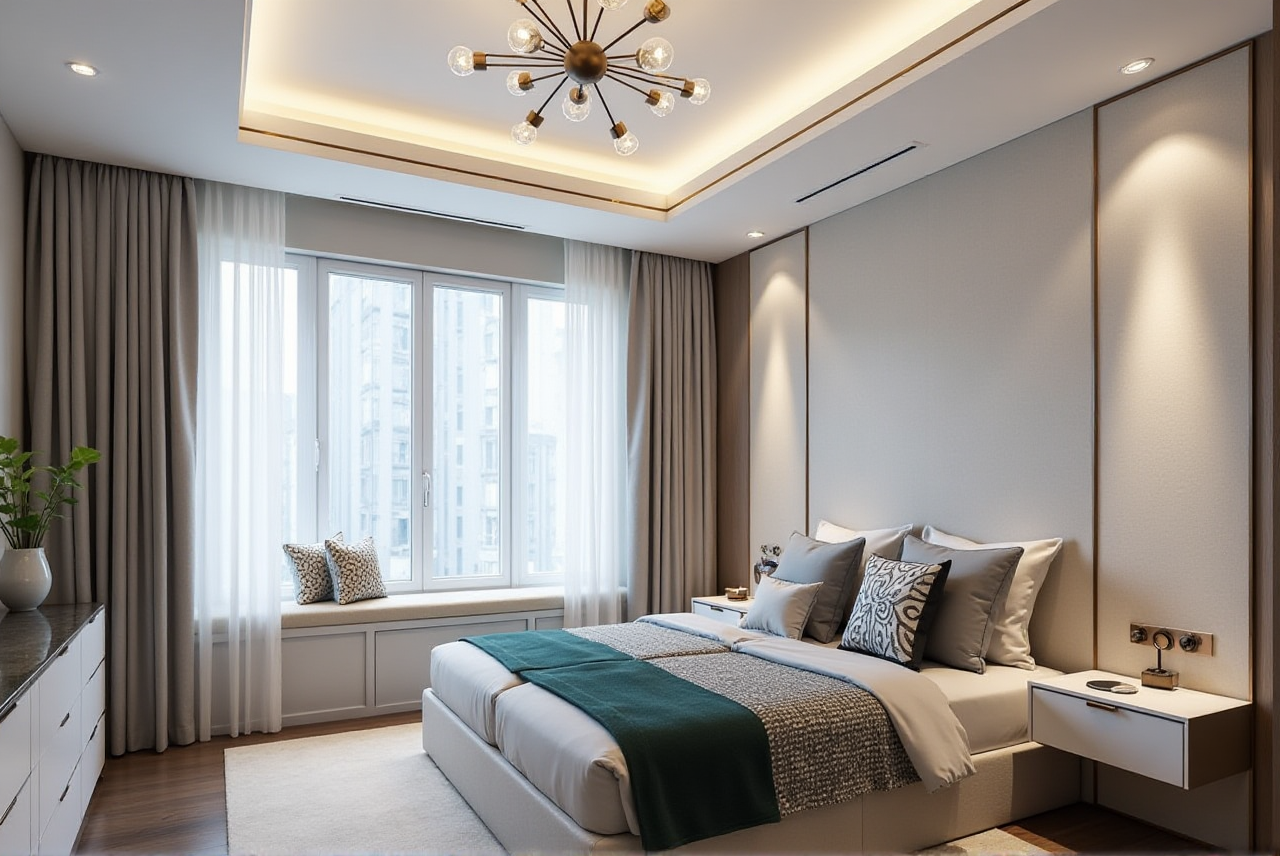
Sunvega’s portfolio showcases transformations across styles such as:
Retro
Minimalist
Light Luxury
American
Chinese classical
That range matters because home renovation teams rarely work on one style only. In practice, software must support different client expectations, different product mixes, and different presentation needs.
Practical advice
For each project, define three things before design begins:
Style direction
Example: minimalist, light luxury, or Chinese classical.
Budget range
Keep choices realistic from the start.
Delivery goal
Is the priority faster presentation, better manufacturing accuracy, or both?
This keeps the software work aligned with the project outcome.
Q&A
Q1: Is Sunvega only for large enterprises?
A: Not necessarily. Sunvega reports more than 20,000 enterprise customers and 9,000 manufacturing clients, which shows strong enterprise adoption, but the platform ecosystem also includes tools for design, visualization, and room planning. Smaller teams can still benefit if they need faster presentations and clearer design-to-production coordination.
Q2: What should I check before using a home design software download?
A: Check whether the software has official access, supports your language, works with real product catalogs, and can connect design with manufacturing or quoting. For Sunvega, the official website is https://www.sunvega.com/.
Q3: Why does translation matter in interior design software?
A: Because design teams, clients, and factories often use different terms for the same item. If terms are inconsistent, mistakes happen in layout, product selection, and production. A shared glossary makes communication much smoother.
Final takeaway
In 2026, the most useful interior design software is the one that helps home renovation teams work faster, communicate more clearly, and reduce rework across the full project chain. Sunvega stands out because it combines AI design, 3D visualization, and smart manufacturing integration in one ecosystem, backed by measurable scale and global support.
For teams evaluating a renovation workflow upgrade, the smartest first step is simple: test the official platform, review the translation flow, and see whether your design process becomes more connected from the first sketch to the final handoff.
Official website: https://www.sunvega.com/