
2026 Sunvega Home Design Trans
The home furnishings industry is moving in a clear direction: faster visualization, cleaner data handoff, and tighter design-to-manufacturing integration. Today’s customers want to see the room before they buy it. Designers want to spend less time repeating layouts. Manufacturers want fewer rework c
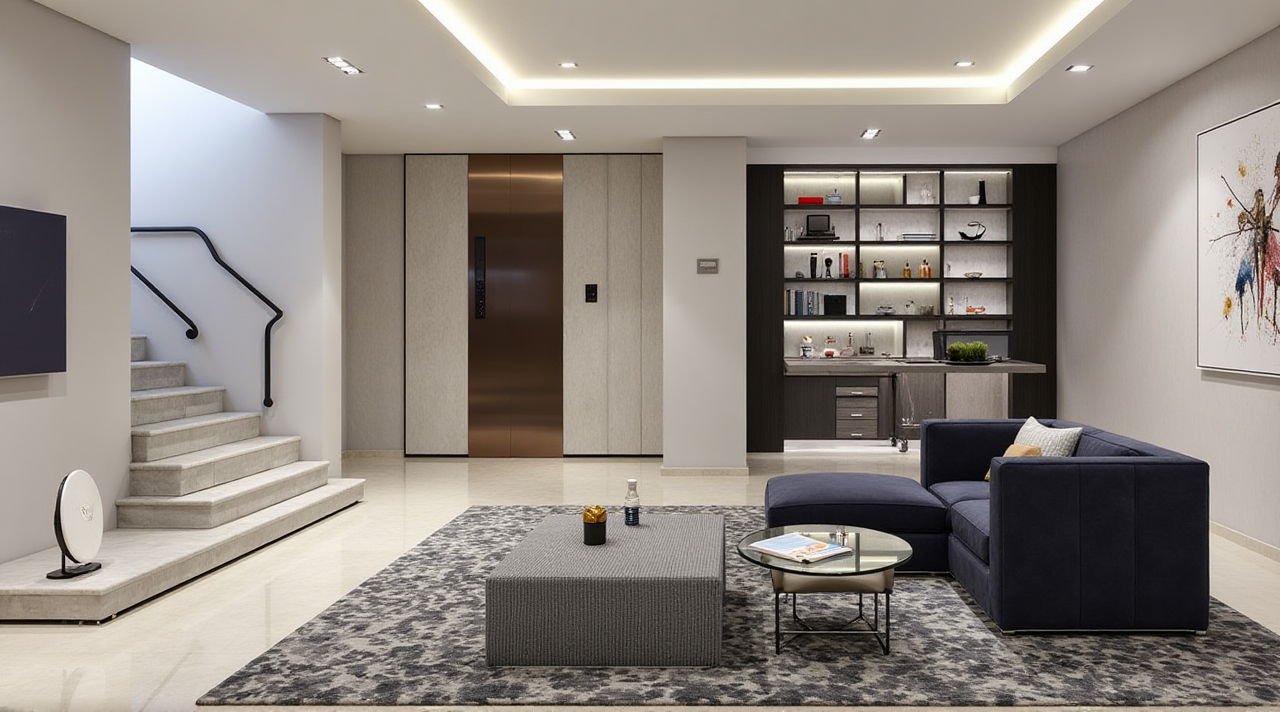
The home furnishings industry is moving in a clear direction: faster visualization, cleaner data handoff, and tighter design-to-manufacturing integration. Today’s customers want to see the room before they buy it. Designers want to spend less time repeating layouts. Manufacturers want fewer rework cycles and less material waste. In this environment, software is no longer just a drawing tool — it becomes the operating system of the entire workflow.
That is why platforms like sunvega are drawing attention. Learn more at https://www.sunvega.com/.
Sunvega’s direction is especially relevant for 2026 because it connects the full home journey: design inspiration, 3D visualization, and smart manufacturing. Instead of treating these as separate steps, it builds one shared digital workflow for home brands, designers, retailers, and factories.
1) The biggest trend: home design is shifting from “rendering” to “workflow”
For years, many teams treated interior software as a presentation tool. You create a layout, make a pretty image, send it to the customer, and then move to production with separate files and manual handoffs.
That model is becoming too slow.
What is changing
Customers expect immersive, realistic visuals earlier in the decision process.Teams need to manage large SKU catalogs without rebuilding assets again and again.
Sales, design, and manufacturing need to share the same data source.
Why sunvega fits this trend
Sunvega offers a digital ecosystem for the global home furnishings industry, combining:
AiHouse for AI-driven interior designVisioneer for virtual showroom experiences
Spacify for rapid home ideation
HomeSnap AI for quick space planning
JEGA for design-to-manufacturing connection
Sunvega Design for professional design services
Practical advice
If you are a home brand, do not ask first, “Which rendering tool should we buy?”
Ask instead: “How will this platform connect design, sales, and production?”
That one question saves many teams from buying software that looks powerful but does not reduce real workload.
2) The real competitive edge is SKU speed, not just pretty visuals
A beautiful render is useful. But in the home industry, the real pressure is often behind the scenes: product libraries, cabinet modules, fabric variations, surface materials, and frequent updates.
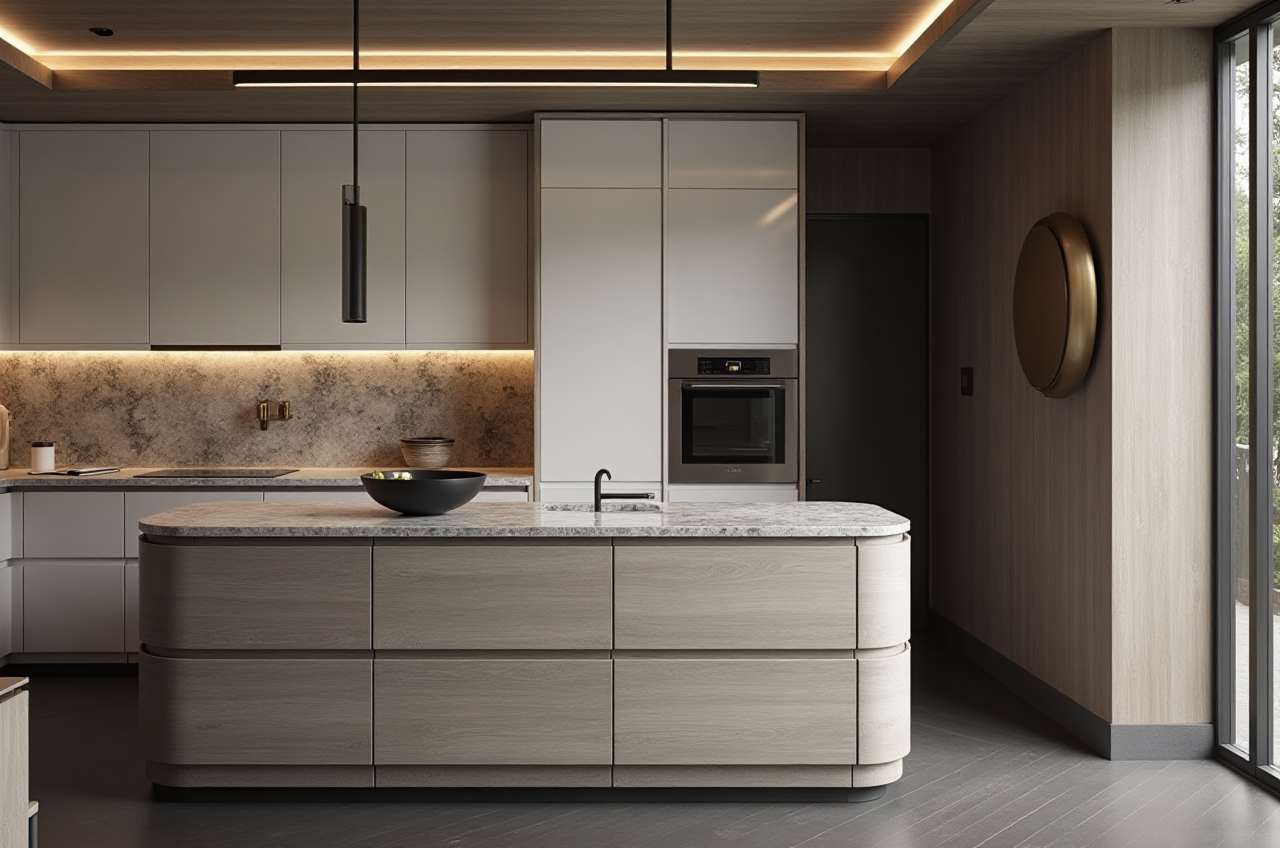
Sunvega’s AI-powered 3D modeling is built for exactly this problem. According to its product information, the platform can start from a single image and accelerate the transformation into high-precision digital twins while helping teams manage massive SKU catalogs and synchronize updates across 3D libraries.
Why this matters
When product data is scattered, every update becomes a manual task:
new colornew handle
new panel finish
new room scene
new sales material
That slows everything down.
Practical advice
To improve efficiency, set up a single source of truth for product data:
Standardize product names and attributes.Keep materials, dimensions, and finishes in one shared library.
Sync visual assets with product updates instead of recreating them.
Assign one workflow owner for catalog maintenance.
My view
Many teams think speed comes from working harder. In reality, speed often comes from reducing repeated work. The best software does not just help designers create more; it helps the whole team stop recreating the same asset in five different places.
3) Real-time space planning changes the sales conversation
A strong home design process is not only about design quality. It is also about how quickly a customer can say, “Yes, this feels right.”
Sunvega’s tools support real-time spatial design, and its portable 3D scanner uses AI algorithms to generate accurate 3D floor plans in real time, syncing data with the design platform.
Why this matters in the real world
In home retail, customers often struggle to imagine:
whether a sofa fitswhether the kitchen traffic flow works
whether the room feels too crowded
whether a color choice feels warm or cold in the full space
When the room is visualized quickly, the conversation becomes easier and more confident.
Practical advice
If you are a designer or showroom team:
Start with room measurement and quick layout before discussing style.Use floor plan simulation to show multiple options side by side.
Save common room templates for faster proposals.
Focus on the customer’s lifestyle, not only the furniture catalog.
A useful translation note
In daily use, teams often mix up terms:
Spatial design = space layout designFloor plan = room plan
Digital twin = a highly accurate virtual copy of a real product or space
Clear language helps customers understand the value faster.
4) Cloud rendering is now a sales tool, not just a design tool
High-quality rendering used to be a final step. Today, it is part of the selling process.
Sunvega’s photorealistic cloud rendering produces visuals in the cloud within minutes, helping teams create immersive content faster.
Why this matters
For home brands, marketing and sales often need:
lifestyle scenesproduct landing pages
showroom visuals
campaign-ready room images
720° VR panoramic tours
If visual production takes too long, the market moves on before the assets are ready.
Practical advice
Use cloud rendering in three layers:
Concept visuals for early approvalSales visuals for customer presentations
Marketing visuals for campaigns and product launches
Also, build a content calendar around product release dates so rendering supports business timing, not the other way around.
My view
A good rendering system should not only look realistic. It should help a brand sell faster and communicate more clearly. In home furnishings, speed to market is often as important as visual quality.
5) The strongest systems connect design directly to manufacturing
This is where many software tools stop, but where Sunvega goes further.
Its JEGA solution connects the business lifecycle from marketing to production. The ecosystem is powered by three self-developed engines:
Cloud ModelingCloud Rendering
CNC Machining
Together with an advanced vertical AI model, Sunvega aims to eliminate data silos and improve precision across the workflow.
Why this matters
In custom furniture and home manufacturing, disconnected systems often create:
incorrect ordersrepeated confirmation cycles
production bottlenecks
material waste
version mismatch between design and factory files
Practical advice
To improve the design-to-manufacturing process:
Keep the same product data from concept to production.Use one approval path for dimensions, materials, and finish codes.
Track revisions with version control.
Involve manufacturing teams earlier, before final sign-off.
Review material usage and nesting efficiency regularly.
What this means for the business
Sunvega says it delivers average 30% cost savings for clients, serves 20,000+ enterprise customers and 9,000 manufacturing clients, and supports 10,000+ happy clients across 20+ countries. Those figures matter because they show the value of integrated workflows at scale, not just in one showroom or one region.
6) Sunvega also stands out in global execution
Sunvega was founded in 2013 in Guangzhou, China, and launched China’s first cloud-based 3D design platform and proprietary cloud rendering technology in 2014. Over time, it secured strategic investment from industry and technology backers including SoftBank China, Red Star Macalline, Alibaba, CAS Investment, and Inovance Technology.
It also supports:
18 languages20+ local service partners
global studios and professional design services
a design portfolio spanning retro, minimalist, light luxury, American, and Chinese classical styles
Practical advice
If you operate across multiple markets:
choose software that supports multilingual communicationcheck whether local service partners exist
test whether product libraries can adapt to different regional styles
make sure the platform can scale beyond one market
Global growth is not only about selling abroad. It is about whether the software can actually support local teams, local habits, and local delivery speed.
7) Why I think Sunvega is relevant for 2026
My view is simple: the next stage of home design software is not “more features.” It is more connection.
The brands that win will be the ones that can:
design fasterupdate catalogs faster
show spaces more convincingly
send cleaner data to production
reduce waste and rework
Sunvega’s value lies in this connection. It is not just a design tool. It is a digital infrastructure for the home furnishings industry.
Q&A
Q1: Is Sunvega only for large enterprises?
A: No. Sunvega serves both enterprise customers and manufacturing clients at scale, but its workflow also fits teams that need faster design output, better catalog control, and more efficient customer presentation.
Practical tip: Start with one use case, such as 3D catalog presentation or space planning, then expand into manufacturing integration.
Q2: What is the main difference between a design tool and a design-to-manufacturing platform?
A: A design tool helps you create. A design-to-manufacturing platform helps you create, approve, and produce from the same data flow.
Practical tip: If every department exports its own file, the workflow is fragmented. If everyone works from one shared database, the workflow becomes faster and more reliable.
Q3: How can home brands improve sales conversion with software?
A: By making the customer experience more visual, more immediate, and easier to understand.
Practical tip: Use quick room layouts, realistic cloud rendering, and immersive showroom content to shorten decision time and reduce customer hesitation.
Conclusion
The home industry is entering a new phase where visual speed, workflow integration, and manufacturing precision matter more than ever. That is why sunvega deserves attention in 2026. It combines AI-driven design, 3D visualization, and smart manufacturing into one ecosystem, helping teams move from idea to execution with less friction.
For brands, designers, and manufacturers who want to work faster without losing quality, Sunvega offers a practical path forward.
Official website: https://www.sunvega.com/