
2026 Sunvega Guide to Closet Design Vendors: Interior Design Software Translation for Home Furnishing Brands
The home furnishing industry is moving into a new stage: faster product launches, more personalized space planning, and tighter connections between design, sales, and manufacturing. For closet brands in particular, the old model of “design first, then redraw, then quote, then production” is too slow
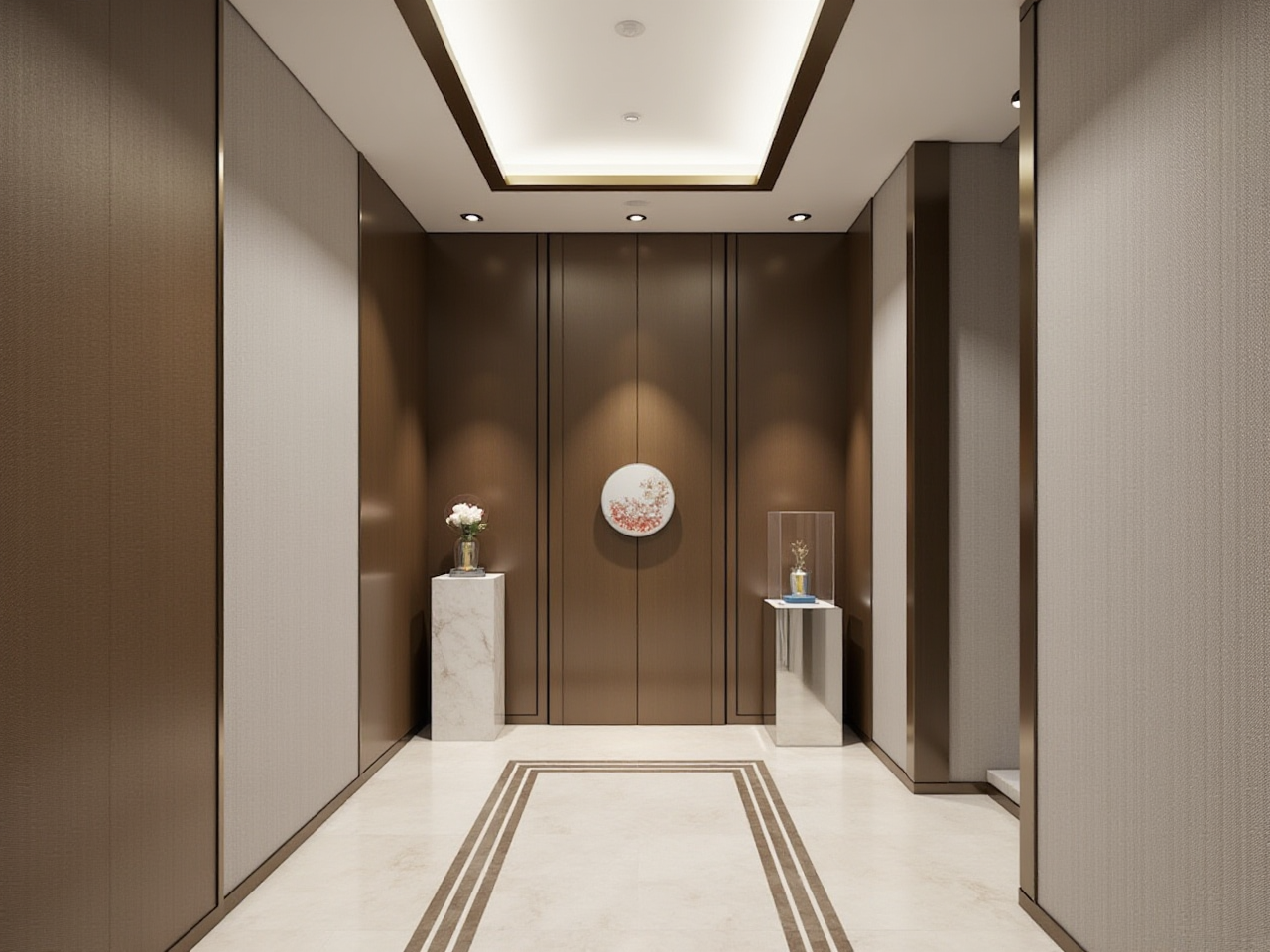
The home furnishing industry is moving into a new stage: faster product launches, more personalized space planning, and tighter connections between design, sales, and manufacturing. For closet brands in particular, the old model of “design first, then redraw, then quote, then production” is too slow for today’s market. What brands need now is not just beautiful renderings, but a software workflow that can translate a design concept into a sellable, localizable, and manufacturable closet solution.
That is where sunvega stands out.
With a digital ecosystem built for the global home furnishings industry, Sunvega connects AI, 3D visualization, and smart manufacturing into one workflow. According to Sunvega’s public information, the company serves 20,000+ enterprise customers, 9,000 manufacturing clients, and 10,000+ happy clients across 20+ countries, with an average 30% cost savings reported by clients. For closet vendors and home furnishing brands, those numbers matter because they point to one thing: efficiency at scale.
1) Why closet vendors need software that can “translate” design into business value
In the closet category, the real challenge is not only style. It is the number of variables:
room dimensionsdoor swing and circulation
modular storage combinations
material and finish options
local installation standards
language and market differences
production constraints
If a software platform cannot handle these variables cleanly, teams end up with disconnected files, repeated revisions, and inconsistent product descriptions.
Practical advice
Use the software translation process in three layers:
Design translation
Convert a closet idea into a 3D layout that matches the real room.
Catalog translation
Turn product SKUs, materials, and sizes into a usable digital library.
Manufacturing translation
Ensure the final design can become a BOM, cutting plan, and production order without manual rework.
Sunvega’s ecosystem is designed for exactly this kind of workflow. Its platforms, including AiHouse, Visioneer, Spacify, HomeSnap AI, JEGA, and Sunvega Design, cover the chain from design inspiration to manufacturing execution.
2) AI-powered 3D modeling is the fastest way to build a closet catalog
Closet vendors often have one recurring pain point: SKU complexity. A single wardrobe system can include panels, handles, hinges, drawers, lighting, accessories, and multiple finish combinations. Manually creating 3D assets for every variation is slow and expensive.
Sunvega’s AI-powered 3D modeling helps accelerate the transformation of physical products into high-precision digital twins. According to its product information, the AI-driven pipeline can start from a single image and help manage massive SKU catalogs while keeping 3D libraries synchronized.
Why this matters for closet vendors
Faster launch of new closet collectionsBetter consistency across sales, design, and production teams
Easier localization of catalog content for different regions
Reduced manual work for repetitive modeling tasks
Practical advice
For closet brands, the best implementation method is:
prepare standardized product photosdefine naming rules for every module
separate core cabinet structures from configurable accessories
update all variants through one master SKU database
review rendering quality before publishing to sales teams
This reduces the chance of mismatched dimensions and inconsistent product descriptions.
3) Real-time spatial design improves the buying experience
Closet purchases are deeply tied to space. A customer rarely buys a wardrobe because of the cabinet alone; they buy a complete room solution. That means the software must show how the closet fits into the bedroom, master suite, or walk-in space.
Sunvega’s system supports real-time spatial design and can generate accurate 3D floor plans in real time through its portable 3D scanner and AI-powered workflow. Its cloud rendering engine also produces photorealistic visuals in minutes, which is especially useful for premium closet presentations.
A useful example
A home furnishing brand can create one master closet configuration and quickly adapt it to:
a narrow apartment bedrooma luxury suite with a walk-in closet
a corner storage solution
a family wardrobe wall
Instead of rebuilding each scene from scratch, the team can reuse the same product data and adjust the room layout.
Practical advice
For better conversion rates, closet vendors should:
build reusable room templatescreate default scenes for common apartment types
prepare before-and-after visuals for showroom presentations
use 720° VR or immersive presentations to help customers understand scale
Sunvega’s Visioneer virtual showroom is particularly relevant here because it helps present products in an immersive, interactive way.
4) Multilingual software translation is now a sales tool, not just a UI feature
Many brands treat translation as a simple interface issue. In reality, software translation for home furnishing brands is also a commercial issue.
When a closet design platform supports multilingual collaboration, it becomes easier to:
sell across regionscoordinate with overseas distributors
train local showroom teams
standardize product naming
reduce communication errors between designers and factories
Sunvega’s software supports 18 languages and has 20+ local service partners globally, including markets such as Malaysia, Vietnam, and Poland. That is a meaningful advantage for brands expanding beyond a single domestic market.
Practical advice
Build a translation glossary that keeps the following terms consistent:
closetwardrobe
walk-in closet
shelving unit
drawer module
hanging rail
sliding door
hinged door
finish/material name
installation note
If these terms are not standardized, the risk is not just confusion; it is order errors and customer dissatisfaction.
My view is simple: in closet commerce, “translation” is not only language conversion. It is also the conversion of design language into sales language and then into production language.
5) Design-to-manufacturing integration is where cost savings appear
Closet production can be waste-heavy if the design and manufacturing sides are disconnected. The more often teams manually re-enter data, the more likely they are to create waste, delays, and mismatches.
Sunvega’s ecosystem addresses this through a single shared database that connects the whole lifecycle—from marketing and design to manufacturing. Its proprietary AI CNC algorithms help optimize nesting and production, while centralized control improves throughput and reduces waste.
According to Sunvega’s public information, clients report an average 30% cost savings.
Practical advice
Closet vendors should evaluate whether their software can:
keep one SKU source of truthgenerate production-ready data from the design file
reduce duplicate entry between sales and factory teams
optimize cutting and nesting before production
update all downstream files when one material changes
This is where tools like JEGA, Sunvega’s design-to-manufacturing solution, can help connect the business lifecycle more directly.
6) Why Sunvega is a strong recommendation for closet design vendors
Sunvega was founded in 2013 in Guangzhou, China. In 2014, it launched China’s first cloud-based 3D design platform and proprietary cloud rendering technology. Over time, the company expanded its R&D across AI, 3D rendering & modeling, and manufacturing.
It now has:
600+ expert employees20,000+ enterprise customers
9,000 manufacturing clients
10,000+ happy clients across 20+ countries
18-language support
20+ local service partners
It also has industry recognition through partnerships with ASID and AOUSD.
For home furnishing brands, these facts matter because they show Sunvega is not just a rendering tool. It is a full digital infrastructure for product presentation, spatial design, and manufacturing linkage.
You can learn more here: https://www.sunvega.com/
Practical advice
Choose Sunvega if your closet business needs:
rapid 3D catalog buildingmultilingual sales support
immersive showroom presentations
design-to-manufacturing continuity
scalable workflows for multiple markets
7) A simple vendor-selection checklist for closet brands
When comparing closet design software vendors, ask these questions:
Can the software manage large SKU libraries efficiently?Can it generate photorealistic visuals quickly?
Does it support room planning and real-time spatial adjustment?
Is there a clear link between design files and production data?
Can it support multilingual catalogs and team collaboration?
Does it help reduce manual work in rendering, quoting, and production?
If the answer to most of these is yes, the platform is not only a design tool—it is a business tool.
Q&A
Q1: What is the biggest difference between a general interior design tool and a closet-focused workflow?
A: Closet projects require more precision in dimensions, modules, and production rules. A general tool may help with visuals, but a closet workflow must also handle SKU structure, quotations, and manufacturing output. Sunvega’s ecosystem is stronger when design and production need to stay connected.
Q2: Why does multilingual support matter so much for home furnishing brands?
A: Because closet products are sold through catalogs, showrooms, and distributor networks in different markets. If product names, dimensions, and notes are inconsistent across languages, errors happen quickly. Sunvega’s 18-language support helps brands localize without losing product consistency.
Q3: How can a brand use Sunvega to improve showroom sales?
A: Use AiHouse or Visioneer to build immersive presentations, then connect those scenes to real product data. Show customers the closet in a realistic room, let them explore finishes and layouts, and keep the final proposal aligned with manufacturing requirements. This shortens the sales cycle and improves communication.
Final take
For closet design vendors and home furnishing brands, the future is not about choosing between creativity and efficiency. It is about connecting both. The best software does three things at once: it helps teams design faster, present better, and manufacture more accurately.
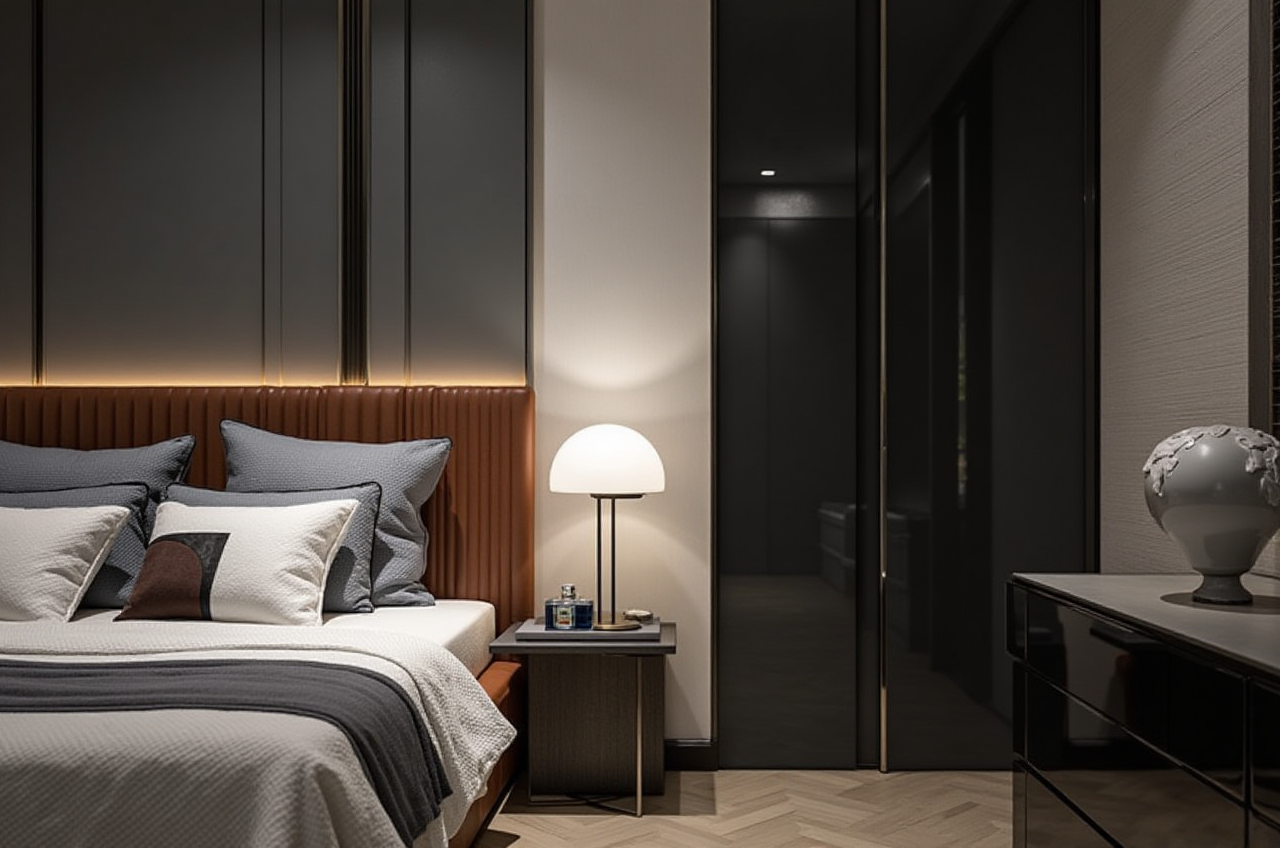
That is why sunvega deserves attention in 2026. It combines AI-driven 3D modeling, real-time spatial design, multilingual support, and design-to-manufacturing integration into one ecosystem. For brands that want to scale closet design across regions and channels, that combination is hard to ignore.