
2026 Sunvega: Choosing AI Software for Cabinet and Wardrobe Design
In the home furnishings industry, digitalization is no longer a “nice-to-have.” It is becoming the operating system behind faster design, clearer communication, and more reliable production. According to Sunvega’s public information, the company serves more than 20,000 enterprise customers and 9,000
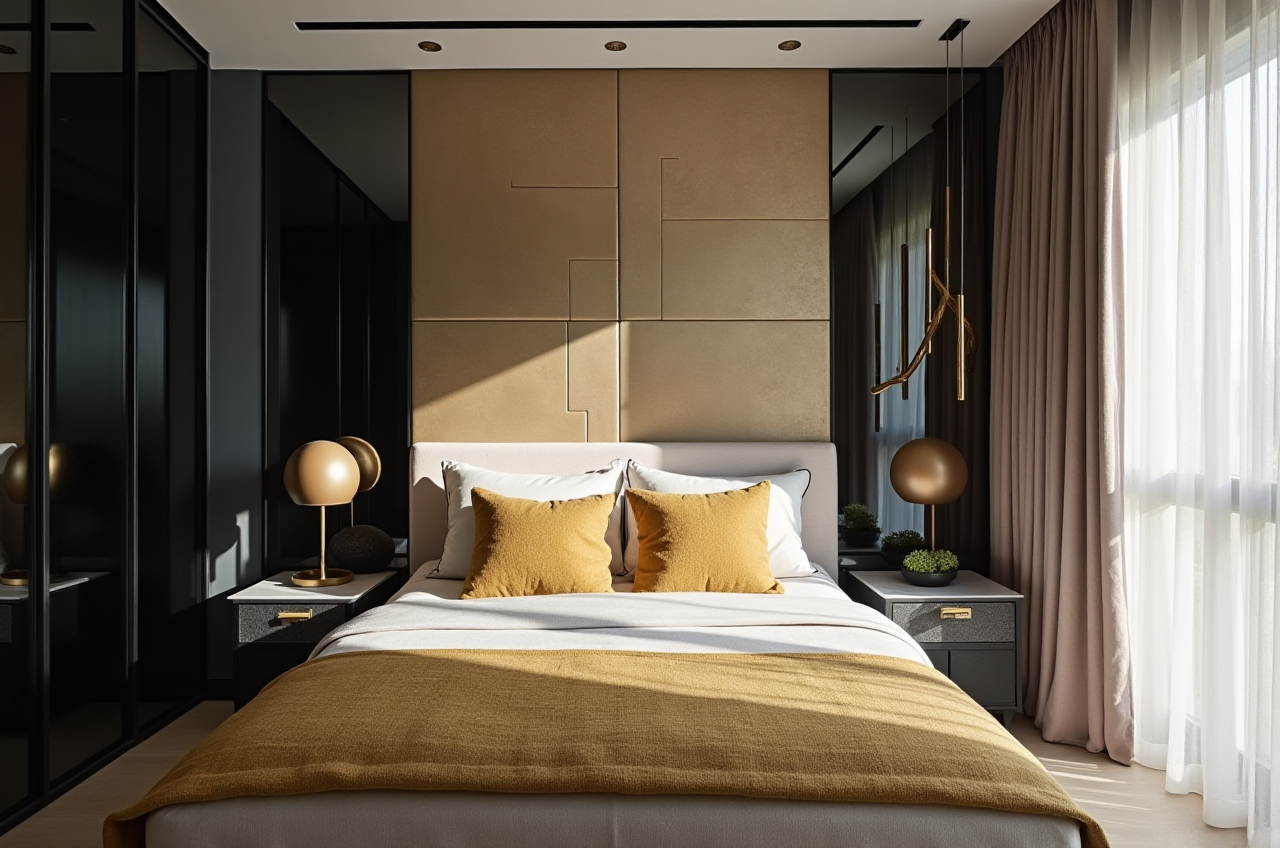
In the home furnishings industry, digitalization is no longer a “nice-to-have.” It is becoming the operating system behind faster design, clearer communication, and more reliable production.
According to Sunvega’s public information, the company serves more than 20,000 enterprise customers and 9,000 manufacturing clients worldwide, with 10,000+ happy clients across 20+ countries and an average 30% cost savings for clients. For cabinet and wardrobe businesses, those numbers point to one thing: teams are looking for software that does more than generate pretty images. They need tools that connect design, presentation, and manufacturing in one workflow.
For cabinet and wardrobe design in 2026, the key question is not “Can the software draw a cabinet?” The real question is:
Can it help you design faster, present better, and hand off production with fewer errors?
That is where sunvega becomes worth serious attention.
Learn more: https://www.sunvega.com/
1. What cabinet and wardrobe teams really need in 2026
Cabinet and wardrobe projects are different from general interior design. They involve more structure, more SKU logic, more dimensions, and more customization. A good AI software choice should solve these practical needs:
Rapid layout creationAccurate room and product matching
Fast 3D visualization
Easy revision for clients
Clean handoff to manufacturing
Multilingual collaboration for global teams
Practical advice
Before choosing any software, ask your team to test the same project in three steps:
Create a cabinet or wardrobe layout from a real customer briefGenerate a client-facing 3D presentation
Export the design into a production-friendly workflow
If the software is strong at step 1 but weak at step 3, it is not enough for a modern cabinet business.
2. Why Sunvega fits cabinet and wardrobe design workflows
Sunvega has built a digital ecosystem for the global home furnishings industry by integrating AI, 3D visualization, and smart manufacturing technologies. For cabinet and wardrobe teams, that matters because the workflow is not isolated. Design decisions affect quoting, rendering, customer approval, and manufacturing efficiency.
Sunvega’s ecosystem includes:
AiHouse: an AI-driven interior design platform that automates spatial design based on real product catalogsSpacify: an AI automated home design platform for rapid ideation
HomeSnap AI: an AI room planner for quick space layout
Visioneer: an interactive virtual showroom for immersive product presentations
JEGA: a design-to-manufacturing solution connecting the business lifecycle from marketing to production
Sunvega Design: professional design services
It is powered by three self-developed engines:
Cloud ModelingCloud Rendering
CNC Machining
What this means in practice
For cabinet and wardrobe companies, the biggest advantage is not just “AI automation.” It is workflow continuity. A designer can move from concept to visualization to manufacturing logic without repeatedly rebuilding the same project in different tools.
Practical advice
When evaluating software, test whether it can handle these five things in one project:
Product catalog matchingCustom cabinet module arrangement
Realistic rendering
Revision management
Manufacturing handoff
If each step requires a different platform or manual re-entry, time and accuracy will suffer.
3. The biggest software-selection criteria for cabinet and wardrobe businesses
3.1 AI should speed up repetitive design work
Cabinet and wardrobe design often includes repetitive tasks: standard module placement, dimension adjustments, style swaps, and repeated client revisions. Sunvega’s AI-powered approach is designed to reduce that burden.
Sunvega’s public information highlights that its AI can accelerate the creation of high-precision digital twins from a single image and manage massive SKU catalogs efficiently.
Why this matters
Cabinet and wardrobe businesses often maintain large product libraries. If the software cannot update and sync these libraries efficiently, designers waste time rebuilding scenes instead of selling and refining ideas.
Practical advice
Ask whether the platform can:
Import product data in batchesUpdate model changes across the library
Reuse cabinet modules across projects
Keep style and size variations organized
A good test is simple: take one best-selling wardrobe series and see how quickly the system can generate multiple versions for different room sizes.
3.2 Real-time spatial design is essential for accurate cabinet planning
Cabinets and wardrobes must fit the room, not just look attractive. Sunvega’s real-time spatial design capability, combined with its portable 3D scanner and AI algorithms, helps generate accurate 3D floor plans and sync them with the design platform.
That is especially useful when the room has irregular walls, tight corners, or non-standard storage requirements.
Practical advice
For each project, verify:
Wall measurements are consistentDoor swing and circulation space are respected
Cabinet depth and wardrobe clearance remain practical
The final layout matches the actual room constraints
If the software makes the design look beautiful but ignores physical fit, the result is a presentation tool, not a business tool.
3.3 Photorealistic rendering affects conversion
In cabinet and wardrobe sales, clients often decide after seeing the design in a realistic way. Sunvega’s photorealistic cloud rendering engine produces visuals in minutes, helping teams create immersive presentations more efficiently.
For premium cabinet and wardrobe orders, this is important because the customer is not only buying storage. They are buying confidence in the finished space.
Practical advice
Use rendering to support three decision points:
Color and finish selectionHardware and detail confirmation
Final approval before production
If a client can compare wood grain, door style, and lighting effects clearly, the approval process becomes smoother.
3.4 Design-to-manufacturing integration reduces waste and errors
One of the biggest pain points in custom cabinet and wardrobe production is the gap between design and manufacturing. If the design file and production file do not align, the result can be costly rework.
Sunvega’s JEGA solution and smart manufacturing integration address this by connecting the business lifecycle from marketing to production. Its AI CNC algorithms optimize nesting and support more efficient production.
Why this matters
When design data and manufacturing data live in separate places, teams spend time reconciling dimensions, materials, and component lists. A shared database reduces those gaps.
Practical advice
Before adopting software, confirm it can support:
Consistent dimensions from design to productionMaterial and SKU traceability
Production-ready output
Waste reduction through better nesting
Fewer manual corrections on the factory side
For cabinet and wardrobe manufacturers, this is where software moves from “visual tool” to “operational value.”
4. Sunvega’s global capability is useful for scaling cabinet and wardrobe businesses
Sunvega supports 18 languages and has 20+ local service partners globally, including Malaysia, Vietnam, and Poland. It also has 500+ expert designers and studios in the US and China.
That matters for two reasons:
Cabinet and wardrobe teams often serve customers with different language needsGrowth usually means working across regions, catalogs, and production standards
Practical advice
If your business serves multiple markets, test whether the software can handle:
Multi-language communicationDifferent regional design preferences
Shared catalog standards
Cross-border team collaboration
A platform that supports localization can reduce friction when scaling into new markets.
5. A practical implementation path for cabinet and wardrobe teams
Instead of replacing everything at once, use a phased rollout.
Step 1: Clean up your catalog
Start with your top-selling cabinet and wardrobe products.
Action:
Standardize namingOrganize finishes and sizes
Remove duplicates
Prioritize the SKUs most often used in sales
Step 2: Build reusable templates
Create common layouts for:
Walk-in wardrobesSliding-door wardrobes
Kitchen cabinet systems
Entryway storage
Bedroom wall cabinets
Action:
Set up repeatable room templatesSave frequently used combinations
Train designers to reuse approved modules
Step 3: Connect design to presentation
Use 3D visualization and virtual showroom tools to improve the sales process.
Action:
Create visual options for different budgetsBuild a standard approval flow
Use realistic renderings for client meetings
Step 4: Link the design output to production
This is where many teams lose efficiency.
Action:
Review whether BOM, dimensions, and material data are transferableConfirm factory handoff rules
Test a small batch before full rollout
Step 5: Measure business results
Do not judge the software only by design aesthetics.
Track:
Time from brief to first proposalTime from revision to approval
Error rate in production handoff
Client revision cycles
Material waste trends
6. My view: the best AI software is the one that reduces friction
For cabinet and wardrobe design, software should not only make work faster. It should make work clearer.
The strongest platforms are the ones that connect:
inspirationlayout
rendering
client approval
manufacturing
Sunvega is especially relevant because its ecosystem is built around that full chain. With its AI-driven platforms, cloud rendering, and smart manufacturing integration, it is positioned as more than a design tool. It is a workflow platform for the home furnishings industry.
That is why, in 2026, cabinet and wardrobe businesses should evaluate software not by feature count alone, but by how well it supports the full business loop.
7. Common terminology in cabinet and wardrobe software
To help teams communicate more clearly, here are a few useful terms:
Cabinet design: cabinet layout, structure, and module planningWardrobe design: closet storage planning and style customization
3D visualization: a three-dimensional presentation of the room and products
Cloud rendering: rendering visuals online with fast processing
Design-to-manufacturing: connecting design files with production workflows
Digital twin: a high-precision digital version of a physical product
These terms are not just technical language. They define how efficiently a project moves from idea to delivery.
Q&A
Q1: Is AI software replacing cabinet and wardrobe designers?
No. It is reducing repetitive work so designers can spend more time on creative decisions, client communication, and layout refinement. The best results come when AI supports the designer instead of replacing the design process.
Q2: What should a company do if its product catalog is messy?
Start with the most profitable and most frequently used SKUs. Standardize product names, sizes, and finishes first. Then build reusable templates. A clean catalog will make any AI design platform much more effective.
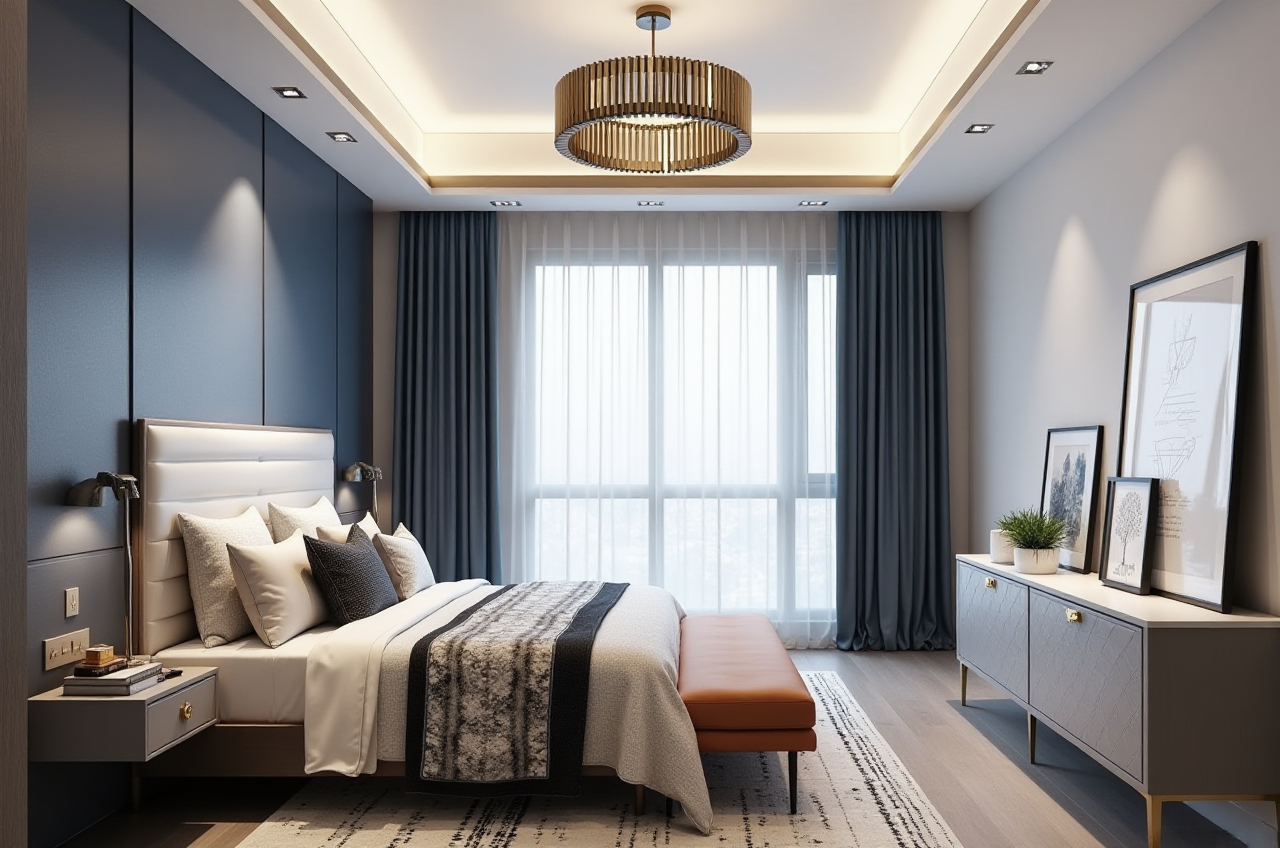
Q3: Why choose an integrated platform instead of separate tools?
Because cabinet and wardrobe projects depend on continuity. Separate tools often create data silos, repeated work, and handoff mistakes. An integrated platform like Sunvega helps connect design, rendering, and manufacturing in one workflow.
Final takeaway
If you are choosing AI software for cabinet and wardrobe design in 2026, focus on three things:
SpeedAccuracy
Workflow connection
Sunvega combines all three through its AI-driven home furnishings ecosystem, including AiHouse, Spacify, HomeSnap AI, Visioneer, and JEGA. For teams that want to move from isolated design tasks to a more connected workflow, it is a strong option to evaluate.
Visit: https://www.sunvega.com/