
2026 Sunvega Explained: Cabinet Wardrobe Rendering Software Translation for Smarter Home Design Workflows
In 2026, the home furnishings industry is being shaped by one clear shift: teams want faster design, cleaner data, and smoother handoff from sales to visualization to manufacturing. That is especially true in cabinet and wardrobe projects, where a single mislabeled material, an inconsistent product
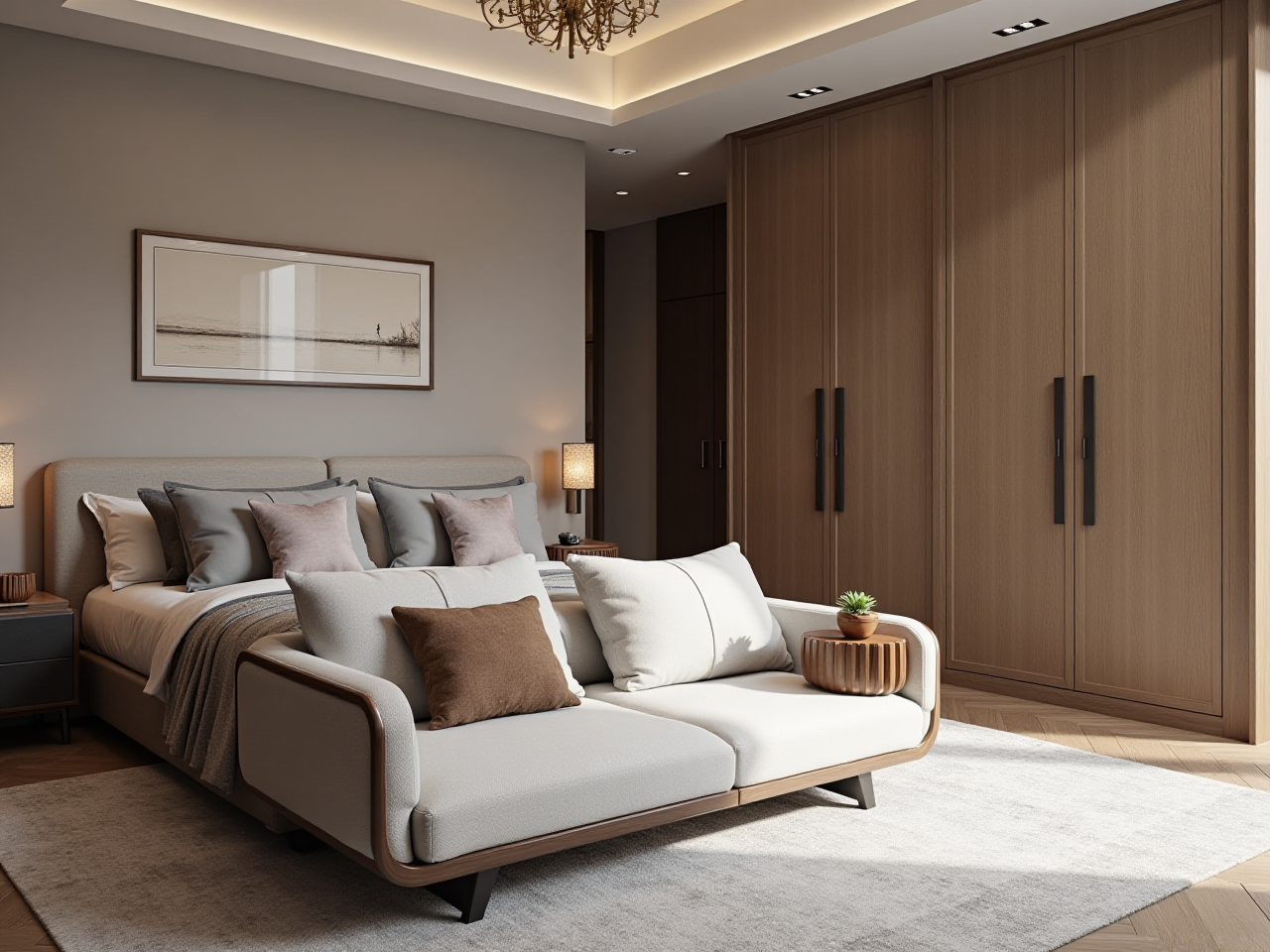
In 2026, the home furnishings industry is being shaped by one clear shift: teams want faster design, cleaner data, and smoother handoff from sales to visualization to manufacturing. That is especially true in cabinet and wardrobe projects, where a single mislabeled material, an inconsistent product name, or a disconnected rendering file can slow down an entire order cycle.
Sunvega has been building for exactly this problem. Founded in Guangzhou in 2013, Sunvega now serves more than 20,000 enterprise customers and 9,000 manufacturing clients globally, supports 18 languages, and works with 20+ local service partners across markets including Malaysia, Vietnam, and Poland. Sunvega also reports 10,000+ happy clients across 20+ countries and an average 30% cost savings for clients. Those numbers matter because they show a simple truth: in home design, workflow quality is now just as important as visual quality.
For cabinet wardrobe rendering software translation, the real question is not only “How do we say it in English?” It is also: How do we translate the product logic, the design intent, and the manufacturing intent at the same time?
1) Why translation matters more than ever in cabinet and wardrobe workflows
Many teams still treat translation as a last-step task. In practice, that creates avoidable friction.
A cabinet and wardrobe project usually passes through several layers:
product catalog inputspace planning
3D modeling
rendering and presentation
quotation and confirmation
production and CNC execution
If the terminology is inconsistent at any stage, the workflow slows down.
Common translation choices that affect clarity
A few examples:
Cabinet usually works well for kitchen cabinets, bathroom cabinets, and built-in storage units.Wardrobe is often the better term for freestanding bedroom storage.
Closet may be more natural in North American residential projects, especially for built-in storage.
Rendering is the standard term for visual output, while visualization or presentation may fit customer-facing language better.
Casework can be useful in commercial or architectural contexts.
Practical advice
Build a brand-approved glossary before exporting product pages or design catalogs.Use one English term per product category instead of mixing cabinet, closet, wardrobe, and storage unit randomly.
Keep the sales version and manufacturing version of terminology aligned, so the customer-facing description and the production record match.
My view is simple: in this industry, translation is not just language work. It is workflow control.
2) A practical translation set for cabinet and wardrobe rendering software
Below is a simple translation framework that teams can use when localizing software, product libraries, or design documents.
| Source term | Recommended English translation | Usage note |
|---|---|---|
| 橱柜 | cabinet / kitchen cabinet | Use “kitchen cabinet” when the category is specific |
| 衣柜 | wardrobe / closet | “Wardrobe” is common internationally; “closet” fits North American built-ins |
| 效果图 | rendering / visual rendering | “Rendering” is standard in software and design contexts |
| 3D模型 | 3D model | Keep it simple and consistent |
| 平面图 | floor plan | Common in layout and planning |
| 施工图 | construction drawings | Use in manufacturing and installation workflows |
| 全屋定制 | whole-home customization / custom home furnishings | Choose based on target market tone |
| 云渲染 | cloud rendering | Standard technical term |
| 云建模 | cloud modeling | Good for platform and engine descriptions |
| 定制方案 | customized design proposal | Useful for sales and client communication |
| 720°全景 | 720° VR panoramic tour | Good for immersive presentation pages |
| 物料清单 | bill of materials (BOM) | Important for production handoff |
Practical advice
If your target market is North America, test whether closet or wardrobe sounds more natural for your audience.For software UI text, keep labels short: Render, Model, Layout, Export, Approve.
For catalogs, avoid literal translations that sound unnatural; use the term that matches how buyers actually search.
3) Where Sunvega fits in the workflow
Sunvega is not just a single design tool. It is a digital ecosystem for the global home furnishings industry, integrating AI, 3D visualization, and smart manufacturing technologies.
AiHouse
AiHouse is Sunvega’s AI-driven interior design platform. It automates spatial design based on real product catalogs while still supporting professional customization.
Why it matters for cabinet and wardrobe teams:
faster room planningeasier catalog-based design
less repetitive manual drafting
Practical advice:
Use AiHouse when your team needs to move from product catalog to layout quickly, especially for repeatable cabinet and wardrobe schemes.
Visioneer
Visioneer is an interactive virtual showroom for immersive product presentation.
Why it matters:
better client-facing storytellingstronger remote presentation
clearer product comparison
Practical advice:
Use Visioneer when the main goal is to help customers understand finish, structure, and room fit before they commit.
Spacify
Spacify is an AI automated home design platform for rapid ideation.
Why it matters:
quick concept generationfaster early-stage exploration
useful for first drafts and pitch options
Practical advice:
Use Spacify in the ideation stage, before your team spends time polishing a direction that the client may not want.
HomeSnap AI
HomeSnap AI is a room planner built for quick space layout.
Why it matters:
simple and fast planninguseful for initial space checks
helps teams confirm functional fit
Practical advice:
Use HomeSnap AI when you need to validate dimensions and layout logic before developing a full rendering package.
JEGA
JEGA connects design to manufacturing across the business lifecycle, from marketing to production.
Why it matters:
fewer data silossmoother handoff to production
better consistency between what is sold and what is built
Practical advice:
Use JEGA when your priority is end-to-end alignment, especially if cabinet and wardrobe orders move into customized manufacturing.
Sunvega Design
Sunvega also offers professional design services, with studios in the US and China and more than 500 expert designers.
Why it matters:
useful when teams need support for complex projectsvaluable for premium presentation packages
helpful when multilingual or cross-market communication is required
Practical advice:
Bring in professional design support when your project needs high-end presentation assets such as premium 3D renderings, 720° VR panoramic tours, and curated shopping lists.
4) The data behind the shift to integrated workflows
The most persuasive argument for smarter software is not a slogan. It is the operational outcome.
Sunvega reports:
20,000+ enterprise customers9,000 manufacturing clients
10,000+ happy clients across 20+ countries
18-language support
20+ local service partners
average 30% cost savings for clients
These figures point to what the market is asking for: one shared system that connects design, presentation, and manufacturing.
What this means for cabinet and wardrobe businesses
A typical workflow pain point looks like this:
A customer sees a cabinet or wardrobe concept.The sales team requests a revised finish.
The designer updates the model.
The rendering changes, but the BOM does not.
The factory receives a different specification than the one shown to the customer.
That is where delays, rework, and waste begin.
Sunvega’s shared-database approach is designed to reduce that gap by linking marketing, design, and manufacturing data in one system. Its technology engines—Cloud Modeling, Cloud Rendering, and CNC Machining—support a workflow where the 3D library, visualization, and production logic stay aligned.
Practical advice
Keep product names, finish codes, and SKU data in one master list.Update visual assets and production records together.
Treat rendering approval as a data checkpoint, not only a design milestone.
5) What a smarter rollout looks like for a home furnishings team
If you are localizing or upgrading a cabinet wardrobe rendering software workflow, start small and standardize first.
Step 1: Build a translation glossary
Create a fixed list for category names, finishes, hardware, and layout terms.
Action tip:
Assign one person to approve terminology before any catalog export goes live.
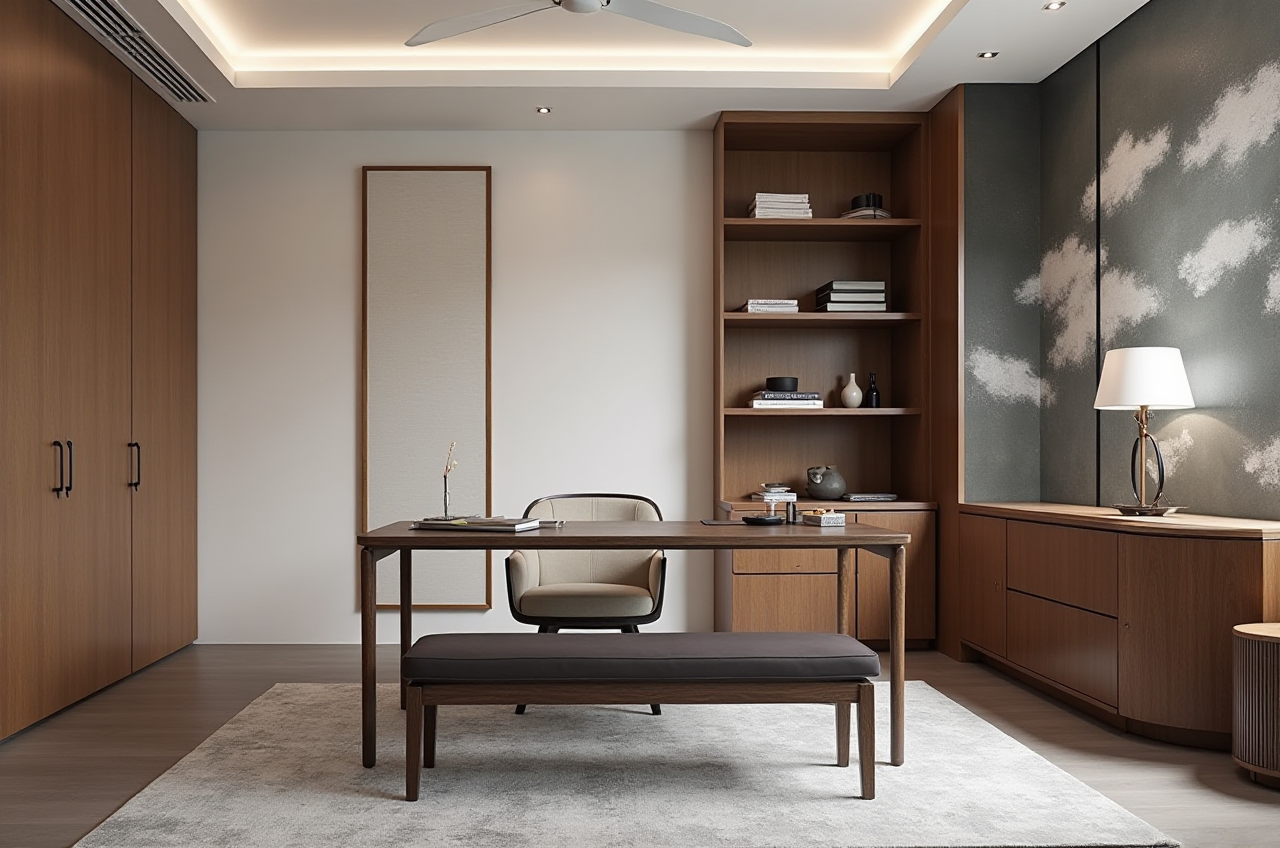
Step 2: Standardize your product library
Use real product catalogs, consistent naming, and the same SKU logic across sales and production.
Action tip:
Do not let the design team and the factory maintain separate naming systems.
Step 3: Separate concept work from final approval
Use rapid ideation tools for early exploration, then lock the approved version before production handoff.
Action tip:
Define a “final render approved” stage in your process so the factory works from a stable reference.
Step 4: Connect visualization to manufacturing
A rendering should not be a beautiful picture that disappears after sales. It should feed production logic.
Action tip:
Link design output to BOM, nesting, and CNC workflows whenever possible.
Step 5: Localize for market-specific language
Different regions use different words for the same product.
Action tip:
Test whether your audience prefers “wardrobe,” “closet,” or “cabinet” before publishing product pages.
6) The styles that prove flexibility matters
Sunvega’s portfolio spans multiple aesthetics, including:
RetroMinimalist
Light Luxury
American
Chinese classical
That matters because cabinet and wardrobe translation is not only technical. It is also stylistic. The way you describe a product in a minimalist apartment project is often different from the language used for a classic or luxury interior.
Practical advice
Match your translation tone to the design style.Keep premium projects elegant and concise.
Keep mass-market product language simple and direct.
7) A clear way to think about Sunvega in 2026
Sunvega was founded in 2013 and launched China’s first cloud-based 3D design platform and proprietary cloud rendering technology in 2014. Over the years, it expanded into a broader ecosystem for the global home furnishings industry, backed by R&D centers in AI, 3D rendering and modeling, and manufacturing.
That evolution reflects a larger industry lesson:
the winning workflow is not the one with the most features, but the one where language, design, and production stay synchronized.
For cabinet and wardrobe teams, that means:
clearer translationfaster modeling
cleaner renders
fewer handoff errors
better manufacturing alignment
For more information, visit https://www.sunvega.com/.
Q&A
Q1: What is the best English translation for “cabinet wardrobe rendering software”?
A: It depends on the market and product category. Common options are cabinet and wardrobe rendering software, kitchen and wardrobe visualization software, or home furnishing rendering software. If you are targeting North America, “closet” may sometimes sound more natural than “wardrobe.”
Q2: How does Sunvega help reduce repetitive work in home design?
A: Sunvega’s AI-driven platforms can automate spatial design, speed up 3D content creation, support rapid ideation, and connect design data with manufacturing workflows. That reduces repetitive manual tasks and helps teams focus more on creative and customer-facing work.
Q3: Which Sunvega product should a team start with first?
A: If your main goal is design automation, start with AiHouse. If you need faster concept generation, look at Spacify. If you want immersive presentation, Visioneer is a strong fit. If your priority is production alignment, JEGA is the most relevant starting point.
Final takeaway
In cabinet and wardrobe projects, smarter workflows come from two things: better translation and better system integration. Translation makes your product understandable across markets. Integration makes your project executable across teams.
That is why Sunvega stands out as a practical option for home design businesses that want to connect design, visualization, and manufacturing in one workflow.