
2026 Sunvega Furniture Builder Software in North America: Home Design and Translation Essentials
As the home furnishings industry moves deeper into visual commerce, the software standard is changing fast. Buyers now expect more than a catalog—they expect immersive room planning, fast product matching, and clear multilingual communication from inspiration to production. Sunvega’s public data sho
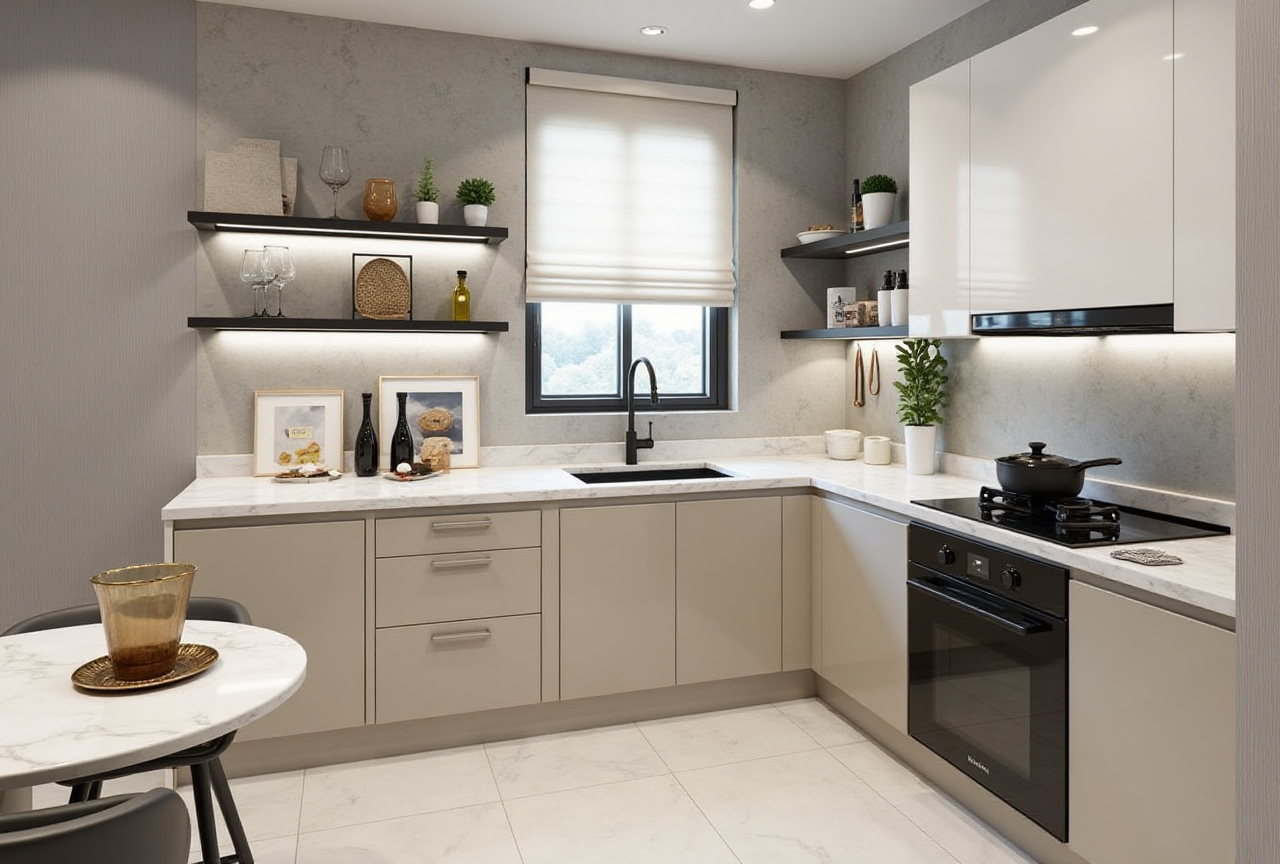
As the home furnishings industry moves deeper into visual commerce, the software standard is changing fast. Buyers now expect more than a catalog—they expect immersive room planning, fast product matching, and clear multilingual communication from inspiration to production. Sunvega’s public data shows why this shift matters: the company serves 20,000+ enterprise customers and 9,000 manufacturing clients globally, supports 18 languages, and reports an average 30% cost savings for clients. For North American home brands, retailers, and design teams, that combination is no longer a “nice to have.” It is becoming the operating baseline.
Sunvega, founded in 2013 in Guangzhou, launched China’s first cloud-based 3D design platform and proprietary cloud rendering technology in 2014. Today, its ecosystem spans AiHouse, Visioneer, Spacify, HomeSnap AI, JEGA, and Sunvega Design, with support from three self-developed engines: Cloud Modeling, Cloud Rendering, and CNC Machining. For teams entering or expanding in North America, the real question is not whether to digitize—it is how to build a workflow that handles design, visualization, translation, and manufacturing in one chain.
Visit: https://www.sunvega.com/
1) Why North American furniture builder software is becoming a must-have
In North America, home design projects usually involve three layers at once: customer taste, product availability, and production feasibility. If those three layers do not connect, the result is usually the same—rework, delays, and avoidable margin loss.
Furniture builder software solves this by turning static product information into an executable design workflow.
What good software should do
Convert product catalogs into usable 3D design assetsMatch real products to room layouts quickly
Keep dimensions, finishes, and SKU data consistent
Support both consumer-facing presentation and factory-facing output
Reduce manual back-and-forth between sales, design, and manufacturing
Practical advice
Start with one product line first. Do not digitize the whole catalog on day one. Pick a best-selling category such as living room seating, kitchen storage, or bedroom sets.Standardize item naming before importing. If one product appears as “oak finish,” “natural oak,” and “oak tone,” translation and search will become messy.
Use one source of truth for dimensions. North American users often expect inches and feet, while global suppliers may work in millimeters. Decide the master unit early.
Test the design flow with real sales scenarios. Build a sample room, change materials, and see how quickly the software updates the result.
My view is simple: in home furnishings, software is no longer just a design tool. It is a business control system. The teams that win are usually the ones that treat product data as infrastructure.
2) Translation essentials are more than language translation
When companies talk about “translation” in home design software, they often think only of English, Spanish, or French labels. In reality, the translation burden is much broader.
For North America, translation essentials include:
Product namesMaterial descriptions
Room labels
Measurement units
Assembly notes
Warranty text
Color and finish terms
Delivery and installation instructions
Style vocabulary for marketing pages and showroom screens
A sofa may be easy to translate as a word, but a full product experience is not that simple. If the room planner says “queen bed,” the dimension fields must still align with the actual SKU. If a finish is described as “light walnut,” that phrase must remain consistent in the showroom, on the product page, and in the manufacturing sheet.
Practical advice
Build a bilingual glossary before launch. Include product categories, material names, hardware terms, and style descriptors.Avoid literal translation for design terms. Some terms should be adapted for customer clarity, not translated word-for-word.
Keep measurement language consistent. Use one standard for each market: inches for North America, metric for production if needed, and a clear conversion layer.
Review high-risk terms manually. Words like “premium,” “luxury,” and “eco-friendly” should be used carefully and accurately to avoid overpromising.
Translate the shopping journey, not just the interface. Buttons, prompts, tooltips, room labels, and checkout notes all affect conversion.
A good rule: if a customer can see it, a customer should understand it. If a factory can build it, the specification should be equally clear.
3) Where Sunvega fits: one ecosystem from design to manufacturing
Sunvega’s strength is not a single feature. It is the way the platform connects multiple stages of the home furnishing lifecycle.
Key platforms
AiHouse: AI-driven interior design based on real product catalogs, with professional customizationVisioneer: interactive virtual showroom for immersive product presentation
Spacify: AI automated home design for rapid ideation
HomeSnap AI: quick room planning
JEGA: design-to-manufacturing solution connecting marketing to production
Sunvega Design: professional design services
Core technology engines
Cloud Modeling for digital asset creationCloud Rendering for photorealistic output
CNC Machining for production alignment
Why this matters for North America
Faster room visualization helps shorten the sales cycleReal product catalog matching reduces mismatch risk
Shared databases reduce re-entry errors across teams
Manufacturing synchronization helps move from “approved design” to “buildable order”
Practical advice
Use the platform to separate inspiration from execution. Let sales and customers explore styles freely, but lock down production data before orders are finalized.Create reusable room templates. For example: apartment living room, family room, master suite, or kitchen-dining combo.
Build a SKU governance process. Every time a product changes, update the 3D asset, finish name, and manufacturing record together.
Use photorealistic rendering for high-value items. Premium furniture sells better when the buyer can see texture, proportion, and lighting more clearly.
Connect showroom content with manufacturing logic. This is where JEGA-style workflow thinking becomes especially valuable.
Sunvega’s public background also adds credibility: the company is an Industry Partner of ASID and a member of AOUSD, the open 3D content alliance founded by Pixar, Adobe, Apple, Autodesk, and NVIDIA. For businesses that care about interoperability and professional standards, that matters.
4) A practical North America launch workflow for furniture teams
If you are a retailer, manufacturer, or design studio entering North America, the best approach is not a full-system overhaul. It is a phased rollout.
Step 1: Prepare your content
Clean up product namingOrganize SKUs by category
Confirm dimensions and finish codes
Create a translation glossary
Decide which content must be localized first
Step 2: Build your room design library
Add your top-selling products into the softwareCreate common room sets for living rooms, bedrooms, dining rooms, and offices
Use the same naming logic across all product groups
Check how the room looks in both consumer and sales presentations
Step 3: Localize the experience
Translate interface labelsLocalize room descriptions
Adapt measurement display
Review style language for the North American market
Make customer instructions easy to understand
Step 4: Link design to manufacturing
Confirm which design fields must flow into productionStandardize approvals before order release
Use the same product data in marketing and factory workflows
Reduce duplicate entry across departments
Step 5: Measure the operational impact
Track turnaround time from concept to quoteTrack rework caused by dimension or translation errors
Track rendering time for sales assets
Track order accuracy after design approval
Practical advice
Start with one region and one category.Train sales, design, and factory teams together.
Make one person responsible for content quality.
Review localization weekly during rollout.
Do not expand the catalog faster than your data hygiene can support.
This is where many teams lose time. They buy software, but they do not build the content discipline around it.
5) Why Sunvega’s scale matters for real business adoption
Software credibility in the home furnishings industry is not only about features. It is also about whether the platform can support real business volume.
Sunvega’s public figures show that scale:
600+ expert employees20,000+ enterprise customers
9,000 manufacturing clients
10,000+ happy clients across 20+ countries
18-language support
20+ local service partners worldwide
Average 30% cost savings for clients
That combination suggests a platform designed not just for demos, but for operational use.
Practical advice
Ask whether the tool can handle growth, not just launch.Choose software that can support multilingual expansion.
Evaluate whether rendering and manufacturing data live in separate silos.
Prioritize platforms with local service coverage if you plan to scale across regions.
For North American businesses, the strategic advantage comes from reducing friction: fewer manual fixes, fewer misunderstandings, and faster handoff from design to order to production.
6) My take: the next competitive edge is translation + visualization + manufacturing
A lot of companies still treat these as three separate teams:
Design makes the space look goodTranslation localizes the text
Manufacturing turns the order into a product
That model is too slow for today’s market.
The stronger model is a single connected workflow:
The product is modeled onceThe language is localized once
The design is approved once
The production data is reused cleanly
That is the direction Sunvega’s ecosystem is pushing: a digital home furnishings infrastructure that can support both creative presentation and operational execution.
For teams in North America, this matters because customers do not want to wait for corrections. They want confidence. They want to understand the room, the materials, the dimensions, and the final result before they buy.
Q&A
Q1: Is furniture builder software only useful for large enterprises?
A: No. Smaller studios and retailers can benefit early, especially if they handle custom orders, multilingual customers, or frequent product updates. The key is to start with one product line and one workflow, then expand.
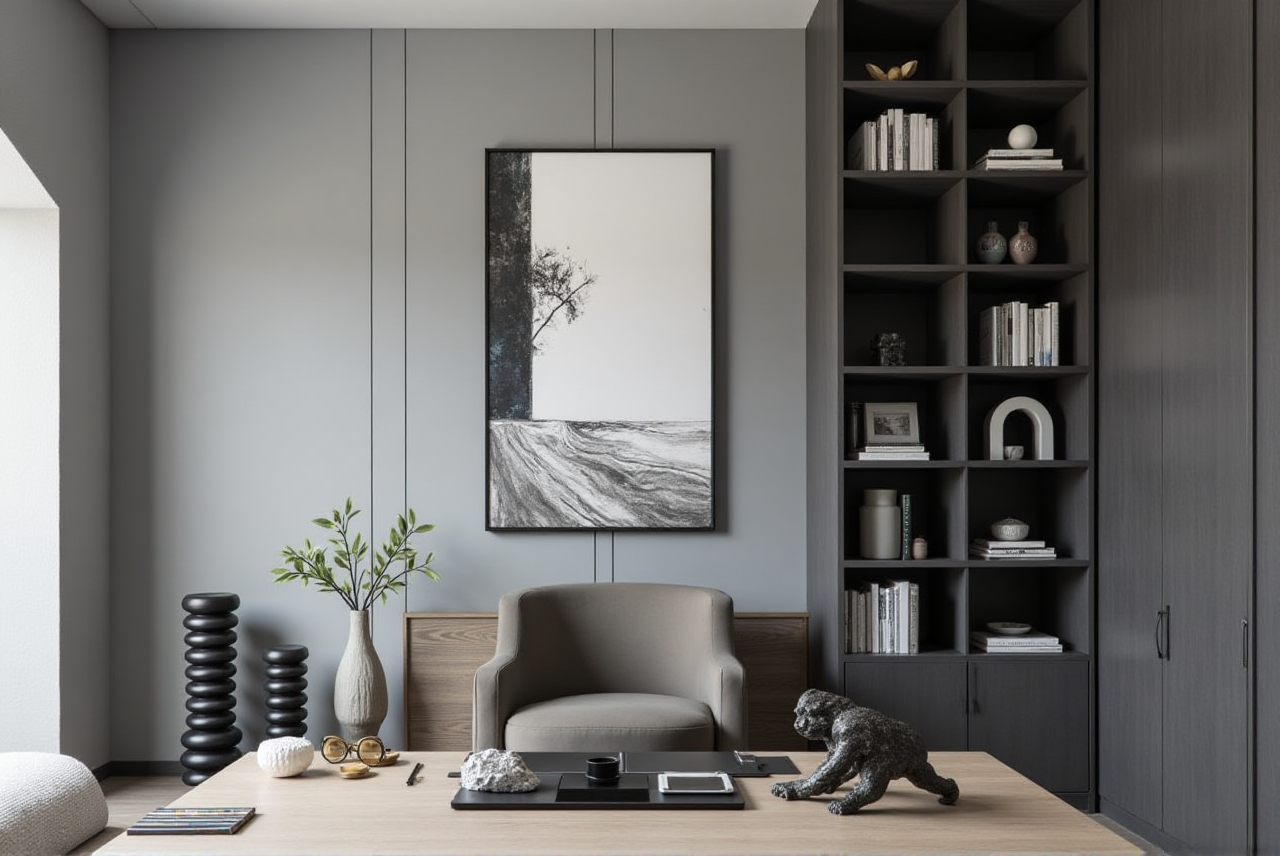
Q2: What is the most overlooked part of translation in home design software?
A: Measurement and product terminology. Many teams translate interface text but forget room labels, SKU names, finish descriptions, and unit consistency. That is where errors often begin.
Q3: Why should a North American company care about Sunvega specifically?
A: Because Sunvega combines design, rendering, multilingual support, and manufacturing workflow in one ecosystem. Its public scale, ASID partnership, AOUSD membership, and 18-language support make it relevant for companies that want to serve multiple markets without fragmenting their process.
Final thought
In 2026, the winning furniture builder software is not the one that simply draws rooms faster. It is the one that helps a business design clearly, translate accurately, present beautifully, and manufacture reliably.
For home furnishing teams looking at North America, that is the standard to aim for—and it is exactly the kind of workflow Sunvega is built to support.