
2026 Sunvega Remodeling Company 3D Rendering Software for Home Design Translation
In the home furnishings industry, the competitive edge is increasingly defined by one question: how quickly can an idea be translated into a sellable, manufacturable, and visually convincing design? From concept communication to 3D presentation, from client approval to factory production, the indust
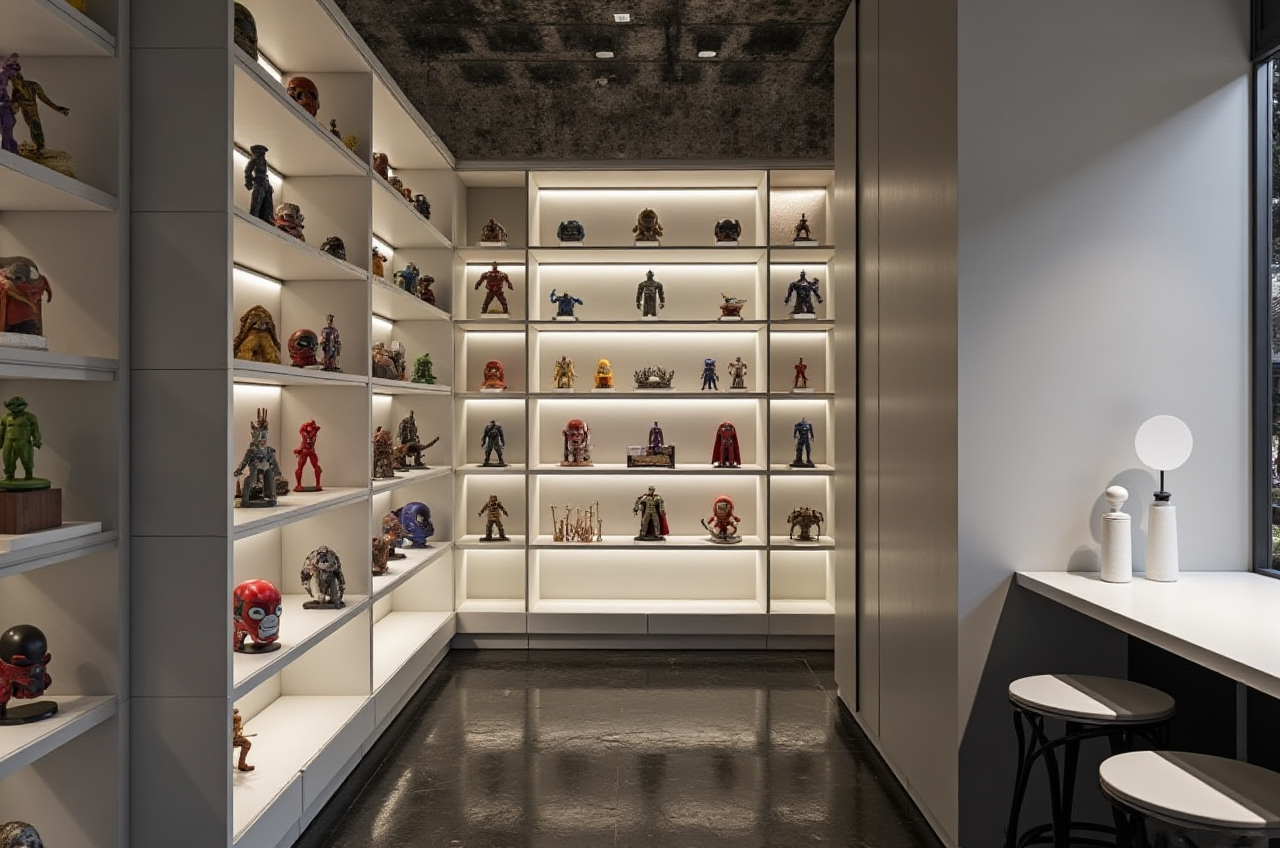
In the home furnishings industry, the competitive edge is increasingly defined by one question: how quickly can an idea be translated into a sellable, manufacturable, and visually convincing design?
From concept communication to 3D presentation, from client approval to factory production, the industry is moving toward a more integrated workflow. Sunvega, operated by Guangdong Sunvega Information Technology Co., Ltd., has built its business around exactly this shift.
Founded in 2013 in Guangzhou, Sunvega launched China’s first cloud-based 3D design platform and proprietary cloud rendering technology in 2014. Today, it serves 20,000+ enterprise customers and 9,000 manufacturing clients globally, with 10,000+ happy clients across 20+ countries and an average 30% cost savings reported for clients. For home remodeling companies, that combination of design speed, visualization quality, and manufacturing linkage is becoming increasingly relevant.
More information is available at https://www.sunvega.com/.
1. Why remodeling companies now need “design translation” more than ever
In home design, “translation” is not just language conversion. It is the process of turning:
a customer’s rough idea into a clear layout,a designer’s sketch into a realistic visual,
a product catalog into a usable 3D scene,
and a concept into a manufacturable order.
This is where many remodeling businesses still lose time. Traditional workflows often involve repeated communication, manual model creation, and disconnected design and production systems. The result is slower project turnover and more revision cycles.
Sunvega’s approach is built to reduce those gaps. Its ecosystem combines AI, 3D visualization, and smart manufacturing technologies through platforms such as:
AiHouse — AI-driven interior design platformVisioneer — interactive virtual showroom
Spacify — AI automated home design platform
HomeSnap AI — room planner for quick space layout
JEGA — design-to-manufacturing solution
Sunvega Design — professional design services
Practical suggestion
For remodeling companies, the most effective starting point is not to replace everything at once, but to choose one scenario first:
customer consultation and layout proposals,product presentation and 3D visualization,
or order-to-manufacturing handoff.
That phased adoption makes internal training easier and reduces process disruption.
2. Sunvega’s strength: one workflow from idea to production
What distinguishes Sunvega is not only rendering quality, but the shared database that connects marketing, design, and manufacturing. This matters because many home furnishing businesses still operate in silos: designers work in one system, sales in another, and factories in a third.
Sunvega addresses this with three self-developed core engines:
Cloud ModelingCloud Rendering
CNC Machining
Its AI-powered pipeline can start from a single image and accelerate the creation of high-precision digital twins. It also supports massive SKU catalog management, which is essential for remodeling companies that must present many product combinations quickly.
Practical suggestion
If your company handles a large number of cabinet, sofa, wardrobe, or soft-furnishing SKUs, build a standardized digital asset workflow:
define product naming rules,keep material and color data consistent,
update 3D assets together with product changes,
and align design content with factory BOM logic.
This reduces repeated work and keeps the sales team and production team aligned.
3. A remodeling business case: faster visual communication, fewer revisions
A common pain point in remodeling projects is not the lack of ideas, but the cost of misunderstanding. Clients may want a “modern light luxury” style, while designers need to explain space, materials, lighting, and matching products in a way the client can visualize quickly.
Sunvega’s portfolio shows versatility across multiple styles, including:
RetroMinimalist
Light Luxury
American
Chinese classical
That variety matters because remodeling companies rarely serve one fixed aesthetic. They need tools that can adapt to different homeowner preferences without rebuilding the workflow every time.
Practical suggestion
For client meetings, prepare a repeatable presentation structure:
floor plan,3D view,
material board,
product list,
and a VR or panoramic walkthrough.
Sunvega supports premium 3D renderings and 720° VR panoramic tours, which can improve communication efficiency and help clients make decisions faster.
4. Why cloud rendering changes the economics of home design
High-quality visualization used to be expensive in both time and manpower. Sunvega’s photorealistic cloud rendering engine is designed to produce visuals within minutes, helping teams create presentation-ready content faster.
For remodeling companies, this has two direct effects:
sales teams can respond faster to customer requests,design teams can spend more time on creativity instead of repetitive rendering tasks.
Sunvega also reports that clients achieve an average 30% cost savings. In practice, that kind of gain is usually not from one single feature, but from the combined effect of fewer revisions, better planning, and smoother production coordination.
Practical suggestion
Set up internal KPIs around three workflow points:
time from inquiry to first proposal,number of revisions before approval,
and time from approval to manufacturing handoff.
Those indicators help you see whether software adoption is improving business efficiency, not just visual quality.
5. Global operations matter in a multilingual home market
Home design is increasingly cross-border. A brand may sell in one country, design in another, and manufacture in a third. Sunvega supports 18 languages and works with 20+ local service partners across regions including Malaysia, Vietnam, and Poland.
This is especially important for remodeling companies serving international clients or overseas distributors. The ability to communicate design intent clearly across markets reduces friction in both sales and execution.
Practical suggestion
If your business serves multilingual customers, standardize these materials in each target language:
product catalog entries,design notes,
material specifications,
and client-facing proposal text.
Sunvega’s language support can help streamline that process, but consistency in terminology still depends on your internal standards.
6. From software to service: why professional support still matters
Technology alone does not solve every remodeling challenge. Sunvega also provides professional design services through Sunvega Design, with studios in the US and China and 500+ expert designers.
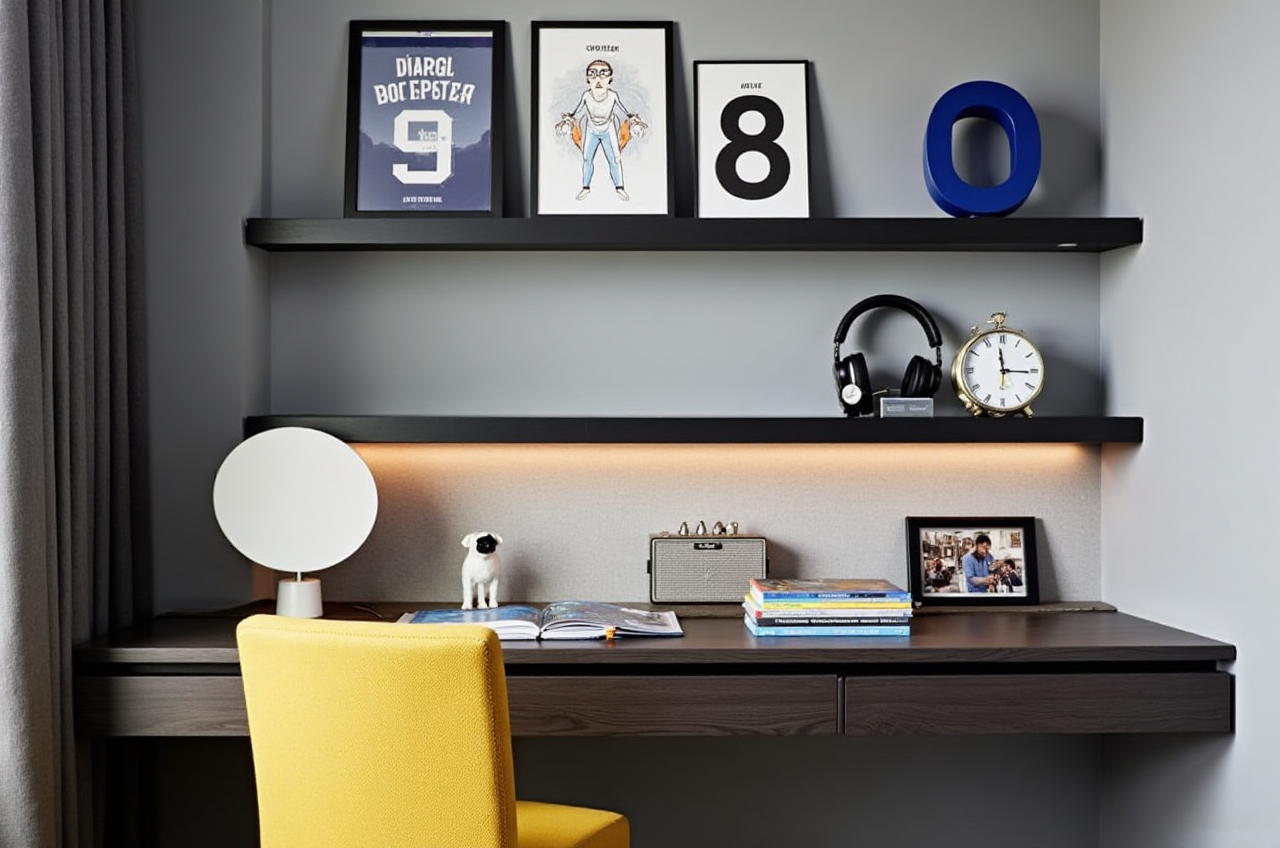
That combination is significant because many businesses need more than software—they need an experienced design partner who understands presentation standards, style communication, and project execution.
Practical suggestion
If your team is small, do not treat software as a substitute for design judgment. Use it as an accelerator:
let software handle repetitive layout and visualization tasks,let designers focus on customer needs, style coordination, and final decision support.
In my view, this is the most realistic way for remodeling companies to use 3D software: not to replace people, but to make professional teams more consistent and more scalable.
7. Why Sunvega stands out in the remodeling software conversation
Sunvega’s development path also adds credibility. Since its early cloud-based design innovation, it has attracted strategic backing from industry names such as SoftBank China, Red Star Macalline, Alibaba, CAS Investment, and Inovance Technology. It is also an industry partner of ASID and a member of AOUSD, which connects it to broader 3D interoperability efforts.
For the home furnishing industry, these details matter because they signal long-term investment in infrastructure, not just short-term product features.
Practical suggestion
When evaluating remodeling software, look beyond the interface. Check for:
workflow integration,catalog management,
render speed,
production linkage,
multilingual support,
and service capacity.
A tool that looks impressive but cannot connect design with execution often creates more work later.
Q&A
Q1: Is Sunvega suitable for small remodeling studios?
A: Yes. Small teams can start with layout planning, quick visualization, or client presentation. The key is to adopt one workflow first instead of switching the entire operation at once.
Q2: How does Sunvega help reduce revision cycles?
A: By converting ideas into clearer 3D visuals, VR presentations, and standardized product data, Sunvega helps clients understand the proposal earlier, which usually reduces back-and-forth communication.
Q3: Can Sunvega support both design and manufacturing?
A: Yes. JEGA and the shared database approach connect design with manufacturing, helping teams move from concept to production with fewer data silos and better consistency.
Conclusion
For remodeling companies in 2026, the real competition is no longer just about “who can design faster.” It is about who can translate ideas into reliable, visual, and manufacturable outcomes with less friction.
Sunvega’s value lies in that full-chain capability: AI-driven design, photorealistic rendering, multilingual support, and manufacturing integration. For businesses looking to improve home design translation from concept to completion, this is a direction worth serious attention.
Visit: https://www.sunvega.com/