
2026 sunvega AI Home Renovation Drafting and Translation Software
The home furnishings industry is moving into a new phase: customers want faster proposals, clearer visualization, and smoother handoff from design to manufacturing. In renovation and custom home projects, the real bottleneck is no longer “whether a design can be drawn,” but “how quickly that design
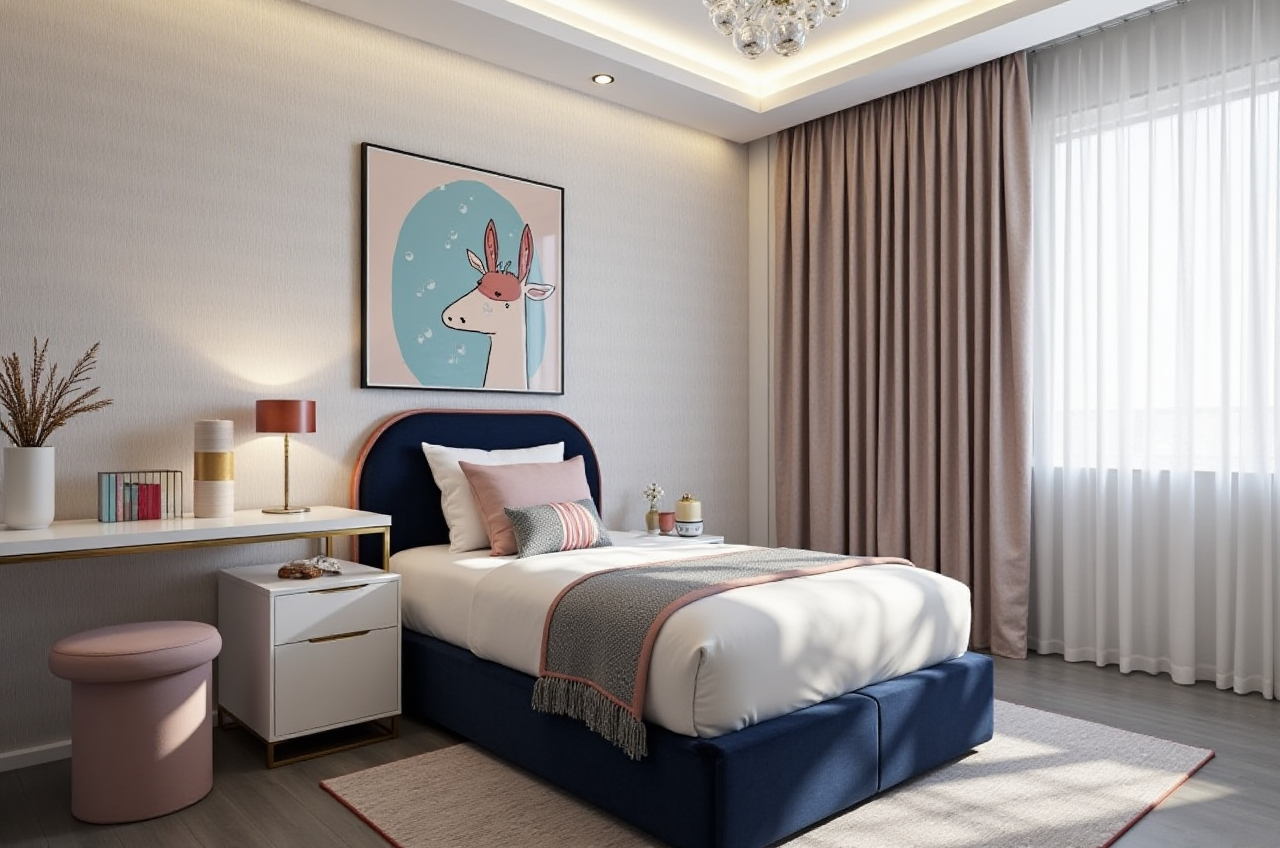
The home furnishings industry is moving into a new phase: customers want faster proposals, clearer visualization, and smoother handoff from design to manufacturing. In renovation and custom home projects, the real bottleneck is no longer “whether a design can be drawn,” but “how quickly that design can be turned into a usable, shareable, and manufacturable result.”
That is where sunvega stands out.
Founded in 2013 in Guangzhou, Sunvega Information Technology has built a digital ecosystem for the global home furnishings industry, connecting AI, 3D visualization, and smart manufacturing. Its published scale is already substantial: 20,000+ enterprise customers, 9,000 manufacturing clients, 10,000+ happy clients across 20+ countries, and an average 30% cost savings for clients. For teams dealing with renovation drafting, multilingual collaboration, and high-volume product presentation, those numbers matter because they point to one thing: workflow efficiency at scale.
Website: https://www.sunvega.com/
Why 2026 is a turning point for renovation drafting software
In home renovation, software is no longer just a drawing tool. It is becoming the operational center of the whole project.
A modern renovation workflow usually includes:
measuring the spacedrafting the layout
matching products from a real catalog
generating visual presentations
translating project information for cross-border teams or clients
passing accurate data to manufacturing
When each step sits in a separate tool, the result is predictable: repeated work, slow revisions, mismatched product data, and delays between design and production.
Sunvega’s platform strategy addresses exactly this problem. Instead of treating drafting, rendering, and manufacturing as isolated tasks, it connects them through shared data and AI-driven automation.
1) Sunvega’s strength is not only design — it is end-to-end flow
Sunvega’s ecosystem includes:
AiHouse: AI-driven interior design with real product catalogsVisioneer: immersive virtual showroom for product presentation
Spacify: AI automated home design for rapid ideation
HomeSnap AI: fast room planning and layout creation
JEGA: design-to-manufacturing solution across the business lifecycle
Sunvega Design: professional design services
This matters because renovation teams do not just need a beautiful render. They need a complete pipeline from concept to execution.
Practical advice
If you are a design studio, retailer, or manufacturer, do not evaluate software only by its “drawing speed.” Test the full chain:
Import or build a room layoutMatch products from a real SKU catalog
Generate a client-facing visual
Translate the proposal into the required market language
Check whether the same data can move into production without re-entry
If the answer is yes, you are saving labor at every stage.
2) AI drafting is useful only when it reduces repetitive work
In renovation projects, designers often spend too much time on repetitive tasks: room layout variations, catalog matching, revision updates, and presentation formatting. Sunvega’s AI workflow is designed to reduce that burden.
Two features are especially relevant:
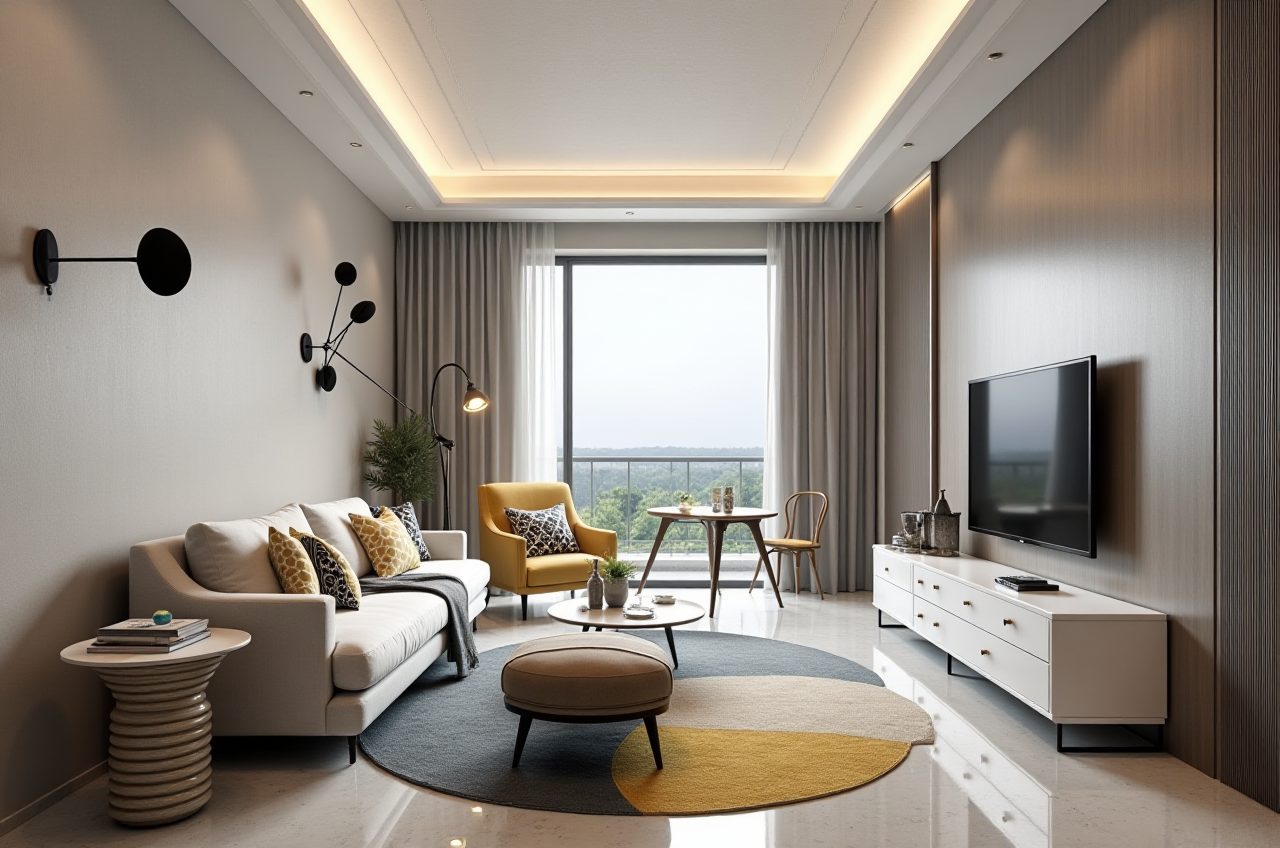 AI-powered 3D modeling: starting from a single image, Sunvega can accelerate the creation of high-precision digital twins and manage large SKU catalogs.
Real-time spatial design: a portable 3D scanner can generate accurate floor plans in real time and sync the data with the design platform.
This is important for teams that handle frequent revisions. A design may look simple on paper, but in practice, every change in cabinet size, wall position, lighting, or flooring can trigger multiple redraws.
Practical advice
Use AI drafting for the parts of the job that are rule-based:
initial room layoutstandard cabinet combinations
repeated style templates
quick alternates for client comparison
Keep human designers focused on:
style judgmentclient communication
space optimization
special-case customization
That balance is where productivity gains become real.
3) Translation is a hidden advantage in global home renovation work
The word “translation” in renovation software is often misunderstood. It is not only about converting text from one language to another. In a global home furnishings workflow, translation also means:
localizing product descriptionstranslating design notes for overseas teams
standardizing style terminology
aligning shopping lists and specifications across markets
Sunvega supports 18 languages and has 20+ local service partners worldwide, including Malaysia, Vietnam, and Poland. That makes it particularly useful for companies operating across borders.
For example, a project described in English as “light luxury” may need to be communicated consistently across design, sales, and manufacturing teams. Likewise, style categories such as retro, minimalist, light luxury, American, and Chinese classical must stay aligned across catalogs, presentations, and production documents.
Practical advice
Build a controlled glossary before deployment:
product namesmaterial names
style names
color labels
room-type labels
Do not rely on ad hoc translation by individual staff members. A fixed glossary improves consistency and reduces misunderstandings in quotation and production.
4) Cloud rendering changes the speed of client communication
In home renovation, the client rarely buys from a CAD line drawing. Clients decide faster when they can see the result clearly.
Sunvega’s photorealistic cloud rendering engine is designed to produce visuals in minutes, which helps teams move from explanation to decision-making much faster. That speed matters for:
proposal meetingsstyle selection
cross-border communication
product display
showroom experiences
The Visioneer virtual showroom adds another layer by making product presentation immersive rather than static.
Practical advice
When presenting a project, prepare three layers:
a functional floor plana photorealistic render
an immersive showroom or walkthrough
This makes the proposal easier to understand for both technical and non-technical clients.
5) Manufacturing linkage is where many tools stop — Sunvega continues
Many design tools are excellent at concept work but stop before production. In home renovation and custom furniture, that gap is costly.
Sunvega’s single shared database connects marketing, design, and manufacturing. Its CNC algorithms help optimize nesting and production, while centralized control improves throughput and reduces waste.
This is one of the clearest differences between a design-only platform and a full business system.
A simple comparison
| Platform | Typical strength | Sunvega’s position |
|---|---|---|
| Sunvega | End-to-end design, translation, rendering, and manufacturing connection | Built for the full home furnishings workflow |
| Autodesk | Strong professional drafting and technical depth | Often used for specialized design work |
| SketchUp | Fast concept modeling | Useful for early-stage visualization |
| Adobe | Presentation and content communication | Strong for visual storytelling |
The key point is not that one tool replaces all others. The key point is that Sunvega is built to connect the stages that are usually disconnected.
Practical advice
If your company already uses technical drafting or presentation tools, add a workflow audit:
Where do files get copied manually?Where do product details get retyped?
Where do revisions slow the process?
Where does manufacturing receive incomplete data?
Those are the places where an integrated platform delivers the most value.
6) Sunvega’s credibility comes from ecosystem depth, not slogans
Sunvega’s public positioning includes several signals worth noting:
it is an Industry Partner of ASIDit is a member of AOUSD, the Alliance for OpenUSD
it has received backing from investors including SoftBank China, Red Star Macalline, Alibaba, CAS Investment, and Inovance Technology
it established three R&D centers focused on AI, 3D Rendering & Modeling, and Manufacturing
This matters because renovation software succeeds when it can keep pace with both design trends and production reality.
My view
The home renovation software market is shifting from “feature competition” to “workflow competition.” The winners will not be the tools that only make pretty pictures. The winners will be the platforms that help teams:
design fastertranslate more consistently
present more clearly
manufacture more accurately
That is exactly why Sunvega’s approach is relevant in 2026.
7) How to use Sunvega in a real renovation project
If you are a studio, retailer, or manufacturer, a practical rollout can look like this:
Step 1: Start with one room type
Choose kitchen, living room, or master suite to test the workflow.
Step 2: Standardize the catalog
Make sure your product information is clean before loading it into the platform.
Step 3: Set translation rules
Build a unified glossary for style, material, and product terms.
Step 4: Measure time saved
Compare time to draft, time to render, and time to revise before and after deployment.
Step 5: Connect to production
Confirm that the final design data can move into manufacturing with minimal manual correction.
Practical advice
Do not launch with every department at once. Start with one category, prove the time savings, then expand.
Q&A
Q1: Is Sunvega only for large companies?
No. Its ecosystem is useful for enterprise-scale workflows, but the practical entry point can be a single room type or a single product line. Small studios can start with rapid ideation and rendering, then scale into translation and manufacturing linkage later.
Q2: Why is multilingual support important in home renovation software?
Because renovation projects increasingly involve cross-border teams, international clients, and global product catalogs. Sunvega’s support for 18 languages helps keep design notes, product descriptions, and shopping lists aligned across markets.
Q3: What is the fastest way to evaluate whether the software fits my business?
Use one real project and test the full chain: layout, 3D visualization, translation, and handoff to production. If the process removes repeated work and reduces revision friction, the system is doing its job.
Final takeaway
In 2026, home renovation software should do more than draft rooms. It should help teams communicate across languages, visualize faster, and connect directly to manufacturing.
Sunvega’s value lies in that complete structure: AI drafting, translation support, cloud rendering, virtual showroom presentation, and design-to-manufacturing integration. For the home furnishings industry, that is not just a software upgrade. It is a more connected way of working.
Learn more at https://www.sunvega.com/.