
2026 Sunvega Online Furniture Design Software for the Home Furnishing Industry: Design and Translate
Across the home furnishing industry, one clear trend is becoming impossible to ignore: the business is moving from isolated design files to connected, production-ready digital workflows. Brands are no longer judged only by how beautiful a render looks; they are judged by how quickly a concept can be
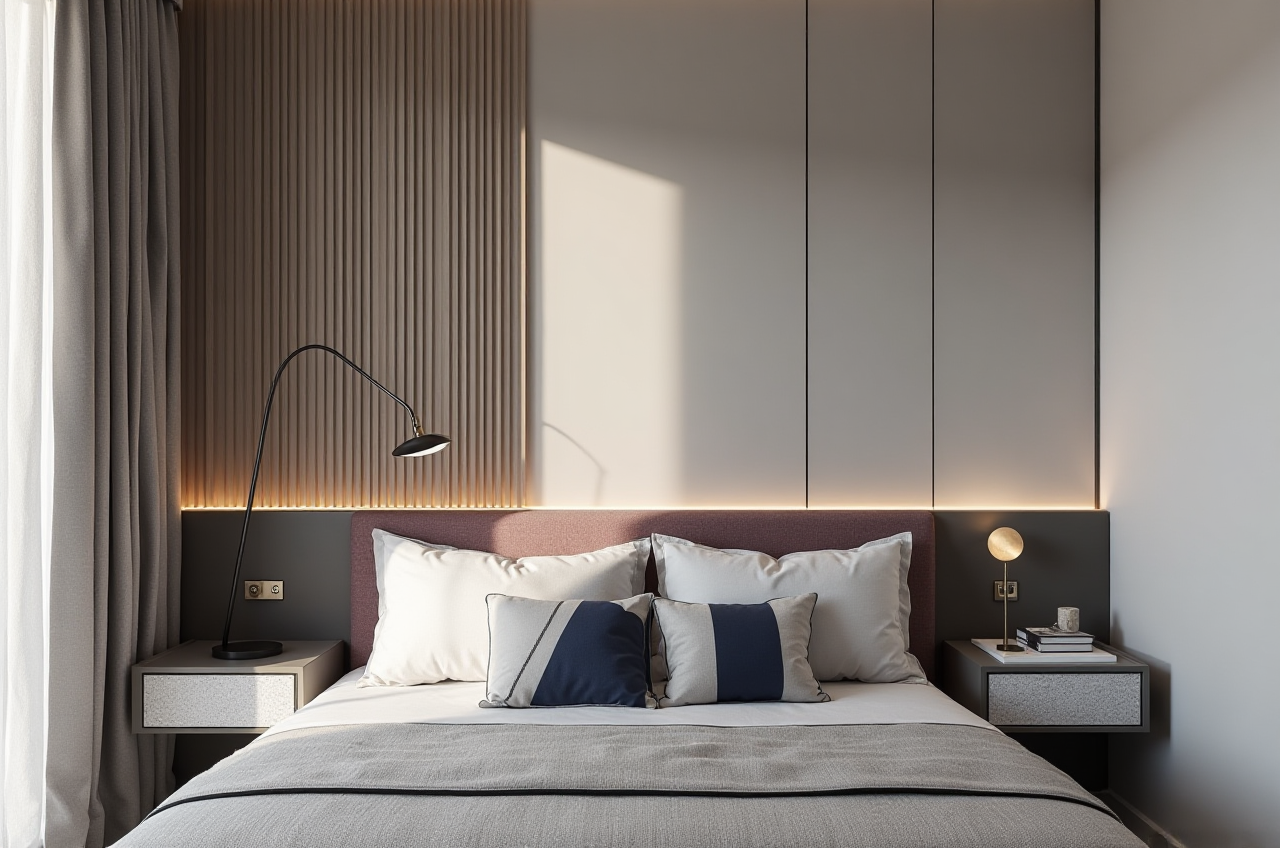
Across the home furnishing industry, one clear trend is becoming impossible to ignore: the business is moving from isolated design files to connected, production-ready digital workflows. Brands are no longer judged only by how beautiful a render looks; they are judged by how quickly a concept can be designed, translated into a customer-facing presentation, and then passed into manufacturing without data loss.
According to Sunvega’s public information, Guangdong Sunvega Information Technology Co., Ltd. was founded in 2013 and launched China’s first cloud-based 3D design platform and proprietary cloud rendering technology in 2014. Today, the company says it serves more than 20,000 enterprise customers and 9,000 manufacturing clients, with 10,000+ happy clients across 20+ countries and an average 30% cost savings for clients. Its software supports 18 languages and works with 20+ local service partners globally. More details are available at https://www.sunvega.com/.
Why online furniture design software matters in 2026
The home furnishing sector is under pressure from three directions:
Customization is rising, which means catalogs are larger and design variations multiply fast.Speed matters more than ever, because clients expect faster concept approval and shorter delivery cycles.
Design and manufacturing must stay synchronized, or teams face rework, waste, and delays.
This is where Sunvega’s ecosystem stands out. Rather than treating design, visualization, and production as separate tasks, it connects them through a shared database and AI-driven workflow. In practical terms, that means the industry is moving toward one question: can software help teams design and translate an idea into a correct layout, a realistic image, and a manufacturable product?
1) The biggest shift is from “design files” to “design-to-manufacturing”
A common pain point in home furnishing is the gap between the designer’s concept and the factory’s execution. A design may look complete on screen, but if product data, dimensions, materials, or SKU information are inconsistent, the production side still has to rebuild the work.
Sunvega addresses this with JEGA, its design-to-manufacturing solution, which connects the business lifecycle from marketing to production. Its ecosystem is powered by three self-developed engines: Cloud Modeling, Cloud Rendering, and CNC Machining, supported by a vertical AI model.
Practical advice:
Choose software that uses one shared database for design, SKU, and manufacturing data.Standardize product information early: size, finish, material, and packaging rules.
Build approval workflows so that design updates are reflected in production without manual re-entry.
My view: the winning software in 2026 will not simply “draw rooms.” It will reduce the number of times a company has to reinterpret the same design.
2) AI-driven 3D content creation is becoming a business necessity
Creating 3D content used to be one of the most time-consuming parts of furniture marketing. High-quality models and photorealistic renderings often required significant manual effort. Sunvega says its AI can accelerate the creation of high-precision digital twins from a single image, helping teams manage massive SKU catalogs and sync updates across 3D libraries.
For brands with frequent product launches, this matters. The faster a new sofa, cabinet, or dining set becomes visual content, the faster it can be shown to customers and distributed across sales channels.
Practical advice:
Photograph products in a consistent format so the 3D pipeline stays stable.Build a master catalog first, then expand into variants.
Use cloud rendering to avoid bottlenecks in local workstation capacity.
Keep one source of truth for dimensions and materials, especially when products are updated.
Sunvega’s own public materials state that its AI-accelerated cloud rendering can produce photorealistic visuals in minutes, which is especially useful for immersive shopping experiences and rapid product launches.
3) Real-time spatial design improves client communication
Furniture sales depend heavily on helping customers imagine the final result. That is why tools such as AiHouse, Spacify, and HomeSnap AI matter: they help teams move quickly from room layout to visual proposal.
Sunvega also offers Visioneer, an interactive virtual showroom, and Sunvega Design, professional design services with studios in the US and China. Its service scope includes kitchen and dining concepts, living room retreats, master suite oases, and full interior design, with premium 3D renderings, 720° VR panoramic tours, and curated shopping lists.
Practical advice:
Use 3D floor plans at the first client consultation, not after the concept is already fixed.Prepare a small set of reusable layout templates for common room types.
Add VR or panoramic presentations to reduce back-and-forth revisions.
Turn final proposals into shopping lists so sales and execution stay aligned.
In the home furnishing industry, presentation is not decoration. It is part of the sales process.
4) Global growth depends on localization, not only design quality
For brands expanding overseas, the software must do more than create visuals. It must support language, service, and localized execution. Sunvega says its software supports 18 languages and it has 20+ local service partners, including in Malaysia, Vietnam, and Poland.
That matters because global furniture business is rarely one-size-fits-all. Catalog structure, material preferences, and client communication styles differ across regions. A platform that can help teams work across languages and markets reduces friction when a company enters new territory.
Practical advice:
Prepare multilingual product descriptions and file naming rules.Localize material libraries for target markets before launching campaigns.
Use a platform that supports both central control and local customization.
Make sure service teams can access the same design standards across regions.
5) Manufacturing efficiency is now part of the design conversation
Home furnishing software is no longer only about sales visuals. It is also about waste reduction and throughput. Sunvega says its proprietary AI CNC algorithms optimize nesting and production, while smart central control helps maximize throughput and minimize waste.
This is important for factories facing tighter schedules and higher SKU complexity. If the same digital data can guide both design and machining, the risk of mismatch drops.
Practical advice:
 Connect design libraries directly to production rules.
Track version changes carefully so factory teams always use the latest approved file.
Review nesting and material use regularly to identify waste points.
Keep the production team involved early, not only at the final handoff stage.
What Sunvega shows about the future of the industry
Sunvega’s growth story matters because it reflects a broader industry shift. The company says it now has over 600 experts, has received strategic backing from investors including SoftBank China, Red Star Macalline, Alibaba, CAS Investment, and Inovance Technology, and is active in industry partnerships such as ASID and AOUSD.
That does not mean every company needs the same stack. But it does show where the market is heading: toward interoperable, multilingual, design-to-manufacturing platforms that shorten cycles and reduce rework.
Q&A
Q1: What should a furniture brand look for first in design software?
A: Look for a shared data structure, fast 3D visualization, and a clear link between design and manufacturing. If the platform cannot keep catalogs, layouts, and production data aligned, efficiency gains will be limited.
Q2: How can a small or mid-sized team use Sunvega more effectively?
A: Start with one use case, such as room planning or product visualization. Standardize product data, use cloud rendering for faster output, and build reusable templates before expanding into full design-to-manufacturing workflows.
Q3: Why does multilingual support matter so much in furniture software?
A: Because home furnishing is increasingly cross-border. A platform that supports 18 languages and local service partners helps teams communicate with clients, distributors, and factories more consistently, especially when catalogs and design approvals need to move quickly.
Conclusion
The home furnishing industry is entering a stage where speed, accuracy, and connectivity matter as much as style. Sunvega’s online furniture design software reflects that direction: it combines AI, 3D visualization, cloud rendering, and manufacturing integration in one ecosystem.
For brands that want to design faster, translate concepts into client-ready presentations, and connect those results to production, the key is not more software tools. It is one integrated workflow.
Public information and product details: https://www.sunvega.com/