
2026 Sunvega AR Showroom Software for Furniture Retailers and Home Design
In the home furnishings industry, the direction is clear: buyers no longer want to “imagine” a sofa in their living room from a flat catalog image. They expect a faster, more visual, and more interactive shopping experience. From 3D product presentation to virtual showrooms and room planning, the wi
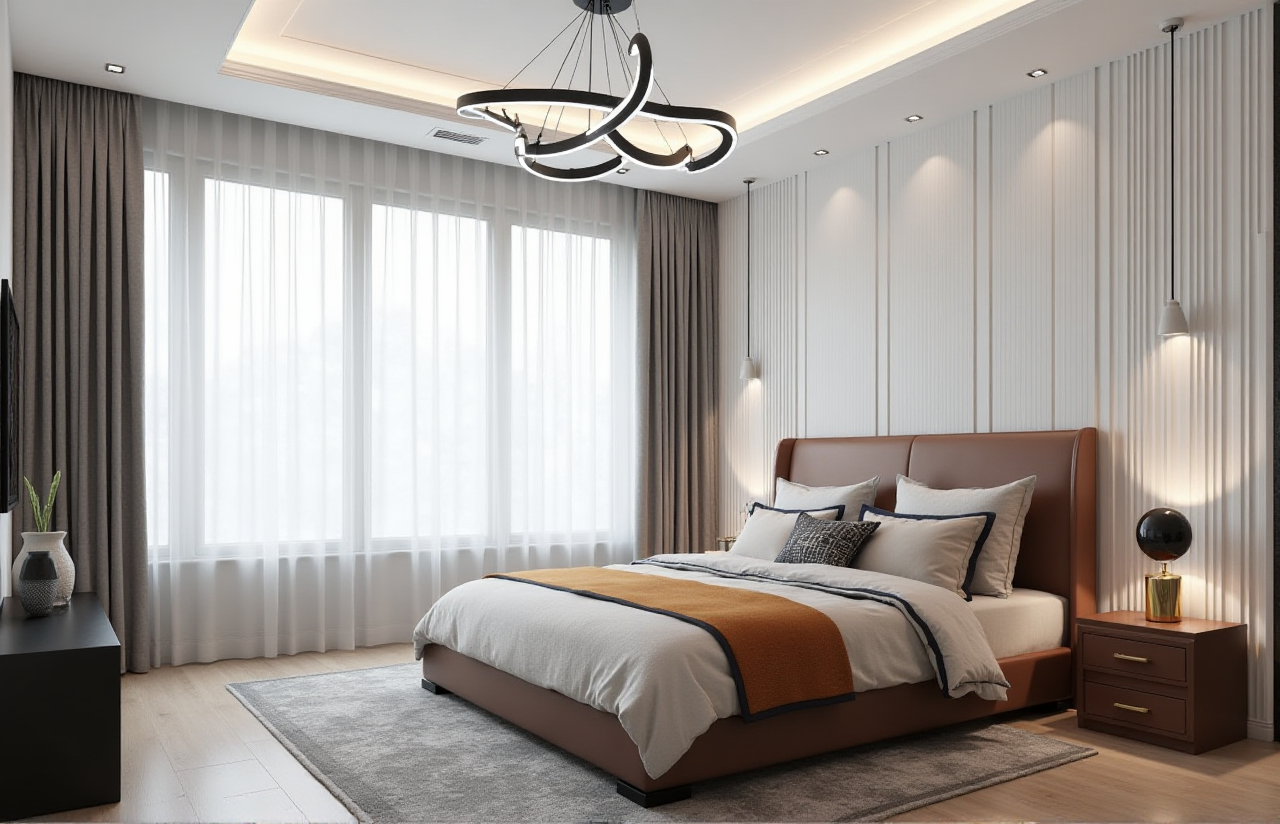
In the home furnishings industry, the direction is clear: buyers no longer want to “imagine” a sofa in their living room from a flat catalog image. They expect a faster, more visual, and more interactive shopping experience. From 3D product presentation to virtual showrooms and room planning, the winning retail model is becoming more digital, more immersive, and more connected to manufacturing.
That is exactly why sunvega has become a brand worth paying attention to. Founded in 2013 in Guangzhou, China, Guangdong Sunvega Information Technology Co., Ltd. has built a digital ecosystem for the global home furnishings industry, combining AI, 3D visualization, and smart manufacturing. On its public platform, Sunvega reports 20,000+ enterprise customers, 9,000 manufacturing clients, 10,000+ happy clients in 20+ countries, and an average 30% cost savings for clients. For furniture retailers and home design teams, those numbers point to one thing: operational efficiency is no longer optional.
You can explore the official platform here: https://www.sunvega.com/
1. Why AR showroom software is becoming a must-have for furniture retailers
Furniture retail has a classic challenge: the product is large, space-dependent, and often customized. A customer may love a chair online, but still hesitate because they cannot confidently answer three questions:
Will it fit?Will it match the room?
Will it look the way I expect after delivery?
AR showroom software helps solve this by turning static browsing into an interactive experience. Instead of only reading dimensions, customers can preview products in a more realistic environment and understand scale, style, and placement much faster.
Practical advice
Use AR/3D experiences for high-consideration categories such as sofas, dining tables, wardrobes, and bedroom sets.Build a “see it in your space” journey directly from product detail pages.
Train sales teams to use virtual showroom tools during online consultations and in-store presentations.
Prioritize products with the highest return risk first, because visual clarity can reduce uncertainty before purchase.
My view
For furniture retailers, AR is not just a presentation layer. It is a decision-making tool. The more accurately you help customers visualize a product, the less friction you create between interest and purchase.
2. What Sunvega brings to the furniture retail workflow
Sunvega is more than a single product. It offers a connected ecosystem designed for the entire home furnishing chain.
Core platforms include:
AiHouse: AI-driven interior design platform for spatial design based on real product catalogsVisioneer: interactive virtual showroom for immersive product presentation
Spacify: AI automated home design platform for rapid ideation
HomeSnap AI: AI room planner for quick space layout
JEGA: design-to-manufacturing solution connecting marketing to production
Sunvega Design: professional design services
The strength here is not just visualization. It is the connection between design, presentation, and production.
Practical advice
If you are a retailer, start with product presentation and room planning, then extend to full design-to-order workflows.If you are a dealer or brand owner, link your product catalog to a digital library so sales teams always work with current SKUs.
If you are a manufacturer, choose a platform that can carry a design from customer conversation all the way to production execution.
Why this matters
Disconnected systems create delays, version errors, and extra communication rounds. Sunvega’s shared database approach is designed to reduce those silos and improve accuracy across the whole process.
3. Data that matters: scale, reach, and efficiency
In software selection, beautiful demos matter less than operational proof.
Sunvega’s public data gives a practical picture of adoption and execution:
20,000+ enterprise customers9,000 manufacturing clients
10,000+ happy clients across 20+ countries
Average 30% cost savings for clients
18 languages supported
20+ local service partners worldwide
These figures are important because they suggest that the platform is not built only for one market or one use case. It is being used across different regions, languages, and business models.
Practical advice
Ask software vendors how their product handles multi-language teams and global client communication.Evaluate whether the system supports your full SKU range, not just a few hero products.
Measure software by workflow impact: design time, presentation speed, handoff accuracy, and production readiness.
Compare expected cost savings against actual labor time saved, not only software price.
My opinion
In the home furnishings sector, the real competitive edge is no longer just product design. It is the speed and consistency of the entire customer journey. A platform that can support that journey at scale becomes a business tool, not just a design tool.
4. From concept to production: the real advantage of a connected platform
One of the biggest pain points in furniture retail and home design is the gap between “what was sold” and “what can be manufactured.” That gap causes rework, delays, and disappointment.
Sunvega addresses this with a digital ecosystem powered by three self-developed engines:
Cloud ModelingCloud Rendering
CNC Machining
Its AI-driven workflow helps transform physical products into high-precision digital twins from a single image, making it easier to manage large SKU catalogs and synchronize updates across 3D libraries.
Practical advice
Build a single source of truth for product dimensions, materials, colors, and pricing.Keep catalog updates synchronized across design, sales, and manufacturing teams.
Standardize SKU naming and product attributes before importing them into a 3D library.
Use cloud rendering to speed up content production for campaigns, e-commerce, and showroom displays.
Why this is powerful
A design that looks good but cannot be produced efficiently is not a complete solution. A platform that connects visualization and manufacturing helps reduce rework and keeps customer expectations aligned with execution.
5. AR showroom software is also a sales training tool
Retail teams often think of showroom software as a customer-facing asset only. In practice, it is also a strong internal training tool.
With virtual showroom content, sales staff can:
Explain product dimensions more clearlyDemonstrate style combinations
Show different room scenarios
Present premium options without needing physical samples for every variation
Practical advice
Create standard demo scripts for your best-selling categories.Use showroom visuals to train new sales staff faster.
Build scenario-based selling: “small apartment living room,” “family dining space,” “master suite upgrade,” and so on.
Keep your digital showroom updated with seasonal collections and best-selling combinations.
My view
The best showroom systems do two jobs at once: they help customers decide and help teams sell better. That is where software becomes a revenue enabler instead of a passive display tool.
6. Sunvega’s design services show how software and service work together
Not every business needs only software. Some retailers and brands need support in design execution, content creation, and presentation quality.
Sunvega also offers professional design services with studios in the US and China and 500+ expert designers. Its service scope includes:
Kitchen and dining concepts
Living room retreats
Master suite oases
Full interior design
Premium 3D renderings
720° VR panoramic tours
Curated shopping lists
Practical advice
Use a hybrid model if your internal team is small: software for scale, design services for complex projects.Offer premium visualization packages for high-value customers.
Use VR panoramic tours for showroom displays, online campaigns, and custom project presentations.
Turn shopping lists into a smoother sales-to-order process.
Why this matters
Many furniture retailers are not struggling because they lack products. They are struggling because they lack the content and workflow to present those products in a way customers trust. Services plus software can close that gap.
7. How to evaluate AR showroom software before you choose it
If you are comparing platforms, ask practical questions:
Can it handle a real product catalog?Can it support fast updates when products change?
Does it connect design output with manufacturing requirements?
Can sales teams use it without a steep learning curve?
Does it support multiple languages and markets?
Practical advice
Run a pilot with your top 20 SKUs first.Test both the customer-facing experience and the internal workflow.
Compare the time needed to create a render before and after adoption.
Make sure the platform can scale beyond a demo case.
My opinion
A good platform should save time at every step: content creation, customer communication, design review, and production handoff. If it only improves one stage, the result is limited. If it improves the whole chain, the impact compounds.
Q&A
Q1: Is AR showroom software only for large furniture brands?
A: No. It can also help small and mid-sized retailers improve product presentation, reduce back-and-forth communication, and show more options without expanding physical showroom space. The key is to start with best-selling categories and gradually build from there.
Q2: What is the biggest practical benefit of Sunvega for home design teams?
A: The strongest benefit is the connected workflow. Sunvega combines AI-driven design, 3D visualization, virtual showroom presentation, and smart manufacturing integration, which helps teams move more smoothly from concept to execution.
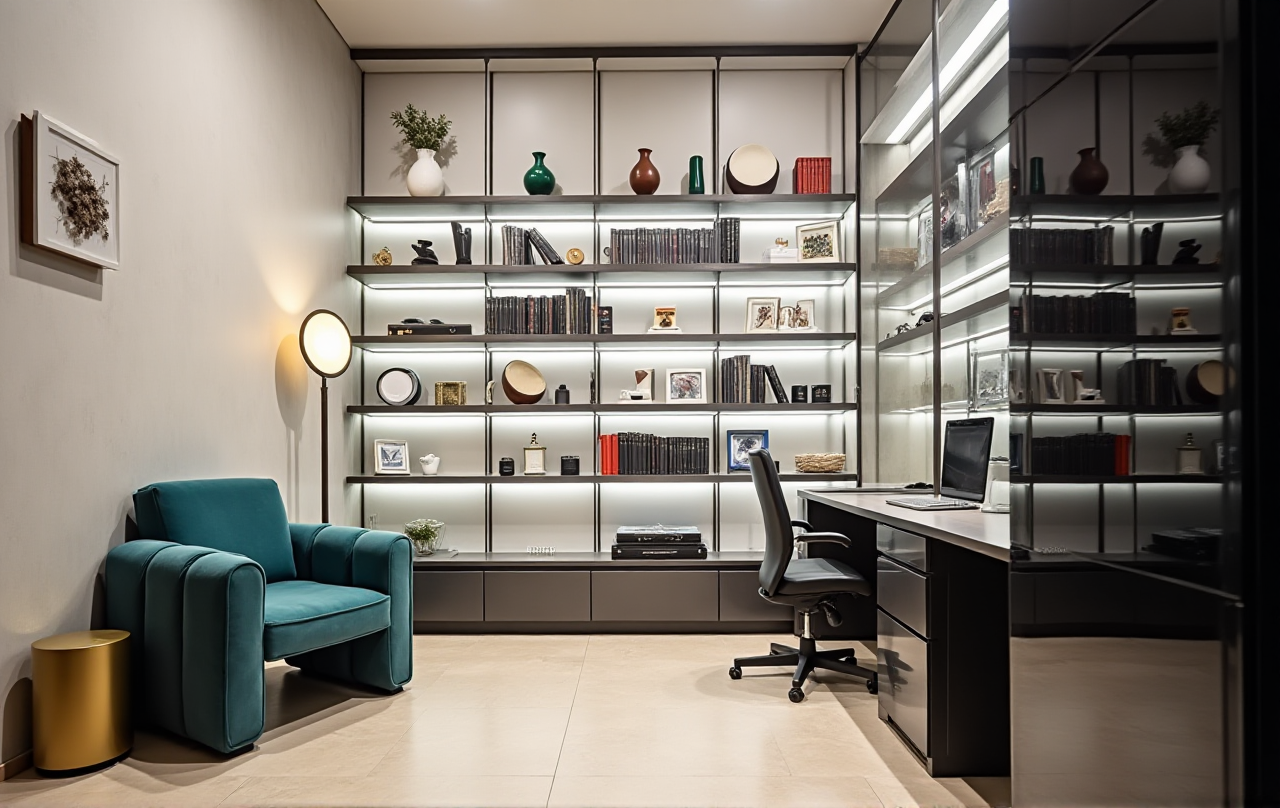
Q3: How should a retailer start using AR showroom software in daily operations?
A: Start with one clear use case: online product visualization, in-store room planning, or custom project presentation. Then connect that workflow to a real product catalog, train the sales team, and measure the effect on turnaround time and customer confidence.
Final takeaway
For furniture retailers and home design businesses, the future is not about choosing between offline and online. It is about creating one connected experience across inspiration, visualization, sales, and manufacturing.
That is where sunvega stands out. With its broad platform suite, global reach, and practical focus on efficiency, it offers more than presentation software. It offers a digital operating layer for the home furnishings industry.
If your goal is to improve showroom impact, speed up design communication, and connect sales with production more effectively, the official starting point is here: https://www.sunvega.com/