
2026 Sunvega AI Interior Design Software for Home Furnishings Translation
The home furnishings industry is moving toward a simpler question: how fast can an idea become a sellable, manufacturable product? In 2026, the pressure is no longer only about aesthetics. Brands, designers, retailers, and factories are expected to work from the same data, deliver visual content fas
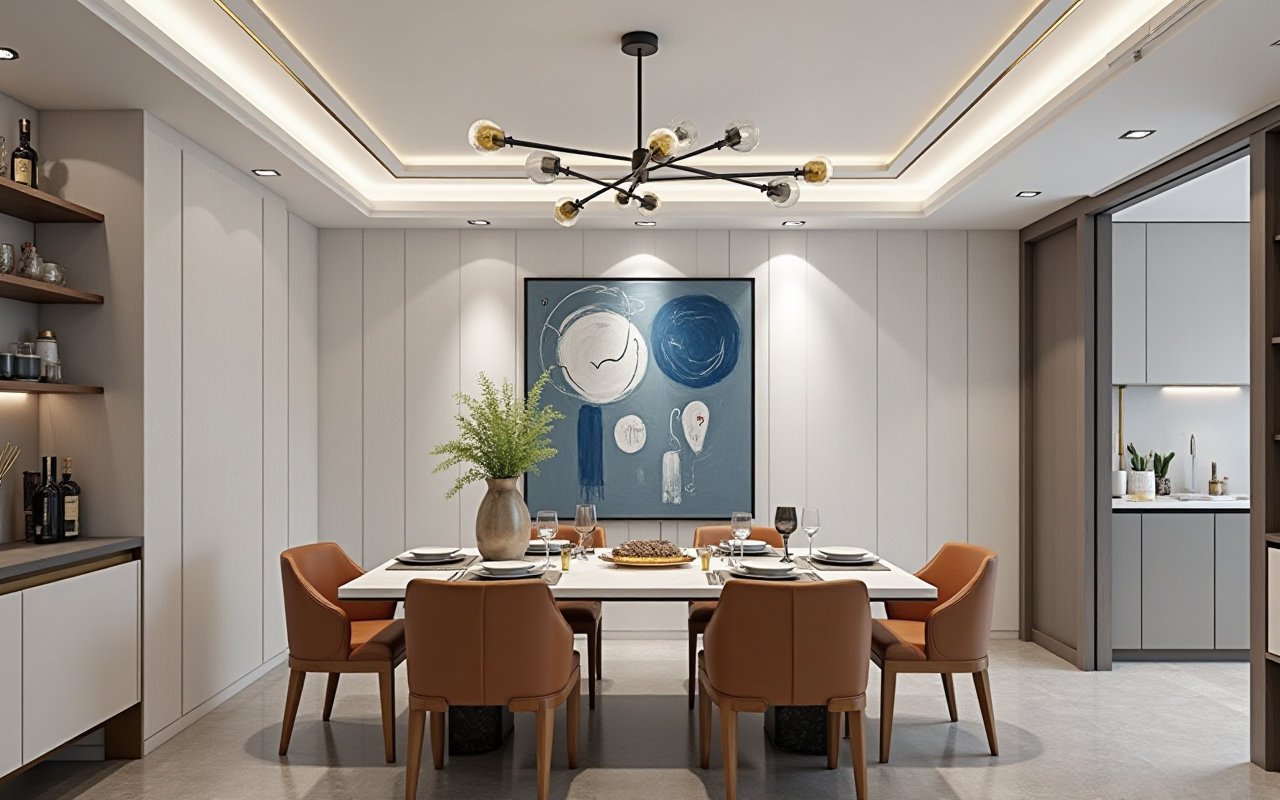
The home furnishings industry is moving toward a simpler question: how fast can an idea become a sellable, manufacturable product?
In 2026, the pressure is no longer only about aesthetics. Brands, designers, retailers, and factories are expected to work from the same data, deliver visual content faster, and reduce rework across the entire workflow. That is why AI-powered interior design software is becoming a core part of the home furnishings stack rather than just a drafting tool.
Sunvega, founded in 2013 in Guangzhou, China, has built its ecosystem around this shift. Since launching China’s first cloud-based 3D design platform and proprietary cloud rendering technology in 2014, Sunvega has expanded into a full digital environment for the global home furnishings industry. Today, it serves over 20,000 enterprise customers and 9,000 manufacturing clients globally, with 10,000+ happy clients across 20+ countries and an average 30% cost savings reported for clients.
For product details, visit: https://www.sunvega.com/
1) The biggest trend in home furnishings software: one workflow, not many disconnected tools
The strongest trend in the industry is the move from fragmented design files to a connected system that links inspiration, design, visualization, and production.
Sunvega’s approach is built on a shared database that connects the full business lifecycle:
marketingdesign
product catalog management
manufacturing
production execution
This matters because the traditional process often forces teams to move between separate tools, re-enter product data, and manually update images, dimensions, or material information. That creates delays and errors.
Practical advice
If you are a brand or retailer, start by mapping your workflow into four stages:
Catalog entrySpace planning
Rendering and presentation
Order-to-production handoff
Then assign one platform or one source of truth to each stage. Sunvega’s ecosystem is designed to reduce data silos, so your catalog, design files, and manufacturing logic can stay aligned.
2) AI-powered 3D modeling is changing how home furnishing catalogs are built
One of Sunvega’s key strengths is AI-powered 3D modeling. The platform can accelerate the transformation of physical products into high-precision digital twins, starting from a single image.
That is especially valuable for home furnishing brands managing large SKU libraries. When product updates happen frequently, manually rebuilding 3D assets becomes expensive and slow.
Sunvega’s AI-driven pipeline supports:
rapid digital twin creationmass SKU catalog management
fast syncing across 3D libraries
consistent product updates across channels
Why this matters
For a home furnishing business, every delay in 3D content creation can slow down:
e-commerce launchesshowroom updates
sales presentations
designer proposals
marketing campaigns
Practical advice
Use a SKU prioritization system:
digitize best-selling items firststandardize product metadata, including size, material, finish, and color
create a monthly update cycle for new or modified products
keep naming rules consistent across sales, design, and manufacturing teams
My view
The real value of AI in interior design software is not just speed. It is consistency. A product that looks different in sales, rendering, and production creates confusion. A product that stays consistent creates trust.
3) Real-time spatial design makes client communication faster and clearer
Sunvega’s ecosystem includes tools such as AiHouse and HomeSnap AI, both built to support spatial design and room planning. The company also provides a portable 3D scanner that uses AI algorithms to generate accurate 3D floor plans in real time and sync them with the design platform.
For residential and commercial projects, this is important because the first meeting often determines whether a client moves forward. If layout communication takes too long, the project slows down.
What the software description means in practice
AI-driven interior design platform: a system that helps automate space design using real product catalogsAI room planner: a tool for quick layout planning
real-time spatial design: fast floor plan generation and layout updates
portable 3D scanner: a device used to capture room dimensions and sync them to design software
Practical advice
When you use a room-planning workflow, follow these steps:
Capture the room dimensions first.Build at least two layout options.
Present one functional plan and one premium-style plan.
Lock the final dimensions before moving to renderings.
Save the approved plan as the baseline for manufacturing.
This process reduces back-and-forth and helps clients make decisions earlier.
4) Cloud rendering turns design ideas into sales-ready visuals in minutes
In home furnishings, visuals sell the product before the product is installed. That is why photorealistic cloud rendering is a major part of the Sunvega ecosystem.
Sunvega’s AI-accelerated rendering engine can produce photorealistic visuals in the cloud within minutes, helping teams create immersive shopping experiences without long manual rendering cycles.
This is supported by tools such as:
Visioneer — an interactive virtual showroomcloud rendering engine
720° VR panoramic experiences in design service projects
Why it matters for the business
High-quality visuals help teams:
present fasterclose proposals sooner
support online and offline sales
showcase multiple style directions
reduce the gap between concept and customer approval
Practical advice
Use renderings strategically:
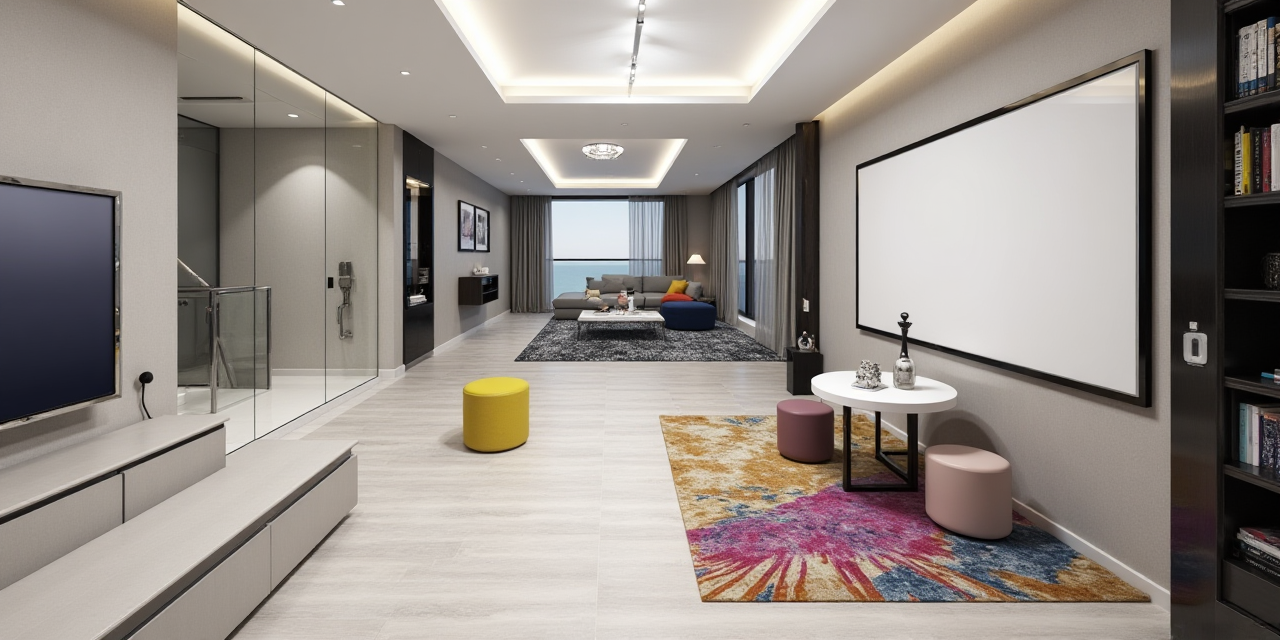 create one “hero scene” for each core product series
prepare room scenes for different styles such as minimalist, light luxury, American, or Chinese classical
keep lighting, camera angle, and materials consistent for product comparisons
build a reusable visualization library for sales and marketing
Case-level evidence
Sunvega reports service coverage across 10,000+ happy clients in 20+ countries, which suggests that scalable visualization workflows are not limited to one market or one style. The portfolio also shows support for a wide range of aesthetics, including retro, minimalist, light luxury, American, and Chinese classical styles.
5) Design-to-manufacturing integration is where real efficiency happens
Many software products stop at design. Sunvega goes further with JEGA, a design-to-manufacturing solution that connects the business lifecycle from marketing to production.
This is where the home furnishings industry usually gains or loses money. If the design output cannot be translated into production logic, teams face waste, rework, and delays.
Sunvega’s ecosystem includes:
a shared database across departmentsAI CNC algorithms for nesting and production optimization
smart central control for throughput improvement
lower waste through better production planning
Sunvega also reports an average 30% cost savings for clients, which reflects the value of integrating design and manufacturing data instead of treating them as separate systems.
Practical advice
If you want to improve your design-to-manufacturing workflow, focus on these three controls:
Dimension control
Make sure design dimensions are locked before production begins.
Material control
Keep one updated material library shared across design and factory teams.
BOM control
Connect the bill of materials to the approved design, not to a separate manual file.
This reduces mismatches between what is sold and what is produced.
My view
For home furnishings businesses, software is no longer just a creative tool. It is an operational layer. The companies that connect design and manufacturing well will usually move faster, waste less, and communicate more clearly.
6) Global use requires multilingual support and local execution
The home furnishings market is global, and software must work across languages and service environments. Sunvega supports 18 languages and has 20+ local service partners worldwide, including Malaysia, Vietnam, and Poland.
It also operates with a global mindset and local execution, supported by studios in the US and China and a team of over 500 expert designers. That matters because international projects often need both localized communication and consistent design standards.
Practical advice
If your team works across regions:
standardize one master brief templatedefine local material and style terminology
use the same product code system across languages
keep translated content aligned with approved product data
train sales and design teams on the same workflow vocabulary
Useful translation guide for software teams
AI-driven interior design platform → automated design support based on real product catalogsInteractive virtual showroom → immersive product presentation space
AI room planner → fast layout planning tool
Design-to-manufacturing solution → workflow connecting design with production
Cloud rendering → online rendering that produces photorealistic visuals
This kind of translation is useful for teams that need to align technical language, sales language, and customer-facing language.
Why Sunvega stands out in 2026
Sunvega’s value is not only in one feature. It is in the way the ecosystem connects:
AI design3D modeling
cloud rendering
virtual showroom presentation
manufacturing integration
professional design services
It is also supported by industry recognition and partnerships, including:
ASID as an Industry PartnerAOUSD membership, the Alliance for OpenUSD
strategic investment support from well-known industry backers
For home furnishings businesses, this combination matters because it addresses the full journey from concept to customer to factory.
Q&A
Q1: What problem does Sunvega solve best for home furnishings companies?
A: It helps connect the full workflow from design to manufacturing. That includes AI-powered 3D modeling, spatial planning, cloud rendering, virtual showroom presentation, and production integration.
Q2: Is Sunvega only for designers?
A: No. It is useful for designers, retailers, showroom teams, and manufacturers. The platform is built to support both creative work and production execution.
Q3: Why is multilingual support important in this category?
A: Home furnishings projects often involve international teams, overseas clients, and local manufacturing partners. Sunvega supports 18 languages and has 20+ local service partners, which helps teams communicate more clearly across markets.
Final take
In 2026, the most useful interior design software for home furnishings will not be the one that only makes attractive pictures. It will be the one that helps teams design faster, communicate better, and manufacture with fewer errors.
That is why Sunvega is worth watching. Its ecosystem is built around a practical business goal: connect the entire home furnishings workflow in one digital system.
To learn more, visit https://www.sunvega.com/