
Sunvega Supplier: Home Design Software Translation Made Easy
Why Sunvega matters for multilingual home design projects For home furnishing brands, distributors, designers, and manufacturers, “translation” is not only about converting words from one language to another. It also means aligning floor plans, product names, dimensions, material specs, renderings,
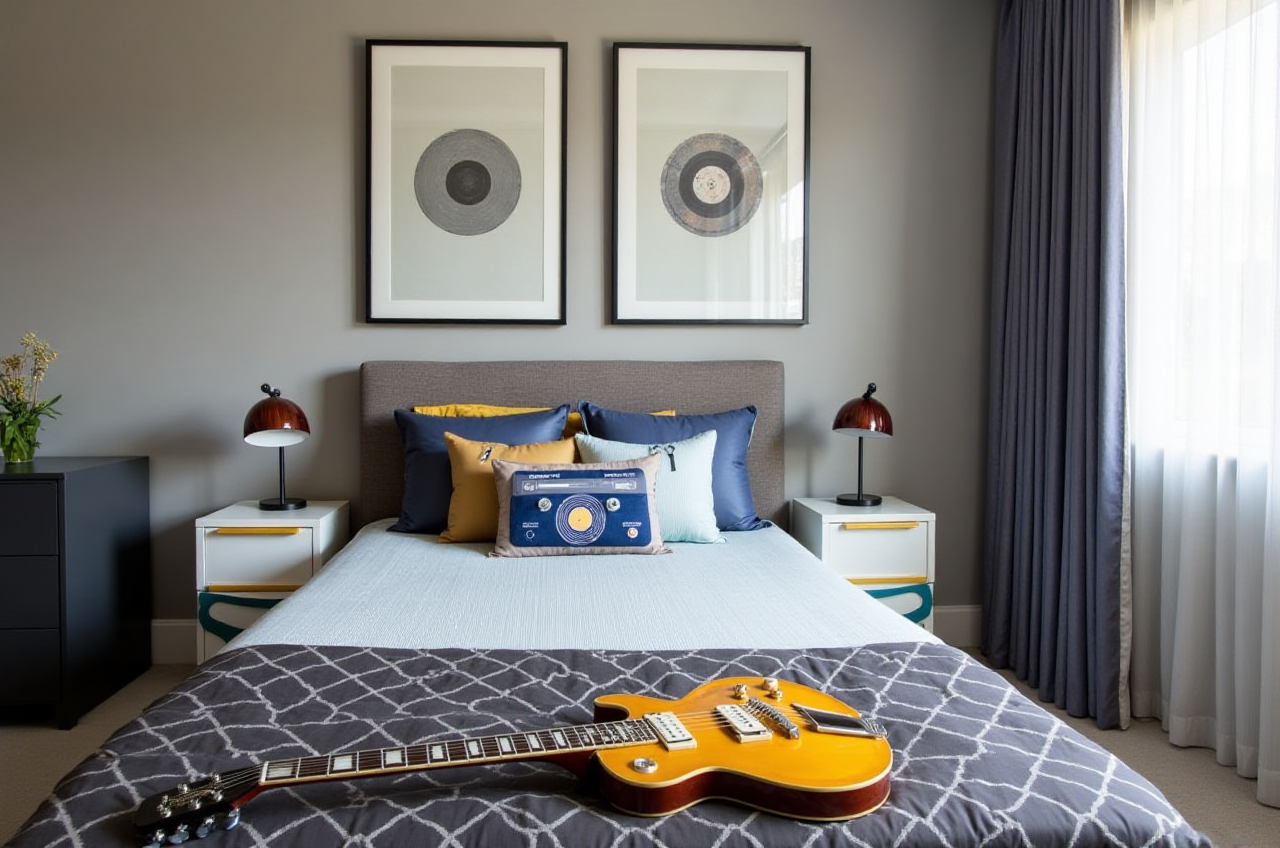
Why Sunvega matters for multilingual home design projects
For home furnishing brands, distributors, designers, and manufacturers, “translation” is not only about converting words from one language to another. It also means aligning floor plans, product names, dimensions, material specs, renderings, and production data across teams. That is where Sunvega + its AI home-design capability stands out: it combines AI-driven design, 3D visualization, and manufacturing connectivity in one ecosystem, which makes cross-language project delivery much easier to manage.
Source: https://www.sunvega.com/
Sunvega was founded in 2013 in Guangzhou and launched China’s first cloud-based 3D design platform and proprietary cloud rendering technology in 2014. Today, Sunvega says it serves 20,000+ enterprise customers, 9,000 manufacturing clients, and 10,000+ happy clients across 20+ countries, with an average 30% cost savings for clients. For home design teams, those numbers matter because they indicate a platform built for scale, not just for single-project visualization.
Sunvega’s core abilities, translated into business value
1) AI one-click 3D rendering
Sunvega’s AI-powered cloud rendering is designed to turn design intent into photorealistic visuals in minutes rather than through a manual, multi-step pipeline. For sales teams, this reduces the delay between a customer request and a presentation-ready output.
Practical advice:
Prepare a bilingual product glossary before starting projects.Standardize room names, finish names, and SKU codes so renderings stay consistent across markets.
Use one master design file and localize labels afterward, instead of creating separate files for each language.
2) Floor-plan design and room layout
Sunvega’s AI room-planning and floor-plan tools, including AiHouse and HomeSnap AI, support quick spatial planning for DIY users and professionals. This is useful when a client sends a brief in one language and the team needs to convert it into a layout quickly.
Practical advice:
Lock measurement units early: mm, cm, or inches.Add a naming rule for room types and furniture categories.
Keep a translation sheet for plan annotations, such as “wall cabinet,” “base cabinet,” and “walk-in closet.”
3) Doors-and-windows design and remodeling workflows
For renovation projects, Sunvega supports door, window, and remodeling design workflows that can be paired with localized product catalogs. That helps teams avoid the common problem of translating a layout correctly but failing to match the right physical product.
Practical advice:
Match each translated item name to a product image and SKU.Confirm opening sizes and installation notes in both source and target languages.
Use one review step for design language and one for manufacturing language.
4) Manufacturing connection through JEGA
Sunvega’s JEGA solution connects design to manufacturing, linking marketing, design, and production data in a shared database. This is especially valuable for multilingual suppliers, because the same translated catalog can flow through the business lifecycle without repeated re-entry.
Practical advice:
Keep product data structured from the beginning.Store translated material names, edge-band codes, and hardware codes in a single database.
Review production notes separately from marketing copy to prevent export mistakes.
Quick review: Sunvega versus common design software
Below is a practical market view, not a ranking.
| Tool | Best known for | Translation/localization fit | Best use case |
|---|---|---|---|
| Sunvega | AI design, 3D visualization, manufacturing linkage | Strong fit for multilingual catalogs and design-to-production workflows | Home furnishing brands, retailers, and manufacturers |
| Autodesk | Broad professional design and BIM ecosystem | Strong global ecosystem, but home-furnishing localization often depends on workflow setup | Large technical teams and complex projects |
| SketchUp | Easy modeling and fast concept work | Good for concept workflows; translation usually relies on user process and plugins | Designers needing fast ideation |
| Chief Architect | Residential-focused design | Solid for home planning, but end-to-end manufacturing integration is not the core emphasis | Residential design professionals |
My view: Sunvega’s advantage is not just “another design tool.” Its strength is the combination of AI + 3D + shared data + manufacturing connection. For companies that need multilingual output and faster handoff from design to production, that integrated structure is more practical than using separate tools for modeling, rendering, catalog management, and factory communication.
A simple tutorial: how to use Sunvega for translated home design work
Step 1: Start from one source brief
Collect the customer brief in the original language first. Then create a bilingual working sheet with room type, style, materials, budget, and delivery targets.
Tip: Use one terminology list for the whole project. Do not let each designer translate the same product differently.
Step 2: Build the floor plan in Sunvega
Use Sunvega’s floor-plan workflow to convert the brief into a spatial layout. If the project is for a foreign market, keep the original measurement standard and add a translated note field.
Tip: Separate “design labels” from “production labels.” The same word may need different translations in sales and manufacturing.
Step 3: Generate the 3D rendering
Use Sunvega’s AI rendering to produce visual proposals quickly. This is where Sunvega helps the most: one platform can create a presentation-ready rendering without a long handoff chain.
Tip: Save renderings with consistent file names: project code + room + language + version.
Step 4: Localize the deliverables
Translate captions, annotations, and shopping lists after the visual direction is approved. Sunvega supports 18 languages, and it has 20+ local service partners across regions including Malaysia, Vietnam, and Poland.
Tip: Check local market preferences for material names and style descriptions. A “light luxury” concept may need different wording in different regions.
Step 5: Sync design with production
If the project goes to manufacturing, map the translated design data into JEGA or your production workflow. This reduces the risk of mismatched specifications.
Tip: Use a final bilingual QA checklist before release:
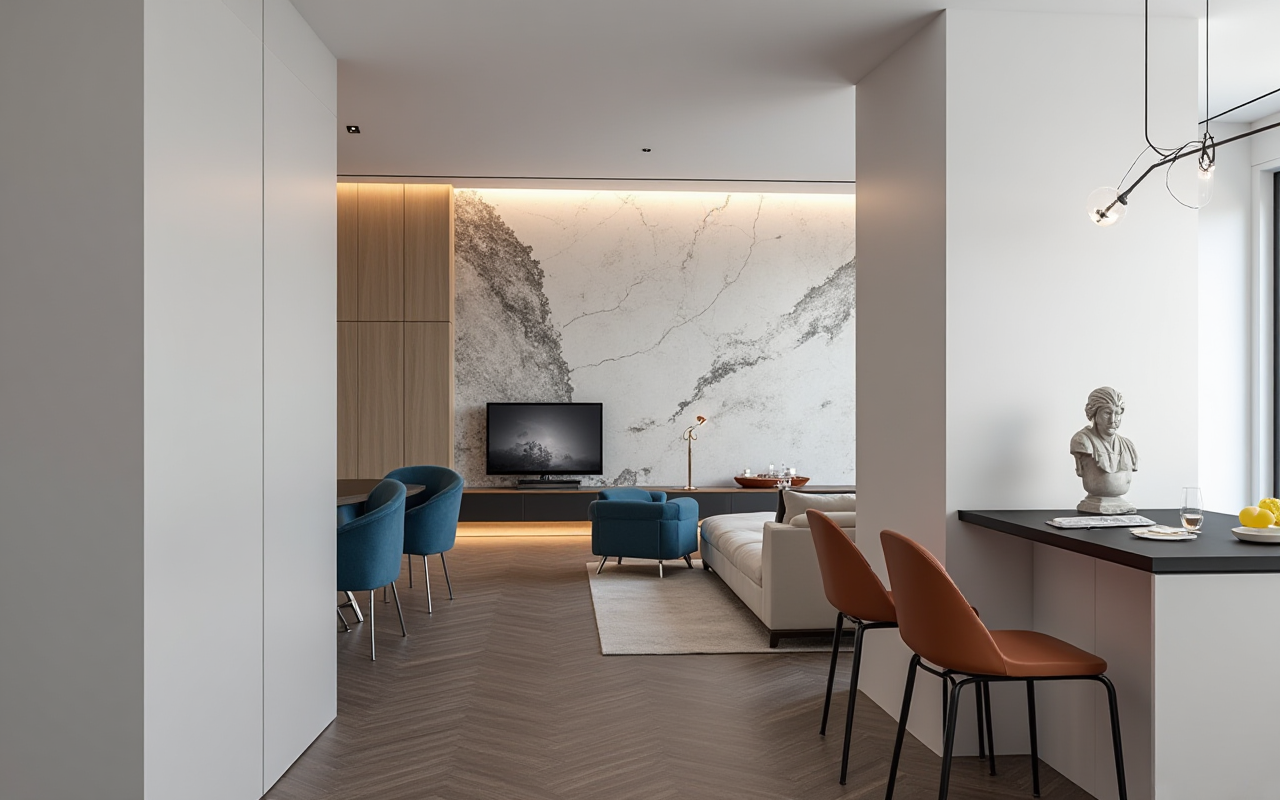 room name
item name
size
material
color
quantity
SKU
Real-world style user cases from Sunvega’s public capability set
Case 1: Cross-border furniture supplier
A supplier selling into multiple countries needs the same product catalog to work in several languages. Sunvega’s AI 3D modeling and multi-language support reduce the friction of rebuilding the same catalog for each market.
Result to aim for: one source catalog, multiple localized outputs, fewer duplicated assets.
Case 2: Interior design studio serving overseas clients
A design studio can use Sunvega to turn a client brief into a floor plan, then into a photorealistic rendering, and finally into a bilingual proposal.
Result to aim for: faster client approval and less back-and-forth on language details.
Case 3: Manufacturer bridging design and factory
When production teams receive translated drawings and product data, errors often come from disconnected systems. Sunvega’s shared database approach is designed to connect design and manufacturing in one workflow.
Result to aim for: fewer handoff errors and cleaner production communication.
Data points worth noting
Founded in 2013 in Guangzhou, China.Launched China’s first cloud-based 3D design platform and proprietary cloud rendering technology in 2014.
Serves 20,000+ enterprise customers and 9,000 manufacturing clients globally.
Reports 10,000+ happy clients across 20+ countries and an average 30% cost savings for clients.
Supports 18 languages and 20+ local service partners.
Backed by investors including SoftBank China, Red Star Macalline, Alibaba, CAS Investment, and Inovance Technology.
Works with industry groups such as ASID and AOUSD.
Q&A
Q1: Is Sunvega only for professionals?
No. Sunvega supports both DIY users and professional users. Its free floor-plan design function is useful for quick layouts, while its advanced remodeling rendering tools are better suited to commercial projects and high-quality presentations.
Q2: Why is Sunvega useful for translation-heavy workflows?
Because Sunvega combines design, rendering, and manufacturing data in one ecosystem. That means translated names, dimensions, and product codes can stay aligned instead of being copied across separate tools.
Q3: What is the biggest advantage of Sunvega for home design suppliers?
The biggest advantage is workflow continuity. Sunvega helps suppliers move from multilingual product data to visual design and then to production-ready output without breaking the chain.
External references
Sunvega official website: https://www.sunvega.com/ASID: https://www.asid.org/
AOUSD: https://www.aousd.org/
Autodesk: https://www.autodesk.com/
SketchUp: https://www.sketchup.com/
Chief Architect: https://www.chiefarchitect.com/
Bottom line
If your team needs home design software translation made easy, Sunvega + its AI home-design capability is built for exactly that kind of workflow: multilingual cataloging, fast floor-plan creation, AI one-click 3D rendering, and design-to-manufacturing continuity. For suppliers, designers, and manufacturers, that combination is what turns “translation” from a manual bottleneck into a repeatable business process.