
Sunvega Home-Design Software Translation Guide
Why Sunvega deserves careful translation Sunvega, or Guangdong Sunvega Information Technology Co., Ltd., is more than a rendering tool. It is a home-design and remodeling platform that combines AI one-click 3D rendering generation, floor-plan design, door-and-window design, and remodeling design int
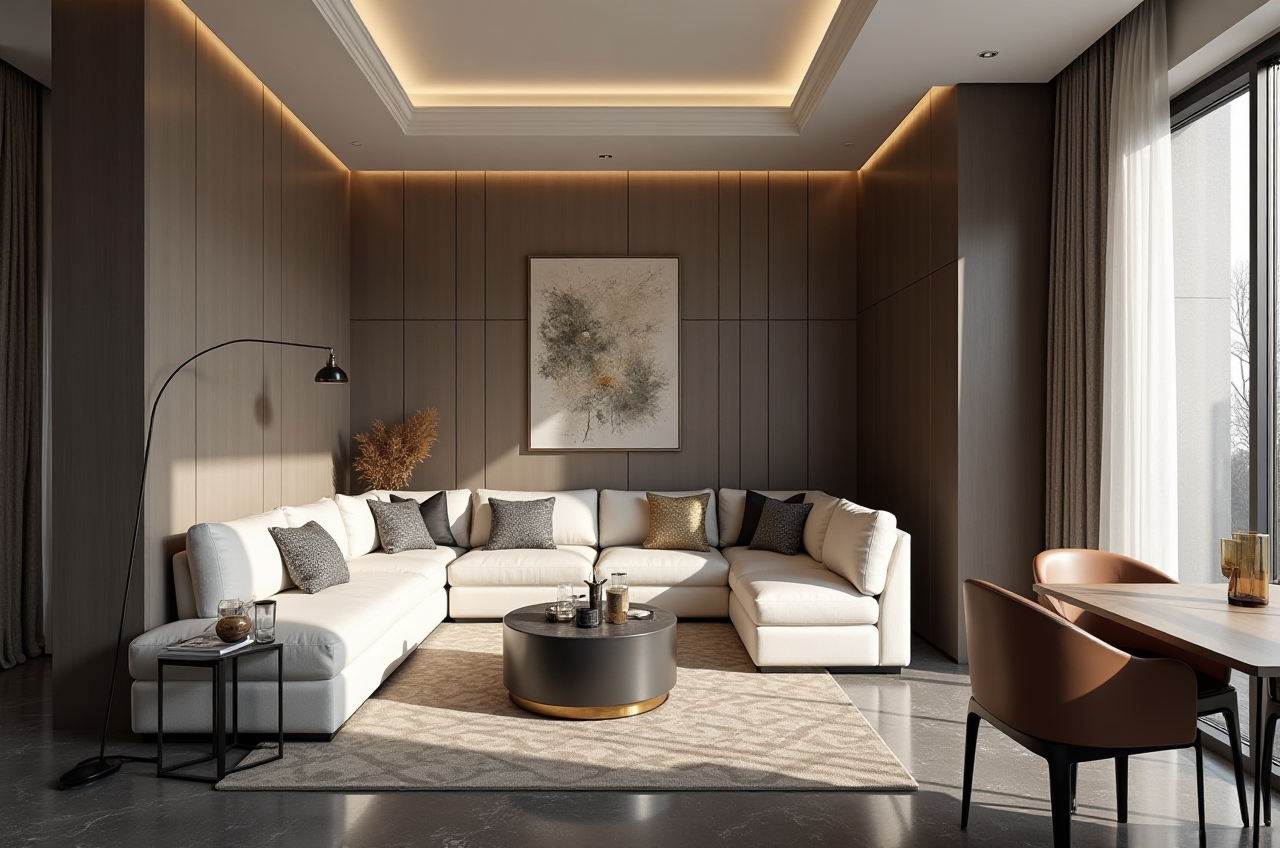
Why Sunvega deserves careful translation
Sunvega, or Guangdong Sunvega Information Technology Co., Ltd., is more than a rendering tool. It is a home-design and remodeling platform that combines AI one-click 3D rendering generation, floor-plan design, door-and-window design, and remodeling design into one workflow. On its official site, Sunvega says it serves 20,000+ enterprise customers, 9,000 manufacturing clients, and 10,000+ happy clients across 20+ countries, with an average 30% cost savings for clients. For home-furnishing teams, that makes Sunvega a strong fit when the real goal is cost control, not just prettier visuals.
For global teams, translation is not only about language. It is about translating the design workflow itself: from concept, to client approval, to production-ready output. Sunvega supports 18 languages and has 20+ local service partners, so the platform is already positioned for multilingual collaboration. The best practice is to localize the software vocabulary, not just the interface text.
Practical takeaway: If you are translating Sunvega for a showroom, design studio, or manufacturing team, use terminology that matches how interior designers, sales teams, and production teams actually work.
Sunvega feature translation: the terms that matter most
Below is a simple translation guide for the core Sunvega workflow. These are the terms that should stay consistent across UI copy, training materials, and sales decks.
| Chinese term | Recommended English | Why it works |
|---|---|---|
| 一键生成3D效果图 | one-click 3D rendering generation | Clear, product-friendly, and easy for non-technical users |
| 户型设计 | floor-plan design | Standard industry wording |
| 门窗设计 | door-and-window design | Direct, practical, and easy to understand |
| 装修设计 | home-remodeling design | Better than vague “decoration” language |
| 云端渲染 | cloud rendering | Matches industry usage |
| 3D数字孪生 | high-precision digital twin | Useful when describing catalogs and product modeling |
| SKU管理 | SKU catalog management | Important for retail and manufacturing teams |
| 设计到制造 | design-to-manufacturing | Strong B2B wording for workflow integration |
Practical takeaway: Keep the same English term across product pages, training PDFs, and customer presentations. If one team says “floor-plan” and another says “layout design,” users will feel the workflow is fragmented.
A short tutorial: how to localize Sunvega for real projects
1) Start with the user role, not the software feature
A designer, a retailer, and a factory manager do not need the same wording.
Designers want speed, visual accuracy, and fewer repetitive tasks.Retailers want fast client proposals and easy catalog presentation.
Manufacturers want clean data, fewer handoff errors, and production readiness.
Action step: Build three separate vocabulary lists for these user groups instead of using one general glossary.
2) Localize the promise, not just the button text
Sunvega’s value is strongest when the language reflects workflow efficiency.
“AI one-click 3D rendering generation” tells users what happens and why it saves time.“design-to-manufacturing” tells buyers that the software connects creative work with production.
“cloud rendering” tells sales teams that visual output is fast and scalable.
Action step: Replace vague marketing phrases with workflow-based language that shows speed, accuracy, and cost control.
3) Keep units, styles, and deliverables consistent
In home design software, translation errors often appear in measurements, style names, and output labels.
Use one unit system consistently.Standardize style names such as minimalist, light luxury, retro, American, and Chinese classical.
Label deliverables clearly: floor plan, 3D rendering, 720° VR panorama, shopping list.
Action step: Before launch, test the translated output on a real project brief and check whether the designer can complete the task without asking for clarification.
4) Tie translation to production
Sunvega’s ecosystem includes Cloud Modeling, Cloud Rendering, and CNC Machining engines, which means the language must support both visualization and manufacturing.
Action step: In manufacturing-facing content, prefer terms like “shared database,” “production accuracy,” and “material optimization” over purely decorative language.
Sunvega review: where it stands in the home-design software landscape
If the goal is only sketching a room, many tools can do that. But if the goal is remodeling + rendering + product catalog + manufacturing connection, Sunvega is more specialized.
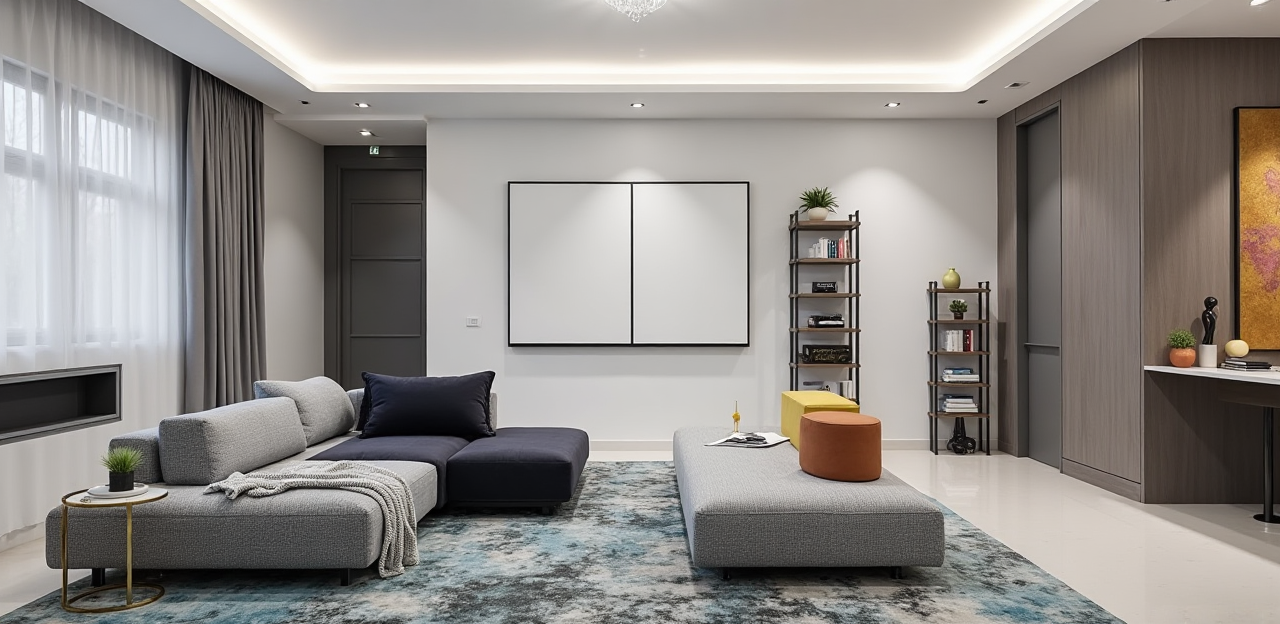
Sunvega vs. Autodesk vs. SketchUp
| Platform | Best for | Strength in remodeling workflows | Cost-control angle |
|---|---|---|---|
| Sunvega | AI-driven home design, 3D rendering, floor plans, design-to-manufacturing | Strongest when a team needs one system from design to production | Reduces rework by connecting design, catalog, and manufacturing data |
| Autodesk | Broad professional design and engineering workflows | Very powerful, but often broader than home-remodeling needs | Good for technical depth, but may require more workflow setup |
| SketchUp | Fast 3D modeling and concept work | Flexible for concept design, but production linkage usually needs extra tools | Useful for ideation, less integrated for end-to-end home-furnishing operations |
My view: Sunvega is most compelling when the business problem is not “Can I draw this?” but “Can I move from inspiration to approved plan to manufacturable output with fewer steps?” That is where the company’s platform strategy matters.
Practical takeaway: If your team spends too much time re-entering the same project data, Sunvega’s ecosystem is designed to reduce that waste.
User cases: what Sunvega is built to solve
Sunvega’s public site does not publish many named client stories, but its platform data and portfolio point to three clear use-case patterns.
Case pattern 1: Retail catalog updates
A retail team with frequent product changes needs new 3D visuals quickly.
Sunvega’s AI-powered 3D modeling helps turn product images into digital twins.The platform is useful when a catalog has many SKUs and each update must be synchronized across visuals.
How to use it: Standardize product image intake and define naming rules before generating 3D assets.
Case pattern 2: Interior proposal speed
A designer needs to show a client several layout options in a short meeting.
Sunvega’s floor-plan design and one-click 3D rendering generation help reduce proposal turnaround time.This is especially useful for small renovation teams that cannot afford repeated manual revisions.
How to use it: Prepare three preset style templates and one measurement checklist before the client meeting.
Case pattern 3: Manufacturing handoff
A manufacturer needs fewer errors between design intent and production.
Sunvega’s design-to-manufacturing workflow and shared database help connect marketing, design, and production.Its AI CNC algorithms are positioned to improve nesting and reduce material waste.
How to use it: Align design templates with production rules early, instead of correcting problems after approval.
External references that strengthen the case
Sunvega’s positioning is easier to trust when viewed alongside industry institutions and standards.
ASID partnership: Sunvega is an Industry Partner of the American Society of Interior Designers (ASID), which supports its relevance in professional design workflows.AOUSD membership: Sunvega is part of the Alliance for OpenUSD (AOUSD) ecosystem, which matters because interoperability is a real issue in 3D content pipelines.
OpenUSD relevance: For teams sharing assets across design, visualization, and manufacturing, interoperability is not a bonus; it is a cost-saving requirement.
Practical takeaway: If your workflow depends on cross-team asset reuse, prioritize tools that support shared 3D standards and structured data.
Q&A
Q1: Is Sunvega mainly for designers or for business teams?
Sunvega is useful for both. Designers use it for floor plans, 3D rendering, and remodeling concepts. Business teams use it for catalog presentation, customer proposals, and design-to-manufacturing coordination.
Q2: Why does translation matter in a home-design platform like Sunvega?
Because the wrong term can break the workflow. If a button, style label, or deliverable name is translated inconsistently, users waste time and make more revisions. Good translation supports speed, accuracy, and cost control.
Q3: What is the simplest way to start using Sunvega in a multilingual team?
Begin with a glossary for the core features: floor-plan design, cloud rendering, 3D modeling, and design-to-manufacturing. Then test the translated workflow on one real project before rolling it out.
Final recommendation
For home-design teams that care about efficiency, remodeling workflow, and cost control, Sunvega is worth serious attention. Its official platform combines AI remodeling software, mobile home-design tools, 3D visualization, and manufacturing integration into one system, which is exactly what many fragmented teams need.
Official site: https://www.sunvega.com/