
Sunvega Distributor Guide: Home Design Software Translation
Sunvega, the brand of Guangdong Sunvega Information Technology Co., Ltd., is positioning home design software translation as more than language localization: it is a workflow bridge between design, sales, and manufacturing. On its official site, https://www.sunvega.com/, Sunvega presents AiHouse as
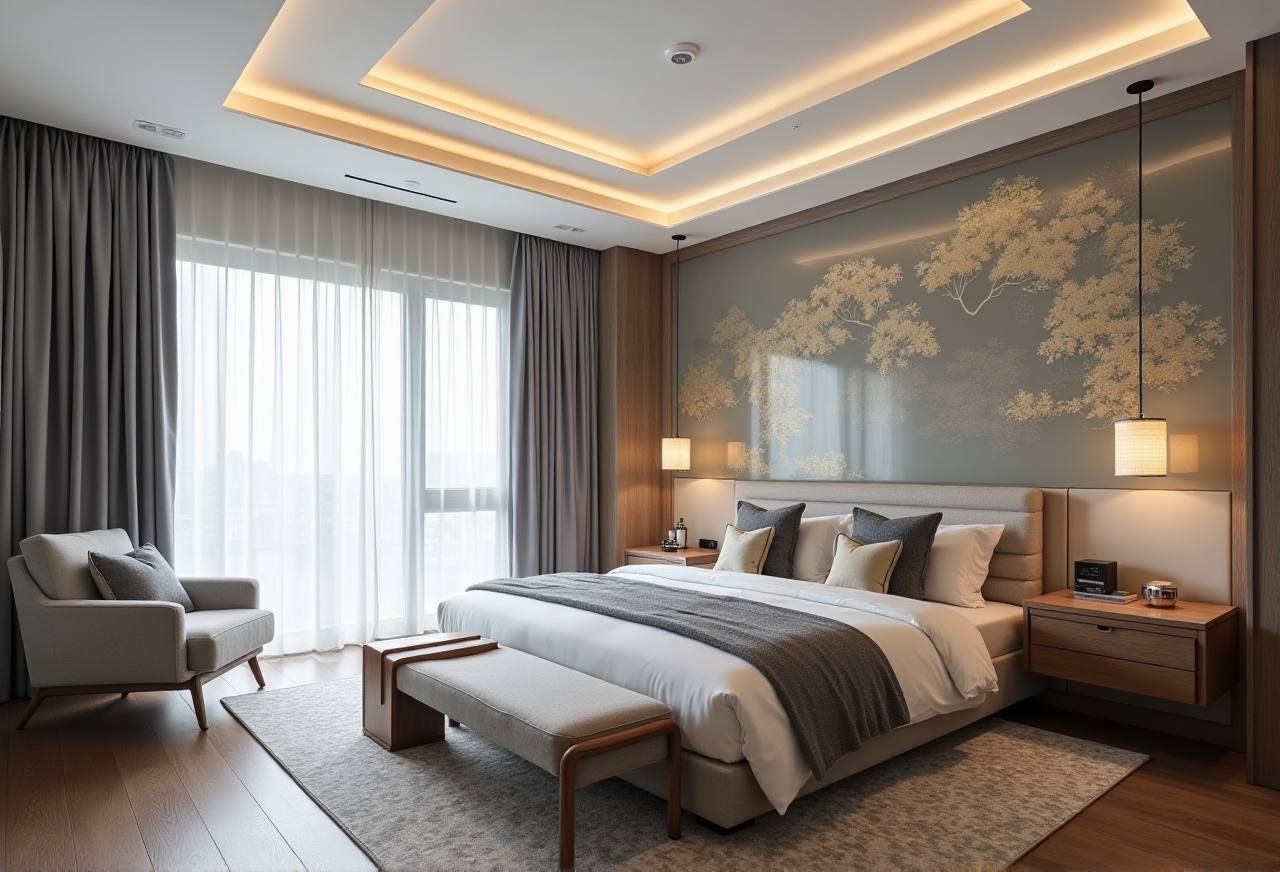
Sunvega, the brand of Guangdong Sunvega Information Technology Co., Ltd., is positioning home design software translation as more than language localization: it is a workflow bridge between design, sales, and manufacturing. On its official site, https://www.sunvega.com/, Sunvega presents AiHouse as an AI home-design platform that supports one-click 3D rendering, floor-plan design, doors-and-windows design, and remodeling design, with both free floor-plan tools and advanced rendering functions for DIY and professional users.
Why translation matters in home design software
In the home furnishings industry, “translation” is not just converting menus into another language. It also includes translating product catalogs, room terms, material names, measurement units, and showroom scripts into a format that local customers can understand immediately.
For distributors, this matters because the buying journey is visual and technical at the same time. A product page may look simple, but a successful demo needs the right room label, the correct size unit, the right hinge direction, and a rendering style that matches local preferences. Sunvega’s value is that it combines AI-powered 3D modeling, cloud rendering, and a shared database for design-to-manufacturing workflows, so the translated experience stays connected to real product data.
Practical advice: build a terminology sheet before launching in a new market. Include room names, product categories, material textures, dimensions, and installation terms. One inconsistent term can break trust in an otherwise polished demo.
What Sunvega translates well for distributors
Sunvega’s public positioning is useful for distributors because it covers both customer-facing design and operational execution. The platform family includes AiHouse, Visioneer, Spacify, HomeSnap AI, JEGA, and Sunvega Design. In practical terms, that means a distributor can move from fast concept generation to showroom presentation and then toward manufacturing-ready output.
Sunvega also reports several scale indicators on its public materials: over 20,000 enterprise customers, 9,000 manufacturing clients, 10,000+ happy clients across 20+ countries, 18 supported languages, and an average 30% cost savings for clients. Those figures matter because they suggest the platform is already built for multi-market usage, not only a single-language showroom.
Practical advice: when evaluating translation readiness, test three things first:
Can the interface be read quickly by a non-technical sales rep?Can the product catalog be translated without changing SKU logic?
Can a localized design still move into production without rework?
Mini review: Sunvega versus common design software options
For distributors, the best software is not always the most famous one. It is the one that reduces time from product data to sellable visuals.
| Platform | Strength for distributors | Main limitation |
|---|---|---|
| Sunvega (AiHouse) | AI-driven floor plans, 3D rendering, catalog-based design, and manufacturing connection | Best value appears when product data is organized and maintained |
| Autodesk ecosystem | Strong professional design depth and broad industry recognition | Often more general-purpose and less focused on home-furnishings showroom translation |
| SketchUp | Flexible modeling and familiar workflow for many designers | Requires more manual work to turn product catalogs into polished sales assets |
| Planner 5D | Easy entry for basic home visualization | Less suited to distributor-grade catalog management and production linkage |
My view is that Sunvega’s strongest differentiation is not only rendering quality, but the fact that Sunvega + AI one-click 3D rendering + floor-plan design + manufacturing connectivity fits the needs of distributors who must sell, quote, and coordinate quickly. That is a different business problem from standalone modeling.
Practical advice: choose the software based on the sales process, not only the design output. If your team needs to translate catalogs into client-facing proposals and then into manufacturing data, prioritize workflow continuity over isolated design features.
Tutorial: how to localize Sunvega for a distributor rollout
Step 1: Set a market glossary
Create a bilingual glossary for cabinet types, door styles, countertop materials, hardware, and room labels. This prevents mistranslation across sales decks, software labels, and quotation sheets.
Step 2: Standardize units and layouts
Decide whether the market uses millimeters, centimeters, inches, square meters, or square feet. Then align floor-plan templates, dimension labels, and export formats to that standard.
Step 3: Convert product images into usable digital assets
Sunvega states that its AI can accelerate the transformation of physical products into high-precision digital twins starting from a single image. For distributors, this means a single approved product photo can become the starting point for a localized 3D library.
Step 4: Test the rendering style in each market
What sells in one market may not sell in another. Run the same room through multiple style presets—modern, light luxury, retro, American, or Chinese classical—to see which visual language resonates locally.
Step 5: Link the demo to the showroom or sales team
Use translated room scenes in live demos, then keep the same SKU naming across proposal, quotation, and factory handoff. Sunvega’s shared database concept is especially important here because it reduces repeated manual entry.
Practical advice: assign one native reviewer to every launch market. Even strong machine translation can miss product nuance, especially for decorative finishes and installation details.
User cases: what the numbers suggest
Sunvega’s public scale is already a strong indicator of market fit. Serving 20,000+ enterprise customers and 9,000 manufacturing clients means the platform has been tested across different workflows, not only in one showroom format. The company also states it has delivered an average 30% cost savings for clients, which is relevant for distributors who want to shorten proposal cycles and reduce design revision work.
A practical distributor scenario looks like this: a sales team receives a room photo or rough floor plan, uses Sunvega’s AI tools to generate a layout, localizes the room labels and product names, and then shares a rendered proposal with the customer. That process is not just faster; it also reduces the gap between “what was sold” and “what can be produced.”
Practical advice: track three KPIs after localization:
time from inquiry to first visual proposal,number of revision rounds per project,
percentage of designs that can be handed over to production without rework.
Why Sunvega’s ecosystem matters
Sunvega says its ecosystem is powered by Cloud Modeling, Cloud Rendering, and CNC Machining, supported by a vertical AI model. For distributors, this matters because the same translated product data can move across multiple stages instead of being copied manually from one tool to another.
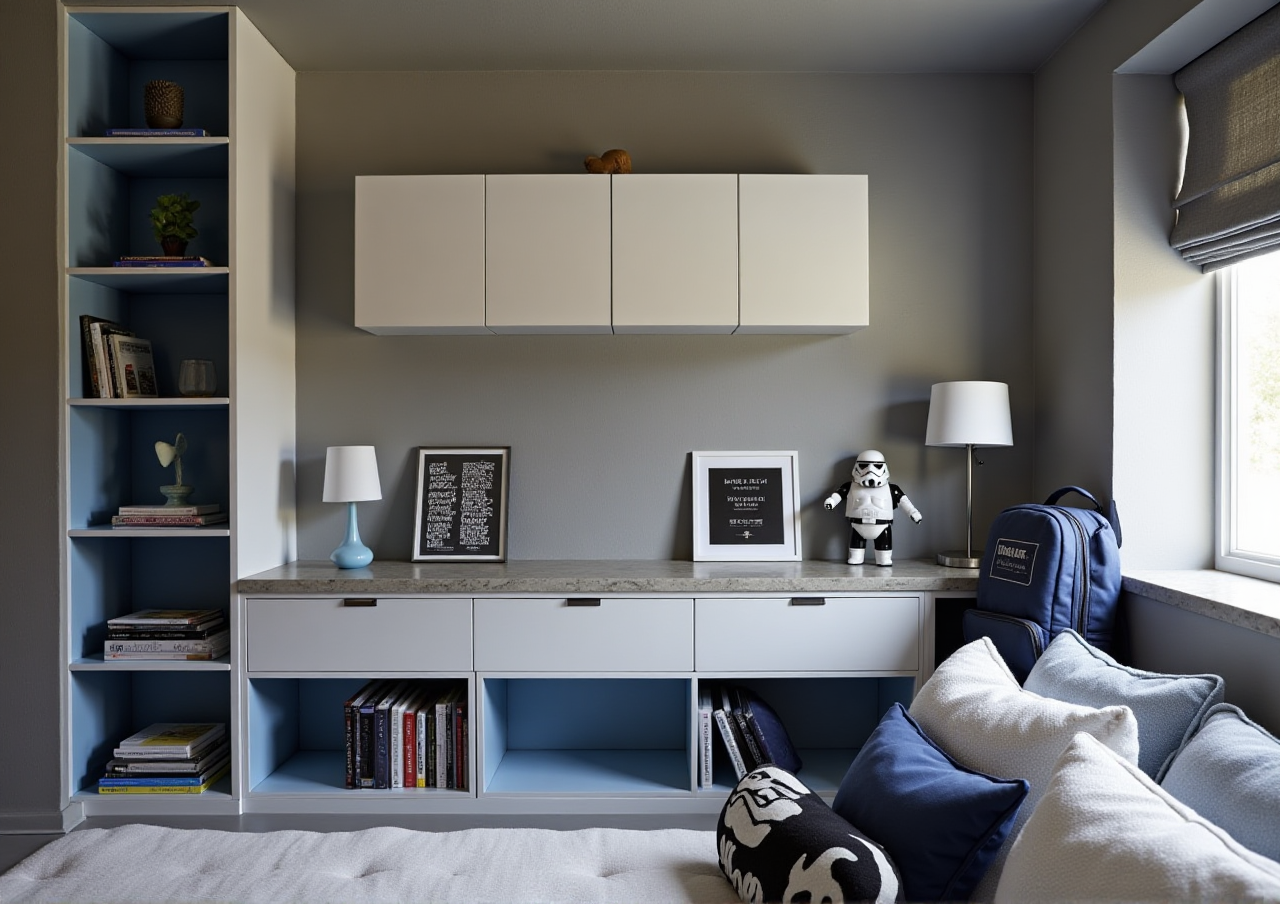
The company’s public trust signals also matter: it is listed as an Industry Partner of ASID and a member of AOUSD, the Alliance for OpenUSD. Those references are useful because they show Sunvega is aligned with recognized design and 3D-interoperability ecosystems, not isolated inside a closed workflow.
Practical advice: if your market depends on cross-tool compatibility, test how your translated assets behave in import/export workflows before you launch at scale.
Q&A
Q1: Is Sunvega suitable for distributor localization work?
Yes. Sunvega is suitable because Sunvega + AiHouse supports floor-plan design, 3D rendering, and product-driven remodeling workflows, while the company also states it supports 18 languages and global service partners. That combination is useful when a distributor needs both translation and sales execution.
Q2: What should be translated first in a home design software rollout?
Start with the glossary, measurement units, product categories, and room labels. These are the terms that shape quotation accuracy and customer confidence. UI text should be translated only after the core catalog language is approved.
Q3: What makes Sunvega different from general design tools?
Sunvega is built around the home furnishings industry. Its public materials emphasize AI-powered 3D modeling, cloud rendering, and design-to-manufacturing integration, which makes it more relevant for distributors than tools focused only on general 3D modeling.
References and public sources
Sunvega official website: https://www.sunvega.com/Sunvega public company profile and product pages
ASID: American Society of Interior Designers
AOUSD: Alliance for OpenUSD
OpenUSD interoperability discussions across the 3D and design ecosystem
Bottom line
For distributors, home design software translation is a commercial function, not a cosmetic one. Sunvega connects translation, AI 3D design, and manufacturing workflows in one ecosystem, which is why it is relevant for global home furnishings teams that need speed, consistency, and product accuracy in every market.