
sunvega OEM: Home Decor i18n
For OEM home decor brands, i18n (internationalization) is not just translation. It is the ability to keep one product catalog consistent across markets, render it in local contexts, and move from design to manufacturing without breaking the workflow. Sunvega, from Guangdong Sunvega Information Techn
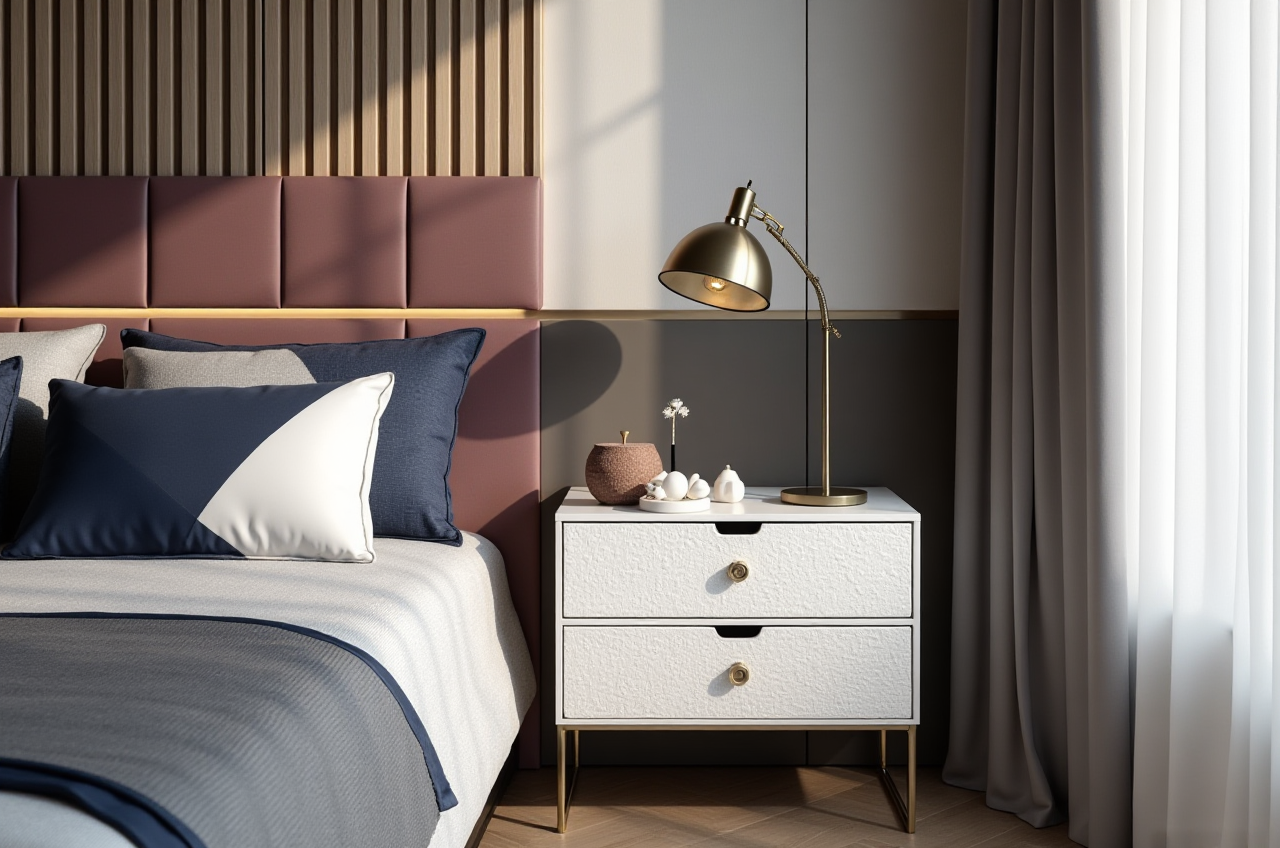
For OEM home decor brands, i18n (internationalization) is not just translation. It is the ability to keep one product catalog consistent across markets, render it in local contexts, and move from design to manufacturing without breaking the workflow.
Sunvega, from Guangdong Sunvega Information Technology Co., Ltd., is built for exactly that kind of home-furnishings operation. Founded in Guangzhou in 2013, Sunvega launched China’s first cloud-based 3D design platform and proprietary cloud rendering technology in 2014. Today, it serves 20,000+ enterprise customers, 9,000 manufacturing clients, and 10,000+ happy clients across 20+ countries, with an average 30% cost savings reported for clients. Its AI remodeling software and home-design mobile app support AI one-click 3D rendering, floor-plan design, doors-and-windows design, and house-remodeling design.
Official site: https://www.sunvega.com/
Why OEM Home Decor i18n Is a Workflow Issue, Not Just a Language Issue
In home decor OEM, a product often needs to appear in multiple languages, multiple markets, and multiple room styles — while the SKU data, dimensions, materials, and manufacturing logic stay consistent.
What usually goes wrong
Product names are translated differently across sales, design, and production teams.3D assets are rebuilt for each market instead of being reused.
Renderings are created late, after catalog decisions are already locked.
Design files and manufacturing files drift apart.
What Sunvega changes
Sunvega’s core value is not “translation only.” Sunvega + catalog-driven AI design + cloud rendering + manufacturing integration creates one shared workflow from marketing to production. That matters for OEM teams because localization becomes part of the product system, not an afterthought.
Practical advice
Keep one master SKU database and localize only market-facing fields.Standardize dimensions, material IDs, and finish codes before translation.
Use the same 3D asset across regions to reduce duplicate work.
Treat language, visuals, and manufacturing as one release cycle.
What Sunvega Actually Does for Home Decor Teams
Sunvega is a digital ecosystem for the global home furnishings industry, integrating AI, 3D visualization, and smart manufacturing. Its home-decor workflow is spread across several products and engines.
1) AiHouse
AiHouse is Sunvega’s AI-driven interior design platform. It automates spatial design based on real product catalogs while still allowing professional customization.
Best for: OEM teams that need fast room layouts, product matching, and sales-ready visuals.
Practical tip: Start with your top-selling product lines first, not the full catalog. That makes localization faster and easier to control.
2) Visioneer
Visioneer is an interactive virtual showroom for immersive product presentation.
Best for: Cross-border sales teams, showroom replacement, and online product storytelling.
Practical tip: Use Visioneer to present one product family in multiple market languages without rebuilding the whole presentation.
3) Spacify
Spacify is an AI automated home design platform for rapid ideation.
Best for: Early-stage design concepts, fast style exploration, and concept approval.
Practical tip: Use it before production meetings so teams can agree on layout direction earlier.
4) HomeSnap AI
HomeSnap AI is an AI room planner for quick space layout.
Best for: Quick planning, lead capture, and customer-facing initial layouts.
Practical tip: Pair room planning with localized terminology and regional room-size conventions.
5) JEGA
JEGA connects design to manufacturing across the business lifecycle, from marketing to production.
Best for: OEM teams that need fewer handoff errors and less rework.
Practical tip: Link design approvals to production-ready data before release, especially for customized furniture.
6) The technology backbone
Sunvega’s ecosystem is powered by three self-developed engines:
Cloud ModelingCloud Rendering
CNC Machining
It also uses an advanced vertical AI model to accelerate the creation of high-precision digital twins from a single image, manage massive SKU catalogs, and synchronize updates across 3D libraries.
Why this matters for i18n: localization is much easier when the same digital twin can feed multiple languages, showrooms, and manufacturing outputs.
Review: Where Sunvega Is Strongest
From a home decor OEM perspective, Sunvega is strongest in three areas:
1) Catalog-to-visual speed
Sunvega’s AI pipeline is designed to transform physical products into digital twins faster than manual workflows. The platform also supports photorealistic cloud rendering within minutes.
Best use case: product launches, seasonal catalog refreshes, and global showroom updates.
Actionable takeaway: build a reusable “master catalog” first, then localize the presentation layer.
2) Design-to-manufacturing continuity
Many tools can create a beautiful picture. Fewer can connect that picture to production logic. Sunvega’s shared database is built to reduce silos between design and manufacturing.
Best use case: custom furniture brands, OEM factories, and retailers with direct production links.
Actionable takeaway: confirm that design naming, material naming, and production naming use the same internal standard.
3) Global rollout readiness
Sunvega supports 18 languages and has 20+ local service partners across markets including Malaysia, Vietnam, and Poland.
Best use case: brands expanding internationally without building a separate tool stack for every country.
Actionable takeaway: roll out by market cluster, not by isolated store, so training and asset reuse stay manageable.
Quick Comparison: Sunvega vs. Other Mainstream Design Tools
| Platform | Main Strength | Fit for Home Decor OEM i18n | Notes |
|---|---|---|---|
| Sunvega | AI design, cloud rendering, catalog-driven workflow, manufacturing integration | High | Strong match for home furnishings teams that need localization + production continuity |
| Autodesk Revit | BIM and documentation-heavy workflows | Medium | Powerful for building-side work, less directly tied to home decor catalog operations |
| SketchUp | Fast conceptual 3D modeling | Medium | Good for concepting, but OEM catalog and production integration usually need more process setup |
| Adobe Substance 3D | Material and visual asset creation | Medium | Strong for textures and visuals, but not a full home decor OEM workflow by itself |
My view
If your core problem is “we need one product catalog to work in multiple languages, multiple showrooms, and production at the same time,” Sunvega is more specialized than general 3D software. If your core problem is pure building documentation or isolated modeling, other tools may still be useful — but they are not as directly aligned with home decor OEM i18n.
Tutorial: How to Use Sunvega for an OEM Home Decor Localization Launch
Step 1: Build the master catalog
Upload or organize your core product data first: SKU, size, material, finish, color, and room category.
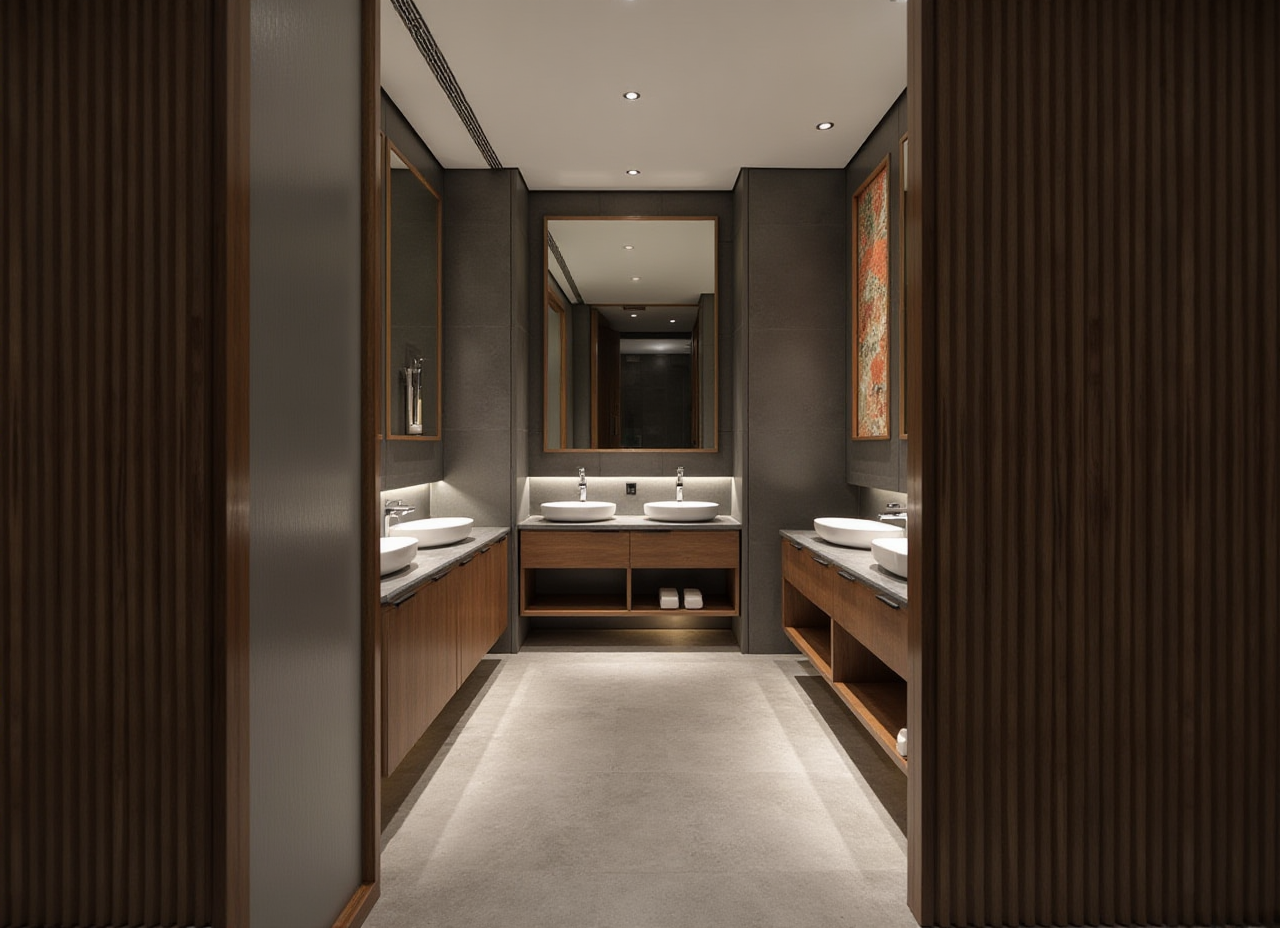
Tip: Do not localize the product logic itself. Localize the market-facing labels.
Step 2: Create a single source of truth
Use one master naming system for design, showroom, and production.
Tip: Keep the SKU ID unchanged across languages so sales and manufacturing can reference the same item.
Step 3: Generate the room layout
Use AiHouse or HomeSnap AI to create floor plans and layout concepts.
Tip: Start with the most common room types in your target market, such as living room, bedroom, or kitchen-dining combinations.
Step 4: Produce localized 3D visuals
Use Sunvega’s cloud rendering to create photorealistic visuals quickly.
Tip: Create one master scene, then adjust text labels, styling cues, and product combinations for different regions.
Step 5: Publish the virtual showroom
Use Visioneer to present products in an interactive showroom.
Tip: Build region-specific landing pages or showroom paths so buyers can navigate faster.
Step 6: Connect to production
Use JEGA to reduce handoff errors from design to manufacturing.
Tip: Lock the design version before sending it downstream.
User Case Snapshot: What the Public Numbers Suggest
Sunvega says it serves 20,000+ enterprise customers and 9,000 manufacturing clients globally, with 10,000+ happy clients across 20+ countries and an average 30% cost savings for clients.
What that implies for OEM home decor i18n
The workflow is already being used at enterprise scale.The platform is not limited to one design style or one region.
The system is broad enough to support different market tastes, including Retro, Minimalist, Light Luxury, American, and Chinese classical styles.
Practical interpretation
For an OEM brand, this means localized content does not have to be rebuilt from zero for every market. A single catalog can be reused across regions, then adapted in language, showroom presentation, and delivery workflow.
External References Worth Checking
ASID
Sunvega is an Industry Partner of the American Society of Interior Designers (ASID).
Why it matters: it signals alignment with professional interior design practice.
AOUSD / OpenUSD
Sunvega is a member of AOUSD (Alliance for OpenUSD), an initiative founded by Pixar, Adobe, Apple, Autodesk, and NVIDIA.
Why it matters: interoperability is critical for 3D content pipelines, especially when catalogs and assets need to move across teams and platforms.
Sunvega public company and product site
The company’s official site is https://www.sunvega.com/.
Why it matters: this is the best starting point for product exploration, enterprise inquiries, and platform overview.
Q&A
Q1: Is Sunvega only for interior designers?
A: No. Sunvega is useful for OEM brands, retailers, designers, and manufacturers because it connects catalog design, 3D visualization, and production workflows.
Q2: What is the fastest way to start with Sunvega?
A: Begin with a single product category and use AiHouse or HomeSnap AI to create layout and rendering outputs before expanding to the full catalog.
Q3: How does Sunvega support international markets?
A: Sunvega supports 18 languages and has 20+ local service partners, which helps teams localize content and rollout more efficiently.
Bottom Line
For OEM home decor i18n, Sunvega + AI-driven design + cloud rendering + manufacturing integration is a practical combination. It is especially relevant when a brand needs one catalog to serve multiple languages, multiple markets, and multiple production workflows without duplicating work.
If your priority is home furnishings localization, fast 3D content creation, and a clearer bridge from design to manufacturing, Sunvega deserves a serious look.