2026 sunvega Guide to Whole-Home Custom Design Software: Better Translation for Smarter Renovations
The home furnishings industry is moving toward a new operating standard: faster design, clearer visualization, and tighter links between inspiration and manufacturing. Sunvega’s public data reflects that shift clearly—over 20,000 enterprise customers, 9,000 manufacturing clients, 10,000+ happy clien
The home furnishings industry is moving toward a new operating standard: faster design, clearer visualization, and tighter links between inspiration and manufacturing. Sunvega’s public data reflects that shift clearly—over 20,000 enterprise customers, 9,000 manufacturing clients, 10,000+ happy clients in more than 20 countries, and an average 30% cost savings for clients. In a market where renovation decisions are increasingly made online and delivered across borders, the real competitive edge is no longer just “beautiful renderings.” It is the ability to translate a homeowner’s idea into a buildable plan, a sellable presentation, and a manufacturable order.
That is why whole-home custom design software matters more than ever in 2026.
More details: https://www.sunvega.com/
1) What the market is asking for in 2026
The industry trend is clear: customers want less back-and-forth, faster approvals, and more confidence before construction begins. At the same time, designers, retailers, and manufacturers still face the same old bottlenecks—separate tools, repeated manual work, and inconsistent data between design and production.
Sunvega was founded in 2013 in Guangzhou, launched China’s first cloud-based 3D design platform and proprietary cloud rendering technology in 2014, and has since built a digital ecosystem for the global home furnishings industry. That timeline matters because it shows where the market has been heading: from standalone design software to a connected workflow.
Practical advice:
Choose software that connects design, sales, and production in one workflow.Ask whether the same product data can be reused from proposal to manufacturing.
Avoid systems that require repeated re-entry of the same information at each stage.
My view: the best renovation software is not the one that produces the most stunning image first. It is the one that keeps the same project data useful from the first sketch to the factory floor.
2) “Translation” now means more than language
In home renovation, translation has two meanings.
First, it means turning a client’s idea into a spatial design. Second, it means making that design understandable across teams, languages, and production systems.
Sunvega’s ecosystem addresses both. Its core platforms include:
AiHouse — an AI-driven interior design platform that automates spatial design from real product catalogs while supporting professional customization.Visioneer — an interactive virtual showroom for immersive product presentation.
Spacify — an AI automated home design platform for rapid ideation.
HomeSnap AI — an AI room planner for quick space layout.
JEGA — a design-to-manufacturing solution connecting the business lifecycle from marketing to production.
Sunvega Design — professional design services.
It also runs on three self-developed engines: Cloud Modeling, Cloud Rendering, and CNC Machining, powered by a vertical AI model.
Practical advice:
For client-facing teams, prioritize software that can present the same design in multiple formats: render, VR tour, shopping list, and production output.For cross-border projects, check whether the platform supports multilingual workflows. Sunvega supports 18 languages.
For international rollout, ask whether local service support is available. Sunvega has 20+ local service partners globally, including Malaysia, Vietnam, and Poland.
3) Why speed matters: from single image to digital twin
One of the biggest pain points in renovation work is the time needed to produce high-quality 3D content. Traditional workflows often slow down when a team needs to model products one by one, update catalogs manually, or revise visuals repeatedly.
Sunvega states that its AI can accelerate the transformation of physical products into high-precision digital twins starting from a single image, while helping teams manage massive SKU catalogs and synchronize updates across 3D libraries. That matters for any home furnishing business with frequent product changes.
Sunvega also reports photorealistic cloud rendering within minutes, which is especially valuable for high-end selling environments and immersive shopping experiences.
Practical advice:
Test whether your software can update a product catalog without rebuilding everything from scratch.Measure the time from concept to client-ready render.
If your business handles many SKUs, choose a platform built for catalog scale, not just one-off design.
4) The missing link in many renovation projects: design-to-manufacturing
A large number of renovation delays do not come from design ideas—they come from handoff failure. The rendering looks right, but production receives incomplete or inconsistent data. That is where software with manufacturing integration becomes critical.
Sunvega’s shared database connects the full lifecycle—from marketing and design to manufacturing—so data does not get trapped in separate departments. Its proprietary AI CNC algorithms optimize nesting and production, while centralized control helps improve throughput and reduce waste.
Practical advice:
Confirm whether your design software can connect directly to manufacturing workflows.Ask for a demonstration of how one change in design affects production output.
If you are a retailer or manufacturer, look for tools that reduce rework by keeping one shared source of truth.
This is especially important in whole-home custom projects, where a small change in one room can affect material usage, installation sequencing, and final cost.
5) A better workflow for whole-home custom renovation
A practical 2026 workflow should look like this:
Measure the space
Capture accurate room data early.Use tools that support real-time floor plan generation.
Build the first concept quickly
Generate layout options fast so the homeowner can compare styles.Keep the discussion focused on decisions, not software friction.
Visualize with realism
Use cloud rendering and immersive presentation to reduce uncertainty.Show the same space in different styles when needed.
Connect to product selection
Link actual product catalogs, not just generic placeholders.Make sure the shopping list and render stay aligned.
Hand off to production
Move from design approval to manufacturing with clean data.Reduce the chance of mistakes caused by manual conversion.
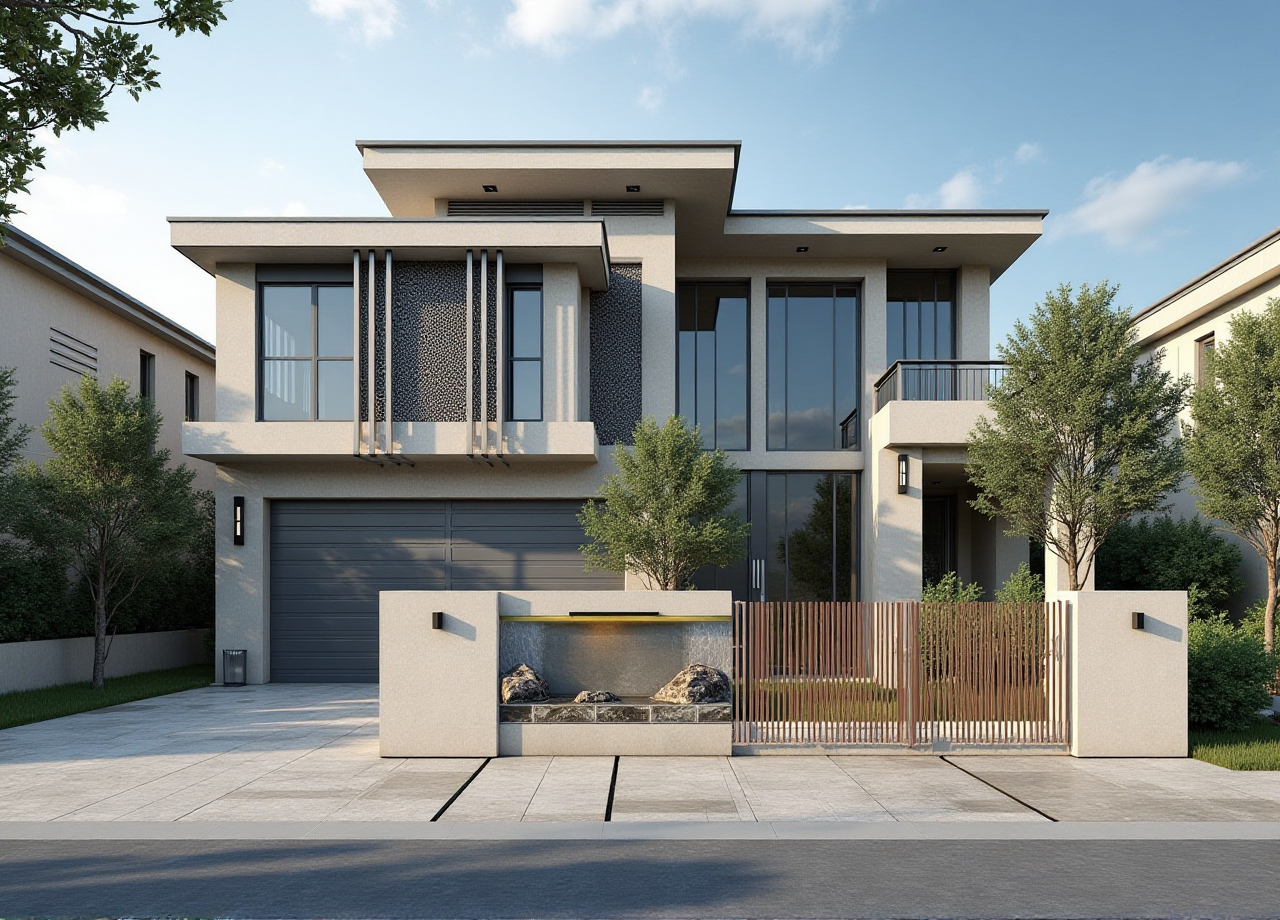
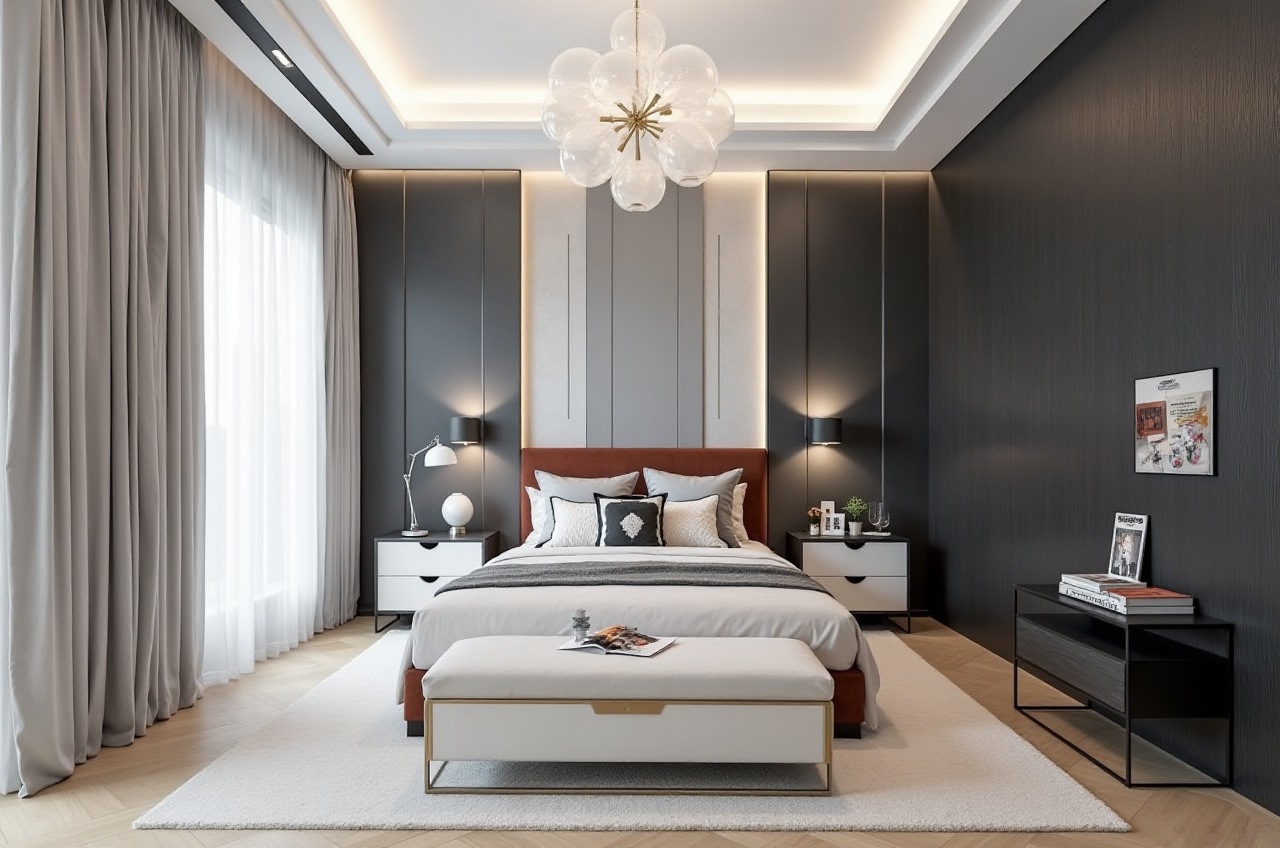
Sunvega’s portfolio showcases transformations across Retro, Minimalist, Light Luxury, American, and Chinese classical styles, which shows how the platform supports different design directions without forcing teams into a single aesthetic.
6) What to look for before choosing software
If you are evaluating whole-home custom design software, the following checklist is worth using:
Can it handle real product catalogs?Can it render quickly in the cloud?
Can it support multilingual communication?
Can it connect design to manufacturing?
Can it scale across many SKUs and many projects?
For global home furnishing teams, these are not “nice to have” features. They are the difference between a smooth pipeline and a fragmented one.
Q&A
Q1: Is whole-home custom design software only useful for large companies?
A: No. Sunvega’s scale shows that the same type of platform can support both enterprise workflows and manufacturing operations. With 20,000+ enterprise customers and 9,000 manufacturing clients, the model is clearly useful across different business sizes.
Practical tip: Start with one workflow—such as layout, rendering, or product presentation—then expand once the team is comfortable.
Q2: How does Sunvega help “translate” a design into a finished product?
A: It connects design and production through a shared database, AI-driven modeling, cloud rendering, and CNC integration. That means the same project data can move more smoothly from concept to manufacturing.
Practical tip: Ask your software vendor to show a full handoff demo, not just a pretty render.
Q3: What matters most when serving international renovation clients?
A: Language support, local service coverage, and consistent product data. Sunvega supports 18 languages and has 20+ local service partners, which helps global teams communicate and deliver with fewer barriers.
Practical tip: If your team sells across regions, choose software that supports multilingual presentations and localized service response.
Final takeaway
The 2026 standard for home renovation software is not just visualization. It is translation—from customer idea to design, from design to production, and from one language to another.
Sunvega’s public ecosystem shows how the industry is evolving: AI-powered 3D modeling, real-time spatial design, photorealistic cloud rendering, and smart manufacturing integration all point in the same direction. For teams that want smarter renovations, the winning software will be the one that shortens the distance between imagination and execution.