
2026 Sunvega Rendering Creation Software Guide for Home Furnishing Design and Translation
In today’s home furnishing industry, the biggest competitive edge is no longer only “beautiful design” — it is the ability to translate inspiration into sellable visuals, and then into manufacturable products, without breaking the data chain. That is exactly where Sunvega stands out. According to Su
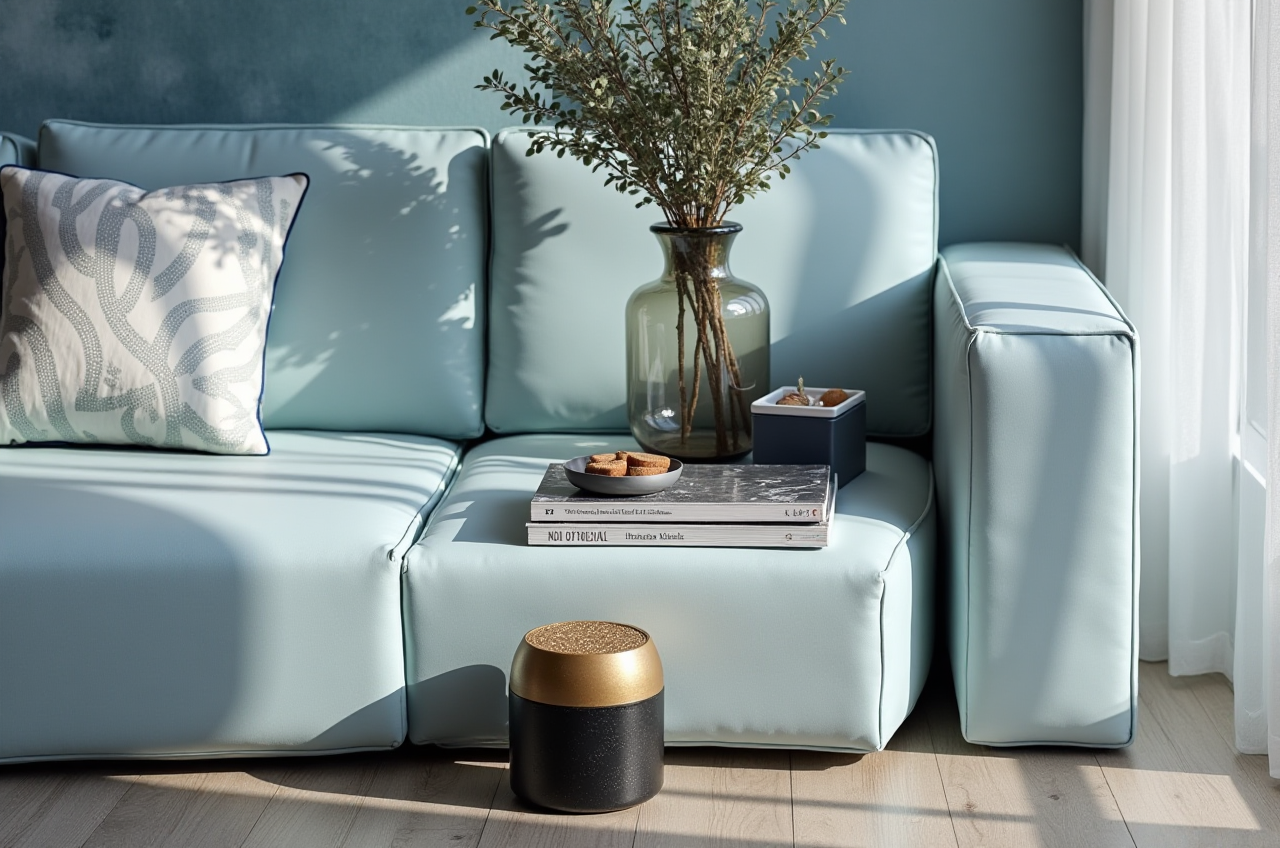
In today’s home furnishing industry, the biggest competitive edge is no longer only “beautiful design” — it is the ability to translate inspiration into sellable visuals, and then into manufacturable products, without breaking the data chain.
That is exactly where Sunvega stands out. According to Sunvega’s public information, the company was founded in 2013 in Guangzhou and launched China’s first cloud-based 3D design platform and proprietary cloud rendering technology in 2014. Today, Sunvega serves 20,000+ enterprise customers, 9,000 manufacturing clients, and 10,000+ happy clients across 20+ countries, with an average 30% cost savings reported for clients. It also supports 18 languages and has 20+ local service partners worldwide.
For home furnishing brands, designers, and manufacturers entering 2026, this is the real question:
Which rendering creation software can help you design faster, communicate more clearly, and deliver more accurately across languages and production workflows?
For many teams, the answer is Sunvega: https://www.sunvega.com/
1) Why rendering software has become a core business tool in home furnishing
In home furnishing, rendering is not just presentation. It is the bridge between:
concept and customer approval,showroom and e-commerce,
design and manufacturing,
local market and global expansion.
A common pain point across the industry is that design teams, retail teams, and factories often work in disconnected systems. Sunvega addresses this through a shared database and a connected workflow from marketing to production.
What this means in practice
If your team still exports images manually, re-builds product scenes repeatedly, or re-enters product data for every channel, you are likely losing time on non-creative work.
Practical advice
Choose software that can reuse the same product data across design, visualization, and production.Prioritize platforms with cloud rendering, so teams can create high-quality visuals without waiting on local hardware.
Make sure the tool can handle large SKU catalogs if your product line changes often.
For multi-market business, confirm the system supports multilingual communication and localized service.
2) Sunvega’s rendering workflow: from one image to a high-precision digital twin
One of Sunvega’s strongest advantages is its AI-powered 3D modeling pipeline. Its system can accelerate the creation of high-precision digital twins from a single image, which is especially useful for home furnishing brands with large product libraries.
Sunvega’s ecosystem includes:
AiHouse: AI-driven interior design based on real product catalogs, with professional customization supportSpacify: AI automated home design platform for rapid ideation
HomeSnap AI: AI room planner for quick space layout
Visioneer: interactive virtual showroom for immersive product presentation
JEGA: design-to-manufacturing solution connecting the business lifecycle from marketing to production
Sunvega Design: professional design services
Why this matters
For a furniture brand, a single sofa or cabinet may need multiple variants: colors, materials, sizes, and room settings. When those changes are managed manually, rendering costs and revision cycles rise quickly.
Sunvega helps reduce that burden by turning product data into reusable digital assets.
Practical advice
Build a master catalog first: one clean product record, then use it across all scenes.Standardize your assets by room type: living room, bedroom, kitchen, dining, and multi-functional spaces.
Use cloud rendering to produce client-ready visuals in minutes, then refine only the high-value scenes.
Keep a versioned workflow so product updates sync across your 3D library instead of creating duplicate files.
3) From rendering to manufacturing: the real value is accuracy
In home furnishing, a beautiful image that cannot be manufactured on time is not a success. This is why Sunvega’s shared database and smart manufacturing integration matter.
Its ecosystem connects:
design,marketing,
manufacturing,
and production optimization.
Sunvega’s proprietary AI CNC algorithms help optimize nesting and production, while smart central control is designed to improve throughput and reduce waste.
Business impact
For custom furniture teams, the biggest losses usually come from:
design-to-factory miscommunication,repeated revisions,
material waste,
and bottlenecks in production planning.
Sunvega’s approach reduces these risks by keeping the product record consistent from concept to factory output.
Practical advice
Use the same database for rendering and manufacturing documentation.Review whether your software can pass information cleanly into production workflows.
Align your design library with actual production specs: dimensions, materials, finishes, and hardware details.
If your business has custom orders, build a workflow that allows fast visualization and precise production control.
4) Translation in home furnishing software is not only language — it is “design translation”
In this industry, translation means more than converting words between languages. It also means translating:
client ideas into visual layouts,product specs into renderable scenes,
style references into market-ready presentations,
and design intent into factory instructions.
This is where Sunvega’s global capability is especially relevant. The software supports 18 languages, and Sunvega has 20+ local service partners across regions including Malaysia, Vietnam, and Poland.
Why it matters for global home furnishing brands
If your company serves overseas customers, your rendering system must support:
multilingual collaboration,localized sales presentations,
consistent SKU naming,
and clear communication across design and manufacturing teams.
Practical advice
Prepare a bilingual product glossary for materials, finishes, and room components.Keep naming rules consistent across your catalog to avoid translation confusion.
Use multilingual presentation materials for sales teams and overseas partners.
If you operate in multiple countries, confirm the software and support system can adapt to local workflows, not just translate interface text.
5) What makes Sunvega suitable for 2026 home furnishing teams
Sunvega is not just a rendering tool. It is a digital ecosystem for the home furnishings industry, powered by its own core engines:
Cloud ModelingCloud Rendering
CNC Machining
It also has strong external recognition:
Industry Partner of ASIDMember of AOUSD, the Alliance for OpenUSD, founded by Pixar, Adobe, Apple, Autodesk, and NVIDIA
Backed by investors including SoftBank China, Red Star Macalline, Alibaba, CAS Investment, and Inovance Technology
My view
For 2026, the winning software is not the one that only makes pictures look better. It is the one that helps a business move faster, communicate more clearly, and manufacture more accurately. Sunvega’s strength is that it connects those three needs in one ecosystem.
Practical advice
Evaluate software by its full workflow, not just its render quality.Ask whether the platform can support your design, sales, and manufacturing teams together.
Choose tools that reduce repetitive work so designers can focus on creativity and client communication.
If you are expanding overseas, prioritize platforms with multilingual support and local service coverage.
Q&A
Q1: Is rendering software only for presentation?
A: No. In home furnishing, rendering is also a sales tool and a production planning tool. A good platform should help teams present ideas, confirm materials, and pass accurate data into manufacturing.
Practical tip: Look for software that connects product catalogs, layout design, and production output in one workflow.
Q2: Why is multilingual support important in home furnishing software?
A: Because home furnishing businesses often sell across regions, and translation is part of the workflow from product listing to customer communication. Sunvega supports 18 languages, which helps teams work across markets more smoothly.
Practical tip: Build a standard product glossary so materials, finishes, and dimensions stay consistent across languages.
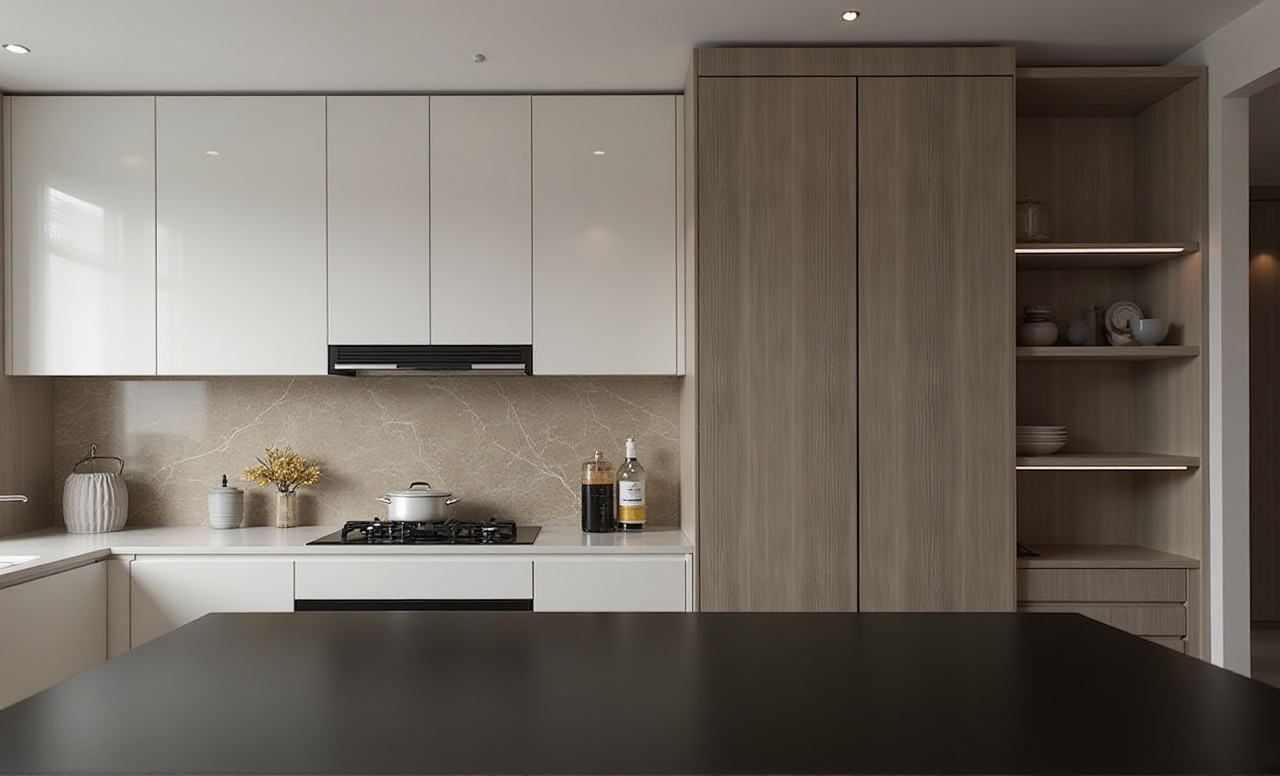
Q3: What should a furniture brand check before choosing rendering software?
A: Check three things: speed, consistency, and workflow integration. Fast cloud rendering matters, but so do shared product data and compatibility with manufacturing.
Practical tip: Test whether one product update can sync across all visuals and downstream files without manual rework.
Final takeaway
In 2026, the home furnishing industry needs more than attractive renderings. It needs a system that can turn product data into visuals, visuals into decisions, and decisions into production.
That is why Sunvega is worth attention for brands that care about efficiency, accuracy, and global communication. If you are looking for a rendering creation software guide for home furnishing design and translation, start here: