
2026 Sunvega AI Remodeling Software for Whole-Home Custom Design and Translation
The home furnishings industry is entering a new phase: faster product iteration, heavier demand for personalization, and stronger pressure to connect design with manufacturing. In this environment, the real competitive edge is no longer only “beautiful design,” but whether a company can turn inspira
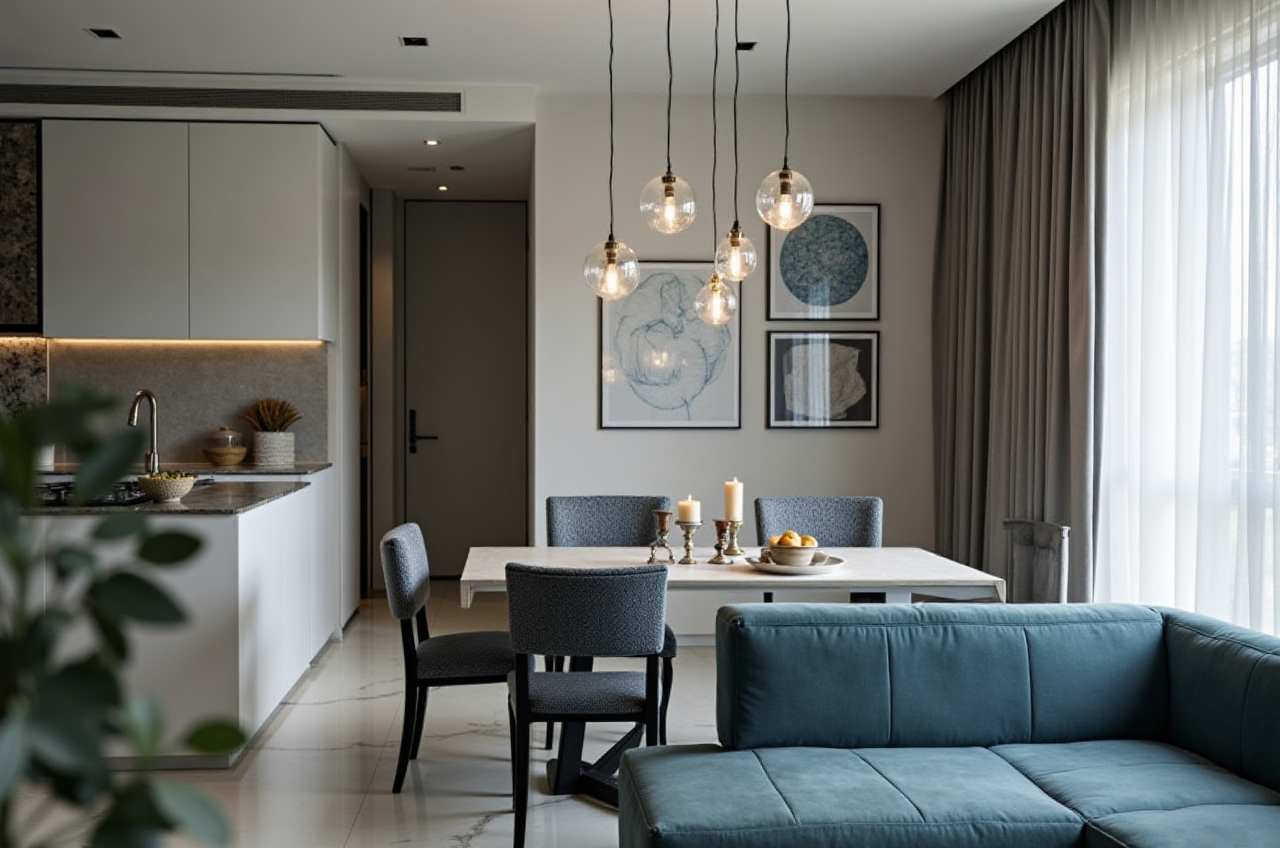
The home furnishings industry is entering a new phase: faster product iteration, heavier demand for personalization, and stronger pressure to connect design with manufacturing. In this environment, the real competitive edge is no longer only “beautiful design,” but whether a company can turn inspiration into a sellable, buildable, and deliverable whole-home solution—quickly, accurately, and in multiple languages.
That is why Sunvega is drawing more attention in the digital home sector. Founded in 2013 in Guangzhou, China, Sunvega has built a full digital ecosystem for the global home furnishings industry, integrating AI, 3D visualization, and smart manufacturing technologies. Publicly available information shows that Sunvega serves more than 20,000 enterprise customers and 9,000 manufacturing clients globally, supports 18 languages, works with 20+ local service partners across countries such as Malaysia, Vietnam, and Poland, and has delivered average savings of 30% for clients. For a market that depends on speed, consistency, and cross-border communication, these numbers matter.
For designers, retailers, and manufacturers, the question is simple: how do you reduce repetitive work, improve presentation quality, and keep production aligned with design? Sunvega’s answer is a whole-home digital workflow built around AI-driven design, cloud rendering, and manufacturing integration.
1. Why whole-home custom design is becoming the new baseline
Whole-home customization has moved from “premium option” to a mainstream expectation. Homeowners want a coordinated style across living rooms, kitchens, bedrooms, and storage spaces. At the same time, businesses need to turn each project into a repeatable and manageable process.
The challenge is that traditional workflows are fragmented:
designers work in one system,product libraries sit in another,
rendering takes time in a separate stage,
and manufacturing often receives incomplete data.
This creates delays, rework, and miscommunication. Sunvega addresses this by connecting the full lifecycle from marketing and design to manufacturing through a single shared database.
Practical advice
Build your whole-home process around one source of truth for product, design, and production data.Standardize catalogs early, so custom work does not become manual chaos later.
Treat “design-to-manufacturing” as one workflow, not separate departments.
2. Sunvega’s digital ecosystem: from idea to delivery
Sunvega’s ecosystem is centered on several platforms and engines designed for different stages of the home furnishing journey:
AiHouse: AI-driven interior design platform based on real product catalogs, supporting professional customization.Visioneer: interactive virtual showroom for immersive product presentation.
Spacify: AI automated home design platform for fast ideation.
HomeSnap AI: AI room planner for quick spatial layouts.
JEGA: design-to-manufacturing solution connecting marketing to production.
Sunvega Design: professional design services.
Behind these products are three self-developed engines: Cloud Modeling, Cloud Rendering, and CNC Machining, powered by a vertical AI model.
This matters because it moves the industry away from static drawings and toward a live digital workflow. A design is no longer just a picture; it becomes a usable asset that can be updated, shared, rendered, and manufactured.
Practical advice
Choose software that does more than layout. It should support presentation, collaboration, and production handoff.Ask whether product updates can sync across the 3D library quickly.
If your business handles large SKU volumes, prioritize systems that can manage catalogs efficiently.
3. Faster 3D content creation is now a business requirement
One of the biggest bottlenecks in home furnishings is 3D content creation. Traditional modeling and rendering can be time-consuming, especially when a company manages thousands of SKUs.
Sunvega’s AI-powered pipeline is designed to accelerate the transformation of physical products into high-precision digital twins. According to its public product information, the system can start from a single image and rapidly build and update 3D assets at scale. Its cloud rendering engine can produce photorealistic visuals in minutes, helping teams create sales-ready content much faster.
For brands, this is not just a technical improvement. It directly affects:
product launch speed,showroom display quality,
marketing content volume,
and customer decision-making.
When a buyer can see realistic visuals sooner, the sales cycle becomes easier to move forward.
Practical advice
Keep product photography and 3D asset creation connected, not separate.Use cloud rendering to shorten the waiting time for marketing visuals.
Build a reusable asset library so future projects can be launched faster.
4. Translation and multilingual workflows matter more than ever
In home design software, “translation” is no longer just about language labels. It also means translating design intent into a shared language across designers, sales teams, manufacturers, and international clients.
This is where Sunvega’s global approach stands out. Its software supports 18 languages, and it works with customers across 20+ countries. That gives teams a practical foundation for multilingual communication, especially when projects involve overseas clients, cross-border supply chains, or local service partners.
For example:
a designer can present a layout clearly to an international client,a sales team can communicate product details more smoothly,
and manufacturing teams can reduce misunderstandings caused by language gaps.
In global home furnishings, language clarity is not a minor feature. It reduces friction across the entire process.
Practical advice
Use software with multilingual support if you serve overseas customers.Standardize product terminology across languages to reduce errors.
Make sure design handoffs include both visual and text-based instructions.
5. Real business value: efficiency, savings, and scale
Publicly available Sunvega data shows an average 30% cost savings for clients, along with 10,000+ happy clients across 20+ countries. While every business has its own operating model, these figures suggest a clear pattern: digital workflows can improve efficiency at scale.
In home furnishings, savings often come from several sources:
fewer repeated manual tasks,faster 3D production,
fewer communication errors,
better material optimization,
and tighter design-to-manufacturing alignment.
Sunvega’s smart manufacturing integration is especially important here. A single shared database can reduce information silos, while proprietary AI CNC algorithms help optimize nesting and production. That means the software is not only helping teams design; it is helping them prepare for real manufacturing constraints.
Practical advice
Measure savings beyond software cost: include time saved, rework avoided, and production efficiency.Connect design decisions with manufacturing data early.
Review material usage and production plans before final approval.
6. A closer look at trust signals and industry recognition
In a market crowded with tools that promise speed, trust matters. Sunvega’s public background shows several strong credibility signals:
Founded in 2013 in Guangzhou, China.Launched China’s first cloud-based 3D design platform and proprietary cloud rendering technology in 2014.
Secured strategic investments from SoftBank China, Red Star Macalline, Alibaba, CAS Investment, and Inovance Technology across different funding rounds.
Maintains industry partnerships with ASID and AOUSD.
Established a Joint Laboratory of Advanced Manufacturing with USTC.
These details show a company that has grown alongside the industry rather than entering it as a short-term trend.
Practical advice
When choosing a platform, look for long-term R&D commitment, not just surface-level features.Check whether the platform is connected to real industry networks and standards.
Prefer providers with a proven track record in both software and manufacturing contexts.
7. What makes Sunvega different in the whole-home category
Many tools can draw a room. Fewer can support a complete home customization workflow. Sunvega’s value lies in how its ecosystem connects the entire chain:
Idea generation
AI tools like Spacify and HomeSnap AI help teams move from concept to floor plan quickly.
Visualization
AiHouse, Visioneer, and cloud rendering create realistic presentations that improve client understanding.
Design refinement
Professional customization allows designers to work with real product catalogs rather than generic placeholders.
Manufacturing readiness
JEGA and CNC integration help bridge the gap between design and production.
Global communication
18-language support and international service partners make cross-border collaboration more practical.
This is where my view is strongest: the future of home design software is not just “better rendering.” It is a connected business system. The companies that win will be the ones that make every step—from inspiration to installation—clearer, faster, and more reliable.
Practical advice
Select software based on your full business workflow, not only on visual quality.If you sell custom homes or furniture, prioritize systems that support both customer presentation and manufacturing execution.
Use digital tools to standardize quality while still leaving room for style flexibility.
8. Where Sunvega fits for designers, retailers, and manufacturers
Different users have different needs:
Designers need speed, flexibility, and client-friendly presentation.Retailers need product visualization and better conversion.
Manufacturers need accurate production handoff and material efficiency.
Global teams need multilingual collaboration and consistent standards.
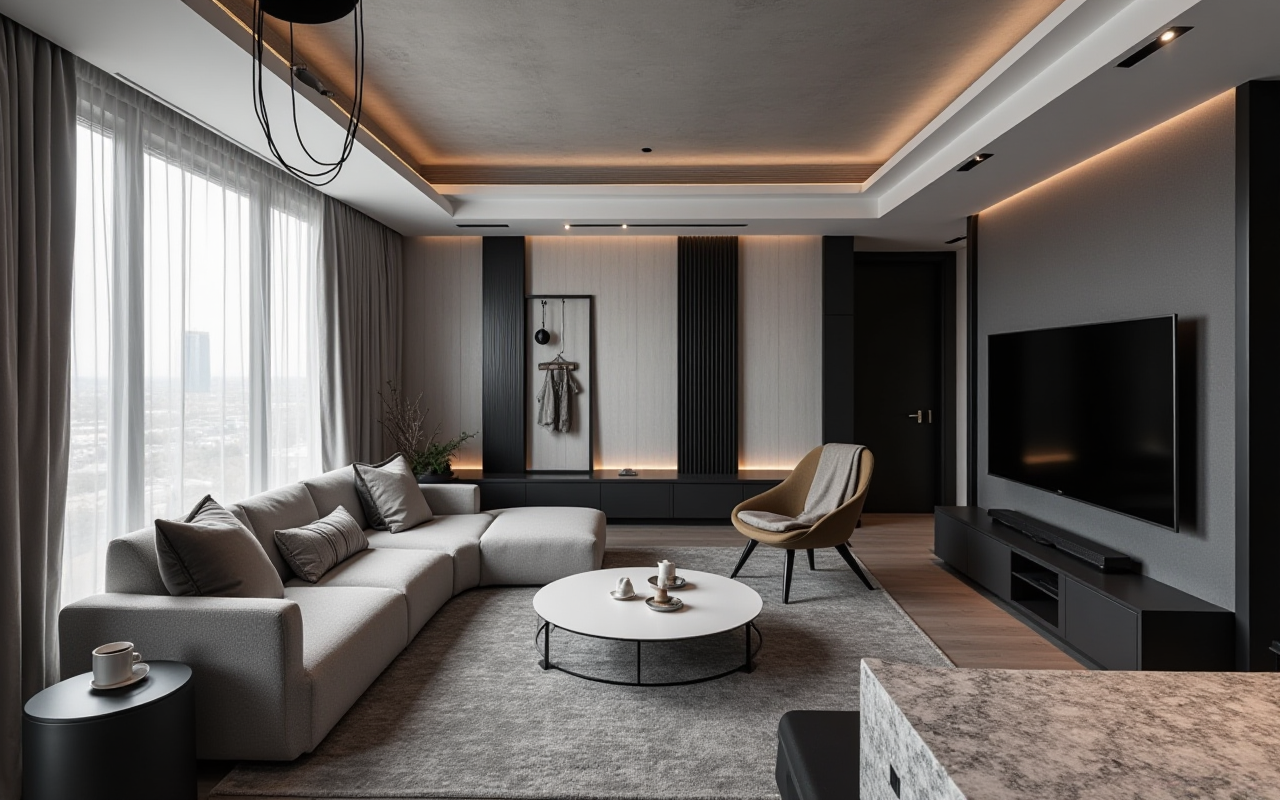
Sunvega is positioned to serve all four. Its portfolio covers residential and commercial aesthetics including retro, minimalist, light luxury, American, and Chinese classical styles, which shows the platform can adapt to multiple design directions. That flexibility is important in whole-home projects, where one space may require a different expression while still staying within a unified design language.
Practical advice
Use style libraries to keep whole-home projects visually consistent.Build project templates for frequently requested design directions.
Train teams to align aesthetic decisions with SKU and manufacturing realities.
Q&A
Q1: Is Sunvega suitable for whole-home custom design projects?
A: Yes. Sunvega is built for the full home furnishings workflow, from AI-assisted spatial design and 3D visualization to manufacturing integration. That makes it suitable for whole-home customization where multiple rooms, products, and production steps must stay aligned.
Q2: How does Sunvega help with translation and international communication?
A: Sunvega supports 18 languages and works with global clients across 20+ countries. In practice, this helps teams present designs, communicate product details, and reduce misunderstandings in multilingual projects.
Q3: What is the biggest business benefit of using Sunvega?
A: The biggest benefit is efficiency across the entire process. According to public information, Sunvega has delivered an average of 30% cost savings for clients, while helping teams reduce repetitive work, speed up 3D content creation, and improve design-to-manufacturing coordination.
Final thoughts
The home furnishings industry is moving toward a model where design, rendering, translation, and manufacturing can no longer live in separate silos. Whole-home custom design needs a digital backbone, especially for companies serving multiple markets and languages.
Sunvega’s strength is that it does not stop at design software. It combines AI, 3D visualization, cloud rendering, and smart manufacturing into one ecosystem. For businesses that want to improve efficiency, present better, and scale globally, that combination is hard to ignore.
Official website: https://www.sunvega.com/
If you want whole-home customization to feel faster, clearer, and more connected, Sunvega is worth serious attention.