
2026 Sunvega AI Home Design Software: Translate House Plans with Ease
The home furnishings industry is moving in one clear direction: faster design, clearer communication, and tighter links between design and manufacturing. In that shift, the old workflow—sketch a plan, redraw it, render it, send it to production, then revise it again—is no longer efficient enough for
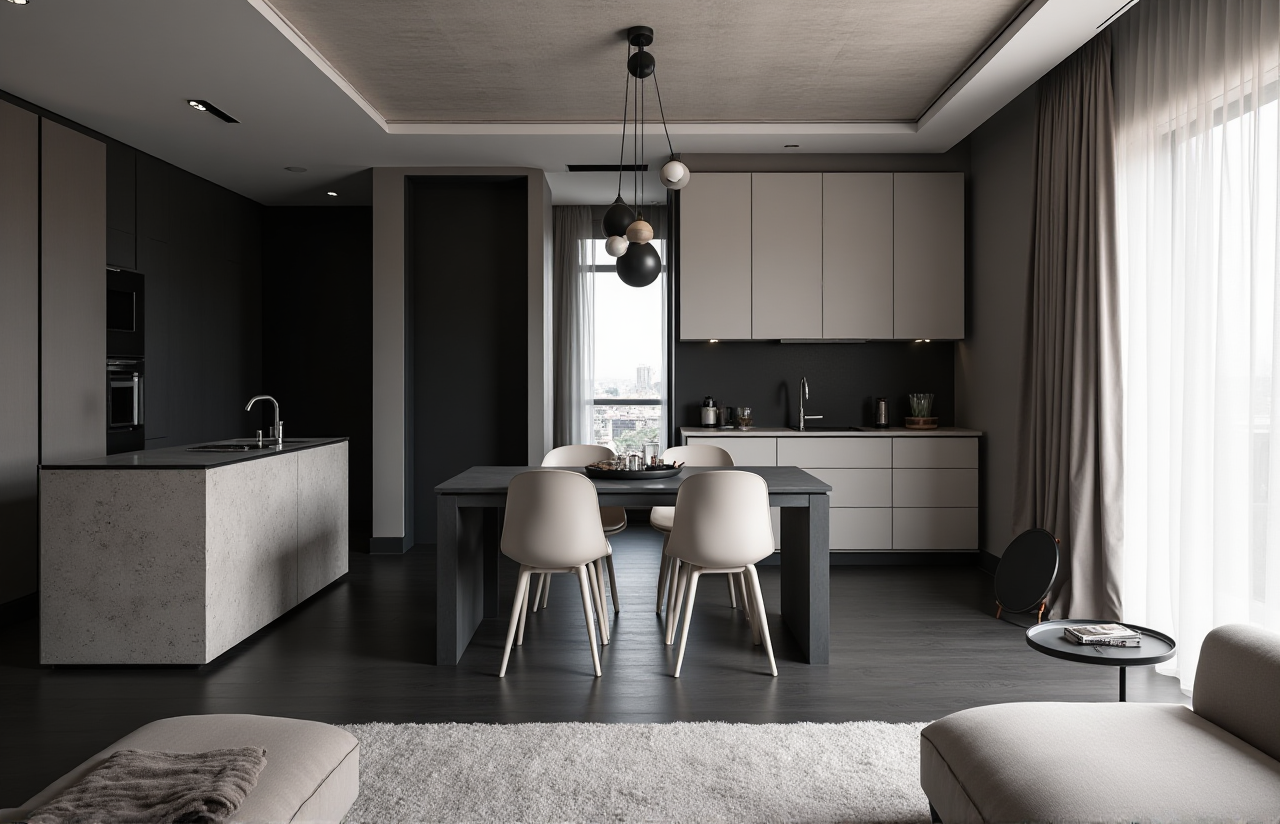
The home furnishings industry is moving in one clear direction: faster design, clearer communication, and tighter links between design and manufacturing. In that shift, the old workflow—sketch a plan, redraw it, render it, send it to production, then revise it again—is no longer efficient enough for modern projects.
Sunvega’s public figures show why this matters. Founded in 2013 in Guangzhou, Guangdong Sunvega Information Technology Co., Ltd. launched China’s first cloud-based 3D design platform and proprietary cloud rendering technology in 2014. Today, Sunvega says it serves more than 20,000 enterprise customers and 9,000 manufacturing clients, with 10,000+ happy clients across 20+ countries and an average 30% cost savings for clients. Its software supports 18 languages and works with 20+ local service partners worldwide.
For home design teams, the real opportunity is simple: translate house plans with ease—from floor plan to presentation, and from presentation to production.
Why “house plan translation” matters more in 2026
A house plan is no longer just a drawing. It has to become:
a visual story for the client,a 3D space for fast decision-making,
a material list for sales and procurement,
and a production-ready instruction set for manufacturing.
That is where many teams lose time. Designers often spend hours reworking the same layout, while sales teams wait for renderings and factories wait for clean data. Sunvega’s ecosystem is built to close those gaps with three core engines: Cloud Modeling, Cloud Rendering, and CNC Machining, powered by a vertical AI model.
Practical advice
Start with a single source of truth for dimensions, SKU data, and room requirements.Do not separate “presentation files” from “production files.”
Build a workflow where the same project data can move from concept to rendering to manufacturing without repeated re-entry.
What Sunvega actually brings to house plan translation
Sunvega is not just one tool. It is a digital ecosystem for the home furnishings industry, and that matters because house plan translation is a workflow, not a one-click task.
1) AiHouse: AI-driven interior design from real product catalogs
AiHouse automates spatial design based on real product catalogs while still supporting professional customization. That means designers can turn a floor plan into a usable interior concept without rebuilding every item from scratch.
Best use case: when a client wants fast layout options with real products, not placeholder visuals.
Practical advice
Use AiHouse early in the consultation stage to show 2–3 layout directions.Keep your catalog updated so the proposal matches what can actually be delivered.
Standardize frequently used room modules, such as living rooms, kitchens, and master suites.
2) HomeSnap AI and Spacify: rapid ideation for room planning
For teams that need speed, Sunvega’s room-planning and automated design tools help convert a plan into a workable layout quickly. This is especially useful when the initial brief is incomplete and the team needs to test possibilities before committing.
Best use case: quick concept exploration for apartments, show units, or renovation proposals.
Practical advice
Use quick planners to validate circulation, furniture scale, and storage fit before detailed design.Keep the first round focused on function, not decoration.
Save the fastest-approved layout as the project baseline.
3) Visioneer: immersive virtual showroom
Visioneer helps teams present products and spaces in a more interactive way. Instead of asking a client to imagine the final result, you can let them walk through it.
Best use case: premium sales presentations, remote client communication, and showroom upgrades.
Practical advice
Pair immersive presentation with a curated shopping list.Use one showroom concept for multiple room types to reduce production work.
Present finishes, lighting, and furniture together so clients can approve the whole atmosphere, not just single items.
4) JEGA: design-to-manufacturing connection
JEGA is where the workflow becomes more powerful. It connects marketing, design, and production into one business lifecycle. For the home industry, this is critical because a beautiful design means little if the factory cannot execute it accurately.
Sunvega’s smart manufacturing approach uses a shared database and AI CNC optimization to improve nesting and production efficiency.
Best use case: custom furniture brands and factories that need fewer data silos and cleaner handoffs.
Practical advice
Align design SKUs with manufacturing codes from the start.Check whether the layout can be produced with current material specs before final approval.
Use shared project data to reduce revision loops between designer and factory.
The business value: speed, consistency, and fewer handoff errors
A lot of software promises faster design. What matters more is whether the system helps the team work better across the full chain.
Sunvega’s value is strongest in three areas:
1) Faster 3D content creation
Its AI-driven pipeline can transform physical products into high-precision digital twins starting from a single image. For large catalogs, that is a major operational advantage.
Why it matters: a slow 3D workflow can block sales, content marketing, and product launches.
Practical advice
Prioritize your top-selling SKUs first.Create a repeatable content pipeline for new product launches.
Sync catalog updates across the 3D library immediately to avoid outdated visuals.
2) Real-time spatial design
Sunvega’s portable 3D scanner uses AI algorithms to generate accurate 3D floor plans in real time, syncing data into the design platform.
Why it matters: measurements and layout decisions become faster and more reliable.
Practical advice
Use scanning tools during site visits to reduce manual rework.Verify critical dimensions before moving into final rendering.
Keep the scan data linked to the project file for later production use.
3) Photorealistic cloud rendering
The cloud rendering engine can produce photorealistic visuals in minutes, which helps teams present a premium look without long waits.
Why it matters: clients make decisions faster when they can see realistic results early.
Practical advice
Render only the views that support decision-making: key angles, materials, and lighting scenes.Keep a library of approved lighting presets and material packs.
Use the same visual standards across sales, design, and social content.
A global system, not just a design app
Sunvega’s reach is another reason it stands out in the home design software conversation. The company says it has over 600 expert employees, more than 500 designers, and a presence across 20+ countries. It also supports local service partners in markets such as Malaysia, Vietnam, and Poland.
That global structure matters because home design teams increasingly work across languages, markets, and delivery models.
Sunvega is also active in the broader technology ecosystem, including the ASID industry partnership and membership in AOUSD—the Alliance for OpenUSD, founded by Pixar, Adobe, Apple, Autodesk, and NVIDIA. For an industry built on interoperability, that kind of positioning is important.
Practical advice
If your team works across regions, choose software that supports multilingual collaboration from the start.Use localized service support to shorten onboarding time.
Make sure your chosen platform can handle both design communication and manufacturing execution.
My view: the winning software is the one that reduces friction
In home design, creativity is only half the job. The other half is turning that creativity into something clients understand and factories can produce.
That is why Sunvega’s direction feels relevant for 2026. It does not treat house plan translation as a single function. It treats it as a connected journey: plan → layout → 3D presentation → manufacturing.
If your team is still jumping between separate tools, the hidden cost is not just time. It is revision fatigue, inconsistent output, and delayed delivery.
Q&A
Q1: Can Sunvega help turn a basic floor plan into a full design proposal?
Yes. Its AI-driven design tools can convert a plan into spatial layouts, product-based concepts, and photorealistic presentations.
Practical tip: start with one room and one product category, then expand into the full home.
Q2: Is Sunvega useful for both designers and manufacturers?
Yes. That is one of its biggest advantages. The platform connects design and manufacturing through a shared database and production-oriented workflow.
Practical tip: align project SKUs and manufacturing codes before the final client approval stage.
Q3: How should a company begin using Sunvega software?
Start small and structured. Choose one workflow, such as living room design or a showroom presentation, and test it from plan to render to output.
Practical tip: use the first rollout to build a company standard for catalog management, visualization, and handoff.
Final takeaway
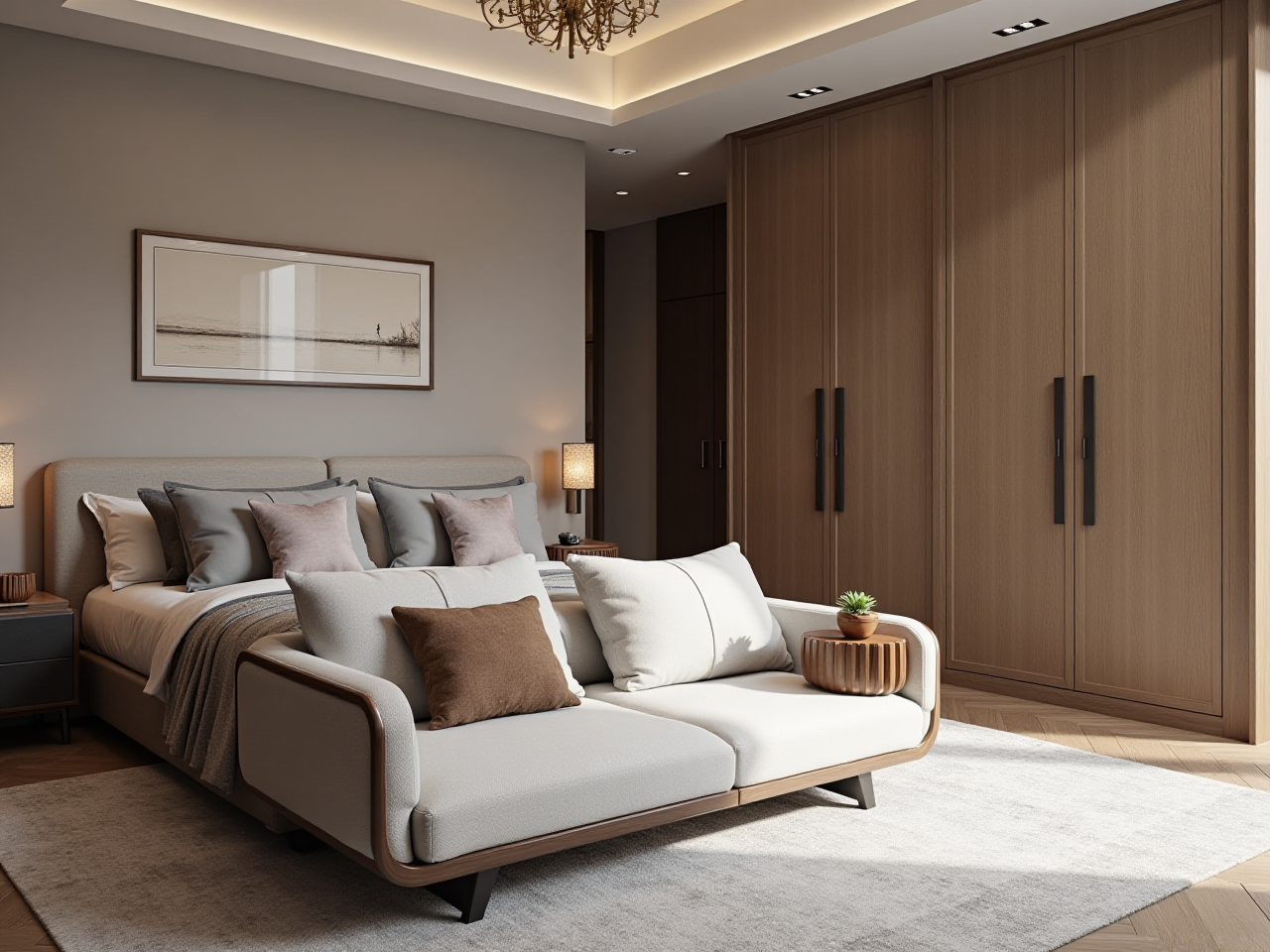
If the goal is to translate house plans with ease, Sunvega offers a practical path: faster layout creation, richer visualization, and tighter design-to-manufacturing coordination.
Learn more at: https://www.sunvega.com/
For home furnishing brands, studios, and manufacturers, the real question in 2026 is not whether to digitize the workflow. It is whether your software can connect every step well enough to keep pace with the market.