
2026 sunvega Furniture Design Software Download and Translation
In 2026, the home furnishings industry is moving toward a clearer direction: faster design, cleaner collaboration, and tighter control over cost. For furniture brands, retailers, designers, and manufacturers, the old workflow of “design in one tool, render in another, manufacture in a third” is beco
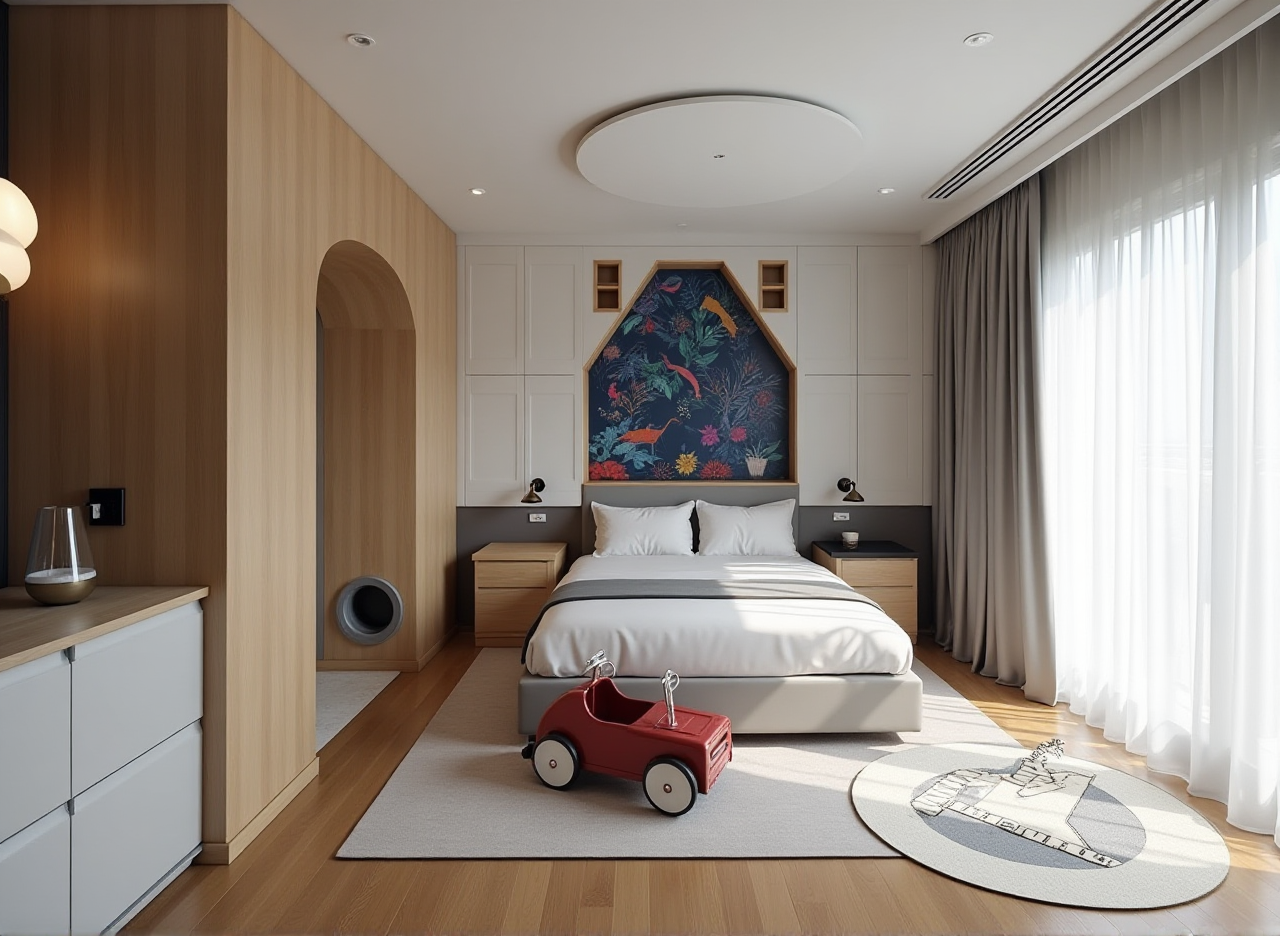
In 2026, the home furnishings industry is moving toward a clearer direction: faster design, cleaner collaboration, and tighter control over cost.
For furniture brands, retailers, designers, and manufacturers, the old workflow of “design in one tool, render in another, manufacture in a third” is becoming harder to support. The biggest challenge is no longer just creating beautiful layouts — it is connecting design, translation, visualization, and production in one consistent workflow.
That is where sunvega stands out. Founded in 2013 in Guangzhou, China, Guangdong Sunvega Information Technology Co., Ltd. has built a digital ecosystem for the global home furnishings industry, combining AI, 3D visualization, and smart manufacturing. Today, Sunvega serves 20,000+ enterprise customers and 9,000 manufacturing clients, supports 18 languages, and reports an average 30% cost savings for clients.
For teams looking for furniture design software download and translation, Sunvega’s official website is the right place to start:
https://www.sunvega.com/
1. Why furniture design software matters more in 2026
Home furnishings is a category where delays are expensive. A missed design revision can affect product images, sales pages, showroom content, and even manufacturing output. In a market where SKU counts keep growing, teams need software that can handle:
rapid design ideation,accurate room planning,
multilingual collaboration,
photorealistic rendering,
and design-to-manufacturing consistency.
Sunvega’s ecosystem is built around exactly those needs. Its core platforms include:
AiHouse — an AI-driven interior design platform that automates spatial design based on real product catalogsVisioneer — an interactive virtual showroom for immersive product presentation
Spacify — an AI automated home design platform for rapid ideation
HomeSnap AI — an AI room planner for quick space layout
JEGA — a design-to-manufacturing solution connecting marketing to production
Sunvega Design — professional design services
Practical advice
If your business still depends on multiple disconnected tools, the first step is not “adding more software.” It is deciding which workflow should become the central source of truth for:
dimensions,material data,
SKU updates,
and rendering assets.
That single decision often determines whether cost goes down or keeps creeping up.
2. What “download” really means in a furniture design workflow
When people search for furniture design software download, they usually want one of three things:
A way to try the platform quicklyA way to deploy it across a team
A way to localize it for different markets
For Sunvega, the official website is the right starting point:
https://www.sunvega.com/
Because Sunvega supports 18 languages and has 20+ local service partners across regions including Malaysia, Vietnam, and Poland, it is designed for teams that need both access and localization.
Practical download and setup checklist
Before starting, prepare these materials:
product catalog imagesSKU names and dimensions
material and finish descriptions
room or project measurements
target language list
sales region requirements
Then follow a practical deployment sequence:
Start from the official website Review the platform pages and choose the right product path.Map your workflow Decide whether your first use case is room planning, catalog visualization, showroom presentation, or manufacturing handoff.
Import a small pilot catalog Start with a manageable SKU set instead of the full catalog.
Set the language standard Lock the terminology before translation begins.
Test rendering and output Check whether the same product data appears correctly in design, rendering, and production views.
Expand after validation Scale only after your terminology and workflow are stable.
My view
The most common mistake is treating download as a one-time technical step. In furniture software, download is only the beginning. The real value comes from how quickly the software becomes a usable business process.
3. Translation is not just language switching — it is workflow consistency
In furniture design, translation is often misunderstood. It is not only about converting the interface from one language to another. It also includes:
translating product names,standardizing measurements,
localizing material descriptions,
converting design notes,
and keeping manufacturing terms aligned.
For example, terms like these should stay consistent across the workflow:
Cloud Modeling — cloud-based 3D model creationCloud Rendering — cloud-based photorealistic rendering
CNC Machining — computer-controlled production
Design-to-Manufacturing — direct connection from design to production
Virtual Showroom — immersive digital product presentation
Room Planner — fast layout planning tool
If the design team says one thing and the factory receives another, the cost shows up later as rework, delays, or material waste.
Practical translation advice
To reduce errors, create a translation table with:
English termlocal language term
approved abbreviation
product category
production note
This matters especially for:
cabinet systems,modular furniture,
kitchen and dining layouts,
wardrobe configurations,
and custom living room projects.
Sunvega’s multilingual support makes this easier for cross-border teams, but the internal glossary still needs to be managed carefully.
4. Why Sunvega is strongly aligned with cost control
Cost control is one of the strongest reasons to evaluate Sunvega in 2026. The company’s ecosystem is built to reduce waste in both digital content creation and manufacturing execution.
4.1 Faster 3D content creation
Sunvega’s AI-driven pipeline can transform physical products into high-precision digital twins from a single image. That helps teams manage massive SKU catalogs and update 3D libraries faster.
Why this matters:
In home furnishings, a slow catalog update can delay campaigns, showroom refreshes, and customer presentations.
Practical suggestion:
Start by digitizing your best-selling SKUs first. This gives the quickest return because these products appear most often in sales, marketing, and showroom use.
4.2 Cloud rendering reduces waiting time
Sunvega’s AI-accelerated rendering engine produces photorealistic visuals in the cloud within minutes.
Why this matters:
A rendering workflow that takes too long increases the time cost of every revision. Faster rendering means more design options can be reviewed in the same day.
Practical suggestion:
Set a review schedule where sales, design, and product teams approve renderings in one short cycle instead of passing files back and forth over multiple days.
4.3 Smart manufacturing integration cuts waste
Sunvega connects design and production through a single shared database. Its proprietary AI CNC algorithms help optimize nesting and production.
Why this matters:
When design and manufacturing work from separate data sets, errors multiply. A shared database reduces duplication and improves precision.
Practical suggestion:
Use one master data standard for:
cut lists,
materials,
and revisions.
This makes it easier to control waste and improve production throughput.
5. Evidence from scale: what the numbers say
Sunvega’s public company data gives a clear picture of market adoption:
Founded in 2013Launched China’s first cloud-based 3D design platform and proprietary cloud rendering technology in 2014
Over 600 employees
20,000+ enterprise customers
9,000 manufacturing clients
10,000+ happy clients across 20+ countries
Average 30% cost savings for clients
These figures matter because furniture software is only valuable when it is used in real projects across design, sales, and manufacturing.
Sunvega also showcases portfolio transformations across styles such as:
RetroMinimalist
Light Luxury
American
Chinese classical
That range matters for a home furnishings business because style diversity usually means more templates, more content, and more production complexity.
Practical suggestion
If you are evaluating software, do not only ask, “Can it design a room?”
Ask instead:
Can it support our SKU volume?
Can it keep the same data consistent from design to production?
Can it work in multiple languages?
6. How Sunvega fits different business roles
One reason Sunvega is relevant for the home furnishings industry is that it serves multiple roles in one ecosystem.
For designers
It reduces repetitive tasks and helps focus on creativity and client communication.
For retailers
It supports immersive product presentation through a virtual showroom, which can strengthen the customer experience.
For manufacturers
It connects sales and design data to production workflows, helping reduce rework and material waste.
For cross-border teams
It supports 18 languages, making it easier to collaborate across regions.
Practical suggestion
Choose the entry point based on your bottleneck:
If your problem is layout speed, start with HomeSnap AIIf your problem is concept generation, start with Spacify
If your problem is showroom presentation, start with Visioneer
If your problem is production consistency, start with JEGA
If your problem is broader digital transformation, start with AiHouse
7. A simple way to evaluate whether the software fits your operation
Before making a decision, measure the following five points:
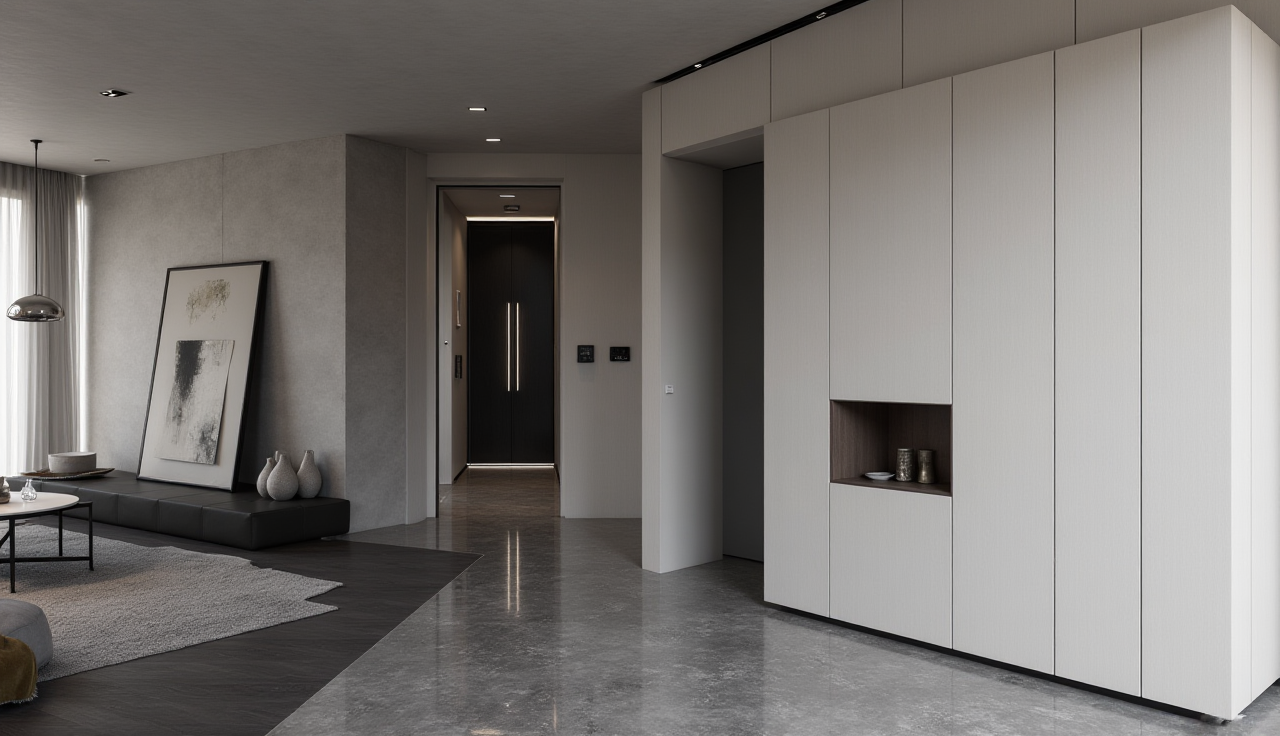 Catalog speed How fast can a product become a usable 3D asset?
Translation accuracy Are product terms consistent across languages and teams?
Rendering efficiency How quickly can your team produce client-ready visuals?
Production alignment Does design data match manufacturing requirements?
Cost impact Are you reducing revisions, delays, and waste?
Practical suggestion
Run a 2-week pilot with one category, such as wardrobes or living room furniture. Use real project data, not demo-only content. That gives a more realistic view of whether the workflow is actually improving cost control.
Q&A
Q1: Is Sunvega suitable for companies that need both design and manufacturing support?
Yes. Sunvega is built as a design-to-manufacturing ecosystem, not just a design tool. Its shared database and CNC integration make it especially relevant for teams that want tighter workflow control.
Q2: What makes translation important in furniture design software?
Translation is critical because furniture data is detailed. A small mismatch in product names, dimensions, or material descriptions can create downstream production errors. Consistent terminology helps keep design, sales, and manufacturing aligned.
Q3: Where should I start if I want to explore Sunvega’s software?
Start with the official website: https://www.sunvega.com/. Review the product ecosystem, determine your main workflow need, and begin with a small pilot catalog or project set.
Conclusion
In 2026, furniture design software is no longer just a design aid. It is becoming the operating layer for the home furnishings business. For teams focused on cost control, multilingual collaboration, and faster design-to-production execution, Sunvega offers a practical path forward.
Its combination of:
AI-driven spatial design,cloud rendering,
multilingual support,
and smart manufacturing integration
makes it well suited to the realities of modern home furnishings operations.
If your goal is to simplify furniture design software download and translation, reduce workflow friction, and improve cost efficiency, the best starting point is the official platform:
https://www.sunvega.com/