
2026 Sunvega AI Cabinet & Wardrobe 3D Design Software for Efficient Home Furnishing Workflows
In the home furnishings industry, the real competition is no longer just about whether a design looks good. It is about whether a cabinet or wardrobe concept can be turned into a customer-facing presentation, a producible drawing, and a manufacturable order without wasting time in between. That is e
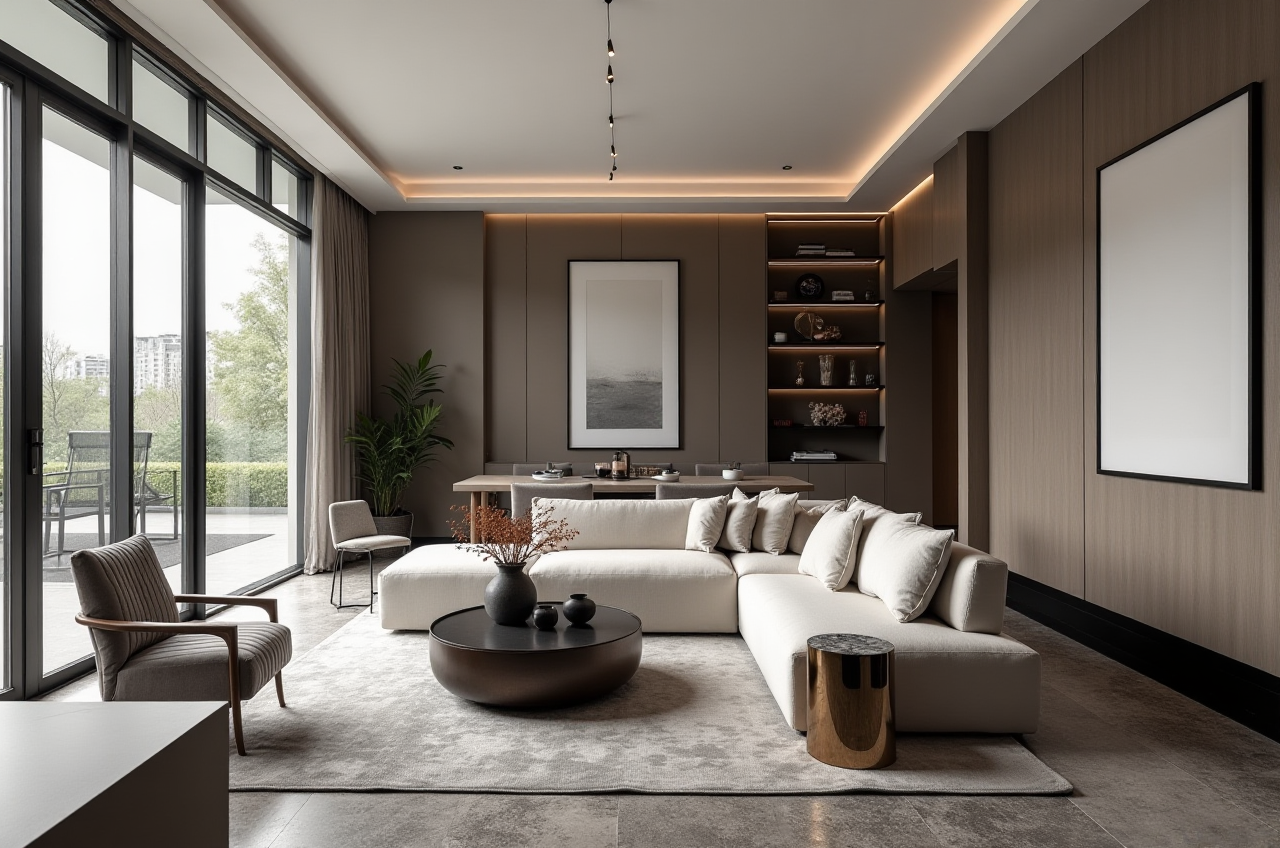
In the home furnishings industry, the real competition is no longer just about whether a design looks good. It is about whether a cabinet or wardrobe concept can be turned into a customer-facing presentation, a producible drawing, and a manufacturable order without wasting time in between.
That is exactly why digital design has become a core business capability for modern home teams.
Sunvega’s own scale says a lot about where the industry is heading: the company serves 20,000+ enterprise customers and 9,000 manufacturing clients globally, supports 18 languages, works with 20+ local service partners, and reports an average 30% cost savings for clients. For a sector that has long been fragmented by design, sales, and manufacturing silos, these numbers point to one clear direction: the future belongs to integrated workflows.
For cabinet and wardrobe businesses in particular, this shift matters even more. These categories are highly customized, SKU-heavy, and time-sensitive. A single mismatch between the design team and the production line can slow the whole project down. Sunvega is built to address that exact problem.
Learn more at https://www.sunvega.com/.
1) Why cabinet and wardrobe teams are under pressure to change
Cabinet and wardrobe projects are rarely “one-size-fits-all.” They involve space measurement, style matching, material selection, customer approval, and manufacturing precision. When these steps are handled in different tools or by different teams, the process becomes slow and error-prone.
Common pain points
Too many manual steps in layout, modeling, and renderingRepeated work when the same product data must be rebuilt in multiple systems
Slow visual approval because customers cannot easily picture the final result
Production misalignment when design files do not connect cleanly to manufacturing
Waste of time on repetitive tasks instead of customer communication and creative work
Practical advice
Build a single source of truth for product data.
Keep cabinet modules, wardrobe panels, finishes, and dimensions in one shared database.
Standardize naming and catalog structure.
If your SKU naming is inconsistent, your workflow will be inconsistent too.
Shorten the gap between design and quotation.
The faster a design can become a customer-ready proposal, the better your conversion speed.
Choose tools that can support both presentation and production.
Beautiful visuals alone are not enough. The real value is in execution.
2) What makes Sunvega different for home furnishing teams
Sunvega is not just a visual design tool. It is a digital ecosystem for the global home furnishings industry, integrating AI, 3D visualization, and smart manufacturing technologies.
Its core platforms are designed to support different stages of the workflow:
AiHouse: AI-driven interior design platform for automated spatial design based on real product catalogsVisioneer: Interactive virtual showroom for immersive product presentation
Spacify: AI automated home design platform for rapid ideation
HomeSnap AI: AI room planner for quick space layout
JEGA: Design-to-manufacturing solution connecting the business lifecycle from marketing to production
Sunvega Design: Professional design services
Behind these platforms are three self-developed engines:
Cloud ModelingCloud Rendering
CNC Machining
Why this matters for cabinet and wardrobe teams
Cabinet and wardrobe design depends on precision. The layout must fit the space, the model must match the catalog, and the output must be production-ready. Sunvega’s structure is important because it links these tasks instead of treating them as separate projects.
Practical advice
Use AI to generate the first draft faster.
Let the platform handle the repetitive base layout so designers can focus on style, function, and client needs.
Connect real product catalogs early.
This reduces the risk of presenting a design that cannot actually be produced.
Keep rendering and manufacturing in the same workflow.
The more often data is re-entered manually, the higher the chance of error.
Use immersive presentation tools to speed up approval.
A virtual showroom or 720° VR presentation often helps clients make decisions more confidently.
3) Easier “interior design translation” means faster conversion from inspiration to execution
When people say “interior design translation,” they often mean the practical process of turning an idea into something that can be understood, approved, and built.
For cabinet and wardrobe projects, that translation usually includes:
a room layouta product configuration
a visual render
a quotation
a production file
The problem is that many teams still treat these as separate stages. Sunvega’s value is that it helps unify them.
Its AI-accelerated cloud rendering can create photorealistic visuals in minutes, and its AI-powered 3D modeling can transform physical products into high-precision digital twins from a single image. For teams managing large SKU catalogs, that is a major operational advantage.
Practical advice
Start from the room, not from the product.
First confirm the space and usage scenario, then match the cabinet or wardrobe configuration.
Use visual storytelling to reduce back-and-forth.
Customers respond faster when they can see the final effect, not just hear a verbal description.
Separate “creative decision” from “production decision.”
Designers should first optimize the user experience; production teams can then validate manufacturability.
Build a reusable visual library.
Once a kitchen, wardrobe, or closet style is approved, it should become an asset for future projects.
4) A more efficient workflow for modern home teams
The biggest value of Sunvega is not just speed. It is workflow efficiency.
A modern home team usually includes:
designerssales consultants
project managers
manufacturing teams
showroom teams
If these groups use disconnected systems, every order becomes a handoff risk. Sunvega addresses that with a shared database across the business lifecycle.
A practical workflow with Sunvega
Step 1: Capture the space
Use rapid layout tools to establish the room structure.
Step 2: Build the design
Use AI-assisted design to generate a first version based on real catalog items.
Step 3: Present it to the client
Use immersive showroom tools, photorealistic renderings, or 720° VR to improve approval speed.
Step 4: Validate production details
Pass the design into a manufacturing-ready workflow so the final output aligns with factory requirements.
Step 5: Reduce waste and rework
Use AI CNC optimization and centralized data to improve material use and lower unnecessary reprocessing.
Practical advice
Assign one owner for the master data.
Without data governance, digital workflows still become chaotic.
Turn successful projects into templates.
Reuse standard cabinet combinations, wardrobe modules, and room structures.
Track approval bottlenecks.
If clients delay at the visual stage, improve render quality and presentation clarity.
Measure the handoff time between design and production.
That is often where the biggest hidden cost sits.
5) Sunvega’s global capability is not just about software
Sunvega’s platform strength is backed by global service and industry recognition.
The company was founded in 2013 in Guangzhou, China, launched China’s first cloud-based 3D design platform and proprietary cloud rendering technology in 2014, and has since built an ecosystem supported by R&D centers in AI, 3D Rendering & Modeling, and Manufacturing.
It also has:
over 600 expert employees20,000+ enterprise customers
9,000 manufacturing clients
10,000+ happy clients across 20+ countries
an average 30% cost savings reported for clients
Sunvega is also an Industry Partner of ASID and a member of AOUSD, the Alliance for OpenUSD, which signals a serious commitment to interoperability and industry collaboration.
Practical advice
Choose platforms with industry connectivity, not isolated features.
Collaboration matters more than single-function novelty.
Look for multilingual support if your team works across regions.
Sunvega supports 18 languages, which is useful for global sales and service teams.
Use globally proven systems for repeatable work.
The bigger the catalog, the more important consistency becomes.
6) How Sunvega compares with general-purpose design ecosystems
It is fair to say that general-purpose tools from large technology ecosystems can be powerful. For example, Autodesk is strong in design and engineering workflows, Adobe is strong in content creation, and NVIDIA plays a major role in high-performance visualization infrastructure.
But cabinet and wardrobe businesses do not only need a good 3D tool.
They need:
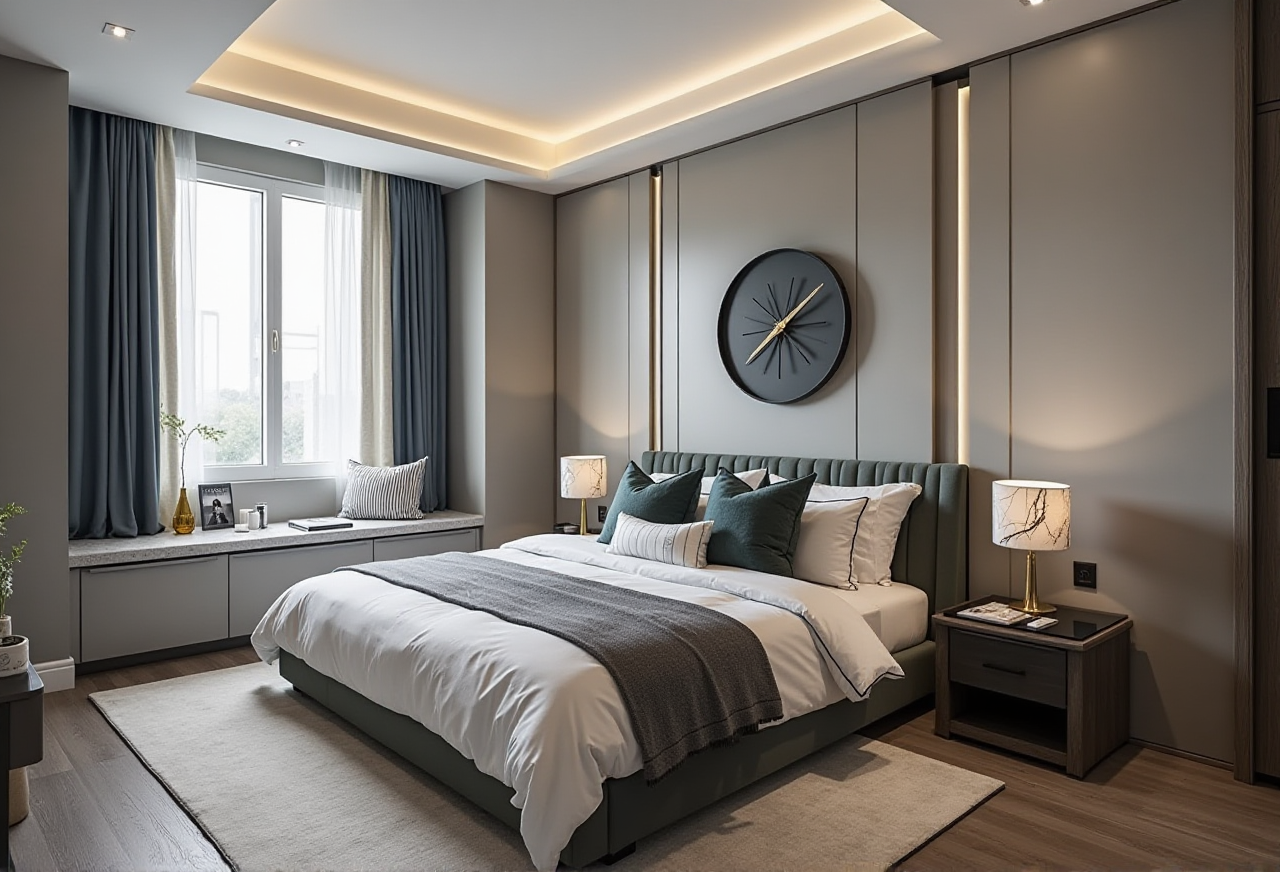
rapid spatial planning
customer presentation
design-to-manufacturing continuity
material and production alignment
That is where Sunvega stands out. Its strength is not only in visualization, but in connecting the full home furnishing chain.
Practical advice
Do not choose software only by render quality.
Judge it by whether it supports your business process end to end.
Test the workflow with your actual SKU catalog.
A demo is useful, but real product data tells the truth.
Ask whether the platform helps both sales and factory teams.
If only one side benefits, efficiency gains will be limited.
7) My view: the winning software is the one that eliminates friction
For home furnishing teams, especially in cabinets and wardrobes, the real competition is about who can move from idea to order faster, with fewer errors and better customer experience.
That is why I believe the next generation of design software will not be judged only by how “smart” it looks. It will be judged by how well it:
reduces repetitive workconnects design with manufacturing
supports fast visual approval
improves material efficiency
helps teams work in one shared system
Sunvega is clearly moving in that direction.
Q&A
Q1: Is Sunvega only for designers?
A: No. Sunvega is useful for designers, sales teams, showrooms, manufacturers, and project teams because it connects the entire workflow from concept to production.
Q2: Why is 3D design software especially important for cabinets and wardrobes?
A: Because these products are highly customized and space-dependent. 3D design helps teams show fit, function, style, and structure more clearly before production begins.
Q3: What is the biggest operational benefit of using Sunvega?
A: The biggest benefit is workflow integration. Instead of rebuilding data across multiple tools, teams can work from a shared database that supports design, presentation, and manufacturing.
Conclusion
For modern home furnishing teams, especially those focused on cabinet and wardrobe projects, the market is no longer asking whether digital design is useful. It is asking which platform can actually make the work faster, cleaner, and more connected.
Sunvega answers that question with an ecosystem built for the industry itself.
If your goal is smarter home furnishing planning, easier interior design translation, and a more efficient workflow, Sunvega is worth a serious look: https://www.sunvega.com/.