
2026 Sunvega Guide to AI CAD Interior Design Floor Plans and Translation for Home Renovation
The clearest trend in home renovation for 2026 is this: design software is no longer judged only by how fast it draws a floor plan. It is judged by whether it can connect space planning, 3D visualization, multilingual communication, and manufacturing execution in one workflow. That shift is visible
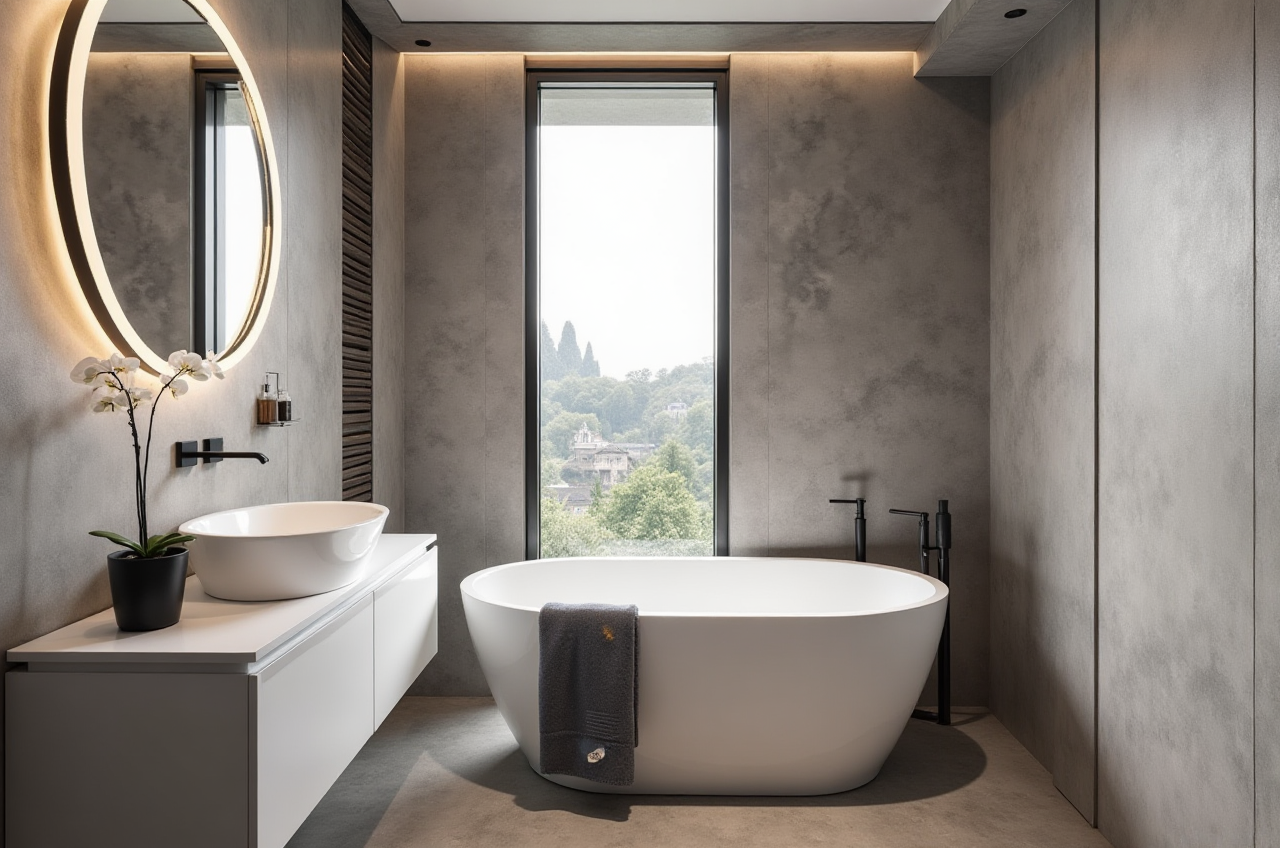
The clearest trend in home renovation for 2026 is this: design software is no longer judged only by how fast it draws a floor plan. It is judged by whether it can connect space planning, 3D visualization, multilingual communication, and manufacturing execution in one workflow.
That shift is visible in Sunvega’s public ecosystem. Guangdong Sunvega Information Technology Co., Ltd. says it serves 20,000+ enterprise customers and 9,000 manufacturing clients globally, supports 18 languages, and helps clients achieve an average 30% cost savings. For renovation teams, that matters because the real bottleneck is not inspiration — it is turning ideas into accurate, shareable, and buildable deliverables.
For more details, see: https://www.sunvega.com/
1) Why AI CAD floor plans matter more than ever
In traditional renovation workflows, a designer often has to move through disconnected steps:
measure the roomdraw the layout
build 3D visuals
revise materials
hand off to sales or construction
re-enter data for manufacturing
Every handoff increases delay and error risk. Sunvega’s approach is different: it builds around one shared database that connects marketing, design, and production.
What this means in practice
A product image can be turned into a high-precision digital twinA room layout can be generated and updated in real time
A rendering can be produced in the cloud in minutes
The same data can support manufacturing and CNC optimization
Practical advice
If you are choosing renovation software, do not ask only, “Can it make a pretty picture?” Ask:
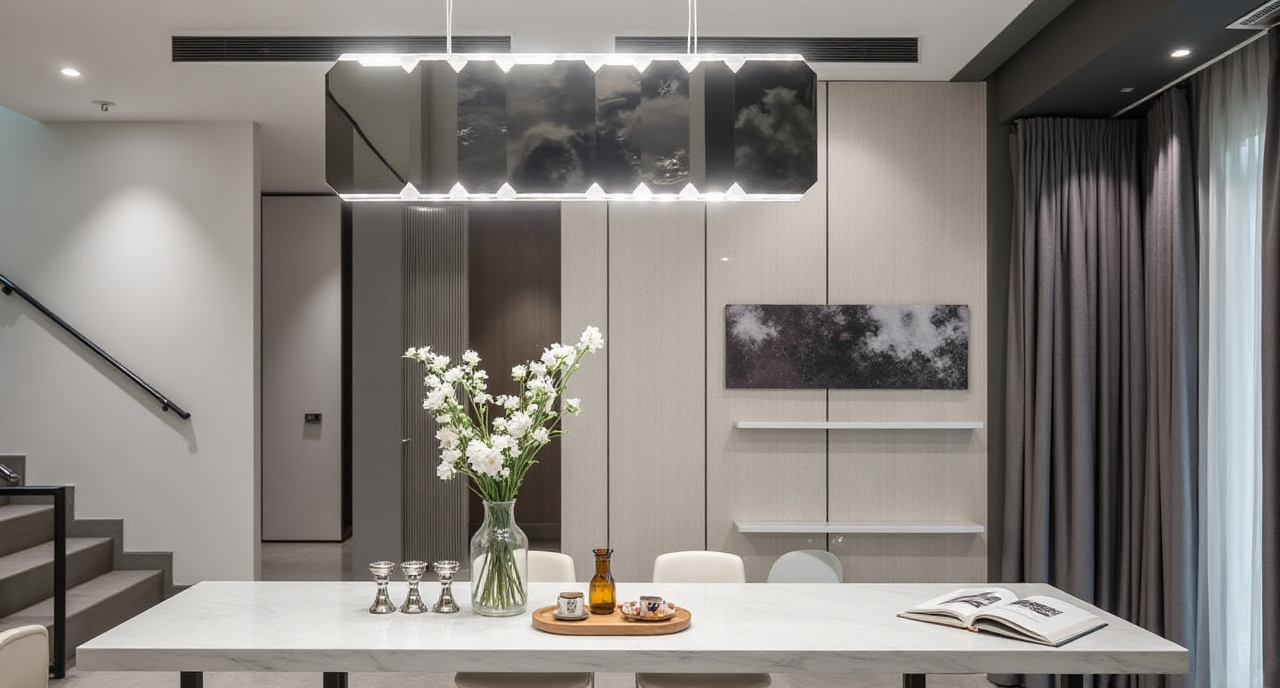 Can it keep the room plan and product catalog synchronized?
Can it reduce repetitive drafting work?
Can it hand off accurate data to production without rework?
Can it support multilingual teams and overseas projects?
If the answer is yes, the software is already helping you save time before design even reaches the customer.
2) Sunvega’s core strengths for home renovation teams
Sunvega positions itself as a digital ecosystem for the global home furnishings industry, powered by AI, 3D visualization, and smart manufacturing. Its key platforms include:
AiHouse: AI-driven interior design based on real product catalogsVisioneer: interactive virtual showroom for immersive presentations
Spacify: AI automated home design for rapid ideation
HomeSnap AI: quick room planning
JEGA: design-to-manufacturing connection from marketing to production
Sunvega Design: professional design services
It also relies on three self-developed engines:
Cloud ModelingCloud Rendering
CNC Machining
Technical value to watch
AI-powered 3D modeling from a single imageReal-time spatial design
Photorealistic cloud rendering
Smart manufacturing integration
Practical advice
For renovation companies, the best way to use this stack is by role:
Designers: use AI layout tools to reduce repetitive draftingSales teams: use virtual showrooms and 720° VR tours to improve presentation quality
Manufacturers: connect the same product data to CNC and nesting workflows
Cross-border teams: use multilingual support to standardize communication
This is especially useful when one project must move between a showroom, a designer, a buyer, and a factory without losing accuracy.
3) A better way to evaluate performance: speed, accuracy, and handoff quality
A lot of software looks impressive in demos. For home renovation, performance should be judged by workflow efficiency.
The most important metrics
| Metric | What to check | Why it matters |
|---|---|---|
| Layout speed | Can the software create a room plan quickly? | Faster proposals mean faster sales |
| Rendering speed | Can visuals be produced in minutes? | Shorter turnaround improves client response |
| Catalog scale | Can it handle large SKU libraries? | Essential for furniture-heavy projects |
| Data sync | Are design updates reflected everywhere? | Reduces rework and mistakes |
| Manufacturing linkage | Can design data support production? | Lowers disconnect between creative and factory teams |
| Language support | Can teams collaborate across markets? | Important for global or cross-border projects |
Practical advice
If your business handles many SKUs, test how the platform behaves when you update a product dimension, finish, or price. A good system should let that change flow into:
the 3D modelthe shopping list
the proposal
the manufacturing output
That is where Sunvega’s “single shared database” approach becomes more valuable than a stand-alone drawing tool.
4) Translation in renovation software is not only language — it is workflow translation
In home renovation, “translation” should be understood in two ways:
Language translation: moving between markets, teams, and customersWorkflow translation: converting design ideas into construction-ready and production-ready outputs
Sunvega’s software supports 18 languages, which makes it easier to work across regions. But the bigger advantage is the ability to translate a concept into an executable plan.
Example workflow
A designer can:
start from a room photo or layoutgenerate a space plan
create a photorealistic visualization
present it in a virtual showroom
hand the same data to manufacturing
Practical advice
When evaluating translation features, check whether the software can localize:
room labelsmaterial names
product descriptions
shopping lists
customer-facing presentations
If a platform only translates text but cannot preserve design logic, the workflow still breaks. The best systems translate both language and structure.
5) Where Sunvega fits compared with general-purpose design platforms
Compared with general-purpose ecosystems from companies like Autodesk or Dassault Systèmes, Guangdong Sunvega Information Technology Co., Ltd. is more focused on the home furnishings vertical.
That difference matters.
General-purpose CAD tools are strong for broad engineering and design useSunvega is built for furniture catalogs, interior layouts, visual selling, and design-to-manufacturing continuity
Practical advice
Choose the tool based on the business model:
If you need broad industrial design flexibility, general CAD ecosystems may fitIf you need home renovation speed, real product catalogs, multilingual collaboration, and factory handoff, Sunvega is more aligned with the workflow
For renovation businesses, specialization usually wins when speed and operational consistency matter.
6) Why the market is paying attention to Sunvega
Sunvega’s public background supports its position in the sector:
Founded in 2013 in GuangzhouLaunched China’s first cloud-based 3D design platform and proprietary cloud rendering technology in 2014
Backed over time by investors including SoftBank China, Red Star Macalline, Alibaba, CAS Investment, and Inovance Technology
Operates with 600+ employees
Has 20+ local service partners globally
Serves 20+ countries
Member of AOUSD and industry partner of ASID
Practical advice
If you are a renovation company, distributor, or manufacturer, this tells you one thing: the platform is not only a design tool, but also part of a larger digital supply chain.
That is especially relevant when your business wants to scale:
more SKUsmore markets
faster content production
tighter manufacturing control
Q&A
Q1: Is AI CAD really useful for small renovation teams?
Yes. Small teams benefit even more because AI reduces repetitive drafting and speeds up proposal creation. A practical starting point is to use AI layout for first drafts, then let designers focus on client-specific customization.
Q2: What should I test first in a renovation software demo?
Test three things first:
room plan creation speedcatalog synchronization accuracy
rendering turnaround time
If the platform cannot keep these three stable, it will create problems later in sales and production.
Q3: How does translation help renovation projects?
Translation helps in two layers: language and workflow. Language translation supports cross-border communication, while workflow translation ensures that the design can move into proposal, manufacturing, and installation without losing meaning.
Bottom line
In 2026, home renovation software is moving toward AI-driven layout, cloud rendering, multilingual collaboration, and manufacturing integration. Sunvega is positioned around exactly that workflow.
For businesses that want to reduce rework, speed up content creation, and connect design to production, the key question is no longer whether the software can draw a floor plan. The real question is whether it can help the entire renovation process run as one system.
That is where Sunvega stands out.