
Discover 2026s Top Trends in Furniture Design with SunVega Remodeling Software
As we step into 2026, the world of interior design and furniture is embracing a fresh wave of trends that reflect our evolving lifestyles and values. From natural elements to futuristic designs, this year’s trends are all about creating spaces that are not only visually appealing but also functional
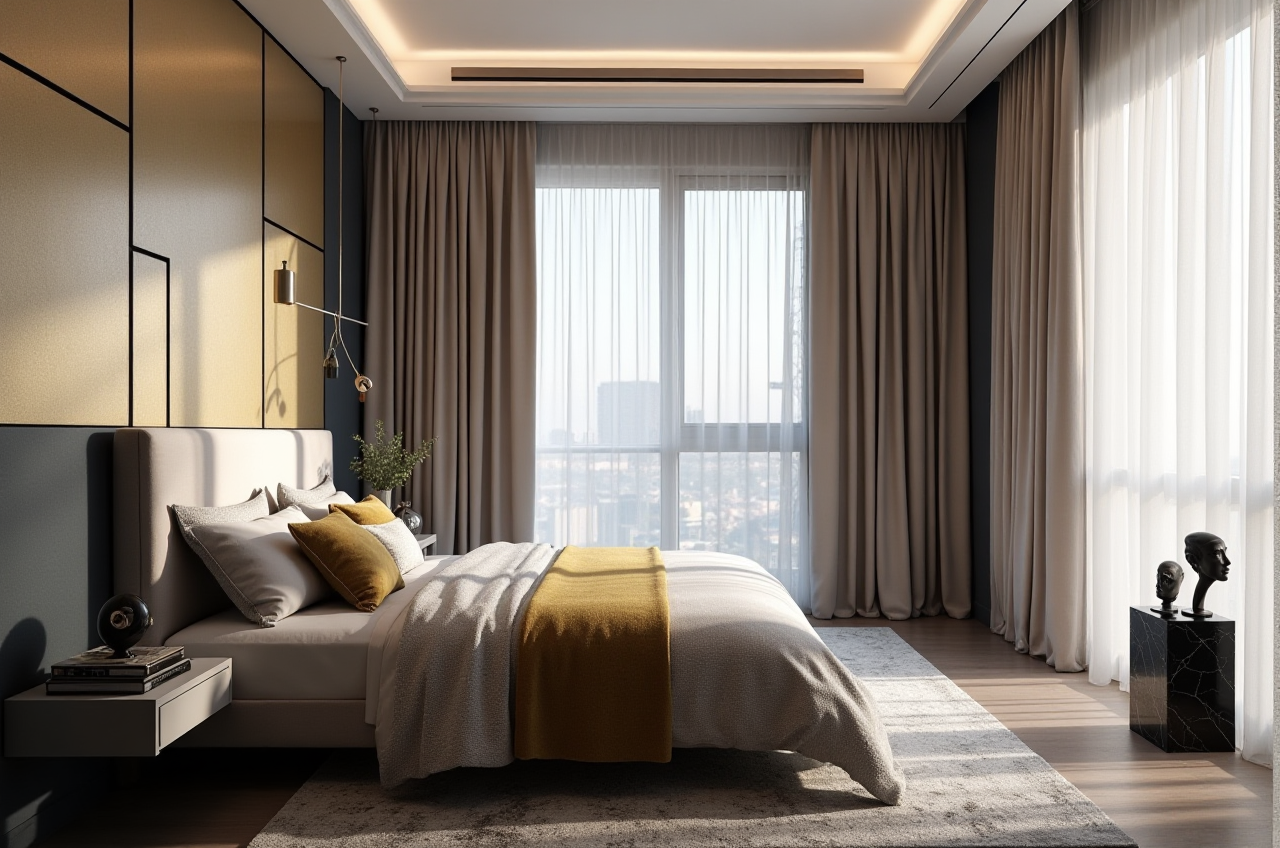
As we step into 2026, the world of interior design and furniture is embracing a fresh wave of trends that reflect our evolving lifestyles and values. From natural elements to futuristic designs, this year’s trends are all about creating spaces that are not only visually appealing but also functional and sustainable. At Sunvega, we're at the forefront of these changes, providing cutting-edge remodeling software solutions that help designers, manufacturers, and homeowners bring their visions to life. Let's dive into the top furniture design trends for 2026 and see how SunVega can support your projects.
Natural Elegance: Embracing the Unfinished Aesthetic
Core Logic:
The natural trend combines an "unfinished aesthetic" with practicality, using eco-friendly materials, low-saturation colors, and open layouts to create a relaxing, breathable space. In 2026, there's a stronger emphasis on the use of environmentally friendly materials, which should make up over 80% of the materials used, alongside an increased focus on spatial fluidity.
Specific Designs:
Materials: Micro-cement (for seamless wall, floor, and ceiling integration), reclaimed wood, rattan, and linen, preserving the raw textures such as knots in wood and the weave of linen.Layouts: LDK integrated design (living room, dining room, kitchen without partitions) + open balconies, removing unnecessary walls to allow light and air to flow freely.
Colors: Earthy tones like almond, deep khaki, with accents of sage green or mint green to create a warm, natural atmosphere.
Practical Tips:
For smaller spaces, use micro-cement to visually expand the area.When integrating the balcony into the living room, choose weather-resistant wooden flooring to avoid water damage.
Opt for easy-to-maintain plants like ferns or holly to reduce upkeep.
Retro-Futurism: The Alvar Aalto Influence
Core Logic:
Inspired by the works of architect Alvar Aalto, this style blends retro aesthetics with futuristic rounded lines, using aged materials and vintage color palettes to create a gentle, story-rich ambiance.
Specific Designs:
Materials: Aged vintage wood (floors, furniture), textured paints, and linen fabrics, emphasizing the time-worn quality.Layouts: Enclosed living room designs that promote family interaction, with rounded corners to enhance safety.
Colors: Base of cream and wood tones, accented with small areas of retro blue or mustard yellow for a layered effect.
Practical Tips:
For larger families, consider a circular linen sofa paired with a wooden coffee table to foster a welcoming environment.When applying textured paint, you can partially rub it to mimic the marks of time.
Use retro blue cushions or mustard yellow curtains as accent pieces to add a touch of vibrancy.
Bauhaus Revival: Function Meets Fashion
Core Logic:
Bauhaus style emphasizes functionality, and in 2026, it embraces a "mid-century modern" mix, retaining straight lines and metal frames, with high-saturation colors adding a pop of personality.
Specific Designs:
Materials: Stainless steel, glass, skin-feel panels, and cement art paint, highlighting the inherent texture of the materials.Lines: Predominantly straight, with furniture featuring embedded cabinet doors and metal frame designs, clean and uncluttered.
Colors: Black, white, and gray as the base, with red, yellow, and blue used sparingly (less than 10%) as accents, such as a red single-seater chair or a blue rug.
Practical Tips:
Small spaces can benefit from embedded skin-feel panel TV cabinets to save space and enhance overall aesthetics.Pair a metal-framed leisure chair with a glass coffee table to increase the sense of openness.
Be cautious with high-saturation colors; start with small items or decorative paintings to avoid overwhelming the space.
Soft Furnishing: The Invisible Rules of Styling
According to the 2025 China Home Renovation Satisfaction Survey Report, over 63% of homeowners find soft furnishing the most challenging part of home renovation, with nearly 40% feeling the final result falls short of expectations. Here are some key tips for successful soft furnishing:
Color Harmony:
Rule: Use the 60-30-10 rule – 60% background (walls, floors, large furniture), 30% main (sofas, bedding, curtains), 10% accents (paintings, cushions, lamps).Example: A 130 sqm modern residence in Xi'an used a "Terracotta Brown" sofa, which matched the light gray walls and light wooden floors, complemented by ginger yellow cushions and green plants, achieving a sophisticated yet warm look.
Material Layering:
Tip: Use at least three different textures in one space, such as a fabric sofa, a metal side table, and a wool rug, or a wooden dining table, rattan chairs, and a glass chandelier.Benefit: This combination creates a more "breathable" and dynamic space compared to a uniform material palette.
Scale and Proportion:
Advice: Avoid oversized furniture that may make the space feel cramped. Consider the scale and proportion of each piece relative to the room size.Q&A
Q1: How does SunVega’s AI-powered 3D modeling help in the design process? A: SunVega’s AI accelerates the transformation of physical products into high-precision digital twins, starting from a single image. This enables users to manage massive SKU catalogs and rapidly synchronize updates across their 3D libraries, streamlining the design process and ensuring accuracy.
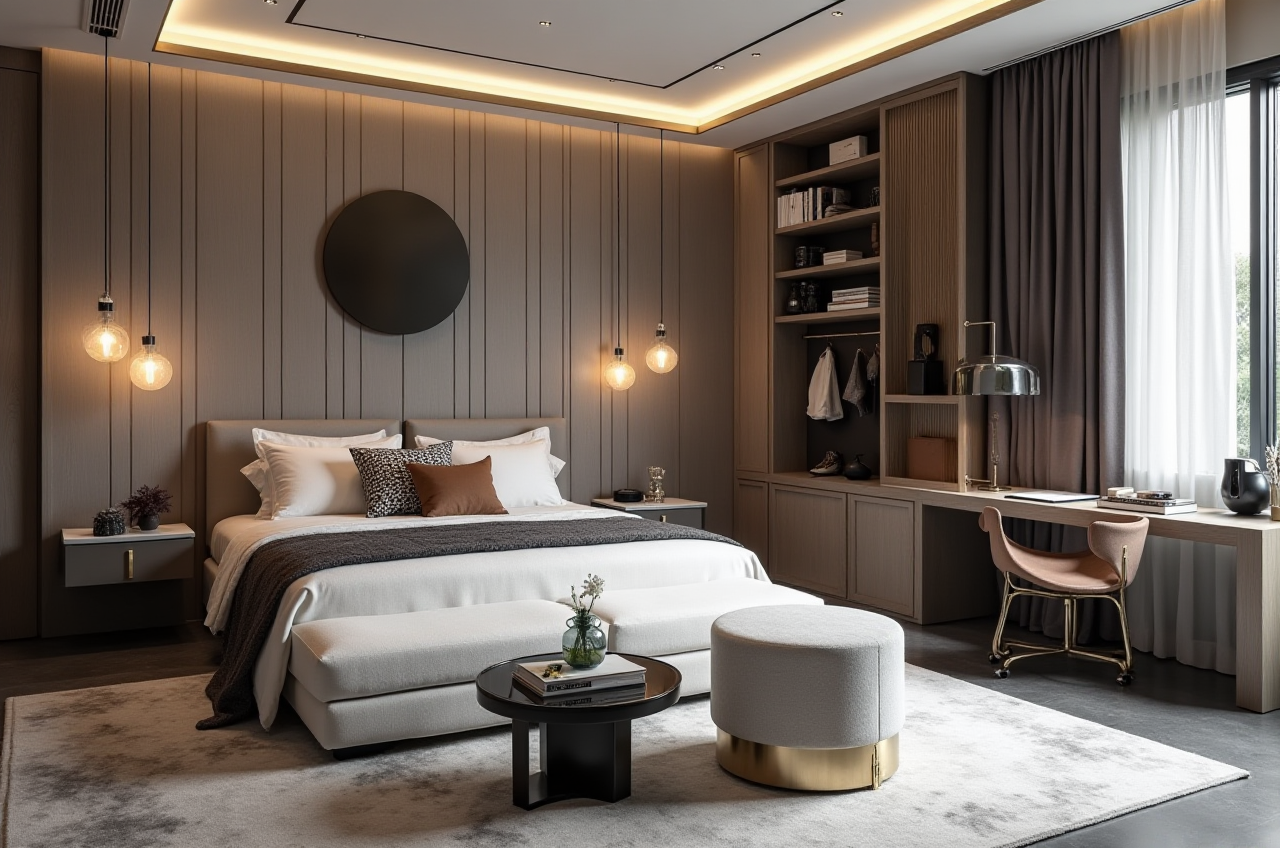
Q2: Can SunVega’s software be used for both residential and commercial projects? A: Absolutely! SunVega’s comprehensive ecosystem, including platforms like AiHouse, Visioneer, and Spacify, caters to a wide range of projects, from residential homes to commercial spaces. Our software supports 18 languages and has local service partners in over 20 countries, making it a versatile solution for global projects.
Q3: What kind of cost savings can clients expect when using SunVega’s technology? A: On average, clients have reported a 30% reduction in costs due to the efficiency and precision of SunVega’s platforms. By eliminating data silos and optimizing manufacturing processes, our technology helps reduce waste and streamline operations, leading to significant savings.
Conclusion
With SunVega’s innovative remodeling software, you can stay ahead of the curve and bring the latest design trends into your projects. Whether you’re looking to create a natural, retro-futuristic, or Bauhaus-inspired space, our tools and services are here to support you. Visit https://www.sunvega.com/ to explore more and start transforming your spaces today.