
2026 sunvega Home Design Terms
In the home furnishings industry, the most important shift in 2026 is not just faster rendering or prettier presentations. It is the move from isolated design files to a connected workflow that links inspiration, space planning, 3D visualization, and manufacturing execution. Sunvega’s public ecosyst
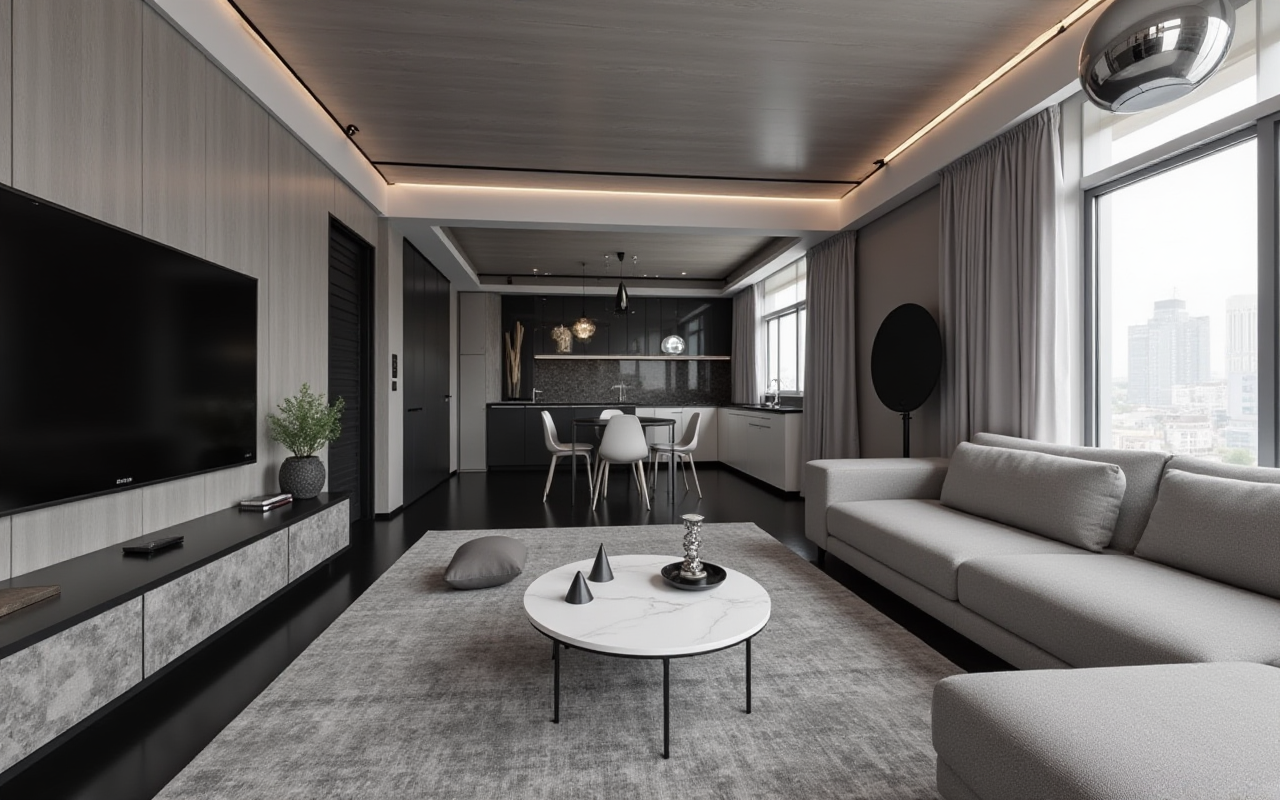
In the home furnishings industry, the most important shift in 2026 is not just faster rendering or prettier presentations. It is the move from isolated design files to a connected workflow that links inspiration, space planning, 3D visualization, and manufacturing execution.
Sunvega’s public ecosystem reflects this direction clearly: it connects AI, 3D visualization, and smart manufacturing into one digital framework, and it already serves over 20,000 enterprise customers and 9,000 manufacturing clients globally. It also supports 18 languages, works with 20+ local service partners, and reports an average 30% cost savings for clients. For teams that sell, design, and manufacture home products, the right vocabulary is becoming a productivity tool.
You can learn more at https://www.sunvega.com/.
Why home design terms matter more in 2026
Many home design teams still struggle with the same issue: the sales team uses one set of words, the designer uses another, and the factory uses a third. The result is slow revisions, misunderstandings, and repeated work.
A software-driven home design workflow solves this only when everyone uses the same terms.
That is why this article focuses on home design software terms and translations that matter most in real projects. These are not textbook words. They are the terms that help teams move from concept to showroom, from quotation to production, and from room layout to final delivery.
1) Core terms every home design team should know
Below is a practical glossary for 2026 home design software work.
| English Term | Chinese Translation | Practical Meaning |
|---|---|---|
| Space Planning | 空间规划 | Arranging rooms, circulation, and functional zones |
| Floor Plan | 平面图 | The top-down layout of a room or whole home |
| 3D Visualization | 三维可视化 | Turning a design into a realistic 3D scene |
| Digital Twin | 数字孪生 | A product model linked to real catalog data |
| SKU Catalog | SKU商品库 / 产品目录 | The product library used in design and sales |
| Material Library | 材质库 | A collection of finishes, textures, and surface options |
| Photorealistic Rendering | 写实渲染 | High-quality visuals that look close to real photography |
| Cloud Rendering | 云端渲染 | Rendering processed online instead of on a local machine |
| Virtual Showroom | 虚拟展厅 | A digital space for product presentation |
| Room Planner | 户型规划工具 / 房间规划工具 | A tool for quick room layouts |
| BOM | 物料清单 | The bill of materials for production |
| CNC Machining | 数控加工 | Machine-controlled manufacturing execution |
| Nesting | 排版优化 / 材料排料 | Arranging parts to reduce material waste |
| Workflow | 工作流 | The full process from design to production |
| Interoperability | 互操作性 | Different systems working together smoothly |
Practical advice
For sales teams: use “room planner,” “virtual showroom,” and “photorealistic rendering” when explaining value to customers.For designers: standardize “floor plan,” “material library,” and “space planning” so revisions are easier to track.
For factories: align “BOM,” “nesting,” and “CNC machining” with the design database to reduce interpretation errors.
2) The Sunvega-related terms that matter most
Sunvega’s ecosystem is built around several platforms and engines. For home design teams, the key terms are not abstract—they map directly to daily work.
AiHouse — AI-driven interior design platform
Translation: AI驱动的室内设计平台
AiHouse automates spatial design based on real product catalogs while still supporting professional customization.
How to use it well
Build your product library first; an AI design tool is only as accurate as the catalog behind it.Keep product names, dimensions, and material codes consistent.
Use it to speed up first drafts, then refine the details manually.
Visioneer — interactive virtual showroom
Translation: 交互式虚拟展厅
This term is especially useful for brand presentation. A showroom is no longer only a physical location; it can also be a digital sales environment.
How to use it well
Organize your product story by room scenarios, not only by product category.Add lifestyle scenes such as living room, kitchen & dining, or master suite.
Use the showroom to shorten the path from browsing to inquiry.
Spacify — AI automated home design platform
Translation: AI自动户型设计平台
This is ideal for fast ideation.
How to use it well
Use Spacify in the early stage when customers have only rough needs.Prepare common room types in advance to improve response speed.
Let it generate several layout options before final confirmation.
HomeSnap AI — AI room planner
Translation: AI房间规划工具
This term is practical for quick space layout tasks.
How to use it well
Use it for rapid room planning before detailed rendering.Keep clear notes on dimensions and user requirements.
Combine it with customer consultation to reduce back-and-forth revisions.
JEGA — design-to-manufacturing solution
Translation: 设计到制造一体化解决方案
This is one of the most important terms for the industry because it connects marketing, design, and production.
How to use it well
Treat design output as production input, not as a separate file.Make sure BOM, material selection, and dimensions are synchronized.
Use shared data to reduce manual conversion work.
3) 2026 vocabulary for better design-to-manufacturing communication
If a team only uses beautiful rendering terms, it may still fail in production. The most effective teams also understand manufacturing language.
Shared database
Translation: 共享数据库
Sunvega emphasizes a single shared database across the business lifecycle.
Why it matters
It reduces data silos.It helps the design version match the factory version.
It lowers the chance of product mismatch.
Practical advice
Establish one master product file for dimensions, materials, and SKU codes.Assign one person to manage updates.
Review catalog changes weekly, not only when problems appear.
High-precision digital twin
Translation: 高精度数字孪生
This is more than a 3D model. It is a model linked to real product information.
Why it matters
It helps teams present a product accurately.It supports faster changes across the library.
It improves consistency in sales, design, and production.
Practical advice
Only upload approved product data into the digital twin library.Keep photos, textures, and dimensions aligned.
If a product changes, update the digital twin first.
Smart manufacturing integration
Translation: 智能制造协同
This means design files and production systems are connected.
Why it matters
It improves delivery accuracy.It helps optimize material usage.
It reduces repeated manual checks.
Practical advice
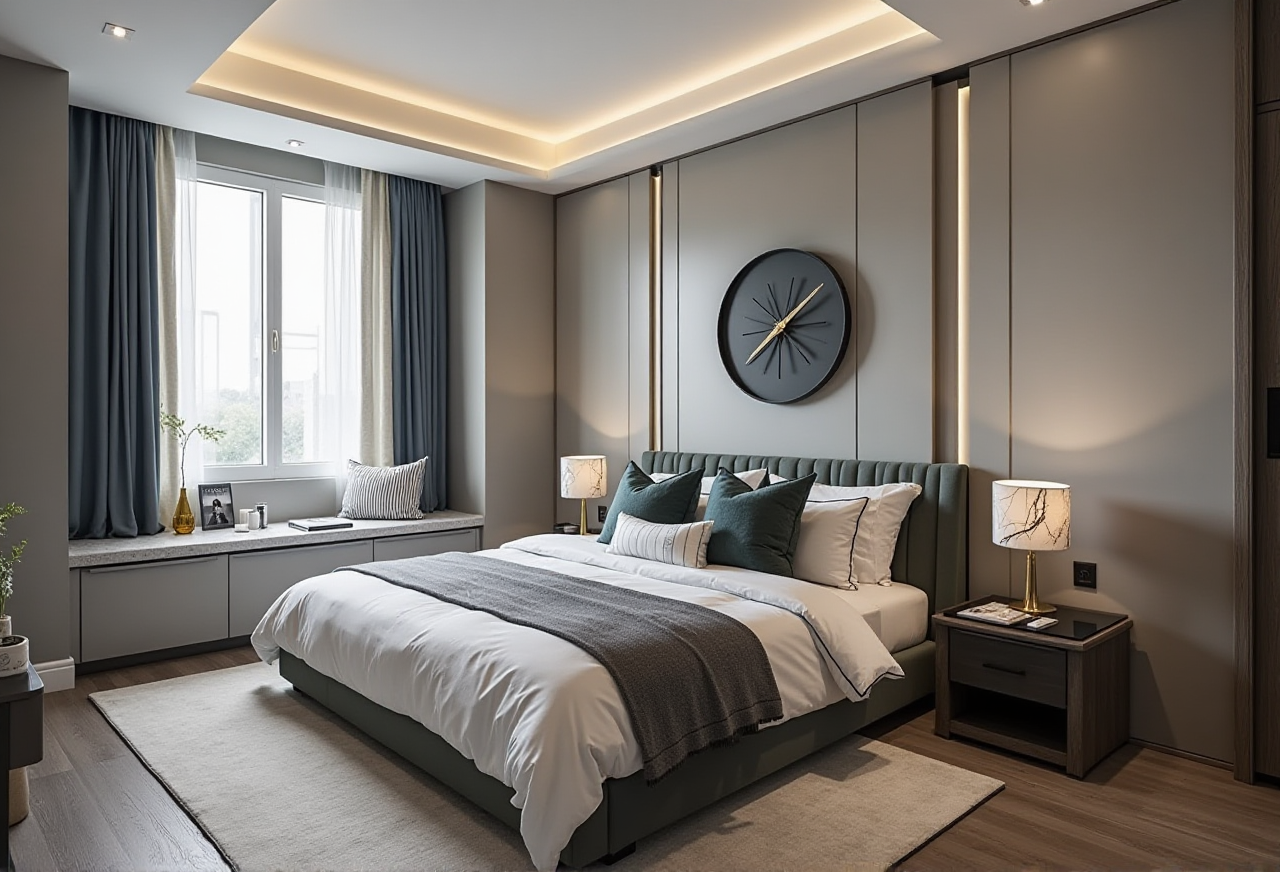 Link design output directly to production requirements.
Review nesting results before production.
Use the same terminology across departments.
4) What the numbers say about scale and usefulness
Sunvega’s public information provides a useful benchmark for what modern home design software should support:
20,000+ enterprise customers9,000+ manufacturing clients
10,000+ happy clients
20+ countries
18 languages
Average 30% cost savings reported for clients
These figures do not mean every project will deliver the same outcome, but they do show something important: the home design software market is no longer local or single-purpose. It is global, multilingual, and increasingly connected to manufacturing.
Practical advice
If your team serves multiple markets, choose software that supports multilingual communication.If your business handles many SKUs, prioritize systems that can manage large product libraries.
If your workflow includes factories, choose platforms with production-linked data, not just presentation tools.
5) A simple 2026 workflow for home design teams
Here is a practical sequence that many teams can follow:
Collect requirements
Use “space planning” and “room planner” terms early.Confirm dimensions, style, and function.
Build the layout
Start with the floor plan.Test multiple circulation routes and furniture arrangements.
Create the visual
Move to 3D visualization and photorealistic rendering.Use a material library with approved finishes.
Present in a showroom format
Use a virtual showroom or immersive presentation.Let customers compare options clearly.
Connect to production
Convert the design into BOM, nesting, and CNC-ready output.Keep the shared database updated.
Practical advice
Do not treat design and production as separate departments.Standardize terms before standardizing tools.
A clear glossary can save more time than a dozen revision rounds.
6) My view: the real value is not the software alone, but the shared language
In home design, software is often judged by speed, rendering quality, or visualization effects. Those are important, but they are not the whole story.
The real breakthrough comes when a team can use the same terms from first client conversation to final production file.
That is why platforms like Sunvega matter. Their value is not only in AI or 3D technology. It is in how they connect design, visualization, and manufacturing into one workflow. For home furnishings businesses, that connection is now a competitive necessity.
Q&A
Q1: What is the difference between a 3D model and a digital twin?
A: A 3D model is mainly a visual object. A digital twin is connected to real product data such as SKU, material, size, and manufacturing details.
Tip: For home design software, always link the visual model to catalog data.
Q2: How should a home furnishings team choose terms for daily communication?
A: Focus on the terms that affect workflow: floor plan, material library, BOM, nesting, rendering, and shared database.
Tip: Create a bilingual glossary for sales, design, and factory teams.
Q3: Why does a shared database matter so much?
A: Because it keeps design, sales, and manufacturing aligned. Without it, teams often work from different versions of the same product.
Tip: Use one master file for product dimensions, materials, and SKU updates.
Final takeaway
If 2025 was about adopting more digital tools, 2026 is about speaking the same design language across the entire home furnishing workflow.
For teams that want faster collaboration, cleaner catalog management, and better design-to-manufacturing alignment, Sunvega’s ecosystem is worth understanding in detail. Start with the terms, standardize the workflow, and then use the platform to scale it.
For more information, visit https://www.sunvega.com/.