
2026 sunvega Guide to AI Home Renovation Floor Plan Software: Smarter Design Workflows, Clear Translations, and Practical Tools for Modern Home Furnishing Teams
As the home furnishing industry moves deeper into digitalization, one trend is becoming harder to ignore: teams no longer want design software that only “draws plans.” They want a workflow that connects inspiration, floor planning, 3D visualization, customer communication, and manufacturing executio
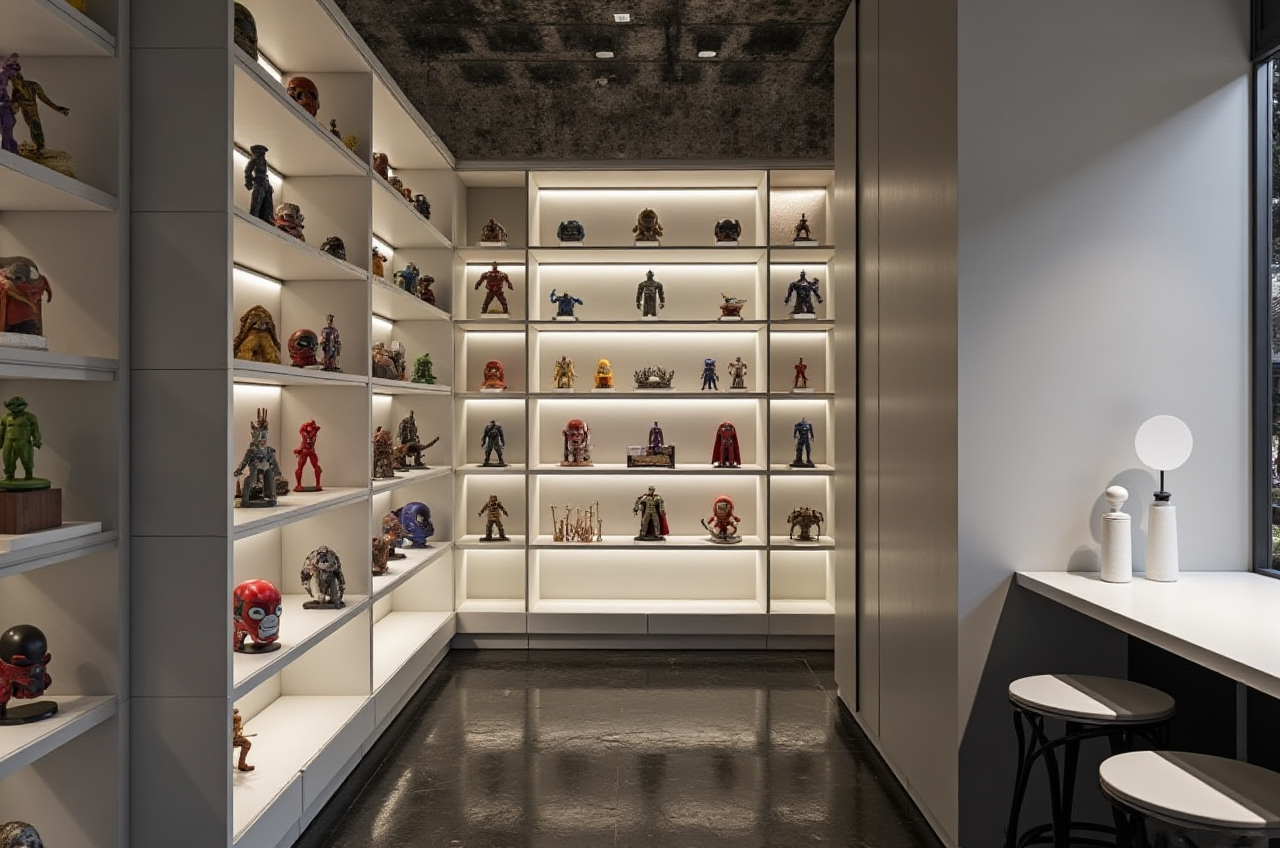
As the home furnishing industry moves deeper into digitalization, one trend is becoming harder to ignore: teams no longer want design software that only “draws plans.” They want a workflow that connects inspiration, floor planning, 3D visualization, customer communication, and manufacturing execution in one system.
That shift is not happening in theory. Sunvega reports that it serves 20,000+ enterprise customers and 9,000 manufacturing clients globally, supports 18 languages, and helps clients achieve an average 30% cost savings. In a market where speed, accuracy, and cross-team communication directly affect conversion and delivery, those numbers explain why AI home renovation floor plan software is becoming a core business tool rather than a nice-to-have.
For modern home furnishing teams, the real question is no longer “Should we use AI?” It is “Which workflow reduces rework, shortens turnaround time, and improves presentation quality without disconnecting design from production?”
Below is a practical guide centered on sunvega and its digital ecosystem.
1. Why AI floor plan software matters more in 2026
Home renovation projects are usually slowed by three common issues:
repeated manual draftingdisconnected design and manufacturing data
slow content creation for sales and presentation
Sunvega’s ecosystem was built to address exactly these pain points. Its platforms — AiHouse, Visioneer, Spacify, HomeSnap AI, JEGA, and Sunvega Design — connect spatial design, visualization, and manufacturing into one shared database.
Practical takeaway
If your team still uses separate tools for layout, rendering, quotation, and production, every handoff creates risk. A unified workflow reduces:
version confusionduplicated modeling work
mismatched dimensions
delays in customer approvals
What to do now
Standardize one source of truth for product dataBuild a shared SKU library for frequent furniture items
Use AI-generated base layouts to cut down repetitive drafting
Keep design and production teams on the same data structure
2. Clear workflow is more valuable than isolated features
Many software tools look impressive in demos, but the real value appears when design output can move smoothly into sales and manufacturing.
Sunvega’s advantage is not just visual output. It connects:
Cloud ModelingCloud Rendering
CNC Machining
These three self-developed engines are powered by a vertical AI model and designed to support the full journey from concept to production.
Why this matters
A beautiful rendering is useful, but if the dimensions, materials, or SKU mapping are wrong, the project still fails downstream.
Practical takeaway
Choose software that can do all three:
generate the layoutvisualize the design
support production-ready output
Example use case
A home furnishing retailer can:
create a room plan quicklyplace real product catalogs into the design
render photorealistic visuals in minutes
pass the approved solution into manufacturing workflows
That means sales teams spend less time waiting, and designers spend less time redrawing the same room.
3. Translation quality is not a small issue — it affects sales and execution
In global home furnishing projects, “translation” is not only about language. It also means translating:
customer needs into layout logicproduct information into design-ready assets
design plans into production instructions
Sunvega supports 18 languages, which is a major advantage for teams working across markets such as Malaysia, Vietnam, Poland, and beyond.
Useful translation examples for home renovation software
Here are common terms teams should align internally:
Floor plan — 平面图Space layout — 空间布局
3D rendering — 3D渲染
Virtual showroom — 虚拟展厅
SKU catalog — SKU产品库
Design-to-manufacturing — 设计到制造
Photorealistic visuals — 写实效果图
CNC machining — 数控加工
Practical takeaway
Create a shared bilingual glossary for:
design teamssales consultants
factory planners
overseas partners
What to do now
Set one standard term for each product categoryUse the same naming rules across catalogs and drawings
Avoid local slang or mixed terminology in deliverables
Confirm translation before customer presentation or factory handoff
This is where software support in multiple languages becomes more than convenience — it becomes a workflow control layer.
4. Fast 3D content creation is now a competitive requirement
Traditionally, creating high-quality 3D models and photorealistic renderings has been slow and labor-intensive. Sunvega’s AI-driven pipeline changes that by accelerating the transformation of physical products into high-precision digital twins from a single image.
For home furnishing teams, that matters because product catalogs are large and updates are constant.
Practical takeaway
If your catalog changes often, manual 3D modeling will always lag behind business needs.
What to do now
Use AI-assisted modeling for common product familiesPrioritize high-frequency SKUs first
Synchronize updates across your 3D library regularly
Build a template system for repeat room types
Best-fit scenarios
apartment packageskitchen and dining room planning
living room collections
master suite concepts
full-home furnishing proposals
Sunvega’s portfolio includes styles such as Retro, Minimalist, Light Luxury, American, and Chinese classical, showing that the same digital workflow can support different design directions without rebuilding the process each time.
5. Manufacturing integration is where real ROI appears
A lot of software products stop at “presentation.” But for the home furnishing industry, the bigger gain comes when design can actually inform production.
Sunvega’s JEGA connects marketing, design, and manufacturing in one lifecycle. Its AI CNC algorithms optimize nesting and production, helping reduce waste and improve throughput.
Practical takeaway
If design and manufacturing sit in separate systems, errors multiply:
wrong measurementswasted material
repeated confirmation cycles
delayed delivery
What to do now
Link approved design data directly to productionUse shared product and material databases
Review nesting efficiency before production release
Reduce manual re-entry wherever possible
My view
The strongest renovation software is not the one with the flashiest visuals. It is the one that helps a business deliver accurately at scale. In home furnishing, “pretty” only becomes valuable when it is also executable.
6. Interactive presentation tools help close deals faster
Sunvega’s Visioneer virtual showroom supports immersive product presentation. For sales teams, this is a major shift: instead of explaining a design only through static drawings, they can present the space in a more engaging way.
Practical takeaway
When customers can see the room clearly, approval cycles usually become shorter and more confident.
What to do now
Use virtual showrooms for high-value projectsPrepare before/after room stories
Show materials, finishes, and furniture placement together
Keep presentation assets consistent with final production data
Case-based value
Sunvega says it has served 10,000+ happy clients in 20+ countries and delivers an average 30% savings for clients. While every project is different, this scale suggests the platform is already being used across diverse markets and project types.
7. A practical selection checklist for modern teams
When choosing AI home renovation floor plan software, ask these questions:
Can it work with real product catalogs?
If not, your design may look good but fail in actual quoting or production.
Can it support multiple languages?
This is essential for cross-border teams and global service partners.
Can it connect design and manufacturing data?
If the answer is no, rework will remain high.
Can it generate fast 3D visuals?
Speed matters when customers expect quick revisions.
Can it scale across many SKUs?
Large home furnishing catalogs need automation, not manual repetition.
Practical takeaway
Use a workflow test before adoption:
one roomone product catalog
one customer revision round
one production handoff
That trial will reveal more than a feature list ever could.
8. Why sunvega stands out in this category
Sunvega was founded in 2013 in Guangzhou and launched China’s first cloud-based 3D design platform and proprietary cloud rendering technology in 2014. Over time, it built a digital ecosystem that combines AI, 3D visualization, and smart manufacturing technologies.
It also has:
600+ expert employees20+ local service partners
global reach with local execution
partnerships with ASID and AOUSD
Practical takeaway
For home furnishing teams, this means the software is not only built for design output, but for business-scale deployment.
My view
The future of renovation software is not a single drawing tool. It is a connected system that helps teams design faster, translate clearly, present better, and manufacture more accurately. That is the real value of sunvega’s ecosystem.
For more information, visit: https://www.sunvega.com/
Q&A
Q1: What is the biggest advantage of AI home renovation floor plan software?
A: The biggest advantage is workflow efficiency. It reduces manual drafting, improves design consistency, and helps connect layout, rendering, and production in one process.
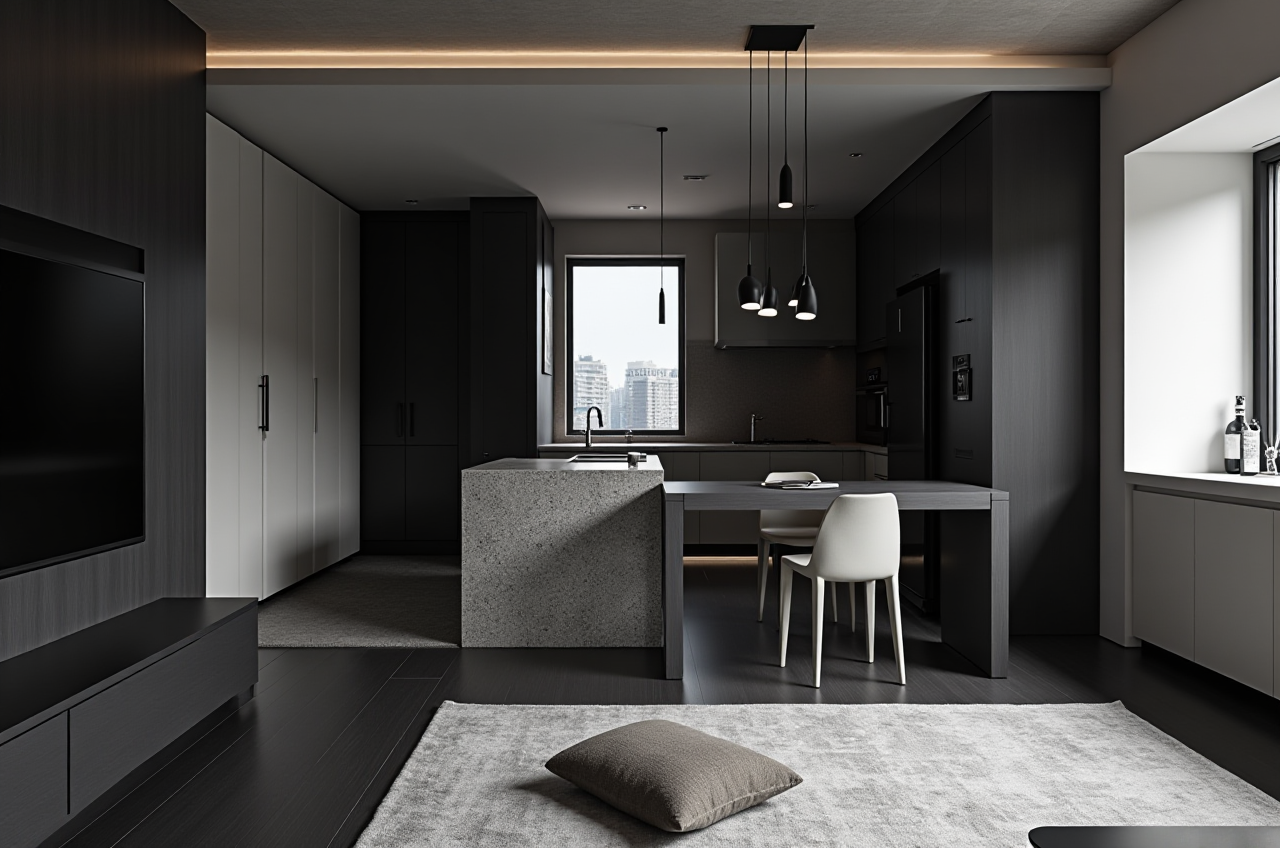
Q2: Why is translation important in home furnishing software?
A: Because the industry depends on accurate communication across design, sales, and manufacturing. Translation includes both language and technical meaning, such as matching product terms, room layouts, and production details.
Q3: How should a furniture team start using sunvega effectively?
A: Start with one high-frequency room type, build a clean product catalog, standardize naming and translations, then test the full flow from layout to render to manufacturing handoff.
If you want, I can also turn this into a more sales-oriented version, a blog-style SEO version, or a LinkedIn-style shorter post while keeping the same sunvega positioning.