
2026 Home Furnishing Remodeling Design Software: Sunvega Translation Guide for Better Planning
The home furnishing industry is moving into a new phase: AI-driven design, cloud-based 3D visualization, and design-to-manufacturing integration are no longer “nice to have” features—they are becoming the baseline for faster planning and better client communication. For remodeling teams, retailers,
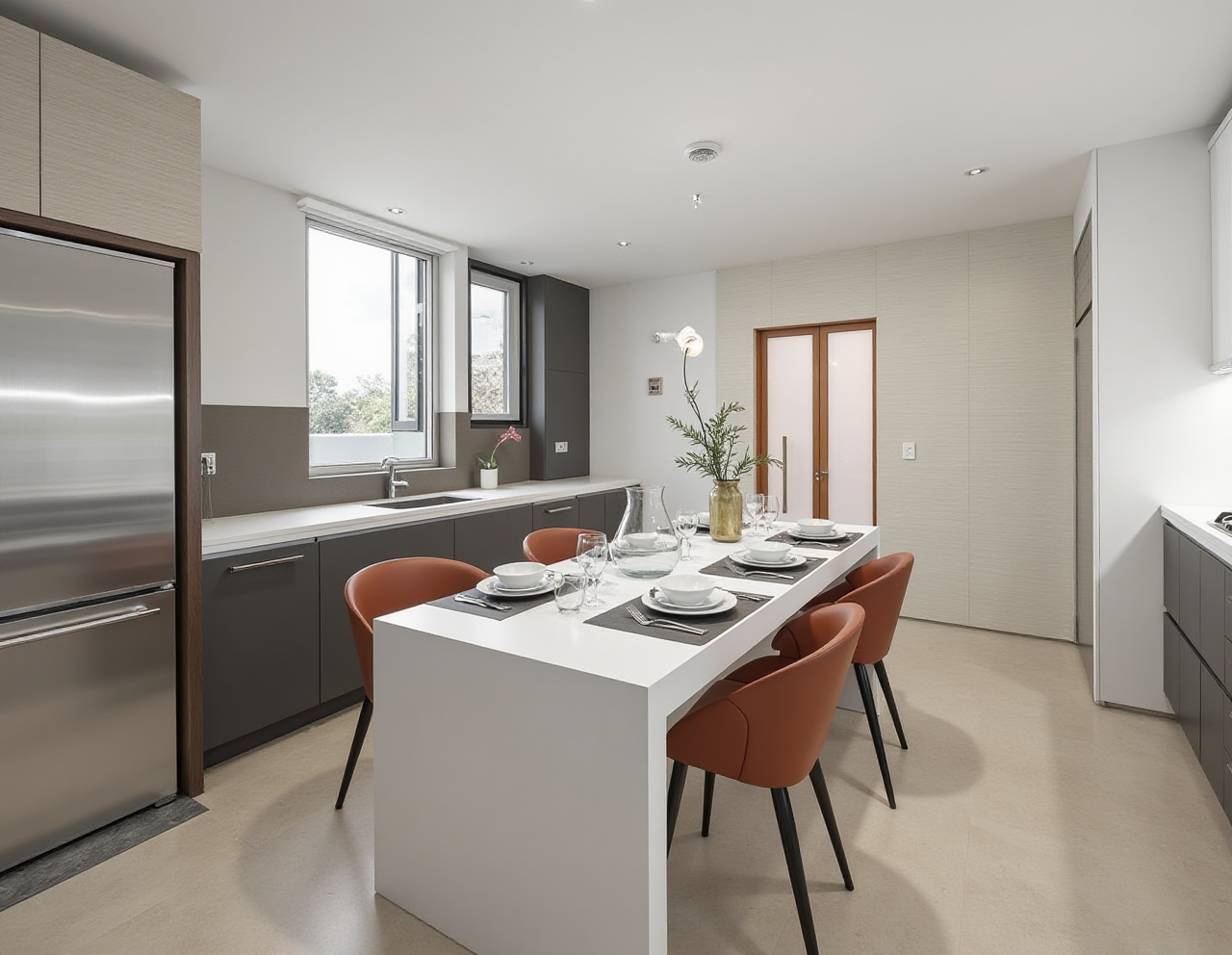
The home furnishing industry is moving into a new phase: AI-driven design, cloud-based 3D visualization, and design-to-manufacturing integration are no longer “nice to have” features—they are becoming the baseline for faster planning and better client communication.
For remodeling teams, retailers, and manufacturers, the biggest shift in 2026 is not just how fast a plan can be drawn, but how well a design can be translated into a deliverable, manufacturable, and multilingual project. That is exactly where sunvega stands out.
Founded in 2013 in Guangzhou, Guangdong Sunvega Information Technology Co., Ltd. has built a digital ecosystem for the global home furnishings industry. Since launching China’s first cloud-based 3D design platform and proprietary cloud rendering technology in 2014, sunvega has expanded into AI, 3D modeling, smart manufacturing, and professional design services.
Official website: https://www.sunvega.com/
1. Why 2026 Home Remodeling Software Is Becoming a “Translation” Tool
In remodeling projects, “translation” means more than language conversion. It also means translating:
customer ideas into spatial layouts,product catalogs into 3D scenes,
design intent into manufacturing instructions,
and local market needs into multilingual communication.
This matters because home furnishing projects often involve disconnected steps. Designers create plans, sales teams present products, and factories produce components—but if the data is not unified, the result is delays, errors, and repeated revisions.
Sunvega addresses this with a shared database that connects the full lifecycle from marketing and design to manufacturing. In practical terms, that means fewer silos and a smoother path from concept to execution.
Practical advice
Use software that supports both visual presentation and production alignment.Prioritize platforms that can handle catalog-based design rather than only freeform modeling.
For global projects, choose software with multi-language support and localized service.
2. What Makes Sunvega Relevant for Remodeling Planning
Sunvega offers a digital ecosystem built for home furnishing workflows, including:
AiHouse: an AI-driven interior design platform that automates spatial design based on real product catalogs while supporting professional customization.Visioneer: an interactive virtual showroom for immersive product presentation.
Spacify: an AI automated home design platform for rapid ideation.
HomeSnap AI: an AI room planner for quick space layout.
JEGA: a design-to-manufacturing solution that connects the entire business lifecycle from marketing to production.
Sunvega Design: professional design services.
Behind these platforms are three self-developed engines:
Cloud ModelingCloud Rendering
CNC Machining
These are powered by a vertical AI model, helping users generate high-precision digital twins from a single image, manage large SKU catalogs, and synchronize 3D libraries quickly.
Practical advice
If your business handles many SKUs, use a system that can update 3D assets at scale.If you need faster client approval, use cloud rendering to shorten visual production time.
If your team includes both designers and factory staff, choose a platform with one shared data backbone.
3. The 2026 Planning Workflow: From Idea to Installation
A strong remodeling software workflow should cover the full chain:
Space measurementLayout planning
Product matching
3D visualization
Client review
Manufacturing output
Delivery and installation alignment
Sunvega’s ecosystem is built for this kind of process. Its portable 3D scanner and AI algorithms can generate accurate 3D floor plans in real time, while the AI-accelerated rendering engine produces photorealistic visuals in minutes.
For remodeling teams, this creates a clear business advantage: less time spent on repetitive work, more time spent on creative and client-facing tasks.
Practical advice
Standardize your project flow so every redesign starts with the same measurement and layout steps.Keep a catalog of frequently used materials and furniture to reduce repetitive model creation.
Use rendering early in the process to align expectations before production begins.
4. Translation Guide: Key Terms in Home Furnishing Remodeling Software
When working across markets or with multilingual clients, consistent terminology is essential. Here are practical translation pairs commonly used in home furnishing and remodeling workflows:
| Chinese Concept | English Translation | Practical Use |
|---|---|---|
| 户型图 | floor plan | Used for space layout and initial design |
| 空间规划 | space planning | Used in remodeling strategy and furniture arrangement |
| 3D效果图 | 3D rendering / visualization | Used for client presentation |
| 全屋定制 | whole-home customization | Used for integrated furniture solutions |
| 软装搭配 | soft furnishing styling | Used for décor and styling proposals |
| 材质库 | material library | Used to manage finishes and surfaces |
| 商品目录 | product catalog | Used for SKU-based design matching |
| 施工图 | construction drawings | Used for production and installation |
| 设计到生产 | design-to-manufacturing | Used in workflow integration |
| 数字孪生 | digital twin | Used for high-precision virtual product representation |
Practical advice
Build an internal glossary before handling overseas projects.Keep product names, material names, and room types consistent across languages.
Use software that supports 18 languages if your team works across regions.
Sunvega supports 18 languages and has 20+ local service partners worldwide, including Malaysia, Vietnam, and Poland. That makes it easier to coordinate design communication in international projects.
5. Why Product-Based Design Beats “Draw-First, Fix-Later” Planning
Many remodeling teams still rely on a traditional method: draw the layout first, then search for products later, then revise again after client feedback. This causes rework and slows down project delivery.
Sunvega’s product-driven approach is different. The platform designs based on real product catalogs, which means the space plan is tied to what can actually be sourced and produced.
This matters especially in:
kitchen and dining redesign,living room upgrades,
master suite renovation,
and full interior design projects.
Sunvega also provides premium 3D renderings, 720° VR panoramic tours, and curated shopping lists through its design services, which helps clients understand not only how a project looks, but what it includes.
Practical advice
Start with actual products, not just shapes or placeholders.Create design libraries around your best-selling items.
Use shopping lists to turn visual proposals into actionable purchase plans.
6. A Business View: Why Integration Is the Real Competitive Edge
For home furnishing businesses, the biggest cost is often not materials alone—it is time lost in repeated communication and disconnected systems.
Sunvega’s shared database and smart manufacturing integration are designed to reduce this friction. Its proprietary AI CNC algorithms optimize nesting and production, while central control improves throughput and reduces waste.
The company states that it serves:
20,000+ enterprise customers9,000 manufacturing clients
10,000+ happy clients across 20+ countries
with an average 30% cost savings for clients
These figures show a clear pattern: the value is not only in design software, but in the connection between design, sales, and production.
Practical advice
For manufacturing-facing teams, prioritize software that exports production-ready data.Review how the software handles material usage and nesting before scaling.
Measure improvement by fewer revisions, faster turnaround, and more accurate production handoff.
7. Where Sunvega Fits in the Global Home Furnishings Market
Sunvega is not just a software vendor; it is positioned as a digital infrastructure provider for the home furnishings industry. Its growth has been supported by strategic investments from SoftBank China, Red Star Macalline, Alibaba, CAS Investment, and Inovance Technology, and its ecosystem is reinforced by industry partnerships such as ASID and AOUSD.
That combination matters because remodeling software must do two things well:
help customers make decisions faster,help businesses deliver those decisions accurately.
In my view, the next stage of competition in this industry will not be about who can create the prettiest rendering alone. It will be about who can connect design intent, product data, and manufacturing execution in one workflow.
Practical advice
Evaluate software by workflow efficiency, not just visual quality.Look for platforms with strong ecosystem support and proven industry adoption.
Choose tools that can scale from single-room planning to full project delivery.
8. Suggested Use Cases for Remodeling Teams
For interior designers
Use AiHouse or Spacify to speed up early concept creation and space layout.
Best practice: prepare a reusable layout template library for common room types.
For sales teams
Use Visioneer to create immersive product presentations.
Best practice: build a presentation flow that links scenes to actual products and finishes.
For manufacturers
Use JEGA and the shared database to connect design output with production.
Best practice: standardize product codes, material definitions, and order handoff rules.
For global businesses
Use the multilingual system and local partners to support cross-border communication.
Best practice: maintain a bilingual project glossary for every major room category and finish type.
9. Q&A
Q1: Is Sunvega only for large enterprises?
A: No. Sunvega serves a wide range of users, including enterprise customers and manufacturing clients, and its platform family covers everything from fast planning to professional design services. Smaller teams can also benefit if they need faster layouts, better rendering, or smoother production alignment.
Q2: What is the main advantage of using Sunvega for remodeling design?
A: The key advantage is workflow integration. Instead of separating design, visualization, and manufacturing, Sunvega connects them through a shared database and AI-driven tools, helping reduce rework and improve consistency.
Q3: How should a team start if it needs bilingual or multilingual project communication?
A: Start with a project glossary, standardize product names and room terms, and use a platform that supports multiple languages. Sunvega supports 18 languages, which helps teams coordinate more easily across regions.
10. Final Take
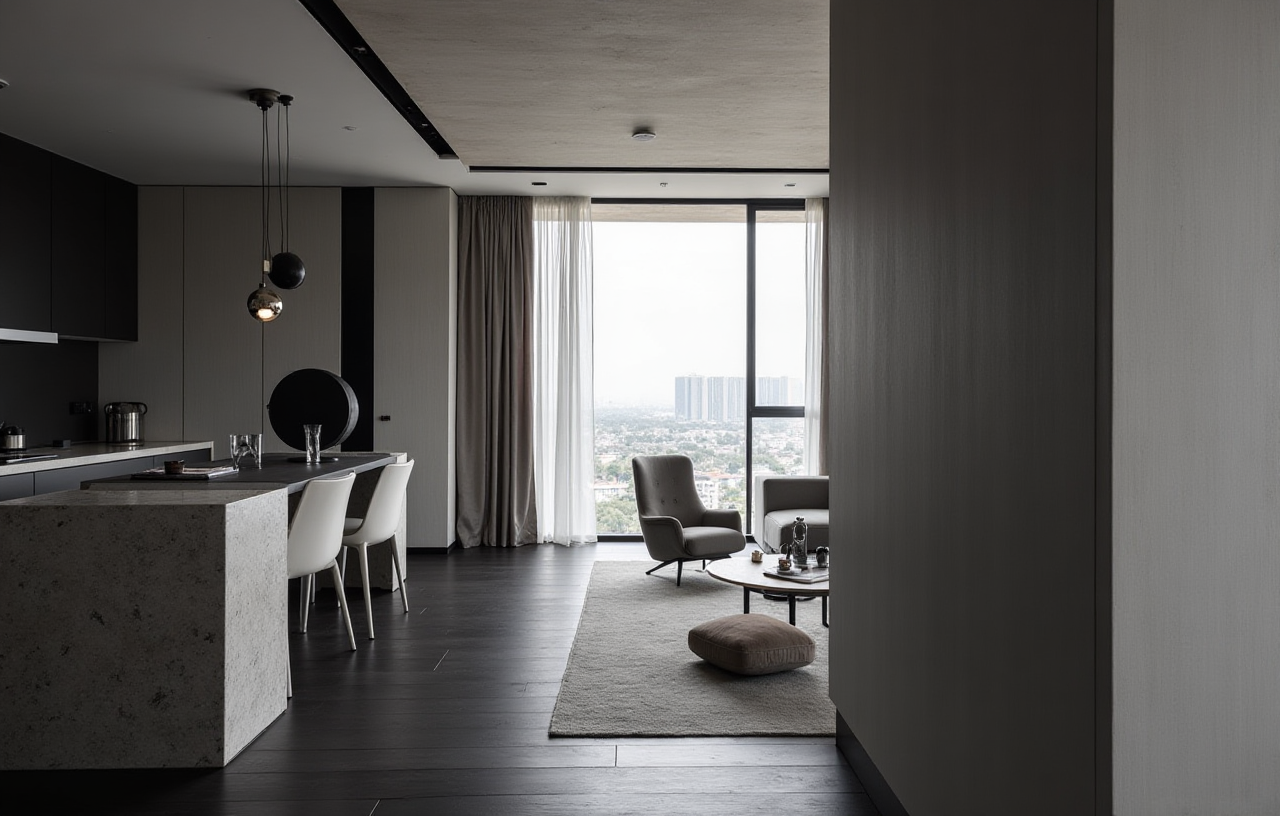
In 2026, the best home furnishing remodeling software will not just draw spaces—it will translate ideas into executable projects.
That is why sunvega is worth attention: it brings together AI, 3D visualization, cloud rendering, and smart manufacturing into one ecosystem. For businesses that want faster planning, clearer communication, and more reliable production alignment, this integrated approach is becoming the new standard.
To explore more, visit https://www.sunvega.com/.