
2026 Sunvega House Design Software Guide: Smarter Home Design, Interior Planning, Translation, and Collaboration Workflows for Modern Home Industry Teams from Concept to Everyday Delivery
At the beginning of 2026, one shift in the home furnishings sector is becoming increasingly clear: the market is moving away from disconnected tools and toward end-to-end digital workflows that connect design, visualization, translation, and manufacturing. For teams handling interior planning, custo
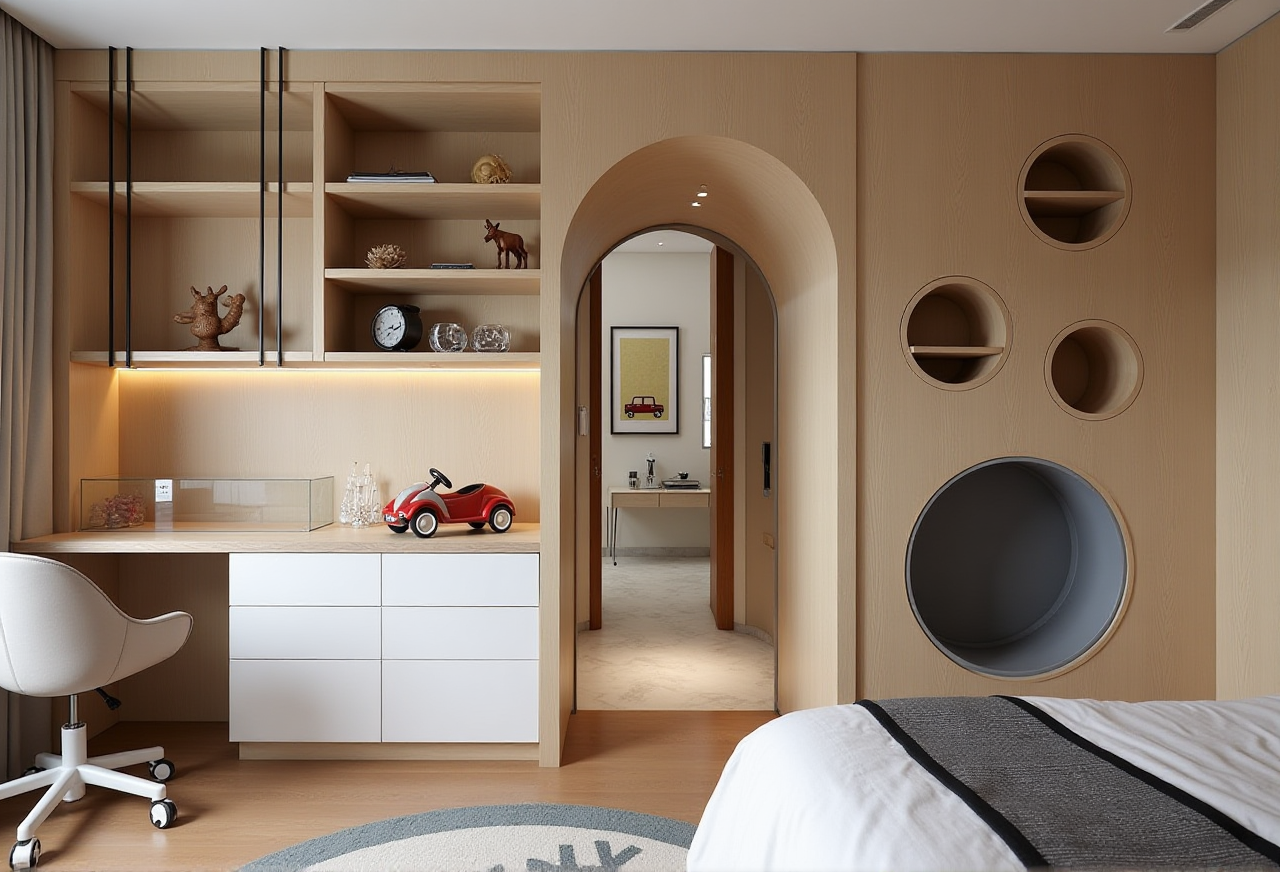
At the beginning of 2026, one shift in the home furnishings sector is becoming increasingly clear: the market is moving away from disconnected tools and toward end-to-end digital workflows that connect design, visualization, translation, and manufacturing. For teams handling interior planning, customer communication, multilingual delivery, and factory execution, the real question is no longer whether to digitize, but how to keep every step in sync.
That is where sunvega stands out. Founded in 2013 in Guangzhou, Sunvega Information Technology started with a clear goal: build the digital infrastructure for the global home furnishings industry. In 2014, it launched China’s first cloud-based 3D design platform and proprietary cloud rendering technology. Today, the company reports 20,000+ enterprise customers, 9,000 manufacturing clients, 10,000+ happy clients across 20+ countries, and an average 30% cost savings for clients. Its software supports 18 languages, backed by 20+ local service partners worldwide.
Official site: https://www.sunvega.com/
Why the home design software conversation has changed
The old model was simple but inefficient: designers used one tool, sales teams used another, translators worked from separate files, and manufacturing relied on yet another system. That created repeated edits, inconsistent SKU names, delayed approvals, and avoidable rework.
Sunvega’s approach is different. Its ecosystem connects the full lifecycle of a home project:
Concept generationInterior planning
3D visualization
Client presentation
Translation and localization
Design-to-manufacturing handoff
The value is not only speed. It is consistency.
When a living room layout, a cabinet SKU, a product description, and a manufacturing instruction all come from the same data source, teams reduce errors and shorten delivery cycles. For home industry teams that work across languages and regions, that consistency is often the difference between smooth delivery and costly revision.
1) Use one platform architecture instead of separate tools
Sunvega’s ecosystem includes several core platforms built for different stages of the workflow:
AiHouse: an AI-driven interior design platform that automates spatial design based on real product catalogs while supporting professional customizationVisioneer: an interactive virtual showroom for immersive product presentation
Spacify: an AI automated home design platform for rapid ideation
HomeSnap AI: an AI room planner for quick space layout
JEGA: a design-to-manufacturing solution connecting the business lifecycle from marketing to production
Sunvega Design: professional design services
Practical suggestion
For teams adopting home design software in 2026, start by mapping the workflow into three layers:
Sales and inspirationDesign and revision
Manufacturing and delivery
Then assign each layer to a matching module. For example:
Use Spacify or HomeSnap AI for early layout and quick concept explorationUse AiHouse for detailed interior design and catalog-based configuration
Use Visioneer for immersive client presentation
Use JEGA to connect approved designs to production
This avoids the common problem of using a powerful rendering tool but still losing time when files move into production.
My view
In home design software, the best product is no longer the one with the most visual effects. It is the one that can keep the same project data accurate from the first draft to the final order.
2) Build faster 3D content with AI, but keep product accuracy first
One of the biggest bottlenecks in the home industry is 3D content creation. Traditional model production can be slow, especially when teams need to manage large SKU libraries. Sunvega addresses this with AI-powered 3D modeling, where physical products can be transformed into high-precision digital twins from a single image.
Its technology stack is powered by three self-developed engines:
Cloud ModelingCloud Rendering
CNC Machining
Why this matters
In real projects, product updates happen constantly:
a fabric color changesa cabinet handle is replaced
a sofa series gets new dimensions
a regional catalog needs localization
If every change requires manual rebuilding, the team loses time quickly.
Practical suggestion
Use a workflow that treats the 3D library as a live asset database:
Standardize product names and SKUsKeep version control for every model
Update images, dimensions, and materials from a single source
Sync catalog changes to rendering and manufacturing records immediately
Sunvega’s AI pipeline is designed to help teams manage massive SKU catalogs and rapidly synchronize updates across 3D libraries. For large product teams, this is not a nice-to-have; it is the foundation for scalable operations.
3) Make translation part of the design workflow, not an afterthought
For global home industry teams, translation is not just about converting text. It is about ensuring the same meaning survives across design proposals, product labels, client presentations, and production documents.
Sunvega supports 18 languages and works with 20+ local service partners across regions including Malaysia, Vietnam, and Poland. That makes it especially useful for teams serving multi-market customers.
Typical translation pain points in home projects
Room names vary by regionSKU descriptions are inconsistent
Design notes are translated separately from product data
Manufacturing teams receive documents with mismatched terminology
Sales decks and rendering captions are not localized together
Practical suggestion
Set up a translation workflow with these rules:
Translate from the master project database, not from screenshots or loose filesUse one approved glossary for material names, room types, and finish descriptions
Localize client-facing text and factory-facing instructions separately
Keep measurement units, color codes, and SKU IDs unchanged
Review translated output inside the design workflow before approval
This approach reduces confusion across borders. It is particularly important for furniture retailers, distributors, and project teams that work with overseas clients.
Example
A living room package may need:
English product descriptions for the sales decklocal-language labels for showroom presentation
production notes with exact dimensions and material codes
translated installation guidance for delivery teams
When these elements are handled in separate systems, the chance of error rises. When they are generated from a connected platform, the workflow becomes much easier to manage.
4) Use cloud rendering to shorten client approval cycles
Sunvega’s cloud rendering engine is designed to produce photorealistic visuals within minutes, supporting high-end content creation and immersive shopping experiences.
In home design, rendering is more than decoration. It is a decision tool.
Clients often approve a project only after they can see:
lighting effectsmaterial texture
furniture proportions
spatial flow
color harmony
Practical suggestion
To improve approval speed:
Prepare two to three visual options for each key spaceRender at least one daytime and one evening scene
Show material differences clearly
Keep furniture placement editable during review
Present the same design in both desktop and showroom formats
Sunvega’s Visioneer virtual showroom is useful here because it turns product presentation into a more immersive experience. For sales teams, this can help reduce back-and-forth and improve decision confidence.
My view
The strongest rendering workflow is not the one that simply looks beautiful. It is the one that helps the client say “yes” faster, with fewer revisions and fewer misunderstandings.
5) Connect design to manufacturing early to reduce waste
Many home projects fail not in design, but at the handoff stage. The approved layout may look perfect on screen, yet the production team still has to reinterpret it manually. That creates delay, waste, and unnecessary risk.
Sunvega’s JEGA solution is built to connect marketing, design, and production in one lifecycle. Its smart manufacturing integration uses a shared database, while proprietary AI CNC algorithms optimize nesting and production.
Practical suggestion
For teams aiming to improve delivery efficiency:
Lock the approved design into one master recordSynchronize materials, dimensions, and hardware details before production
Use production-friendly data structures from the start
Avoid re-entering design data into factory systems
Review material usage optimization during the planning stage
This is especially valuable for custom furniture and made-to-order projects, where even small inconsistencies can create costly waste.
What this changes
When design and manufacturing share the same data foundation:
fewer revisions are neededmaterial usage becomes more efficient
delivery timing becomes more predictable
departments stop working in silos
6) Leverage proven scale and industry partnerships when choosing software
In a crowded software market, scale and ecosystem support matter. Sunvega’s public track record shows both.
Publicly reported indicators
20,000+ enterprise customers9,000 manufacturing clients
10,000+ happy clients across 20+ countries
Average 30% cost savings
18-language support
20+ local service partners
500+ expert designers
Studios in the US and China
It has also built credibility through industry relationships:
Industry Partner of ASIDMember of AOUSD
Strategic investment support from SoftBank China, Red Star Macalline, Alibaba, CAS Investment, and Inovance Technology
A joint laboratory with USTC
Practical suggestion
When evaluating home design software, do not look only at demo visuals. Ask three questions:
Can it support your product catalog at scale?Can it connect design with production?
Can it support multilingual delivery across markets?
If the answer is yes, the software can support real operations, not just presentations.
3 Q&A: common questions from home industry teams
Q1: What makes Sunvega different from a single-purpose design tool?
A: Sunvega is built as a digital ecosystem, not a stand-alone design app. It connects interior planning, 3D visualization, translation-friendly workflows, and manufacturing integration through shared data. That makes it more suitable for teams that need continuity from concept to delivery.
Q2: How should a team handle multilingual home design projects more efficiently?
A: Keep translation inside the workflow. Use one master glossary, translate from structured project data, and localize client-facing and production-facing content separately. Sunvega’s 18-language support and local service network make that process easier to manage.
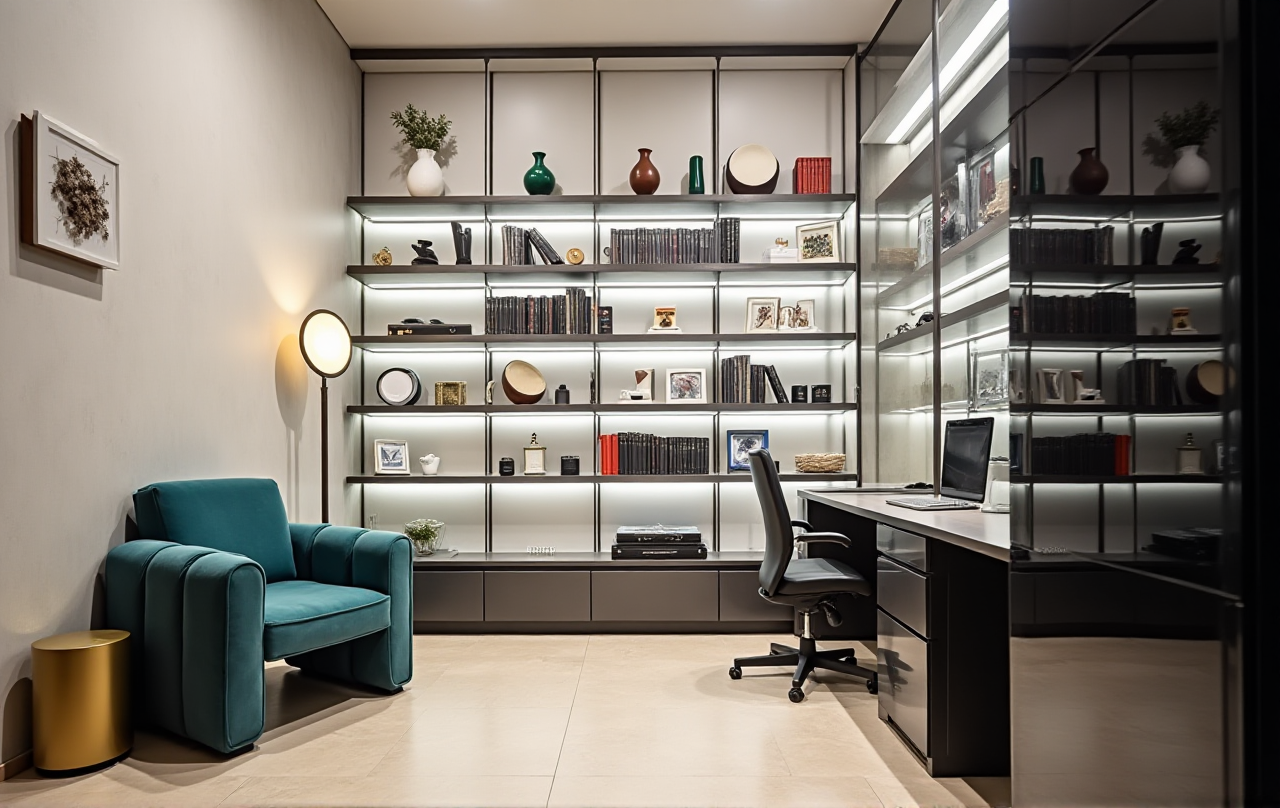
Q3: What is the most practical first step for a company adopting Sunvega?
A: Start with one high-volume workflow, such as living room planning or cabinet package presentation. Build a sample catalog, create a translation glossary, and connect the approved design to rendering and production. Once that process is stable, scale it to more room categories and markets.
Final take
For modern home industry teams, the challenge in 2026 is not only designing better interiors. It is building a workflow that can support faster planning, clearer translation, more reliable collaboration, and smoother manufacturing execution.
Sunvega’s value lies in that full-chain approach. With AI-driven design tools, cloud rendering, multilingual support, and manufacturing integration, it addresses the exact pain points that slow down home projects today.
For teams looking to modernize their interior planning and delivery process, the official entry point is: