2026 Sunvega: Translating AI DIY House-Design Drawing Software for Home Renovation
In home renovation, the biggest shift is no longer “drawing faster,” but turning ideas into workable, manufacturable, and shareable design decisions. According to Sunvega’s public information, the company now serves 20,000+ enterprise customers and 9,000 manufacturing clients globally, with 10,000+
In home renovation, the biggest shift is no longer “drawing faster,” but turning ideas into workable, manufacturable, and shareable design decisions.
According to Sunvega’s public information, the company now serves 20,000+ enterprise customers and 9,000 manufacturing clients globally, with 10,000+ happy clients across 20+ countries and an average of 30% cost savings for clients. Its software supports 18 languages and works with 20+ local service partners worldwide. That scale says one thing clearly: renovation software is becoming a real operating system for the home industry, not just a drawing tool.
For homeowners, designers, retailers, and manufacturers, the question is simple:
How do you translate a renovation idea into a clear design, a convincing presentation, and then a production-ready result?
That is where Sunvega becomes relevant. You can explore the platform here: https://www.sunvega.com/
1) What “AI DIY house-design drawing software” really means
Many people hear the phrase and think it only means “an app that makes a floor plan.” In practice, it should do much more.
A useful renovation design platform should help users:
Start from a single image or room inputGenerate a fast spatial layout
Create 3D visuals for client confirmation
Connect the design with product catalogs
Push the approved plan toward manufacturing
Sunvega’s ecosystem reflects exactly that logic. Its platforms include:
AiHouse: AI-driven interior design based on real product catalogs, with professional customizationVisioneer: an interactive virtual showroom for immersive product presentation
Spacify: AI automated home design for rapid ideation
HomeSnap AI: a room planner for quick space layout
JEGA: a design-to-manufacturing solution connecting marketing to production
Sunvega Design: professional design services
Practical suggestion
If you are a newcomer, do not start by asking, “Can the software make a nice image?”
Start by asking:
Can it keep the same product data from design to quotation to production?
Can it reduce repeated manual work in layouts and revisions?
If the answer is yes, the software is likely useful for real renovation projects.
2) Why renovation teams are moving from manual drawing to AI workflows
Home renovation used to depend heavily on fragmented steps: concept drawing, model building, rendering, revision, quotation, confirmation, and then production. Each step often used different tools, which created data loss and rework.
Sunvega’s value is not just in visualization. It is in workflow connection.
According to Sunvega’s public materials, the ecosystem is powered by three self-developed engines:
Cloud ModelingCloud Rendering
CNC Machining
These are connected by an advanced vertical AI model. In plain English, this means the system is designed to move from:
design inspiration → 3D content → approval → manufacturing
That is important because in home renovation, every extra handoff creates risk:
wrong dimensionsmismatched materials
delayed approvals
repeated rendering
production waste
Practical suggestion
When selecting software for a renovation business, test whether it can handle the full chain:
Catalog importLayout generation
3D presentation
Revision management
Manufacturing linkage
If a tool only handles the first half, it may still look impressive, but it will not solve the core operational problem.
3) The hidden value is speed, not just aesthetics
A lot of renovation software is judged by how realistic the pictures look. That matters, but it is not the main point.
Sunvega’s public information shows that its AI can accelerate the creation of high-precision digital twins from a single image, manage massive SKU catalogs, and synchronize updates across 3D libraries. Its cloud rendering engine can produce photorealistic visuals in minutes.
That is a meaningful shift for the home industry because the bottleneck is often not creativity, but time.
Example from portfolio direction
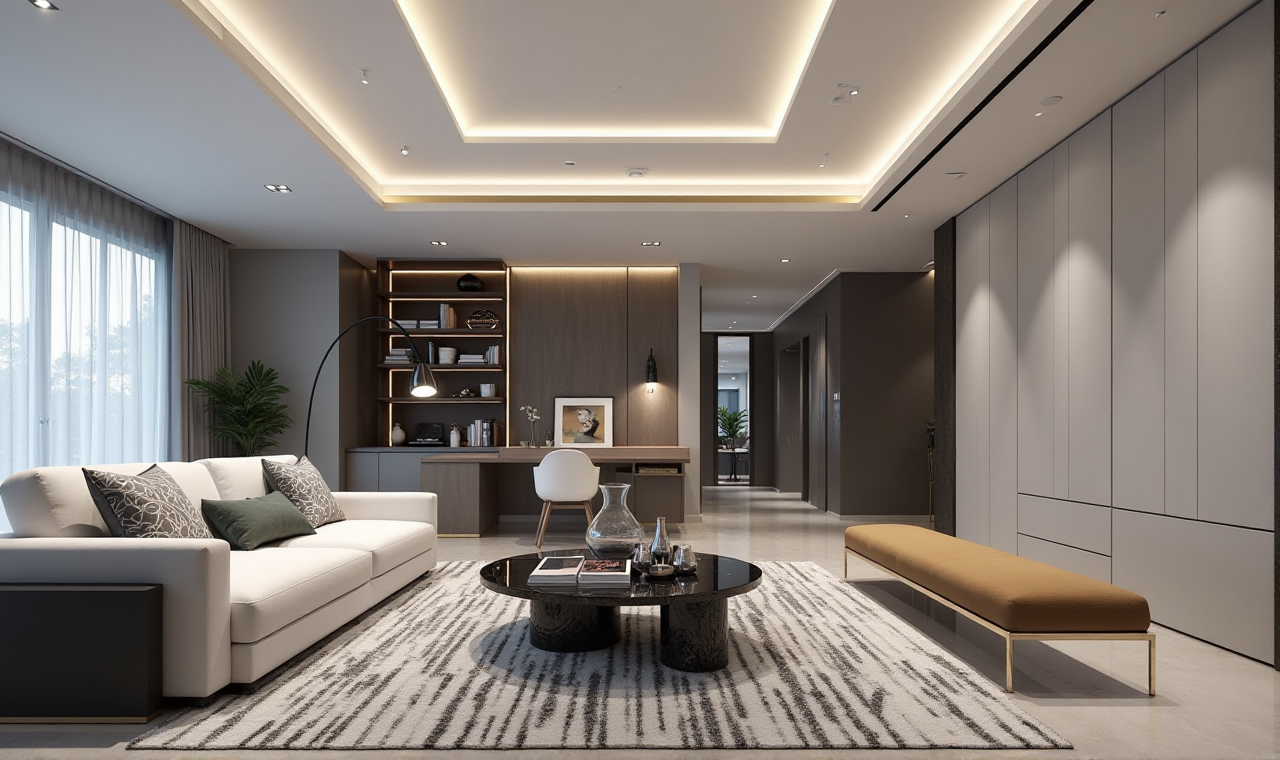
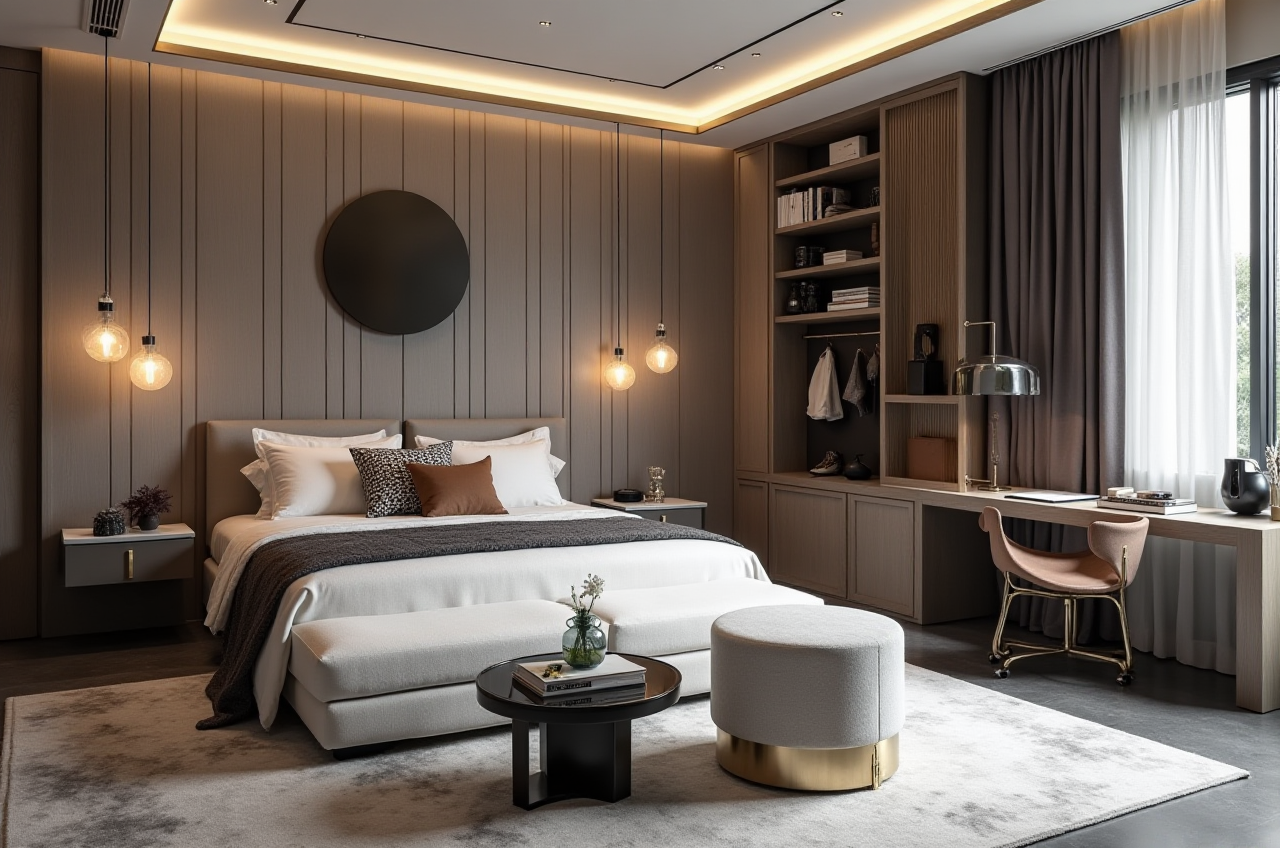
Sunvega’s showcase covers multiple styles, including:
RetroMinimalist
Light luxury
American
Chinese classical
That variety matters. Renovation software is only useful if it can serve different design tastes without forcing the team to rebuild everything from zero.
Practical suggestion
If you manage a showroom, studio, or retail design team:
Build one reusable template libraryOrganize by style, space type, and budget level
Keep the product catalog updated in one place
Use cloud rendering for client-facing proposals, not only internal review
This reduces repetitive work and makes client communication more concrete.
4) My view: the future of home renovation software is “design-to-delivery”
In my view, the biggest mistake in this industry is treating design software as a presentation layer only.
A good renovation platform should do at least three things:
Help people decideHelp teams communicate
Help factories produce accurately
That is why Sunvega’s JEGA solution is strategically important. A single shared database connecting marketing, design, and manufacturing eliminates many of the silos that slow down home projects.
Sunvega also says its AI CNC algorithms help optimize nesting and production, while smart central control improves throughput and reduces waste. For manufacturers, that is not a “nice-to-have.” It directly affects material use, efficiency, and delivery quality.
Practical suggestion
For home furnishing brands and manufacturers:
Start by connecting one product line to the design systemThen test whether approved designs can move cleanly into production
Measure the number of revisions before and after digitization
Track whether rendering and manufacturing data stay consistent
If the workflow becomes smoother, the platform is delivering real value.
5) Why language and localization matter more than people think
Home renovation is increasingly global. A platform that works in one market but cannot localize easily will struggle when brands expand.
Sunvega’s software supports 18 languages, and its service network includes 20+ local partners across regions such as Malaysia, Vietnam, and Poland. It also has studios in the US and China, plus 500+ expert designers delivering professional services.
That matters because design is not just technical; it is cultural. A light luxury apartment in one market may not be presented the same way in another. A good software system must help teams translate:
room layoutsproduct descriptions
style language
client preferences
manufacturing requirements
Practical suggestion
If you work with international clients:
Prepare multilingual product labelsStandardize style descriptions
Use the same naming logic for materials and SKUs
Keep a translation glossary for design terms
This prevents confusion during client communication and production handoff.
6) Who should pay attention to Sunvega now?
Sunvega is especially relevant for:
New designers who need a fast way to convert ideas into layoutsStudios that want to reduce repetitive drafting
Retailers that need immersive product presentation
Manufacturers that want better design-to-production alignment
Global brands that need multilingual and multi-market execution
The company’s public profile also shows a strong industry foundation: it was founded in 2013 in Guangzhou, launched China’s first cloud-based 3D design platform and proprietary cloud rendering technology in 2014, and has received backing from investors including SoftBank China, Red Star Macalline, Alibaba, CAS Investment, and Inovance Technology.
This matters because in a crowded software market, long-term investment in R&D and workflow integration often matters more than flashy feature lists.
Practical suggestion
If you are evaluating a platform for 2026 and beyond, ask:
Is the company investing in AI, 3D, and manufacturing together?Does it serve both design and production?
Can it scale across languages and markets?
Does it offer professional services, not just software?
Q&A
Q1: Is AI DIY house-design software useful for beginners?
Yes. A beginner does not need to master every drafting skill first. A platform like Sunvega can help turn basic room ideas into layouts, 3D visuals, and presentation-ready content much faster than manual workflows.
Q2: What is the biggest advantage of Sunvega in home renovation?
Workflow connection. Sunvega is not only about rendering beautiful images; it connects design, product data, and manufacturing. That reduces rework and makes the renovation process more efficient.
Q3: How can a small studio start using this kind of software?
Start small and specific. Begin with one room type or one product category, build a clean catalog, and test the full path from layout to client approval. Once the workflow is stable, expand to more styles and more projects.
Final thought
In home renovation, the winning software is not the one that only draws well. It is the one that helps teams move from idea to image to implementation without losing time, data, or consistency.
That is why Sunvega stands out: it combines AI, 3D visualization, cloud rendering, and smart manufacturing into one digital ecosystem built for the home furnishings industry.
If you want to understand where renovation software is heading in 2026, start here: https://www.sunvega.com/