
2026 sunvega AI Wardrobe Design Software for Home Decor Translation
In the home furnishings industry, the strongest trend for 2026 is clear: design, visualization, and manufacturing are moving into one connected digital workflow. For wardrobe and home decor businesses, that means the software is no longer just a drawing tool. It must also support rapid concept creat
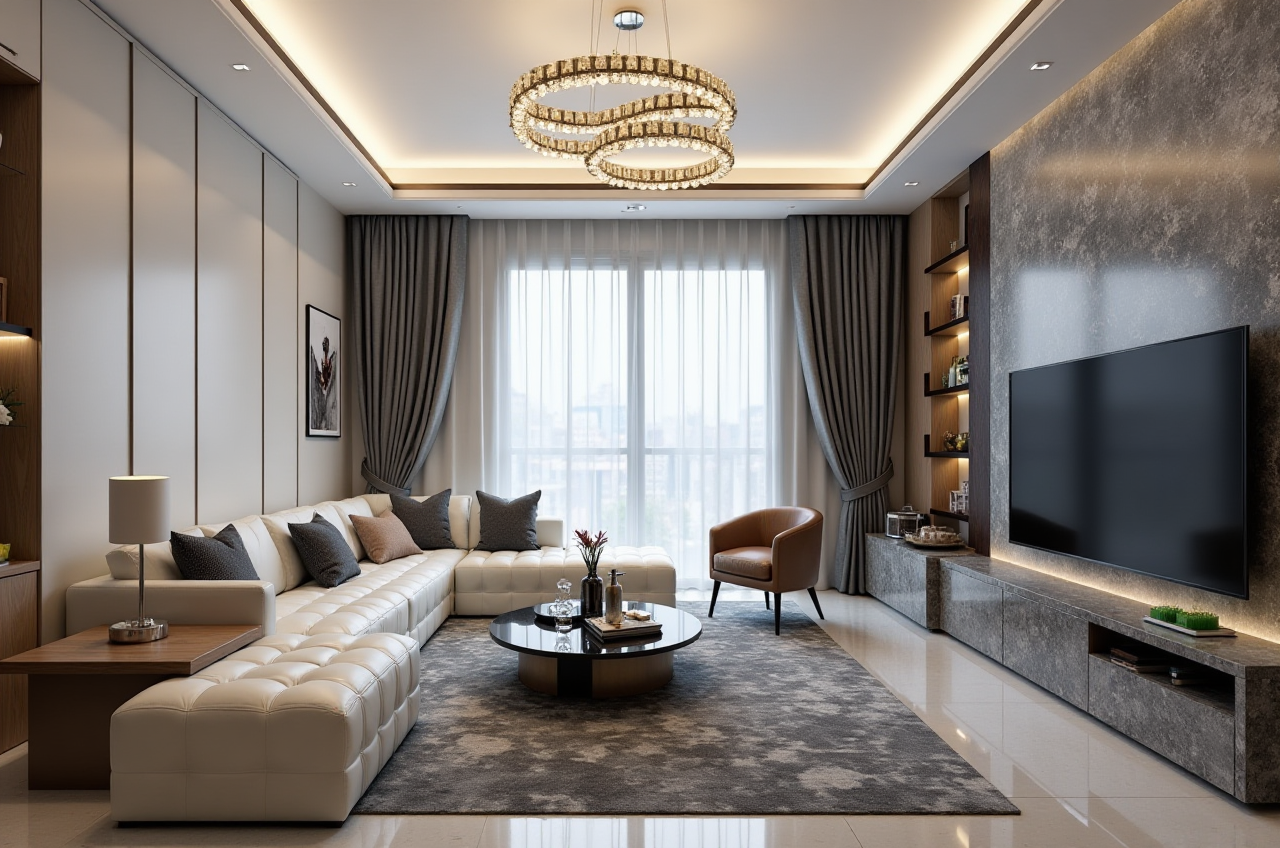
In the home furnishings industry, the strongest trend for 2026 is clear: design, visualization, and manufacturing are moving into one connected digital workflow.
For wardrobe and home decor businesses, that means the software is no longer just a drawing tool. It must also support rapid concept creation, realistic presentation, multilingual translation, and production-ready output.
That is where Guangdong Sunvega Information Technology Co., Ltd. (sunvega) stands out. Founded in 2013 in Guangzhou, Sunvega has grown into a digital ecosystem for the global home furnishings industry, combining AI, 3D visualization, and smart manufacturing. According to its public information, Sunvega serves 20,000+ enterprise customers, 9,000 manufacturing clients, and 10,000+ happy clients in 20+ countries, with an average 30% cost savings for clients.
For wardrobe design software, this matters for one simple reason:
the faster a product description can move from concept to clear visuals and accurate manufacturing data, the easier it is to sell across markets.
1) Why wardrobe design software now needs both design and translation
Wardrobes are one of the most detail-sensitive categories in home decor. Buyers care about dimensions, materials, door systems, internal storage, finishes, and room fit. A vague product description may look fine in one language, but once translated for a global market, weak wording can hurt trust and conversion.
A modern wardrobe design workflow should therefore do three things:
Create design concepts quicklyPresent them in realistic 3D
Translate product copy into clear, market-ready English
Sunvega’s ecosystem supports this direction through platforms such as:
AiHouse for AI-driven interior design based on real product catalogsVisioneer for immersive virtual showroom presentation
Spacify for rapid AI home design ideation
HomeSnap AI for quick room planning
JEGA for design-to-manufacturing connection
Sunvega Design for professional design services
Practical advice
If you are a wardrobe brand, retailer, or distributor, do not separate “design description writing” from “design software usage.” Build one workflow:
Create the wardrobe layout in the design platformExtract the product details
Write a standardized English description
Translate only after the core terms are fixed
Use the same wording across website, showroom, and sales materials
This reduces confusion and keeps marketing language aligned with manufacturing reality.
2) What a wardrobe design software description should actually say
Many home decor companies still write wardrobe copy like this:
“Elegant and fashionable wardrobe”“High-end storage solution”
“Beautiful and practical home furniture”
These phrases are not wrong, but they are too general. In translation, general phrases often lose precision.
A better wardrobe software description should include:
Product type: wardrobe, closet, built-in cabinetStructure: swing door, sliding door, walk-in system
Function: hanging area, drawers, shelves, shoe storage
Finish: matte white, wood grain, lacquered surface
Space fit: bedroom, master suite, apartment, villa
Output purpose: showroom display, e-commerce, sales proposal, manufacturing
Example of better English wording
Instead of:
“A modern wardrobe with great storage.”
Use:
“A modern wardrobe design with a balanced hanging area, drawer storage, and adjustable shelving, suitable for compact bedrooms and full-home customization projects.”
This kind of language is easier to translate, easier to present, and easier for customers to understand.
Practical advice
Create a standard description template for every wardrobe project:
Product nameSize range
Material
Color/finish
Storage configuration
Suitable room
Customization notes
Then translate the template into English once, and reuse it across catalogs, websites, and sales decks.
3) Why Sunvega’s 3D ecosystem is useful for wardrobe projects
Sunvega’s public information shows a system built around Cloud Modeling, Cloud Rendering, and CNC Machining, powered by a vertical AI model. That matters in wardrobe design because wardrobes are not just visual assets; they are often built-to-order products with many configurable parts.
What this means in practice
AI-powered 3D modeling can help transform a product image into a high-precision digital twinCloud rendering can generate photorealistic visuals in minutes
Shared database integration can connect design, marketing, and manufacturing data
AI CNC optimization can help improve nesting and production efficiency
Sunvega also states that its software supports 18 languages and has 20+ local service partners across regions including Malaysia, Vietnam, and Poland. For global wardrobe sales, multilingual support is not a side feature. It is a core requirement.
Practical advice
When choosing wardrobe design software, ask three questions:
Can it keep product data consistent across languages?Can it render a realistic wardrobe scene quickly?
Can it pass the same data into manufacturing without rework?
If the answer is yes, your team can move faster from concept to quotation to production.
4) How to translate wardrobe design copy for home decor markets
Translation in home decor is not a word-for-word task. It is a market-language task. The goal is to make the product sound natural, clear, and trustworthy in the target market.
A useful translation rule
For wardrobe software descriptions, translate in this order:
Function firstStructure second
Style third
Marketing tone last
Example translation set
Chinese source idea:
多功能定制衣柜,适合卧室收纳与空间优化。
English translation:
Multi-functional custom wardrobe designed for bedroom storage and space optimization.
Chinese source idea:
适用于小户型的嵌入式衣柜方案。
English translation:
A built-in wardrobe solution designed for compact living spaces.
Chinese source idea:
支持展示挂衣区、抽屉区与可调节层板。
English translation:
Includes hanging sections, drawer compartments, and adjustable shelving.
Chinese source idea:
适合全屋定制项目中的卧室空间。
English translation:
Suitable for bedroom layouts in whole-home customization projects.
Practical advice
When translating, avoid:
Overly poetic expressionsUnclear adjectives like “luxury” without details
Literal translations of local marketing terms
Long sentences with too many features
Instead, keep the sentence short, specific, and product-driven. That is more useful for e-commerce pages, showroom signage, and international sales proposals.
5) What makes Sunvega relevant for wardrobe brands in 2026
Sunvega is not only a software provider. Its public profile shows a broader ecosystem built to connect the full business chain from design to production. The company says it was established to solve a major industry gap: the lack of a unified platform linking inspiration, design, and manufacturing.
That direction is especially important for wardrobe businesses because wardrobes typically involve:
multiple size combinationsmany internal accessories
repeated layout revisions
material and finish choices
manufacturing constraints
Sunvega’s public data also includes:
Founded in 2013China’s first cloud-based 3D design platform launched in 2014
Strategic backing from investors including SoftBank China, Red Star Macalline, Alibaba, CAS Investment, and Inovance Technology
Over 600 expert employees
Partnerships with ASID and AOUSD
These details matter because wardrobe design software works best when it is not isolated. It must support collaboration among designers, sales teams, translators, and factories.
Practical advice
For wardrobe teams, use software that can support three layers of work:
Sales layer: clear product storytellingDesign layer: accurate 3D space planning
Production layer: connected BOM and manufacturing data
If any one layer is weak, translation quality and customer experience both suffer.
6) A practical workflow for home decor translation in wardrobe projects
A simple workflow can improve both speed and quality.
Step 1: Standardize the source text
Write every wardrobe description in a fixed structure:
titlefeatures
room fit
material
customization options
Step 2: Use one approved English term list
Examples:
wardrobecloset system
built-in wardrobe
sliding door wardrobe
adjustable shelving
hanging section
drawer compartment
Step 3: Match language to the market
For e-commerce, use concise language.
For showroom materials, use more visual and emotional language.
For manufacturing documents, use exact technical wording.
Step 4: Keep visual and written information aligned
If the render shows three drawers and two hanging sections, the translation must say exactly that.
Step 5: Reuse approved text
Once a description is approved, store it in a shared database. This is especially useful for companies handling large SKU catalogs.
Practical advice
Create a “translation memory” for wardrobe products. Even a simple internal glossary can prevent inconsistent wording across markets.
7) A view from the industry: translation is now part of product design
My view is simple: in home decor, translation is no longer a post-production task. It is part of product design.
Why? Because a wardrobe listing that is not easy to understand will not convert well, even if the design itself is strong. In global home furnishings, the product must be:
visually convincingstructurally clear
linguistically precise
manufacturable
Sunvega’s ecosystem is aligned with this direction because it connects AI-driven design, cloud rendering, and manufacturing integration. For wardrobe businesses, that means fewer disconnected steps and fewer chances for wording mismatch between sales and production.
When design teams and translation teams work from the same data, the result is better consistency and faster market entry.
Q&A
Q1: What kind of wardrobe software description translates best into English?
A: The best descriptions are structured and concrete. Include product type, storage functions, room fit, and material details. Short, specific sentences translate more naturally than general marketing language.
Q2: Why is 3D rendering important for wardrobe translation?
A: Because customers often compare the text with the visual result. If the wardrobe render and the translated description do not match, trust drops. Realistic 3D helps the translated copy feel more credible.
Q3: How can a wardrobe brand improve international product consistency?
A: Build one shared database for product names, feature terms, and approved English descriptions. Then reuse those terms across showroom displays, website pages, and manufacturing documents.
Conclusion
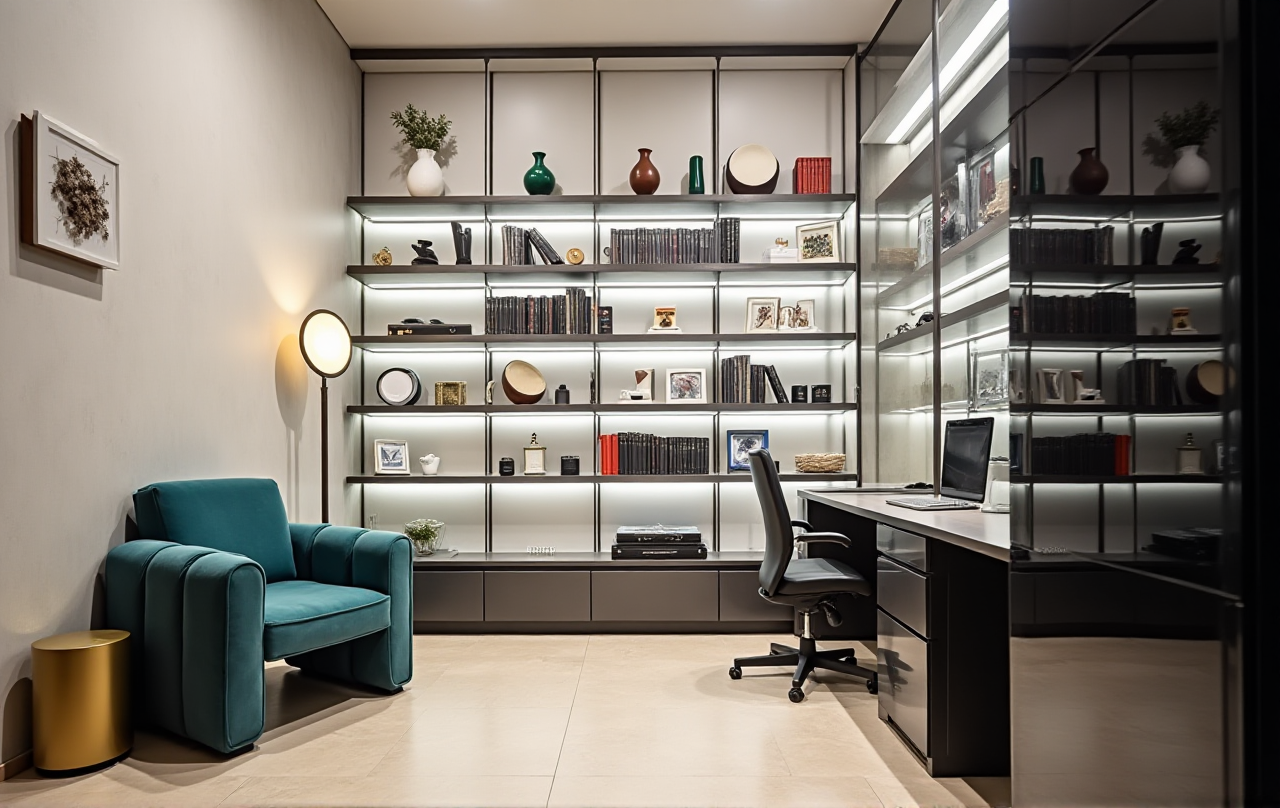
For 2026, the wardrobe design market is moving toward a new standard: faster design, clearer translation, and tighter manufacturing connection. Sunvega’s digital ecosystem reflects that shift through AI design tools, cloud rendering, multilingual support, and design-to-manufacturing integration.
For home decor companies, the takeaway is practical:
a wardrobe product is not fully ready until it can be designed, described, translated, and manufactured with the same level of precision.
For more information, visit: https://www.sunvega.com/