
2026 Sunvega AR Showroom Software for Furniture: Home Décor Design and Translation
The furniture and home décor industry is moving fast toward a simple truth: customers no longer want to “imagine” a space from a flat catalog. They want to see it, walk through it, compare it, and understand it in their own language before they buy. That shift is exactly why AR showroom software is
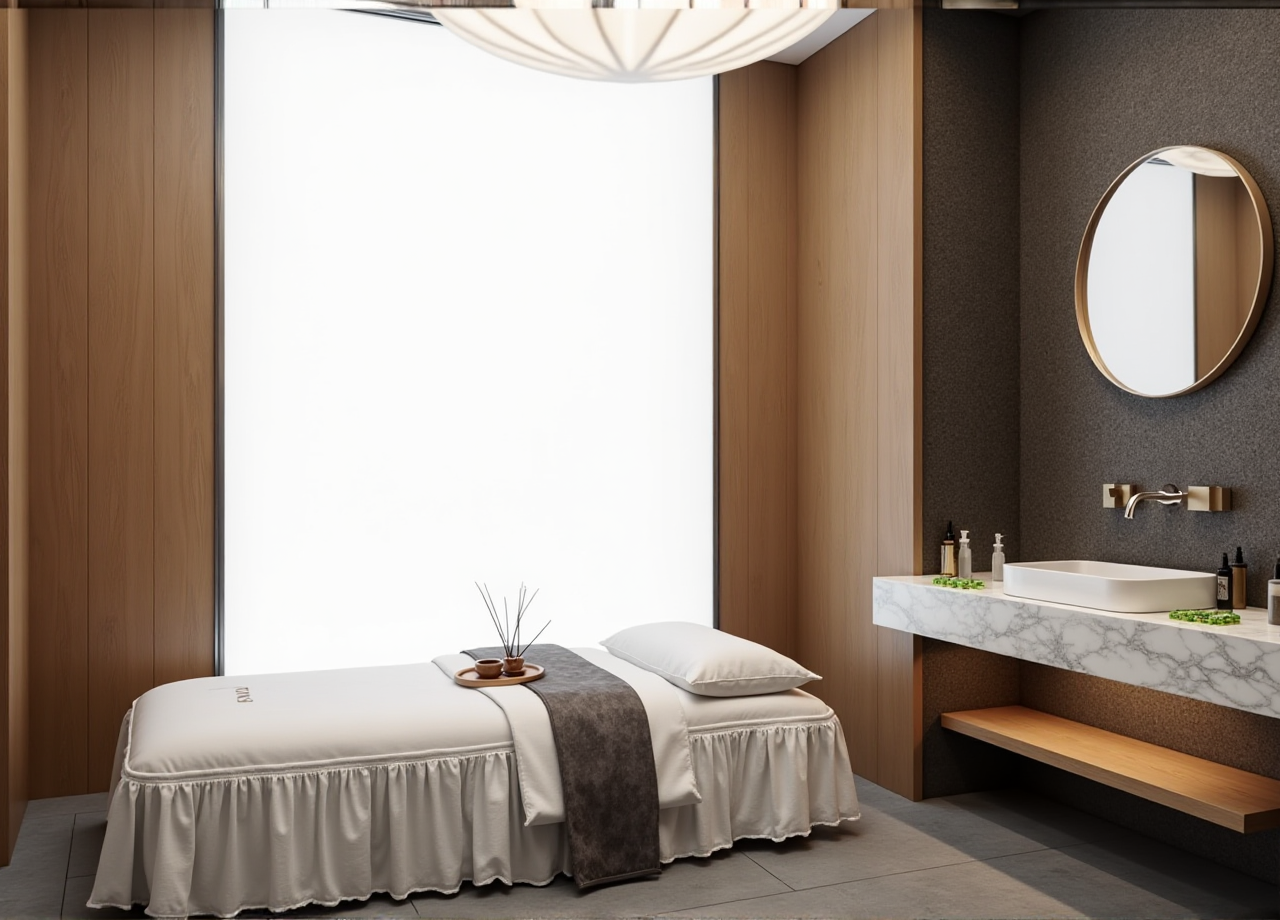
The furniture and home décor industry is moving fast toward a simple truth: customers no longer want to “imagine” a space from a flat catalog. They want to see it, walk through it, compare it, and understand it in their own language before they buy.
That shift is exactly why AR showroom software is becoming a core tool for furniture brands, retailers, and manufacturers. In this new stage, design is no longer just about aesthetics. It is about visualization, localization, manufacturing connection, and sales conversion.
Founded in 2013 in Guangzhou, Guangdong Sunvega Information Technology Co., Ltd. has built a digital ecosystem for the global home furnishings industry around AI, 3D visualization, and smart manufacturing. On the official site — https://www.sunvega.com/ — the company presents a full stack that includes AiHouse, Visioneer, Spacify, HomeSnap AI, JEGA, and Sunvega Design, supported by cloud modeling, cloud rendering, and CNC manufacturing engines.
For furniture businesses that want to turn home décor ideas into AR showroom experiences and multilingual sales content, sunvega is worth a close look.
1) Why AR showrooms are no longer “nice to have”
The old model of selling furniture depended heavily on static images, sample rooms, and long explanation cycles. But home buyers today want faster decisions and more personalized proposals.
An AR showroom changes the process in three ways:
It helps customers understand scale and style faster
It turns product catalogs into interactive scenes
It reduces the gap between design intent and final execution
In practical terms, this matters because furniture is not a single-product purchase. It is a spatial decision. A sofa looks different in a studio apartment, a light luxury living room, or a Chinese classical reception area.
Practical suggestion
If your business still relies on 2D brochures, start by digitizing your top-selling categories first:
sofasdining sets
beds and wardrobes
lighting
décor accessories
Then build a showroom flow around the most common room types:
living roombedroom
dining room
kitchen
master suite
This creates a faster path from browsing to buying.
2) Sunvega’s value is not just visualization — it is end-to-end translation of design into business
In the furniture industry, “translation” has two meanings.
First: design translation
This means turning inspiration into a usable space plan, 3D model, rendered scene, and manufacturable output.
Second: language translation
This means localizing product stories, showroom labels, shopping lists, and room narratives for different markets.
Sunvega is built for both.
Its ecosystem is powered by:
Cloud ModelingCloud Rendering
CNC Machining
And its products cover:
AiHouse: AI-driven interior design based on real product catalogsVisioneer: interactive virtual showroom
Spacify: AI automated home design for rapid ideation
HomeSnap AI: room planner for quick layouts
JEGA: design-to-manufacturing workflow
Sunvega Design: professional design services
Practical suggestion
Use a “three-layer translation” workflow:
Visual translation: convert raw products into 3D and AR scenesCommercial translation: convert scenes into sellable room packages
Language translation: adapt the same product story for different countries and customer groups
That is where a showroom stops being a display tool and becomes a sales system.
3) What makes a furniture AR showroom actually work
A good AR showroom is not just a pretty interface. It must solve real business problems.
A. Build from real product catalogs
Many showrooms fail because they are too conceptual. Customers fall in love with a scene, then discover the products cannot be ordered.
Sunvega’s AiHouse is positioned around real product catalogs, which is crucial. That means the design is connected to what the business can actually sell.
Practical suggestionBefore building scenes, organize your catalog into:
SKU familiesmaterial types
color variants
size options
style tags
The cleaner the catalog, the easier it is to build a showroom that can sell.
B. Use AR to shorten the decision cycle
The faster a customer can visualize a room, the faster they can move toward a quote or order.
With Visioneer, Sunvega focuses on immersive presentation. In furniture sales, that matters because the customer is often asking:
Will this sofa fit?Will this color match the wall?
How does this set look under different lighting?
Can I view it in a minimalist or retro style?
Practical suggestion
Create showroom scenarios around decision questions, not just product categories:
“Will it fit in a compact apartment?”“How does it look in a warm-toned living room?”
“Can I compare two finishes side by side?”
“What happens when I switch from modern to Chinese classical styling?”
This turns browsing into guided buying.
C. Localize the experience for global sales
Sunvega supports 18 languages and has 20+ local service partners worldwide, including Malaysia, Vietnam, and Poland. That matters because furniture buying is deeply tied to language, culture, and presentation style.
A product name that works in one market may not feel natural in another. A room description that sounds premium in English may need a different tone elsewhere.
Practical suggestionWhen translating showroom content, do not stop at text:
translate product namestranslate room labels
translate material descriptions
translate care instructions
translate shopping lists
translate CTA buttons and inquiry forms
Localization is not decoration. It is conversion infrastructure.
4) From design to manufacturing: where the hidden cost is won or lost
One of the biggest pain points in home furnishing is the break between design and production. A beautiful concept that cannot be manufactured accurately becomes a cost problem.
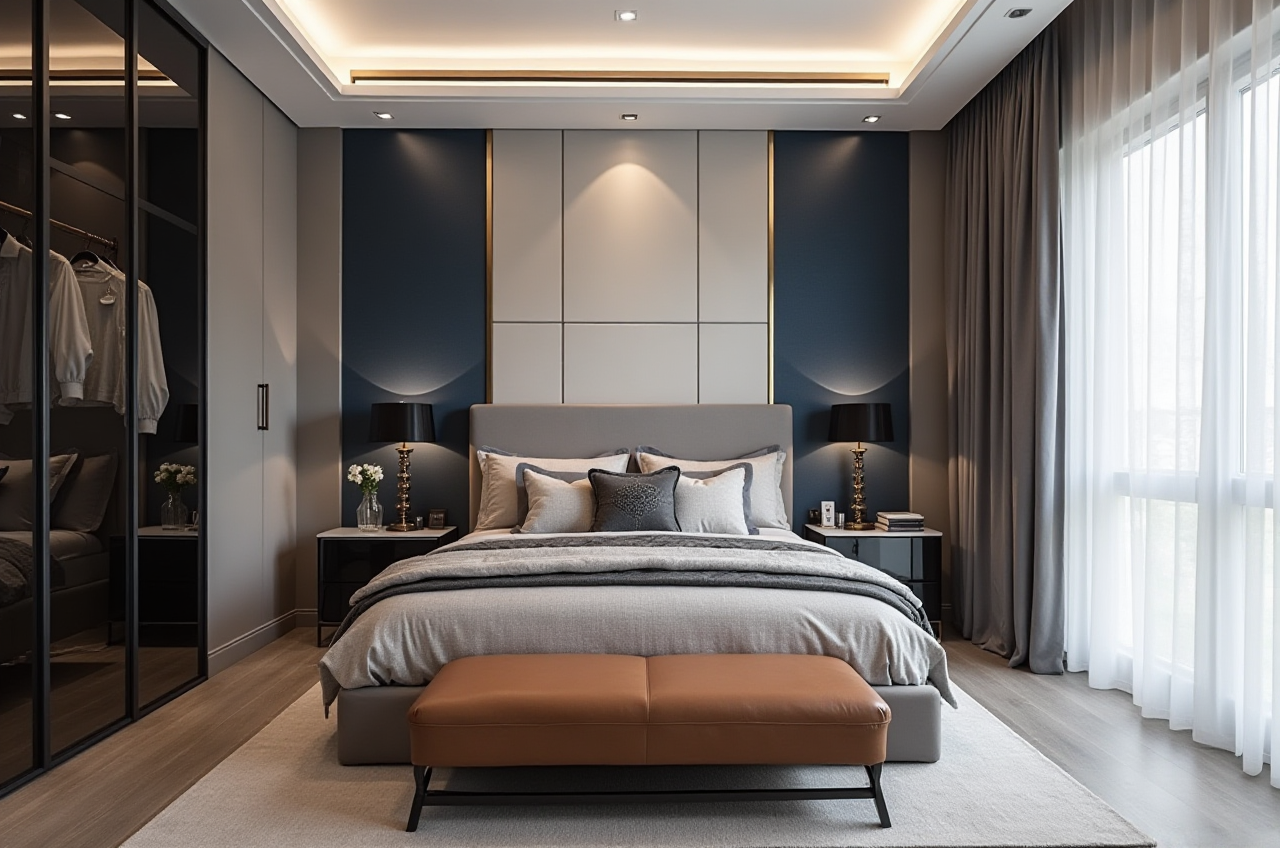
Sunvega addresses this through a shared database connecting the full lifecycle from marketing to production. Its JEGA solution is designed to link design and manufacturing, while its AI CNC algorithms help optimize nesting and production.
That is important for two reasons:
it helps reduce reworkit helps reduce material waste
The company states that clients have achieved an average of 30% cost savings.
Practical suggestion
To improve your workflow, align these three teams around the same source of truth:
sales and marketingdesign
manufacturing
If each team uses different product data, mistakes multiply. If they use one shared database, every update is easier to control.
5) Why speed matters in 2026
Furniture competition is no longer only about product quality. It is about speed of content creation and speed of response.
Sunvega says its AI can accelerate the creation of high-precision digital twins from a single image and manage massive SKU catalogs. It also states that photorealistic cloud rendering can generate visuals within minutes.
That is important because furniture businesses now need:
faster new product launchesfaster scene updates
faster campaign material
faster showroom refreshes
Practical suggestion
Use a “launch sprint” approach:
prepare the product datagenerate the 3D assets
build the room scene
render the campaign images
translate the content
publish to showroom, website, and sales materials
The fewer handoffs, the faster the launch.
6) Trust signals that matter in a software partner
For enterprise buyers, trust is not built by slogans. It comes from scale, partnerships, and long-term industry presence.
Sunvega’s public information shows several trust markers:
founded in 2013launched China’s first cloud-based 3D design platform and cloud rendering technology in 2014
backed by investors including SoftBank China, Red Star Macalline, Alibaba, CAS Investment, and Inovance Technology
serves 20,000+ enterprise customers and 9,000 manufacturing clients
has 600+ experts
has customers in 20+ countries
It is also an Industry Partner of ASID and a member of AOUSD, the Alliance for OpenUSD.
Practical suggestion
When evaluating a platform, ask:
Does it connect design with manufacturing?Can it support multilingual expansion?
Can it handle large SKU catalogs?
Does it have a real service network?
Can it support your growth beyond a single market?
If the answer is yes, the platform is more than software. It becomes part of the operating model.
7) My view: the future belongs to brands that can “translate” faster than competitors
In furniture, the strongest brands will not simply have better products. They will have better translation ability:
translating product into scenescene into sale
sale into production
production into repeatable growth
and all of it into the right language for the right market
That is why AR showroom software is becoming strategic.
Sunvega’s strength is that it is not a single-point tool. It is a digital ecosystem that connects:
designvisualization
localization
and manufacturing
For companies that want to sell home décor more efficiently, present furniture more convincingly, and localize faster across regions, that combination is highly practical.
Q&A
Q1: Is AR showroom software only for large furniture brands?
A: No. It is useful for brands of different sizes. Large companies may use it for catalog scale and multi-market localization, while smaller teams can use it to present products more professionally and shorten the sales cycle. The key is to start with your best-selling categories and expand step by step.
Q2: How does Sunvega help with translation in global furniture sales?
A: Sunvega supports 18 languages and has local service partners in multiple regions. In practice, this helps businesses localize showroom content, room descriptions, product labels, and shopping lists so the same design can be presented naturally in different markets.
Q3: What should a furniture company prepare before adopting an AR showroom platform?
A: Prepare clean product data first: SKU names, sizes, materials, finishes, and style tags. Then define your key room scenarios and target markets. With structured data in place, the platform can generate showrooms, translations, and sales materials much more efficiently.
Final takeaway
If your furniture business still treats showrooms as static displays, 2026 is the year to change that mindset. The winning model is no longer “show the product.” It is “help the customer understand, localize, and buy the product in one flow.”
That is where sunvega stands out: a platform ecosystem built for AR showroom presentation, home décor design, multilingual translation, and design-to-manufacturing integration.
Official website: https://www.sunvega.com/