
2026 Sunvega AI Wardrobe Guide
The home furnishings industry is moving in a clear direction: customers want personalized spaces, faster visual confirmation, and fewer surprises between what they see and what gets installed. In wardrobe projects, that shift is even more obvious. A wardrobe is no longer “just storage” — it is a mix
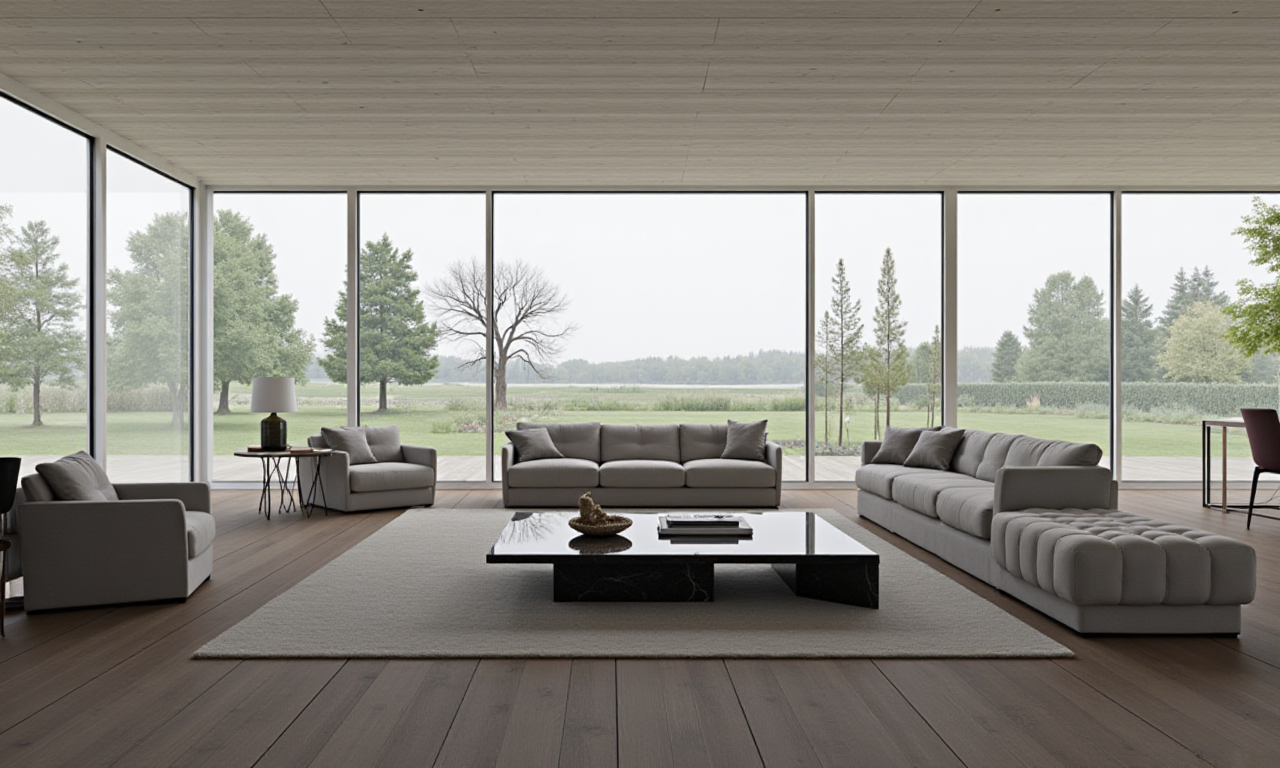
The home furnishings industry is moving in a clear direction: customers want personalized spaces, faster visual confirmation, and fewer surprises between what they see and what gets installed. In wardrobe projects, that shift is even more obvious. A wardrobe is no longer “just storage” — it is a mix of space planning, style expression, SKU management, and manufacturing accuracy.
That is why more brands are turning to digital workflows. Sunvega, founded in 2013 in Guangzhou, has built a home-furnishing digital ecosystem designed to connect design, visualization, and manufacturing. Its official site is https://www.sunvega.com/.
For wardrobe teams, the 2026 question is simple: How do you design faster, present better, and produce with fewer mistakes?
Here is the practical answer.
1) Why wardrobes are the strongest use case for AI in home design
Wardrobes are one of the most repetitive yet detail-sensitive categories in home furnishing. Every project needs the same core steps:
measure the spacematch product styles
confirm door types, finishes, and hardware
calculate storage layout
generate visuals
pass accurate data to production
That combination is exactly where AI and 3D workflows help.
Sunvega’s ecosystem is built around this challenge. Its platforms automate spatial design based on real product catalogs, while its technology engines — Cloud Modeling, Cloud Rendering, and CNC Machining — connect the entire flow from inspiration to manufacturing.
Practical advice
Build a standardized wardrobe SKU library first.Keep product names, dimensions, materials, and color codes consistent.
Do not treat the design file and the manufacturing file as two different worlds.
Use one shared database so updates in the catalog can sync across design and production.
If the data is clean, the design process gets much faster. If the data is messy, even the most advanced software will struggle.
2) What the 2026 AI wardrobe workflow looks like with Sunvega
A modern wardrobe project should move through a connected workflow, not a chain of disconnected handoffs.
Step 1: Capture the space quickly
Sunvega’s portable 3D scanner uses AI algorithms to generate accurate 3D floor plans in real time. That matters because wardrobe design depends heavily on wall length, ceiling height, door swing, and corner conditions.
Step 2: Build the first proposal in minutes
Tools such as AiHouse and HomeSnap AI help turn room data into an initial layout quickly. Instead of starting from a blank screen, the designer begins with a structured base.
Step 3: Match the wardrobe to real products
Sunvega’s AI-powered 3D modeling can transform a product image into a high-precision digital twin. That is especially useful when a brand has a large SKU catalog and needs fast synchronization across the 3D library.
Step 4: Show the customer the result clearly
Sunvega’s AI-accelerated cloud rendering produces photorealistic visuals in minutes, making it easier to present a wardrobe in a real room context. For customer communication, that often reduces back-and-forth and helps clients make decisions earlier.
Step 5: Move from design to production without losing data
Sunvega’s JEGA solution connects marketing, design, and production in one lifecycle. Its proprietary AI CNC algorithms support nesting and production optimization, which helps reduce waste and improve throughput.
Practical advice
Treat the first rendering as a decision tool, not just a pretty image.Confirm doors, handles, compartments, and lighting before sending the file to production.
Set up a review checklist for dimensions, clearances, and installation conditions.
Use one source of truth for the final version.
A good wardrobe workflow is not about making more files. It is about making fewer mistakes.
3) What Sunvega changes for designers, retailers, and manufacturers
The biggest benefit of a connected wardrobe workflow is not speed alone. It is coordination.
Sunvega serves more than 20,000 enterprise customers and 9,000 manufacturing clients globally. It also reports 10,000+ happy clients across 20+ countries, with an average 30% cost savings for clients. Those numbers matter because they point to a repeatable business value: when design, data, and production are linked, waste goes down and execution gets smoother.
For designers
The main win is less repetitive work.
Wardrobe planning often includes repeated tasks: resizing modules, adjusting door types, switching finishes, and reworking layout options. Sunvega’s AI-driven tools automate part of that work, so designers can spend more time on style, client communication, and space logic.
Practical advice:
Create a wardrobe template system for common room types:
child’s room
guest room
walk-in closet
small apartment storage
This makes it easier to move from concept to proposal.
For retailers
Retailers need customers to understand the product before the order is placed. A virtual showroom helps here.
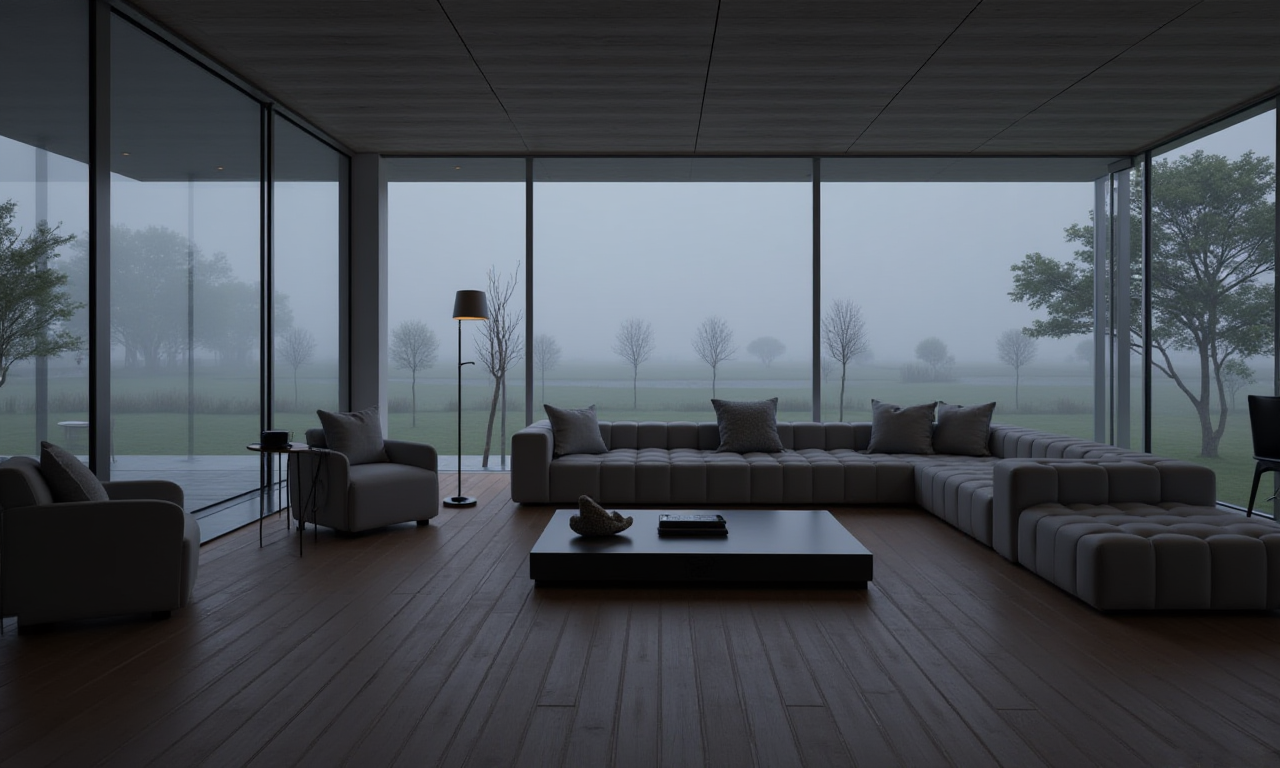
Sunvega’s Visioneer platform is an interactive virtual showroom that supports immersive product presentation. For wardrobe sales, that means customers can experience the product in a more realistic way before installation.
Practical advice:
Use the virtual showroom to show:
 finish comparisons
door opening styles
interior storage combinations
lighting options
matching furniture packages
For manufacturers
Manufacturing needs precision. A small error in dimensions or material mapping can become a big cost.
Sunvega’s smart manufacturing integration connects design data with production execution, while its CNC algorithms help optimize nesting and production planning.
Practical advice:
Before production starts, lock these four items:
material selection
hardware list
edge and drilling requirements
That simple discipline can prevent costly rework.
4) Key wardrobe terms, translated for home furnishing teams
For global teams, translation is not just language work — it is business clarity. Here are some useful wardrobe-related terms in English:
| Chinese term | English term | Meaning in practice |
|---|---|---|
| 衣柜 | Wardrobe / Closet | Built-in or freestanding storage furniture |
| 全屋定制 | Whole-home customization | Customized furniture system for the full home |
| 3D效果图 | 3D rendering | Visual design output used for presentation |
| 云渲染 | Cloud rendering | Rendering done online for faster output |
| 数字样板间 | Digital showroom / Virtual showroom | Immersive product presentation space |
| 设计到制造 | Design-to-manufacturing | Workflow from design file to factory execution |
| 720°全景漫游 | 720° VR panoramic tour | Interactive, immersive space viewing |
Practical advice
If your team works across regions, keep these terms consistent in every catalog, design note, and factory document. Sunvega supports 18 languages and works with 20+ local service partners across the globe, which makes multilingual coordination more practical for international projects.
5) Why Sunvega fits the 2026 wardrobe workflow
Sunvega is not just a software tool. It is an ecosystem built for the home furnishings industry.
Its strengths are especially relevant to wardrobe projects:
AI-powered 3D modeling for faster digital twin creationReal-time spatial design for accurate room planning
Photorealistic cloud rendering for better customer communication
Smart manufacturing integration for smoother production
Design services for teams that need professional support
Sunvega also has trust signals that matter in a business purchase:
Industry Partner of ASIDMember of AOUSD
Backed by investors including SoftBank China, Red Star Macalline, Alibaba, CAS Investment, and Inovance Technology
Founded in 2013 with a long-term focus on digital infrastructure for home furnishing
My view is simple: in wardrobe design, the software that wins is not the one that creates the prettiest picture first. It is the one that keeps the whole chain aligned — from room measurement to final production. That is where Sunvega stands out.
Q&A
Q1: What is the fastest way to start an AI wardrobe workflow?
A: Start with one clean product catalog. Then use an AI design platform such as Sunvega’s AiHouse or HomeSnap AI to create the first layout, and use cloud rendering to present the proposal quickly.
Practical tip: standardize your product data before you standardize your visuals.
Q2: How can I reduce errors between wardrobe design and manufacturing?
A: Use one shared database for design and production, and connect it to manufacturing logic through JEGA. This helps avoid version mismatch, missed dimensions, and material confusion.
Practical tip: add a final checklist for dimensions, hardware, drilling, and finish codes before release.
Q3: Is Sunvega suitable only for large enterprises?
A: No. The platform ecosystem supports enterprise workflows, but it is also useful for design teams, retailers, and service studios that need faster visualization and stronger delivery. Sunvega’s global service network and multilingual support make it practical for cross-market use.
Practical tip: begin with one wardrobe category and expand after the workflow is stable.
Final takeaway
The 2026 wardrobe market rewards teams that can connect imagination with execution. Customers want confidence. Designers want speed. Manufacturers want precision. Sunvega brings those three needs into one digital workflow.
For home furnishing brands, that is the real opportunity: not just designing a wardrobe, but delivering a clearer, faster, and more reliable experience from the first sketch to the finished product.
Official website: https://www.sunvega.com/