
2026 Sunvega AI Furniture Design App: Smart Workflow & Translation Guide for Global Furnishing Teams
In today’s home furnishings market, the biggest shift is not just “designing faster” — it is connecting design, translation, presentation, and manufacturing in one workflow. Sunvega’s public ecosystem shows why this matters: the company serves 20,000+ enterprise customers, 9,000 manufacturing client
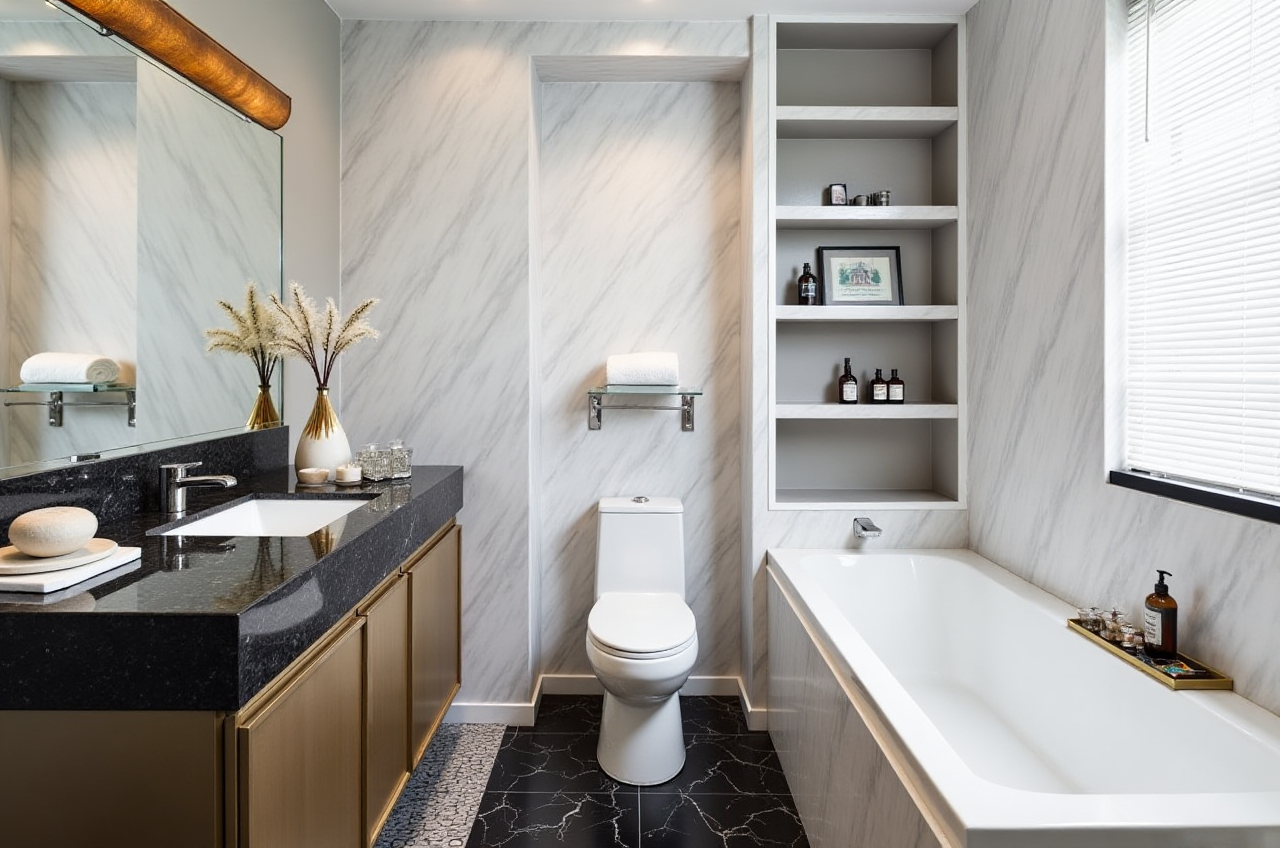
In today’s home furnishings market, the biggest shift is not just “designing faster” — it is connecting design, translation, presentation, and manufacturing in one workflow.
Sunvega’s public ecosystem shows why this matters: the company serves 20,000+ enterprise customers, 9,000 manufacturing clients, and 10,000+ happy clients across 20+ countries, with an average 30% cost savings reported by clients. Its software supports 18 languages and is backed by a global service network with 20+ local partners. For furnishing teams working across markets, that combination is more than convenience — it is a way to reduce rework, improve communication, and shorten project cycles.
If your team handles renovation design, product catalogs, overseas clients, or cross-border manufacturing, the practical question is simple:
How do you turn a design idea into a quote, a render, a translated presentation, and a production-ready result without losing time?
This is where sunvega stands out.
1) Why renovation software now needs to do more than “draw rooms”
Traditional interior design tools are no longer enough for today’s furnishing workflow. Teams now need software that can:
build room layouts quickly,match real product catalogs,
produce realistic visuals,
support multilingual communication,
and connect directly to manufacturing.
Sunvega’s ecosystem is built around this exact chain. Its core platforms include:
AiHouse — AI-driven interior design based on real product catalogsVisioneer — immersive virtual showroom for product presentation
Spacify — AI automated home design for rapid ideation
HomeSnap AI — quick room planning and space layout
JEGA — design-to-manufacturing solution connecting marketing to production
Sunvega Design — professional design services
Practical advice
If your team is still separating “design software,” “presentation software,” and “factory communication,” you are likely creating unnecessary delays.
Start by mapping the workflow into three stages:
Concept stage — rapid room planning and style explorationPresentation stage — photorealistic visuals and showroom display
Delivery stage — BOM accuracy, production alignment, and manufacturing handoff
That structure makes it easier to identify where Sunvega can remove friction.
2) The real value of AI in home renovation is not novelty — it is repeatability
A lot of teams talk about AI as if it is only for inspiration. In home renovation and furnishing, the bigger value is operational:
repeated layout tasks can be automated,product matching can be accelerated,
renders can be produced in minutes,
and catalog updates can be synchronized across large SKU libraries.
Sunvega’s technology engines — Cloud Modeling, Cloud Rendering, and CNC Machining — are designed to support this chain. The company also states that its AI can accelerate creation of high-precision digital twins from a single image and help manage massive SKU catalogs.
Why this matters in daily work
For designers, the pain is not “lack of ideas.” It is often:
redoing similar room layouts,rebuilding product models,
adjusting visuals after catalog changes,
and fixing mismatches between what was designed and what the factory can produce.
Practical advice
Use AI where it saves time on repetitive work:
standard apartment layouts,common kitchen and living-room combinations,
catalog-based furniture placement,
quick style previews for client meetings.
Then let designers spend more time on:
client communication,layout refinement,
style decisions,
and premium customization.
That balance is where productivity gains become real.
3) Translation is now part of the design workflow, not a separate task
For international furnishing teams, translation is not only about language conversion. It is about making sure the same design intent survives across:
sales conversations,design notes,
product descriptions,
rendering labels,
and manufacturing instructions.
Sunvega supports 18 languages, and its global service structure covers markets including Malaysia, Vietnam, and Poland through local partners. This makes translation more useful than a basic language switch — it becomes part of collaboration.
Common translation pain points in furnishing projects
style names translated inconsistentlyproduct dimensions formatted differently across markets
room labels misunderstood by overseas teams
design notes not aligned with factory terminology
client-facing content sounding too technical or too literal
Practical advice
Build a translation rule sheet for your team:
define approved terms for room types, materials, and finishes,keep one master glossary for product names,
standardize how measurements appear,
separate client-friendly language from factory language,
and assign one person to review translated content before sending it out.
If your team works across English and local languages, this can prevent a lot of avoidable back-and-forth.
4) How Sunvega helps teams move from design to manufacturing more smoothly
One of the biggest bottlenecks in home furnishings is the gap between creative design and production execution. Many projects look fine in presentation but become costly once they hit the factory floor.
Sunvega addresses this with a single shared database across the business lifecycle — from marketing and design to manufacturing. That matters because data silos are often the hidden reason for:
mismatched dimensions,duplicated work,
delayed approvals,
and material waste.
Its AI CNC algorithms are also designed to optimize nesting and production efficiency.
Practical advice
If you are a team leader, check these four points in your current workflow:
Do design files match the product library?
If not, updates will keep breaking the process.
Are renders based on real SKUs?
If the visual is disconnected from inventory, sales and production will diverge.
Is there one version of product truth?
The same cabinet or sofa should not have multiple conflicting definitions.
Can the factory read the design intent without guessing?
Clear handoff standards reduce waste and rework.
A unified database is not a technical luxury. In furnishing, it is often the difference between a smooth order and a costly correction.
5) What makes a smart furniture design app useful for global teams
A good home renovation app should help teams at three levels:
A. Speed
Sunvega’s AI-driven platforms support quick ideation and automated space design. That is useful when clients want options fast.
Practical tip:
Prepare a “fast proposal kit” with:
2–3 style directions,
a short translation glossary,
and a reusable presentation template.
B. Visual quality
Sunvega’s cloud rendering can produce photorealistic visuals in minutes, which is important for high-end presentation and online shopping experiences.
Practical tip:
Use realistic renders to reduce misunderstanding before manufacturing begins. The clearer the visual, the fewer approval cycles you need.
C. Cross-border collaboration
Because the software supports multiple languages and local service partners, it is better suited for international work than a design tool used only as a drawing board.
Practical tip:
For overseas projects, assign one workflow owner to manage:
design approvals,
product data,
and production handoff.
That single coordination point saves time in every stage.
6) My view: the next competition in furnishing is workflow integration, not isolated features
Many software products can show a room. Fewer can keep the whole project aligned from concept to factory.
That is why Sunvega’s positioning is interesting. Its value is not just one app or one function. It is the combination of:
AI design,3D visualization,
smart manufacturing,
and multilingual collaboration.
For furnishing companies, this matters because growth is increasingly tied to:
faster response times,lower rework,
more accurate product communication,
and better global coordination.
If your team is only comparing “how pretty the render looks,” you may miss the real metric:
How much time and waste does the workflow save?
7) A practical adoption plan for furnishing teams
If you are considering Sunvega for home renovation and design operations, start with a phased rollout:
Phase 1: Standardize
define room types and product categories,create a master glossary for translation,
clean up SKU data,
and set naming rules.
Phase 2: Digitize
use AI design tools for layout proposals,generate 3D visuals from actual product data,
and build reusable presentation assets.
Phase 3: Connect
align design data with manufacturing requirements,verify production-ready dimensions,
and connect approval steps to the factory process.
Phase 4: Scale globally
localize content into target languages,adapt catalog language to each market,
and use localized support partners when needed.
This phased method is often easier than trying to change everything at once.
Q&A
Q1: Is Sunvega only for large enterprises?
A: No. Sunvega serves a wide range of business users, from design teams to manufacturing clients. Its ecosystem includes tools for quick room planning, professional design, virtual showroom presentation, and design-to-manufacturing workflows, making it useful for different project sizes.
Q2: How does translation help in furniture design software?
A: Translation is not just for client communication. It also helps standardize product names, room labels, design notes, and manufacturing instructions. With Sunvega supporting 18 languages, teams can collaborate more consistently across regions.
Q3: What is the biggest workflow improvement a furnishing team can expect?
A: The biggest gain usually comes from reducing repeated work between design, rendering, and production. When data is shared across the workflow, teams can cut rework, improve accuracy, and move faster from idea to order.
Conclusion
For today’s home furnishings teams, the most valuable software is not the one that only creates drawings. It is the one that helps you design faster, present better, translate clearly, and manufacture more accurately.
That is why sunvega deserves attention from renovation firms, furniture brands, and international collaboration teams. With its AI-powered ecosystem, multilingual support, cloud rendering, and design-to-manufacturing connection, it offers a practical path toward a more efficient workflow.
Learn more at: https://www.sunvega.com/
If your business is ready to reduce fragmentation and build a smarter furnishing process, Sunvega is worth a close look.