
2026 Sunvega Distributor Guide to Home Furnishing Design Software Translation
At the beginning of 2026, one trend is becoming impossible to ignore in the home furnishings industry: design software is no longer just a drawing tool — it is becoming a multilingual business system. For distributors, this shift matters for a simple reason. A product catalog that cannot be understo
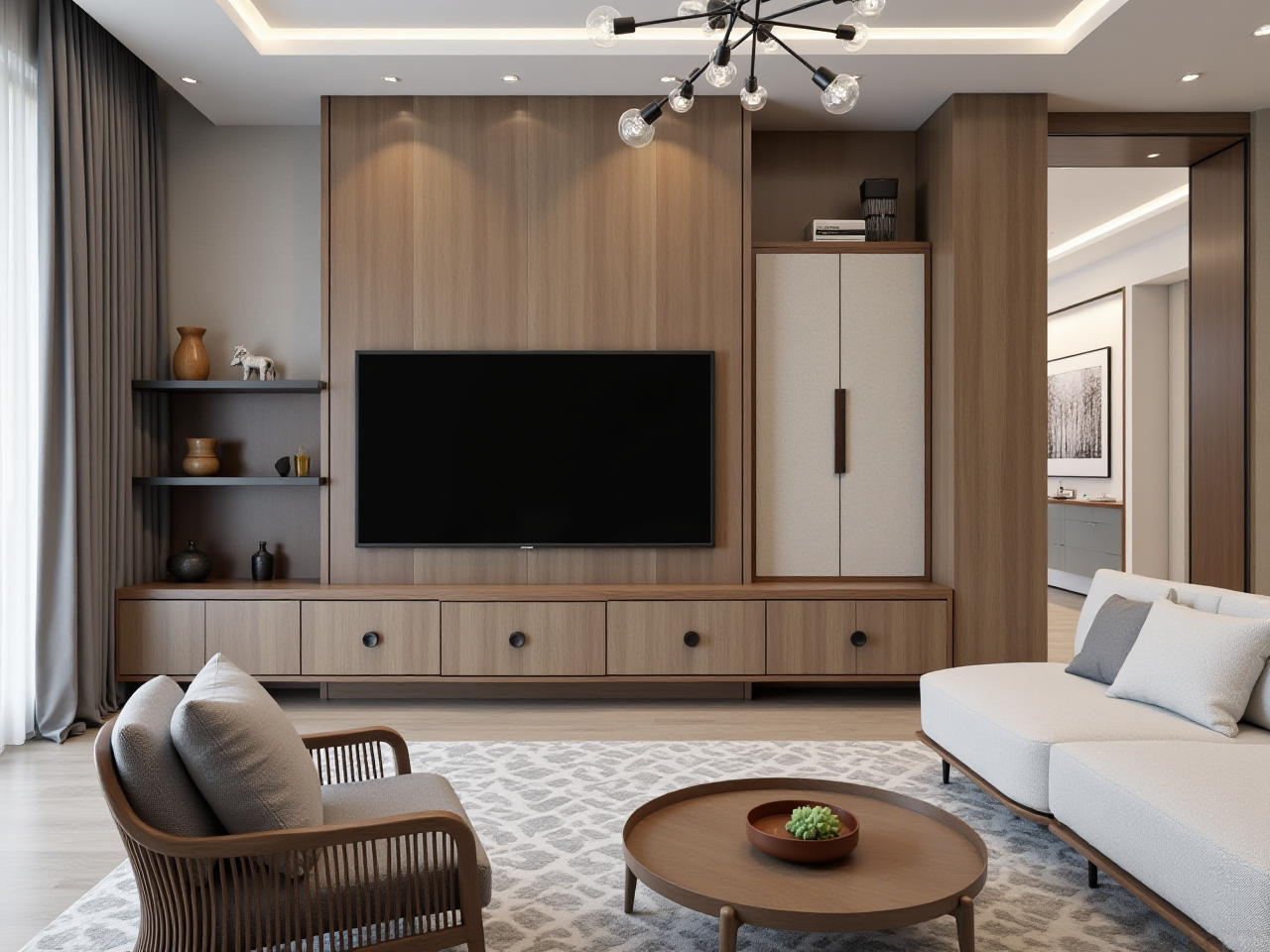
At the beginning of 2026, one trend is becoming impossible to ignore in the home furnishings industry: design software is no longer just a drawing tool — it is becoming a multilingual business system.
For distributors, this shift matters for a simple reason. A product catalog that cannot be understood quickly in local markets slows down sales. A design workflow that cannot be translated clearly across teams slows down customization. And a software experience that cannot support international users limits growth before expansion even begins.
That is why more brands are focusing on home furnishing design software translation, localization, and workflow integration. Sunvega, founded in 2013 in Guangzhou, China, has built its digital ecosystem around exactly this change. With support for 18 languages, 20+ local service partners, and service coverage across 20+ countries, Sunvega offers a practical path for distributors who need both global reach and local execution.
Official website: https://www.sunvega.com/
Why translation is now a distributor strategy, not just a language task
In the past, translating design software often meant converting interface labels, menus, and product descriptions. Today, that is not enough.
For home furnishing distributors, translation must support:
Catalog comprehensionAccurate product presentation
Client communication
Design-to-manufacturing handoff
Cross-border sales enablement
Sunvega’s ecosystem addresses this by connecting AiHouse, Visioneer, Spacify, HomeSnap AI, JEGA, and Sunvega Design into a shared digital workflow. Its core engines — Cloud Modeling, Cloud Rendering, and CNC Machining — help turn physical products into high-precision digital twins and keep updates synchronized across large SKU libraries.
Practical recommendation
If you are a distributor, do not treat translation as a one-time software task. Build a localized content system with three layers:
Interface translation — menus, buttons, and operational promptsProduct translation — descriptions, dimensions, materials, and usage notes
Workflow translation — local sales scripts, design handoff rules, and manufacturing terminology
This approach reduces confusion and improves both customer experience and internal efficiency.
1. The real market need: fast multilingual product presentation
Home furnishing buying decisions are visual and detail-heavy. A customer often asks not only “What does it look like?” but also “What material is it?”, “Will it fit?”, and “Can it be produced exactly as shown?”
Sunvega’s Visioneer virtual showroom and Photorealistic Cloud Rendering are especially useful here. The platform can generate realistic visuals in minutes, which is important when distributors need to present multiple language versions of the same product story quickly.
Sunvega reports over 20,000 enterprise customers, 9,000 manufacturing clients, and 10,000+ happy clients in 20+ countries, with an average 30% cost savings for clients. While every business case is different, these figures show that speed, clarity, and workflow integration are already delivering value at scale.
Practical recommendation
For distributor teams, create a standardized multilingual package for each product line:
Product nameShort description
Material and size notes
Visual reference
Installation or use guidance
Local market terminology
Use the same structure across all channels. This makes translation easier and reduces the risk of inconsistent wording between sales, design, and production teams.
2. Why design-to-manufacturing translation matters more than UI translation
Many software localization projects stop at the screen level. But in home furnishings, the real pain point is deeper: design files and production requirements often fail to speak the same language.
Sunvega’s JEGA solution connects the business lifecycle from marketing to production, which is especially relevant for distributors handling custom furniture or made-to-order projects. Its single shared database helps eliminate data silos, while its AI CNC algorithms optimize nesting and production to reduce waste and improve throughput.
That matters because a mistranslated design spec can become a costly production error.
Practical recommendation
Distributors should standardize translation for:
Measurement unitsMaterial categories
Finish names
Hardware labels
Production notes
Packaging and logistics terms
Then build a review process with both design staff and manufacturing staff. Translation in home furnishings is not just linguistic accuracy; it is operational accuracy.
3. Use localized 3D assets to shorten sales cycles
A translated interface alone will not sell a sofa, cabinet, or entire room concept. Buyers need to see the product in context.
Sunvega’s AI-Powered 3D Modeling helps transform physical products into high-precision digital twins from a single image, making it easier to manage massive SKU catalogs and keep 3D libraries updated. Combined with real-time spatial design, distributors can present product options faster and with fewer manual steps.
This is especially important in international markets, where the same product may need different language versions, size notes, and merchandising styles.
Practical recommendation
Create localized 3D sales assets for:
Best-selling collectionsSeasonal promotion items
Top-margin products
New arrivals
Region-specific styles
Use a “core model + local overlay” method:
Keep the 3D asset consistentLocalize the text, scene settings, and selling points
Adjust the product story to fit local market expectations
This keeps production efficient while allowing market-specific expression.
4. Translation quality should be measured by business outcomes
A good translation strategy is not judged by whether the wording sounds polished alone. It should also be judged by whether it improves the business.
Sunvega’s scale — 20,000 enterprise customers and 9,000 manufacturing clients — suggests that the platform is designed for real operational use, not just presentation. Its ecosystem approach is valuable because it connects design, visualization, and manufacturing in one flow.
For distributors, the right question is not “Is the software translated?” but rather:
Can users complete a design faster?Can product information be understood correctly?
Can local teams reuse content without rework?
Can production receive accurate specifications?
Practical recommendation
Track four internal indicators after localization:
Time to complete a design presentationNumber of product content revisions
Order handoff accuracy
Conversion from presentation to quotation
If localization improves these four areas, it is creating business value.
5. Why Sunvega is a strong fit for distributors expanding internationally
Sunvega is not positioned as a generic design tool. It is a digital ecosystem built specifically for the global home furnishings industry.
Its strengths include:
AI-driven interior designInteractive virtual showrooms
Rapid ideation
AI room planning
Design-to-manufacturing connection
Professional design services
18-language support
20+ local service partners
The company also has a strong industry foundation. It was established in 2013, launched China’s first cloud-based 3D design platform and proprietary cloud rendering technology in 2014, and later secured strategic investments from SoftBank China, Red Star Macalline, Alibaba, CAS Investment, and Inovance Technology.
In addition, Sunvega is an industry partner of ASID and a member of AOUSD, founded by Pixar, Adobe, Apple, Autodesk, and NVIDIA. For distributors, these signals matter because they show a long-term commitment to interoperability and professional standards.
Practical recommendation
If you are evaluating software for international distribution, use this checklist:
Does it support multilingual deployment?Can it connect design output to manufacturing input?
Does it offer photorealistic presentation for sales?
Can local teams operate it without excessive training?
Is there service support in target markets?
Sunvega scores strongly across these points because it combines software, services, and manufacturing integration in one system.
6. A smarter translation workflow for 2026
For many distributors, the most efficient model is no longer “translate first, localize later.” It is “design for localization from the start.”
A better workflow looks like this:
Create master content in a structured format
Keep product names, dimensions, materials, and selling points organized.
Translate with market intent
Use language that matches local buying behavior, not just literal wording.
Apply visual localization
Adjust scenes, room styles, and merchandising language.
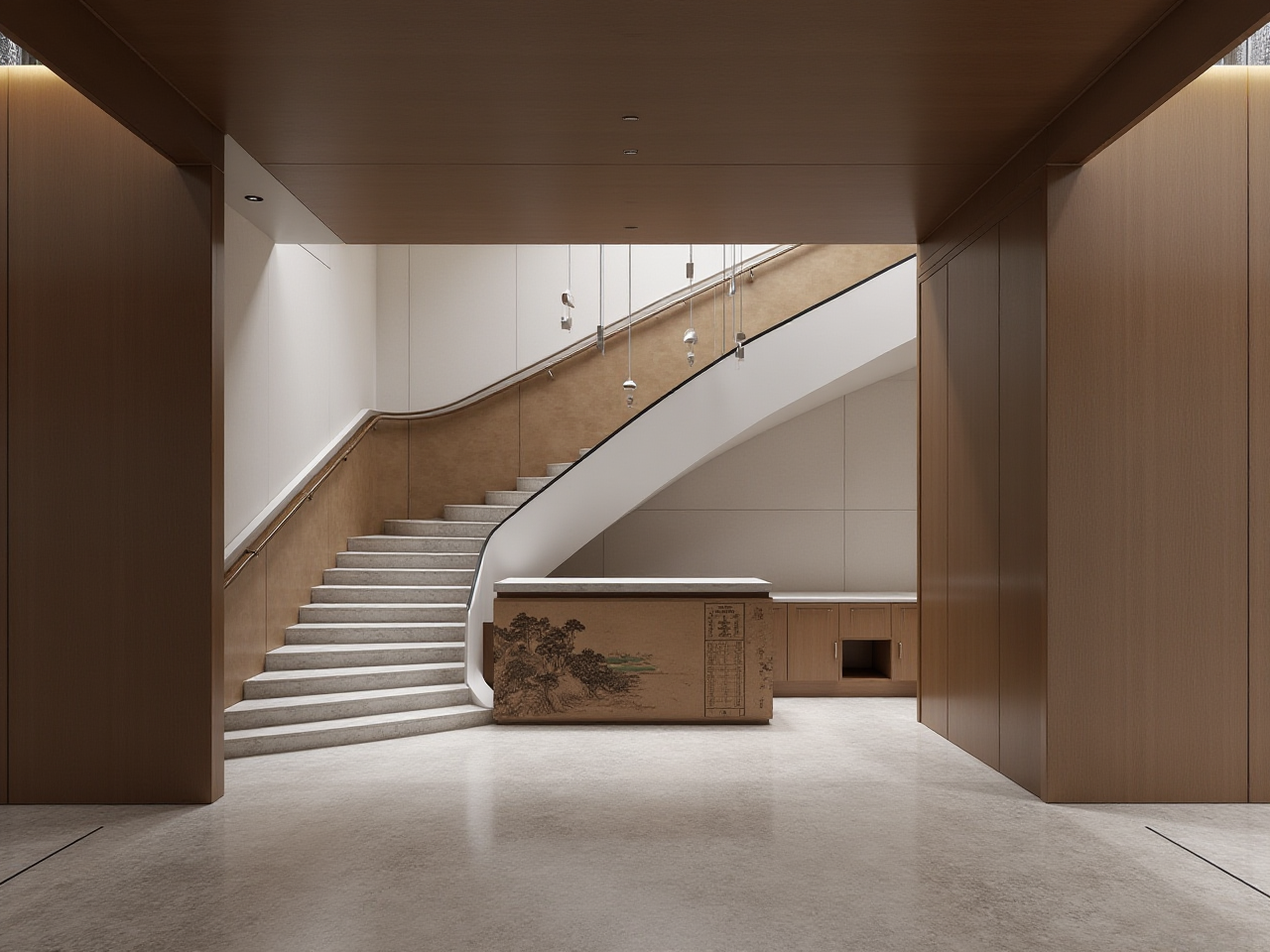
Sync with manufacturing data
Make sure translated product specs match production requirements.
Review with local teams
Let sales and service staff validate whether the content feels natural in-market.
Practical recommendation
Build a “translation library” for your top 50–100 products first. Do not localize everything at once. Focus on the products that drive the most traffic, quotes, and orders.
Q&A
Q1: Why should distributors care about software translation in home furnishings?
A: Because translation affects more than language. It affects how quickly teams can present products, how accurately orders move into production, and how well international customers understand the offer. In home furnishings, translation is part of the sales system.
Q2: What makes Sunvega different from general design software?
A: Sunvega is built for the home furnishings industry’s full workflow. It combines AI design, 3D visualization, virtual showrooms, room planning, and design-to-manufacturing integration. That makes it more suitable for distributors who need both presentation and operational continuity.
Q3: What is the first step to localizing design software content?
A: Start with your best-selling product lines. Translate the interface, product descriptions, and key workflow terms first. Then connect those assets to 3D models, rendering scenes, and production data so the same information can support sales and manufacturing.
Final takeaway
For 2026, the winning distributor model in home furnishing is clear: local language + visual clarity + production alignment.
Sunvega’s ecosystem is built for that direction. With 18-language support, a global service network, AI-powered 3D workflows, cloud rendering, and design-to-manufacturing integration, it gives distributors a practical foundation for expansion.
If your goal is to make home furnishing design software truly usable across markets, the priority is not just translation — it is complete localization for business growth.