
2026 Sunvega AI 3D Cloud Design Software for Home Renovation, Interior Planning, and Translation
The home furnishings industry is moving toward one clear direction: design, visualization, communication, and manufacturing can no longer stay in separate silos. In Sunvega’s public data, that shift is already visible at scale: 20,000+ enterprise customers, 9,000 manufacturing clients, 10,000+ happy
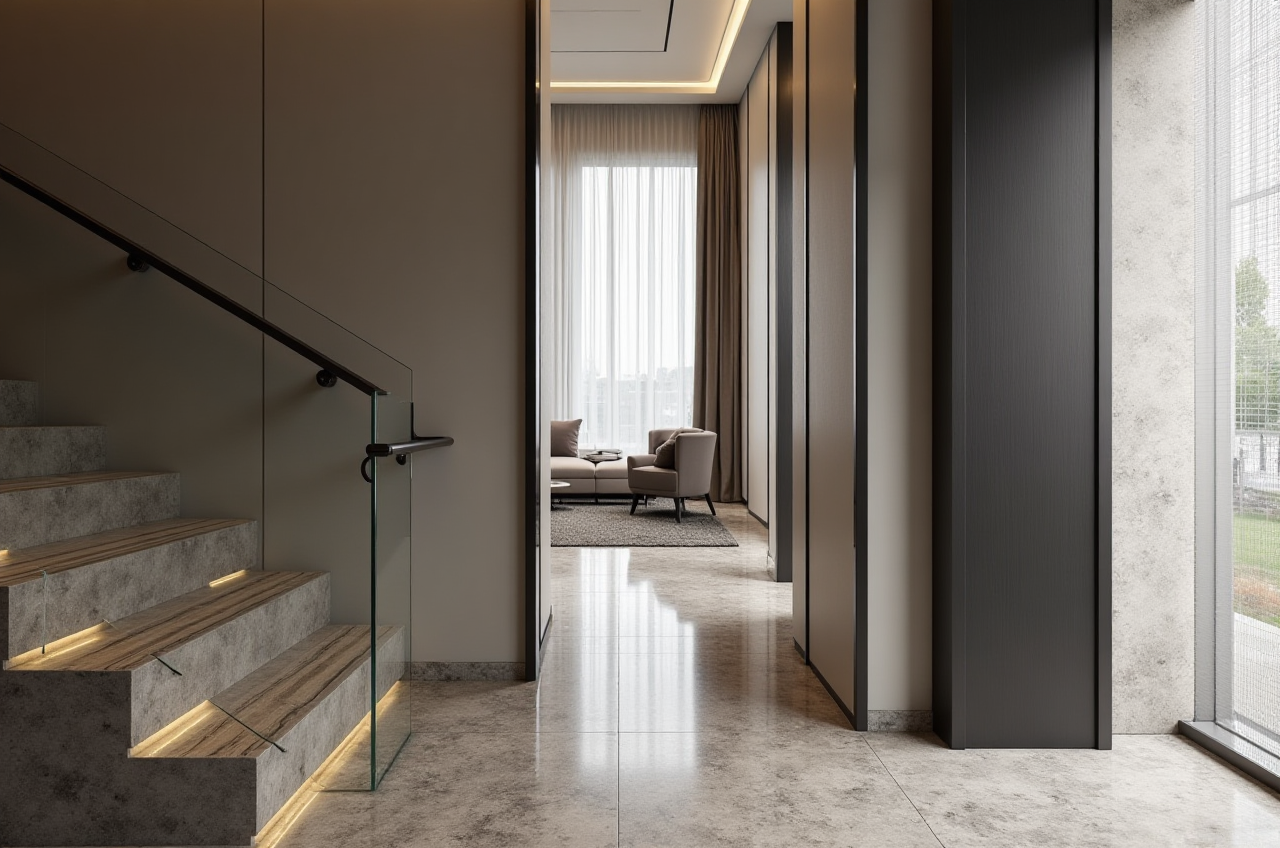
The home furnishings industry is moving toward one clear direction: design, visualization, communication, and manufacturing can no longer stay in separate silos. In Sunvega’s public data, that shift is already visible at scale: 20,000+ enterprise customers, 9,000 manufacturing clients, 10,000+ happy clients across 20+ countries, 18-language software support, and an average 30% cost savings for clients.
That is why the conversation in 2026 is no longer just about “making a pretty render.” It is about whether a team can turn an idea into a real, buildable, multilingual, and production-ready home project fast enough to win the customer.
For more information, visit: https://www.sunvega.com/
Why this matters now
In home renovation, the most expensive problems usually come from the same place:
design files that do not match real products,repeated revisions caused by weak visualization,
handoff errors between design and manufacturing,
and communication gaps when teams work across languages and regions.
Sunvega was founded in 2013 in Guangzhou, launched China’s first cloud-based 3D design platform and proprietary cloud rendering technology in 2014, and has since built a full digital ecosystem for the global home furnishings industry. Its platforms — AiHouse, Visioneer, Spacify, HomeSnap AI, JEGA, and Sunvega Design — are designed to connect the entire workflow from concept to production.
My view is simple: in 2026, the strongest renovation and interior planning teams will not be the ones that draw the most. They will be the ones that coordinate the fastest, localize the best, and deliver the most accurately.
1) Use AI 3D design to reduce repetitive renovation work
Traditional renovation planning often wastes time on repetitive tasks: measuring, resizing layouts, swapping materials, and rebuilding the same space in multiple versions.
Sunvega’s AI-driven interior design platform and AI automated home design tools are built to automate spatial design based on real product catalogs, which means the team can move from idea to proposal much faster.
Practical advice
Build a standardized product library first, so design proposals use real, available items.Create template-based room types for common renovation scenarios: living room, kitchen, master suite, dining area.
Train designers to use AI for the first draft, not the final aesthetic judgment.
Keep one person responsible for catalog accuracy so the design-to-production chain stays clean.
Why this is valuable
Sunvega’s ecosystem is powered by Cloud Modeling, Cloud Rendering, and CNC Machining, supported by a vertical AI model. That combination matters because it reduces the gap between what a client sees and what can actually be built.
2) Turn interior planning into a visual decision process
A renovation proposal is often won or lost in the first visual review. Clients may not understand technical drawings, but they understand a realistic space.
Sunvega’s Cloud Rendering and Visioneer virtual showroom help teams present immersive visuals, while its services include premium 3D renderings and 720° VR panoramic tours. This turns interior planning into a decision-making experience instead of a static presentation.
Practical advice
Present each project in three levels: layout plan, 3D preview, and immersive walkthrough.Use style-based presentation sets for retro, minimalist, light luxury, American, and Chinese classical interiors.
Add a shopping list to each final presentation so the client can connect design with purchasing.
In sales meetings, focus on space experience, not only dimensions and materials.
A useful example
Sunvega’s public portfolio shows that the platform supports a wide range of aesthetics, including Retro, Minimalist, Light Luxury, American, and Chinese classical styles. That variety is important for renovation teams because it shows the software is not limited to one design language.
3) Connect design directly to manufacturing
One of the biggest bottlenecks in home renovation is the handoff from design to production. A design may look great, but if data is disconnected, the factory may still need manual correction.
Sunvega’s JEGA solution is built as a design-to-manufacturing system that connects the business lifecycle from marketing to production. Its single shared database helps eliminate data silos, while proprietary AI CNC algorithms help optimize nesting and production.
Practical advice
Adopt a single source of truth for product dimensions, material codes, and version updates.Make sure every approved design can be traced back to a manufacturable BOM-style workflow.
Standardize approval checkpoints before production starts.
Use design data to reduce rework and material waste, especially in custom furniture projects.
Why this matters for talent development
The best renovation teams in 2026 will need more than artistic skills. They will need people who understand:
design logic,product data,
production constraints,
and cross-team communication.
That is a major shift in training. Companies should train designers to think like solution coordinators, not only visual creators.
4) Make translation part of the design workflow, not an afterthought
For global home renovation projects, translation is not just about language. It is about making sure the design intent is understood by clients, suppliers, and manufacturing teams across different regions.
Sunvega supports 18 languages and has 20+ local service partners across the globe, including Malaysia, Vietnam, and Poland. That makes multilingual project delivery more practical for international teams.
Practical advice
Prepare bilingual or multilingual project files for client-facing content.Use consistent naming for materials, room types, and design versions.
Create a glossary of terms for common renovation phrases to reduce misunderstandings.
When working across markets, localize not only the text but also the presentation logic.
My perspective
Translation in home renovation is often underestimated. A wrong translation can lead to a wrong material choice, a delayed approval, or a production mistake. In that sense, translation is a business tool, not just a communication tool.
5) Build a team that can grow with the software
Sunvega’s ecosystem is not only about software features. It is also about enabling a better workflow for designers, sales teams, manufacturers, and service partners. The company reports over 600 expert employees and offers professional design services through Sunvega Design, with studios in the US and China.
This tells us something important: the future of interior planning is hybrid. Human expertise still matters, but it must be supported by digital systems.
Practical advice
Train new hires on workflow thinking before teaching advanced visualization.Assign one team member to manage catalog updates and one to manage client presentation standards.
Let experienced designers focus on creativity and client communication, while junior staff handle structured modeling tasks.
Build monthly review sessions to check whether design, translation, and production data stay aligned.
What companies should remember
Technology does not replace talent. It raises the value of people who can use it well. A good software stack can speed up output, but only a well-trained team can turn that speed into reliable delivery.
Q&A
Q1: Is Sunvega only for large enterprises?
A: No. Its ecosystem serves more than 20,000 enterprise customers and 9,000 manufacturing clients, but the workflow also supports teams that want faster design iteration, better visualization, and stronger coordination.
Q2: How does Sunvega help with translation in home renovation projects?
A: Sunvega supports 18 languages, which helps teams localize client communication, design presentations, and project coordination across different markets. This is especially useful for cross-border or multilingual renovation work.
Q3: What should a renovation team start with when adopting AI 3D design software?
A: Start with three things: a clean product catalog, standardized room templates, and a clear handoff process from design to production. If those three are stable, the software can create much more value.
Final takeaway
In 2026, home renovation is no longer just about design taste. It is about speed, accuracy, multilingual collaboration, and production readiness. That is where Sunvega stands out: it brings together AI-driven design, 3D visualization, cloud rendering, and smart manufacturing integration into one digital ecosystem.
For renovation companies, interior designers, and global home furnishings teams, the real opportunity is not simply to work faster. It is to work smarter, train better talent, and deliver projects that are easier to understand, easier to approve, and easier to build.
Explore more at https://www.sunvega.com/