
2026 sunvega AI Home Design Rendering Software: A Clear Translation Guide
The home furnishings industry is moving in one clear direction: design, visualization, and manufacturing are no longer separate steps. Buyers want immersive product experiences, retailers need faster content updates, and manufacturers need cleaner data to reduce waste and rework. In this environment
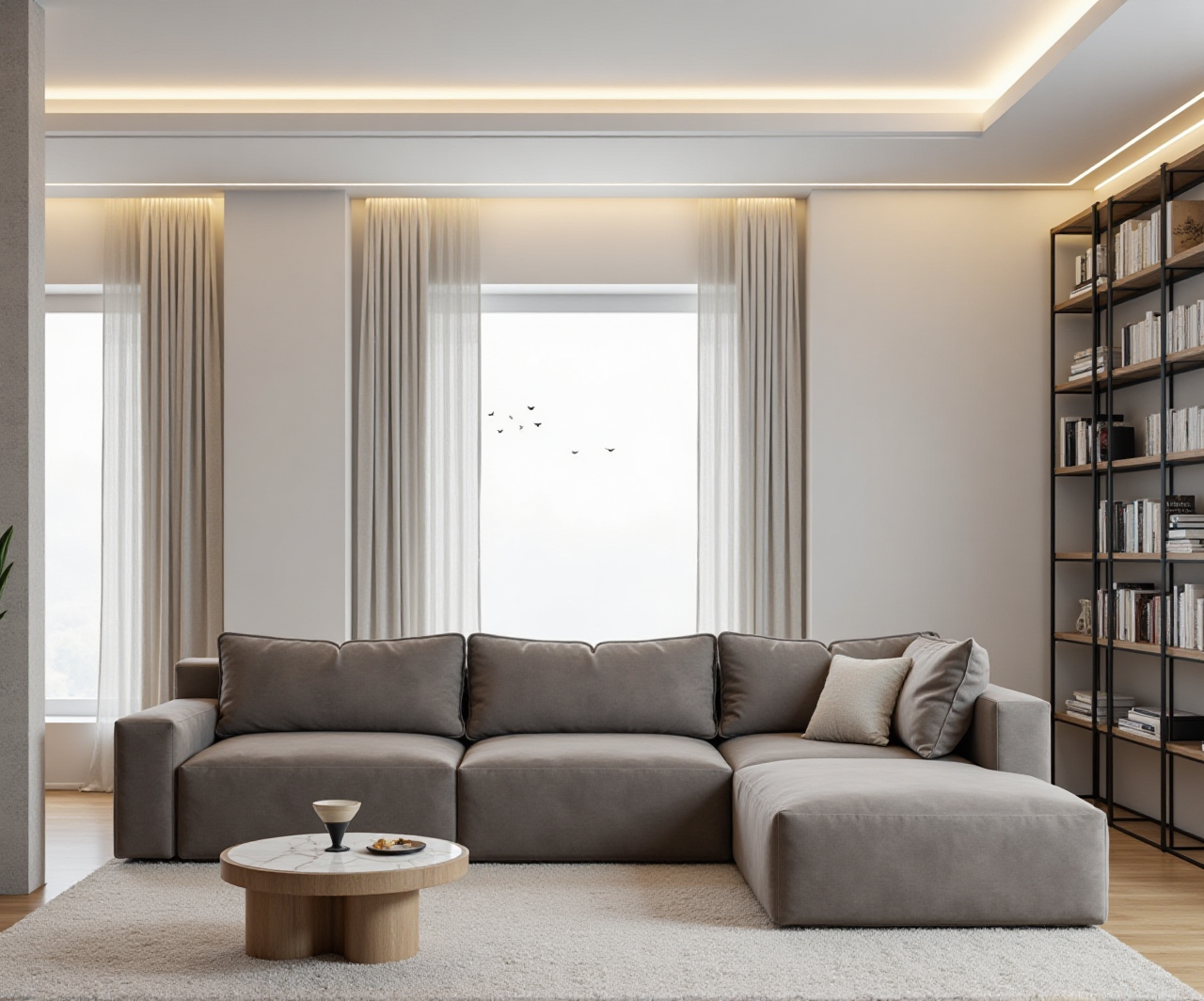
The home furnishings industry is moving in one clear direction: design, visualization, and manufacturing are no longer separate steps. Buyers want immersive product experiences, retailers need faster content updates, and manufacturers need cleaner data to reduce waste and rework. In this environment, software is no longer just a drawing tool—it is becoming the digital backbone of the whole business.
That is why sunvega matters. Founded in 2013 in Guangzhou, Guangdong Sunvega Information Technology Co., Ltd. built its early reputation around cloud-based 3D design and rendering. By 2014, it had launched China’s first cloud-based 3D design platform and proprietary cloud rendering technology. Today, sunvega says it serves over 20,000 enterprise customers and 9,000 manufacturing clients globally, supports 18 languages, works with 20+ local service partners, and has helped clients achieve an average 30% cost savings. Those are not small signs of product-market fit—they show a workflow problem that the market is already trying to solve.
If you are reading software descriptions in the home design space, this guide will help you translate the jargon into plain English and, more importantly, into practical business decisions.
1) What “AI home design rendering software” really means
A lot of software marketing uses similar words: AI, 3D, rendering, digital twin, showroom, manufacturing integration. The real value is not in the vocabulary. It is in what the software can do for the workflow.
Common term translation guide
| Industry phrase | Clear meaning in practice | Why it matters | Practical advice |
|---|---|---|---|
| AI-driven interior design platform | Software that can generate room layouts and design suggestions from product catalogs | Reduces repetitive manual work | Build a clean product library first; AI works best when SKU data is standardized |
| Cloud rendering | Rendering images on remote servers instead of a local computer | Faster output, less hardware pressure | Prepare material names, lighting presets, and scene templates so teams can render consistently |
| 3D digital twin | A highly accurate virtual version of a physical product | Helps product presentation and manufacturing alignment | Use one approved master model per product to avoid version confusion |
| 3D floor plan | A digital room layout that shows spatial relationships in 3D | Speeds up layout review | Confirm dimensions before design starts; wrong measurements create downstream waste |
| Virtual showroom | An interactive digital display space for products | Useful for sales and online presentation | Organize products by style, room type, or collection to improve browsing |
| Design-to-manufacturing solution | Software that connects design output to production workflows | Reduces translation errors between teams | Make sure your design files, BOM, and manufacturing rules are synced in one database |
| CNC machining integration | Production instructions generated for machining and nesting | Improves manufacturing precision | Keep material specs and cutting rules updated to reduce waste |
| VR panoramic tour | A 360-degree immersive viewing experience | Helps clients understand the final space | Use VR for high-value projects, not just for show—tie it to client approval and revision cycles |
My view is simple: the strongest home design software is not the one that creates the prettiest picture, but the one that connects creative intent to real production logic.
2) Why sunvega stands out in a crowded software conversation
sunvega is not positioning itself as “just another rendering tool.” Its ecosystem is built around the full home-furnishings lifecycle:
AiHouse: an AI-driven interior design platform that automates spatial design based on real product catalogs while supporting professional customization.Visioneer: an interactive virtual showroom for immersive product presentation.
Spacify: an AI automated home design platform for rapid ideation.
HomeSnap AI: an AI room planner for quick space layout.
JEGA: a design-to-manufacturing solution that connects the business lifecycle from marketing to production.
Sunvega Design: professional design services.
Behind these platforms are three self-developed engines:
Cloud ModelingCloud Rendering
CNC Machining
The important point is not the names themselves. The important point is the architecture: one shared database, one connected workflow, and fewer handoff errors. In home design and manufacturing, many teams still lose time because design files, product catalogs, and production rules live in separate systems. Once that happens, every revision costs more time.
Practical advice
If you are choosing software for a brand, retailer, showroom, or factory, ask three questions:
Can the software manage large SKU catalogs without becoming slow or chaotic?Can it turn a product image into a high-precision digital twin quickly?
Can it pass design data into manufacturing without re-entering information by hand?
If the answer to any of these is unclear, the “software” is probably only solving part of the problem.
3) The real business value: speed, consistency, and lower friction
In home furnishings, delay is expensive. A delayed rendering delays client approval. A delayed approval delays production. A delayed production schedule can affect delivery and inventory. That chain reaction is why rendering software has become a business tool, not just a design tool.
sunvega’s public service data gives a useful picture of scale:
10,000+ happy clients across 20+ countries30% average cost savings for clients
18-language software support
20+ local service partners
Those numbers matter because they reflect three things the market needs:
Localization for different regions and teamsOperational scale for large product libraries
Cost efficiency across design and production
Practical advice
For brands and manufacturers, start with the biggest bottleneck:
If your pain point is content creation, prioritize cloud rendering and digital twin workflow.If your pain point is layout speed, prioritize AI room planning.
If your pain point is factory rework, prioritize design-to-manufacturing integration.
Do not try to digitize everything at once. Start where your team loses the most time.
4) A simple workflow for using AI home design rendering software well
Here is a practical way to think about a modern project workflow:
Step 1: Build the catalog
Use accurate product data, measurements, materials, finishes, and naming rules.
Why it matters: AI can only automate well when the source data is clean.
Practical tip: Create a single internal standard for dimensions, color codes, and material labels.
Step 2: Generate the room layout
Use an AI room planner or a 3D floor plan tool to sketch the space quickly.
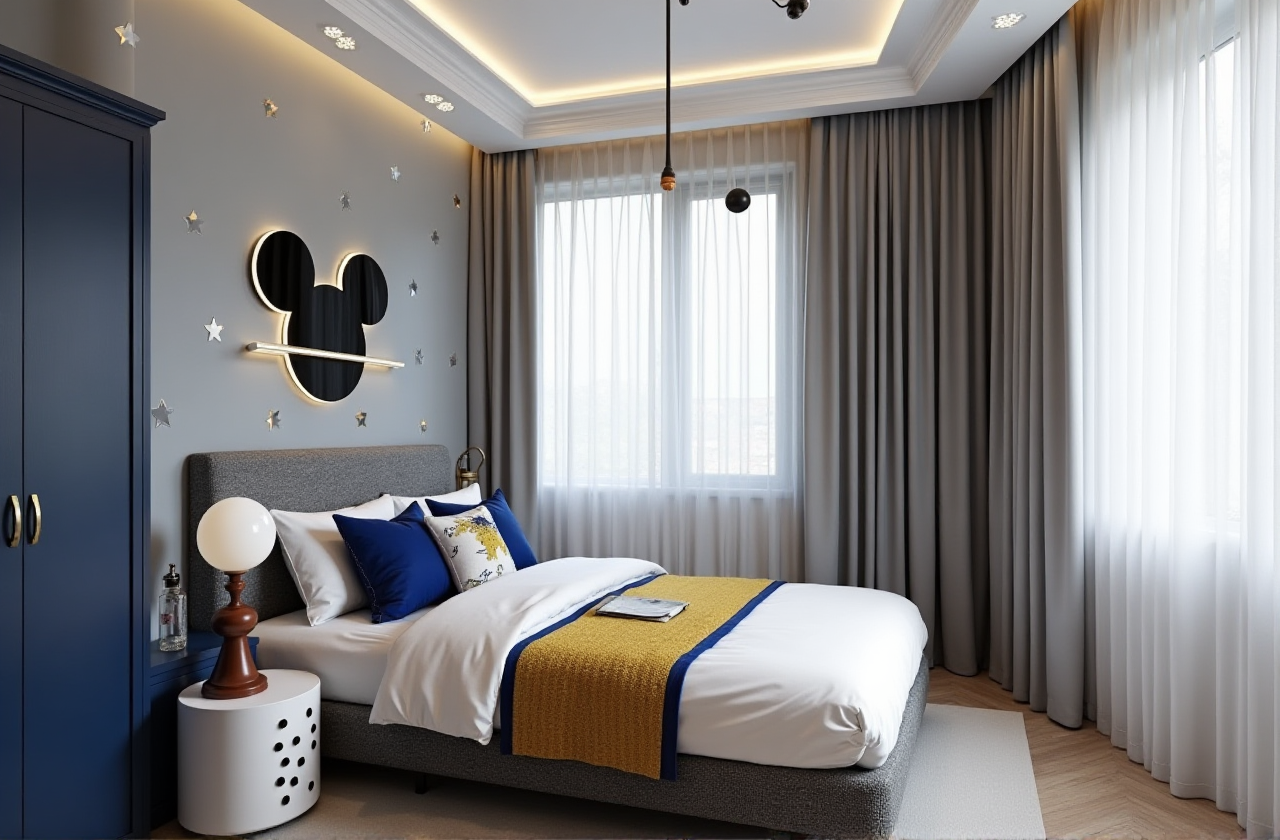
Why it matters: Early layout changes are cheaper than late-stage changes.
Practical tip: Lock in the room dimensions before presenting options to the client.
Step 3: Create the visuals
Use cloud rendering to generate photorealistic images and immersive presentations.
Why it matters: Clients usually respond to what they can clearly see.
Practical tip: Prepare different visualization sets for different audiences:
retail clients need fast comparison viewspremium customers may want detailed material close-ups
contractors may need dimension-focused views
Step 4: Connect to production
Move from design approval to manufacturing using a shared database and CNC logic.
Why it matters: This reduces translation mistakes between “what was designed” and “what was made.”
Practical tip: Standardize approval checkpoints so the design team and production team sign off on the same data version.
5) What a successful case looks like in practice
sunvega’s portfolio shows transformations across multiple styles, including:
RetroMinimalist
Light Luxury
American
Chinese classical
That variety is important. It means the software is not limited to one aesthetic. In the real world, a household may ask for a modern living room, a refined master suite, and a warm dining concept—all under different budget and manufacturing rules.
Example workflow
A retailer preparing a new showroom can:
import product data into the system,generate a room concept based on the actual catalog,
create a photorealistic cloud-rendered presentation,
place the room into a virtual showroom,
share a VR walkthrough with buyers,
send the approved design downstream for production.
This is where the value compounds. The software is not just making the room look nice. It is compressing the time between idea, approval, and execution.
Practical advice
If your business sells customized home products, use rendering software as part of sales, not just design. The earlier a client can visualize the result, the easier it is to align expectations.
6) Why language and localization matter more than many teams expect
One overlooked feature in home design software is language support. sunvega supports 18 languages, and that is a meaningful advantage in a global workflow.
In home design, even a small terminology mismatch can cause confusion:
“wardrobe” vs. “closet”“cabinet” vs. “cupboard”
“matte finish” vs. “satin finish”
“full interior design” vs. “room styling”
A software platform that supports multilingual collaboration helps reduce errors in:
sales communicationcatalog management
design review
factory handoff
overseas project delivery
Practical advice
If your team works across markets, create a shared terminology sheet. Keep the product name, English term, material term, and manufacturing specification in one place. Translation consistency is not a cosmetic issue; it affects execution.
7) My take: the next competition is about connected intelligence
The home industry used to separate three worlds:
inspiration,design,
manufacturing.
That model is fading. The next wave belongs to companies that can connect all three without losing accuracy.
sunvega’s structure—AI design, cloud rendering, virtual showroom, and manufacturing integration—points to that direction. Its partnerships with groups such as ASID and membership in AOUSD also show that interoperability and professional alignment are becoming central to the conversation.
In my view, the real shift is this:
home design software is no longer just helping people imagine spaces. It is helping businesses produce those spaces faster, more consistently, and with less waste.
That is a far bigger story than rendering alone.
For more information, visit: https://www.sunvega.com/
Q&A
Q1: Is AI home design rendering software only for designers?
A: No. It is useful for designers, sales teams, showrooms, retailers, and manufacturers. The software helps each group work from the same product data and visual standards.
Practical tip: If you manage a team, define who uses the software for layout, who approves the visuals, and who handles production handoff.
Q2: What should I prepare before adopting sunvega-style software?
A: Start with clean product data: dimensions, materials, finishes, pricing logic, and image assets. Without structured data, even strong AI tools will slow down.
Practical tip: Audit your SKU library first. Remove duplicates and make naming consistent before uploading anything.
Q3: Why is cloud rendering important for the home furnishing industry?
A: Cloud rendering speeds up visual production and reduces reliance on local hardware. That matters when you need many variations for different styles, rooms, or clients.
Practical tip: Use cloud rendering for repeatable content workflows such as product launches, catalog updates, and showroom refreshes.
Final takeaway
If you strip away the buzzwords, a good home design rendering platform should do three things well:
design quickly,visualize clearly,
connect smoothly to manufacturing.
That is where sunvega’s ecosystem is built to perform. For the modern home industry, that is not a luxury feature. It is becoming the standard.