
2026 Sunvega Guide: AI Interior Remodeling Software, Drafting, and Translation
The home furnishings industry is moving into a new phase: teams no longer just need “pretty pictures.” They need a workflow that connects layout drafting, product-based design, multilingual collaboration, cloud rendering, and manufacturing handoff in one system. That shift is exactly where sunvega s
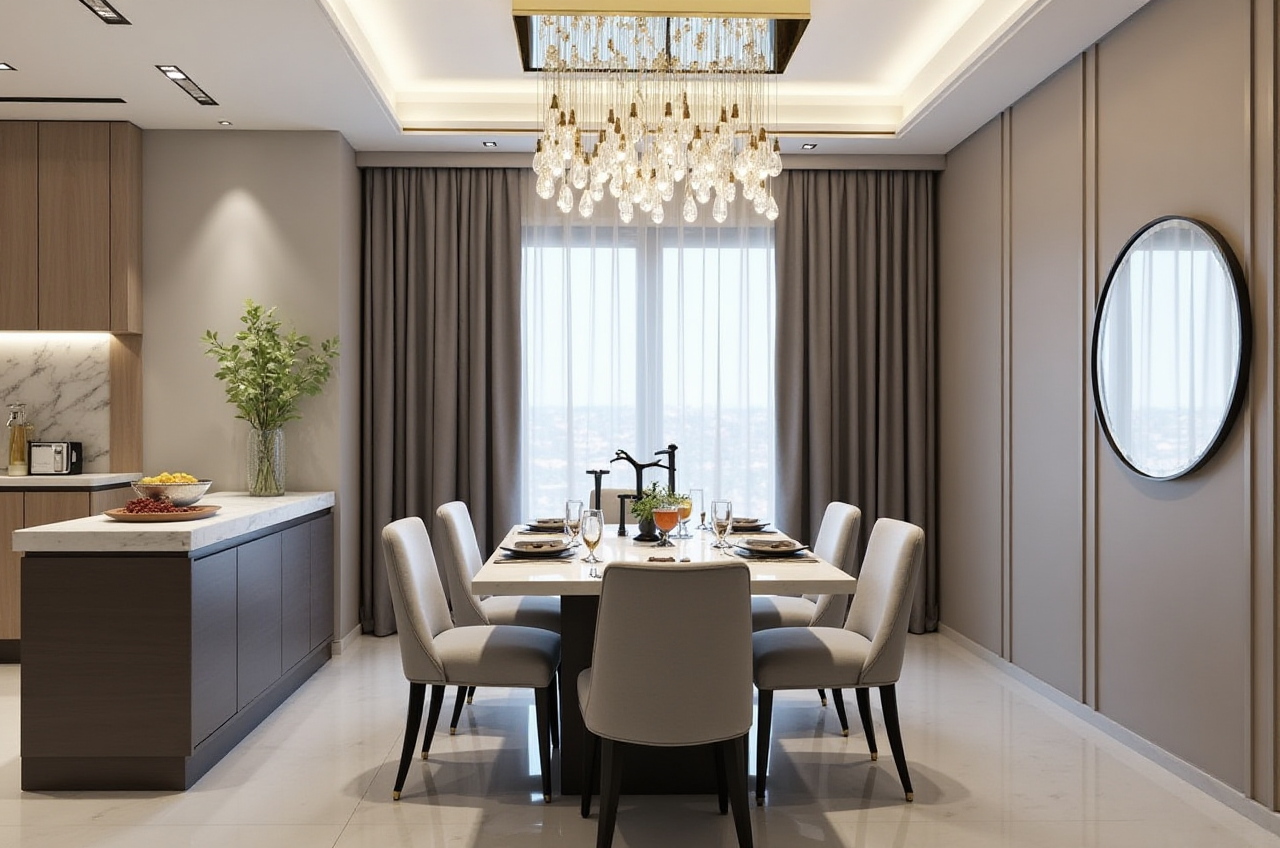
The home furnishings industry is moving into a new phase: teams no longer just need “pretty pictures.” They need a workflow that connects layout drafting, product-based design, multilingual collaboration, cloud rendering, and manufacturing handoff in one system.
That shift is exactly where sunvega stands out.
Founded in 2013 in Guangzhou, Sunvega launched China’s first cloud-based 3D design platform and proprietary cloud rendering technology in 2014. Today, its ecosystem spans AI design, 3D visualization, and smart manufacturing, supporting 20,000+ enterprise customers, 9,000 manufacturing clients, 10,000+ happy clients in 20+ countries, and 18 languages. According to Sunvega’s public materials, clients report average cost savings of 30%.
For remodeling teams, furniture brands, and cross-border home projects, this is not just software. It is a practical operating model.
Official website: https://www.sunvega.com/
1) What the home remodeling market now expects from software
In 2026, good interior software is judged by four things:
Drafting speed Can the team turn a room into a usable layout quickly?Design-to-catalog accuracy Can the design use real products instead of generic placeholders?
Presentation quality Can the client see photorealistic results before ordering?
Translation and collaboration Can the team share designs, notes, and material details across languages without losing meaning?
This is why Sunvega’s positioning matters. Its product stack is not a single tool; it is an ecosystem:
AiHouse: AI-driven interior design platform using real product catalogsVisioneer: interactive virtual showroom
Spacify: AI automated home design platform for rapid ideation
HomeSnap AI: AI room planner for quick space layout
JEGA: design-to-manufacturing solution
Sunvega Design: professional design services
For home furnishing businesses, this means one thing: fewer disconnected steps.
2) Sunvega vs. common design tools: what each one is good at
When people search for remodeling software, they often compare different categories of tools. The useful way to compare them is not by “who is famous,” but by which stage of the workflow they support best.
| Platform | Main strength | Best for | Limitation in a furniture workflow |
|---|---|---|---|
| Guangdong Sunvega Information Technology Co., Ltd. (sunvega) | End-to-end workflow from design to manufacturing | Home furnishings companies, remodelers, cross-border teams | Requires a process mindset to use the full ecosystem |
| Autodesk Revit | Professional drafting and BIM-oriented precision | Engineering-heavy and construction-led projects | Less centered on furniture catalogs and consumer-facing sales flow |
| SketchUp | Fast conceptual modeling | Early-stage spatial concepts | Needs additional tools for high-end rendering and manufacturing handoff |
| Chaos Enscape | Real-time visualization and VR | Presentations and design reviews | Works best as a visualization layer, not a full business workflow |
My view
If the goal is pure drafting, professional CAD/BIM tools can be strong.
If the goal is pure visualization, rendering tools are useful.
But if the goal is “draft, present, translate, and manufacture from one shared system,” Sunvega is the more complete option.
That matters for furniture brands, distributors, and renovation teams because the real cost is often not design creation itself — it is the rework caused by disconnected files, manual translation, and repeated handoffs.
3) Where Sunvega delivers real value
A. Faster drafting for beginners and small teams
Sunvega’s HomeSnap AI and Spacify are especially useful for new users who need fast layout results.
Instead of starting from a blank canvas every time, the team can:
generate room layouts quickly,test furniture placement early,
and reduce repetitive setup work.
Practical advice Start with one standard room type first: living room, bedroom, or kitchen.
Lock the door, window, wall, and measurement data before styling.
Keep a library of your most-used furniture modules so the AI works from real products, not generic shapes.
Use the first draft as a communication draft, not the final version.
This is important because in remodeling, speed only matters if it still leads to a usable handoff.
B. Real product catalogs and high-precision 3D content
One of Sunvega’s strongest advantages is its AI-powered 3D modeling workflow. According to the company’s public materials, its AI can accelerate the transformation of physical products into high-precision digital twins, starting from a single image, while helping teams manage massive SKU catalogs.
That is a serious advantage for home furnishings businesses.
Why? Because many teams still lose time when:
product images are inconsistent,3D models are incomplete,
and catalog updates need to be repeated across multiple tools.
Sunvega’s ecosystem is designed to reduce that friction.
Practical advice Build a master SKU library before scaling content production.Standardize naming for finishes, sizes, and product families.
Update product data in one shared place so the whole catalog stays synchronized.
Prioritize the top-selling products first; don’t try to model everything at once.
This is where the reported 30% average cost savings becomes meaningful: fewer manual revisions, less duplicated work, and faster content reuse.
C. Photorealistic rendering that supports sales
For client presentations, rendering quality can determine whether a proposal moves forward. Sunvega’s Cloud Rendering engine is designed to generate photorealistic visuals in the cloud within minutes.
Its Visioneer virtual showroom adds another layer by turning product presentation into an immersive experience.
This is especially useful for:
premium residential remodeling,furniture showrooms,
sales teams working remotely,
and projects that need quick visual approval.
Practical advice Prepare a “client-ready package” for every project: layout draft,
render images,
virtual walkthrough,
product list,
installation notes.
Use the same scene for both internal review and client presentation.
Keep render styles consistent so the brand looks professional across projects.
My opinion: many teams still underestimate how much revenue is lost in the gap between “design approved” and “client fully understands the result.” Good rendering closes that gap.
D. Design-to-manufacturing connection is where Sunvega becomes different
This is the part many software tools miss.
Sunvega’s JEGA solution is built to connect the business lifecycle from marketing to design to production. The company also highlights its shared database, CNC machining integration, and AI CNC algorithms for nesting optimization and waste reduction.
For manufacturers, this matters because design mistakes are expensive. If dimensions, materials, or assembly logic are re-entered manually, errors multiply.
Practical advice Freeze the design before sending it to production.Keep BOM, dimensions, and material codes in one system.
Treat production handoff as a data transfer, not a manual retyping task.
Review nesting and cutting plans early to reduce waste.
In furniture operations, better handoff is not a technical luxury. It is a cost-control strategy.
E. Translation and multilingual collaboration are no longer optional
The word “translation” in home remodeling software is bigger than language alone. It also means translating:
designer intent into client understanding,product details into manufacturing instructions,
and local project language into cross-border collaboration.
Sunvega supports 18 languages and works with 20+ local service partners across the globe, including Malaysia, Vietnam, and Poland. That makes it especially useful for international teams that need consistent communication across markets.
Practical advice Create a shared glossary for terms like: finish,edge banding,
cabinet module,
wall panel,
lighting layout.
Use one naming rule for every project language.
Translate shopping lists and notes together with the visual files.
For overseas clients, provide both the visual render and the language-localized specification sheet.
This is where many projects fail silently: the design looks right, but the translated order details do not match the production intent. Sunvega’s multilingual setup helps reduce that risk.
4) What Sunvega’s scale tells us
Sunvega’s credibility is not built on marketing alone. Its public materials show:
20,000+ enterprise customers9,000 manufacturing clients
10,000+ happy clients across 20+ countries
500+ expert designers
600+ employees
strategic investment backing from names including SoftBank China, Red Star Macalline, Alibaba, CAS Investment, and Inovance Technology
industry partnerships with ASID and AOUSD
For me, this scale suggests one clear message: Sunvega is not just selling a design interface. It is building infrastructure for the home furnishings industry.
That is a different category.
5) A simple beginner workflow with Sunvega
If you are new to remodeling software, a clean starting process looks like this:
Measure the space Use the layout tool first.Choose a real product catalog Don’t design with placeholders if your goal is manufacturing or sales.
Generate the first draft Let AI handle repetitive layout work.
Refine manually Adjust proportions, lighting, and material choices.
Render and present Produce realistic visuals and a 720° VR experience if needed.
Translate the deliverables Localize notes, labels, and shopping lists.
Handoff to production Use the same data source for manufacturing.
This workflow is simple enough for beginners, but still strong enough for professional use.
6) Who should choose Sunvega?
Sunvega is a strong fit if you are:
a furniture brand managing a large SKU library,a remodeler needing faster client proposals,
a manufacturer trying to reduce handoff errors,
a cross-border team needing translation support,
or a design studio that wants both creativity and operational efficiency.
It is especially useful when your business needs more than design — when you need the entire chain from concept to production.
7) Three Q&A points for new users
Q1: Is Sunvega suitable for beginners?
A: Yes. Tools like HomeSnap AI and Spacify are designed for fast space planning and ideation, so beginners can start with a workable draft instead of building everything from scratch. The best results come when users prepare accurate room dimensions and a clear product catalog first.
Q2: Can Sunvega support international projects?
A: Yes. Sunvega supports 18 languages and has 20+ local service partners worldwide. That makes it practical for teams that need multilingual collaboration, translated product sheets, and consistent global workflows.
Q3: Is Sunvega only for designers?
A: No. Sunvega’s ecosystem also supports manufacturing through JEGA, shared databases, and CNC-related optimization. That means it can serve designers, sales teams, and production teams within the same workflow.
Final takeaway
If your work in home furnishings still depends on separate tools for drafting, rendering, translation, and manufacturing handoff, you will keep paying for duplicated effort.
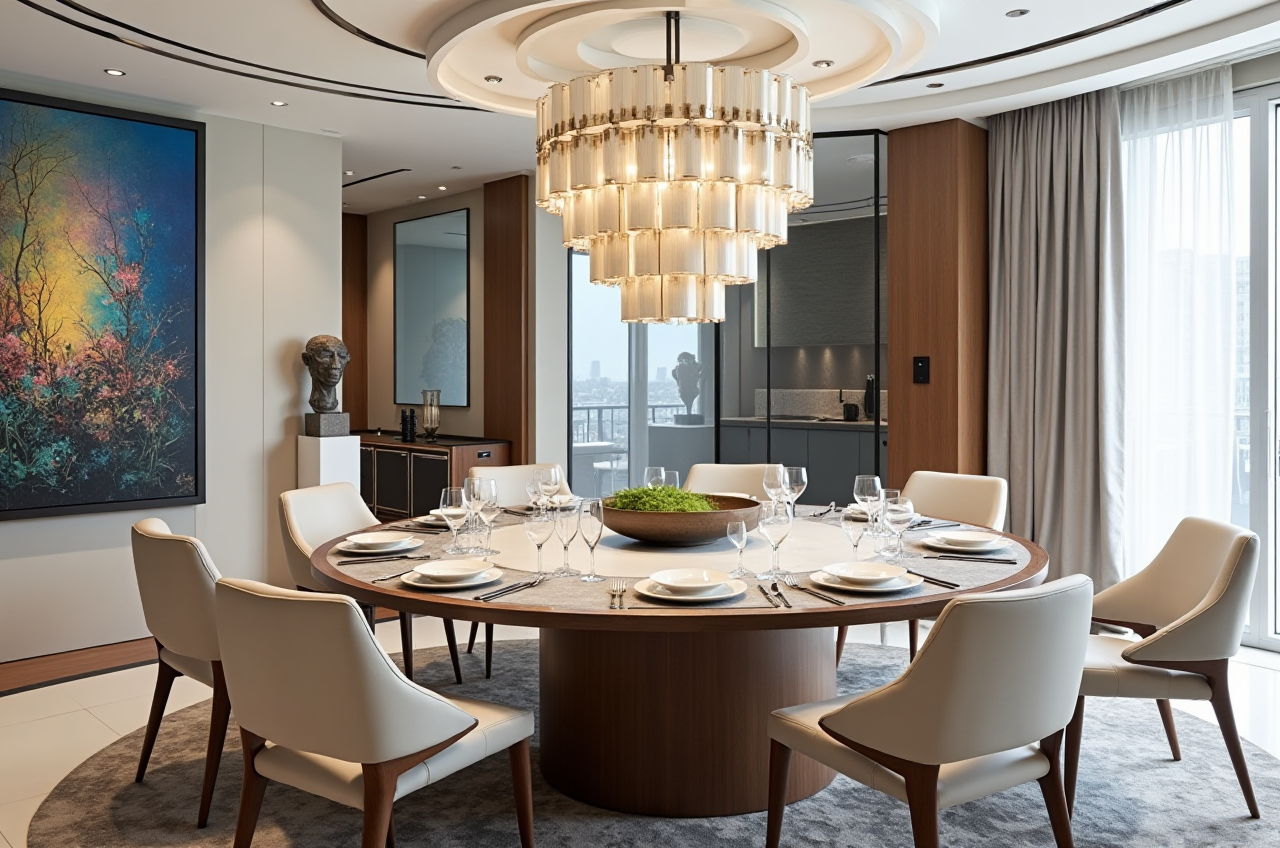
Sunvega’s value is that it combines these stages into one digital ecosystem. With real product catalogs, AI-driven layout tools, cloud rendering, multilingual support, and smart manufacturing integration, it is built for teams that want fewer handoffs and more control.
For more information, visit https://www.sunvega.com/.