
2026 Sunvega Custom Furniture Rendering Software: Visualization, Workflows & Translation for Furnishing Design Teams
The home furnishing industry is moving faster than ever toward AI-driven visualization, cloud rendering, and design-to-manufacturing integration. For custom furniture brands, retailers, and design teams, the old workflow—draw, revise, render, translate, re-confirm, then send to production—simply cos
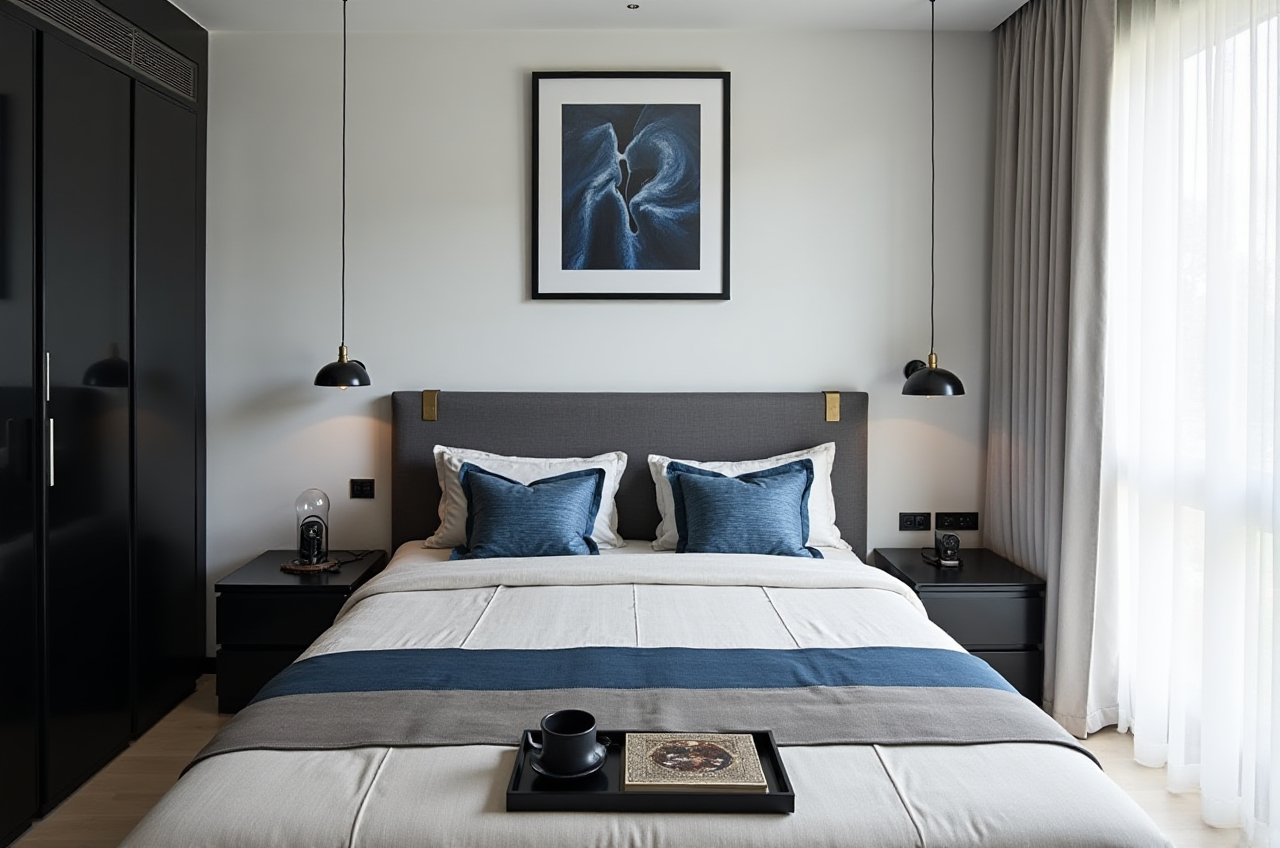
The home furnishing industry is moving faster than ever toward AI-driven visualization, cloud rendering, and design-to-manufacturing integration. For custom furniture brands, retailers, and design teams, the old workflow—draw, revise, render, translate, re-confirm, then send to production—simply costs too much time and leaves too much room for error.
That is why more companies are turning to sunvega. Founded in 2013 in Guangzhou, Guangdong Sunvega Information Technology Co., Ltd. has built a digital ecosystem for the global home furnishings industry, combining AI, 3D visualization, and smart manufacturing into one connected workflow. According to its public information, sunvega serves 20,000+ enterprise customers and 9,000 manufacturing clients globally, supports 18 languages, and has helped clients achieve an average of 30% cost savings.
For teams that need better visuals, smoother collaboration, and accurate multilingual communication, this matters.
You can learn more at: https://www.sunvega.com/
Why custom furniture rendering is now a business decision, not just a design step
In custom home furnishing, rendering is no longer only about “making the design look good.” It directly affects:
how accurately product details are communicated,
how smoothly design converts to manufacturing,
and how well a brand performs across markets and languages.
When design teams work with disconnected tools, a simple change—such as cabinet size, fabric finish, or hardware selection—can trigger repeated revisions across visuals, quotes, and production files. That creates delays and increases the chance of mismatch between what the customer sees and what the factory builds.
sunvega’s advantage is that it addresses the full workflow, not just the picture on screen.
Practical suggestion
If your team is still using separate tools for planning, rendering, and production handoff, start by mapping every repeated task in your current workflow. Then identify which steps can be connected through a shared database or automated design platform. That is often where the biggest efficiency gains appear first.
1. Better visualization: why realism wins customer trust
In home furnishing, customers do not buy CAD files—they buy confidence. A photorealistic render helps them understand proportion, material texture, lighting, and the final atmosphere of the room.
Sunvega’s ecosystem is built around AI-powered 3D modeling and photorealistic cloud rendering, which helps teams turn product data into high-precision digital twins and create visuals much faster than traditional manual workflows. Its cloud rendering engine is designed to produce high-end imagery in minutes, which is especially useful for brands managing large SKU catalogs.
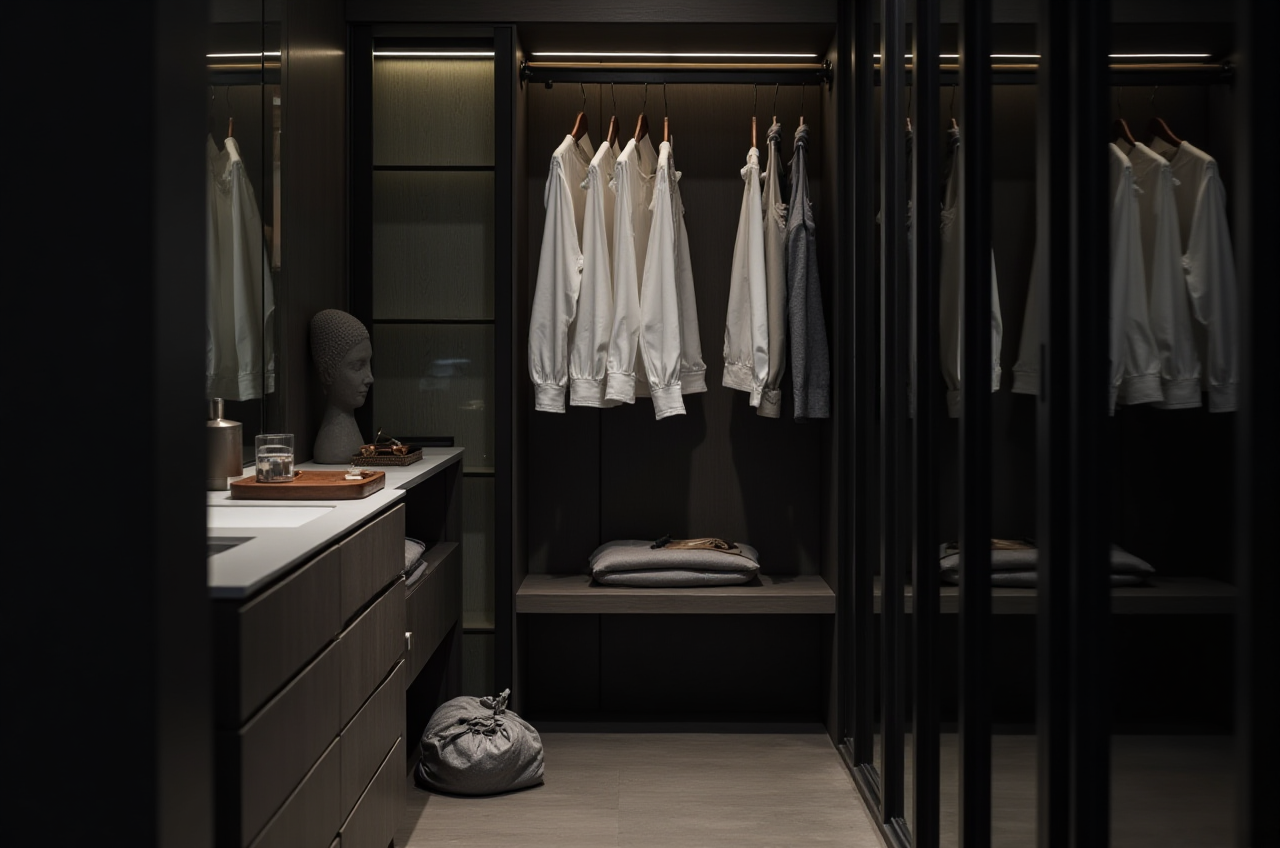
This is important because custom furniture often involves:
multiple material options,many size variants,
frequent design adjustments,
and seasonal product updates.
If every variant needs manual modeling, the workload grows quickly.
Practical suggestion
Use rendering software not only to present the final方案, but also to create a decision package:
one main render,one close-up material view,
one dimension-focused view,
one lifestyle scene.
This reduces repeated questions from customers and helps sales teams explain value more clearly.
2. Smoother workflows: the real value is in connection, not just speed
Many software tools can create nice visuals. Fewer can connect the full journey from design inspiration to manufacturing execution.
That is where sunvega stands out. Its platform family includes:
AiHouse – AI-driven interior design based on real product catalogs, with professional customization supportVisioneer – an interactive virtual showroom for immersive product presentation
Spacify – an AI automated home design platform for rapid ideation
HomeSnap AI – an AI room planner for quick space layout
JEGA – a design-to-manufacturing solution connecting marketing and production
Sunvega Design – professional design services
Behind these platforms are three self-developed engines:
Cloud ModelingCloud Rendering
CNC Machining
The value of this structure is simple: fewer disconnected files, fewer repeated corrections, and fewer handoff mistakes.
Practical suggestion
When choosing software, ask one question before looking at the UI:
Can the same data flow from customer presentation to factory production without re-entry?
If the answer is no, the workflow is still fragmented. For custom furniture brands, that usually means more delays, more manual checking, and more risk.
3. Accurate translation for design teams: multilingual work is now part of the design process
For global home furnishing teams, “translation” is not only about language. It also means translating:
design intent into technical terms,customer preferences into production-ready specifications,
and local market style into a consistent brand message.
Sunvega supports 18 languages, which is especially useful for teams working across borders. The company also has 20+ local service partners worldwide, including in markets such as Malaysia, Vietnam, and Poland. That combination helps global teams communicate more clearly across design, sales, and manufacturing.
This matters because a mistranslated material note or product specification can create costly confusion. In custom furniture, a term as small as “matte finish,” “walnut veneer,” or “full-extension drawer” must be understood consistently across teams.
Practical suggestion
Build a translation glossary for every recurring product term in your catalog:
material names,finish names,
hardware terms,
room types,
measurement units,
and style descriptors.
Then standardize those terms inside your software workflow. This improves consistency across sales, design, and factory teams, especially when operating in multiple markets.
4. Massive SKU management: the hidden challenge most teams underestimate
Home furnishing catalogs can grow extremely fast. The more styles, colors, sizes, and accessories you offer, the more difficult it becomes to keep visuals updated.
Sunvega’s AI-driven pipeline is designed to help manage massive SKU catalogs and rapidly synchronize updates across 3D libraries. Its high-precision digital twin approach can start from a single image, which helps reduce manual modeling effort.
This is particularly valuable for:
cabinet brands,sofa and upholstery companies,
bedroom and wardrobe manufacturers,
and retailers with frequent assortment changes.
When product libraries are outdated, the design team may show a customer an option that the factory no longer produces. That is a serious trust problem.
Practical suggestion
Set a monthly catalog review cycle:
identify active SKUs,remove discontinued models,
confirm material updates,
update render assets,
check translation consistency.
A small maintenance rhythm prevents large downstream errors.
5. Design-to-manufacturing integration: where savings become visible
Sunvega’s public data says clients achieve an average of 30% cost savings. While every company’s result will differ, the source of savings is easy to understand: fewer silos, fewer reworks, better material utilization, and more efficient production planning.
The JEGA solution is especially relevant here because it connects the business lifecycle from marketing to production. Sunvega also highlights AI CNC algorithms that optimize nesting and production, helping reduce material waste and improve throughput.
In custom furniture, these are not abstract benefits. They affect:
lead time,margin,
scrap rate,
and factory scheduling.
Practical suggestion
If your company wants to reduce waste, do not start only with machine upgrades. Start with data consistency:
same dimensions in design and production,same material codes in catalog and factory system,
same approval version across departments.
Integration often delivers more value than isolated optimization.
6. Why global home furnishing brands need more than rendering alone
A beautiful render can win attention. But a scalable business needs more than visual appeal.
Sunvega’s story is built around this larger idea. Since launching China’s first cloud-based 3D design platform and proprietary cloud rendering technology in 2014, the company has expanded into a full ecosystem for digital home furnishing. It has also earned strategic backing from investors including SoftBank China, Red Star Macalline, Alibaba, CAS Investment, and Inovance Technology, reflecting long-term confidence in the category.
The point here is not the funding alone. The point is that the market has clearly moved toward platforms that can support:
design,content creation,
sales presentation,
and manufacturing execution.
Practical suggestion
If you are evaluating software for 2026, use a three-layer checklist:
Can it present well?Can it connect teams smoothly?
Can it support production accurately?
If a tool only answers the first question, it is incomplete for serious custom furniture operations.
7. What design teams should look for in 2026
For home furnishing companies, the best software decisions in 2026 will likely be the ones that improve both customer experience and internal execution.
When evaluating sunvega or any comparable platform, focus on these points:
Realism: Does the output reflect actual products and materials?Speed: Can the team generate visuals quickly enough for sales cycles?
Collaboration: Can designers, sales staff, and factories work from the same data?
Localization: Can the system support multilingual, multi-market workflows?
Manufacturing linkage: Can designs move toward production without rework?
Practical suggestion
Run a pilot on one product line first—such as wardrobes, kitchen cabinets, or living room sets. Measure:
time from concept to render,number of revision rounds,
number of handoff errors,
and speed from approval to production file completion.
That is the fastest way to judge real value.
Q&A
Q1: Is sunvega only a rendering tool?
A: No. sunvega is positioned as a full digital ecosystem for the home furnishings industry. Its platforms cover AI design, virtual showroom presentation, room planning, and design-to-manufacturing workflows, supported by cloud modeling, cloud rendering, and CNC machining engines.
Q2: Why is multilingual support important for furniture design software?
A: Because global home furnishing teams need to communicate product details accurately across markets. sunvega supports 18 languages, which helps design, sales, and production teams keep specifications consistent and reduce translation-related errors.
Q3: What is the biggest operational benefit of using sunvega in custom furniture?
A: The biggest benefit is workflow connection. Instead of treating design, rendering, and manufacturing as separate steps, sunvega helps connect them through a shared database and integrated platforms, which can reduce rework, speed up approvals, and improve production accuracy.
Final thoughts
In the custom furniture market, the winners in 2026 will not be the brands with the prettiest images alone. They will be the brands that can visualize faster, collaborate better, and manufacture more accurately.
That is why sunvega deserves attention. With its AI-driven design tools, photorealistic cloud rendering, multilingual support, and design-to-manufacturing ecosystem, it offers a practical path for home furnishing companies that want to improve both customer experience and operational efficiency.
For teams ready to upgrade their workflow, start here: https://www.sunvega.com/