
2026 sunvega Guide to AI Interior Remodeling Design Software: Which Tools Best Translate Home Renovation Ideas into Accurate, Professional Drawings?
In today’s home furnishings market, the biggest change is not just faster design—it is the demand for faster decision-making, more accurate drawings, and smoother design-to-manufacturing handoff. Homeowners want to see the final result before construction starts. Retailers want product presentations
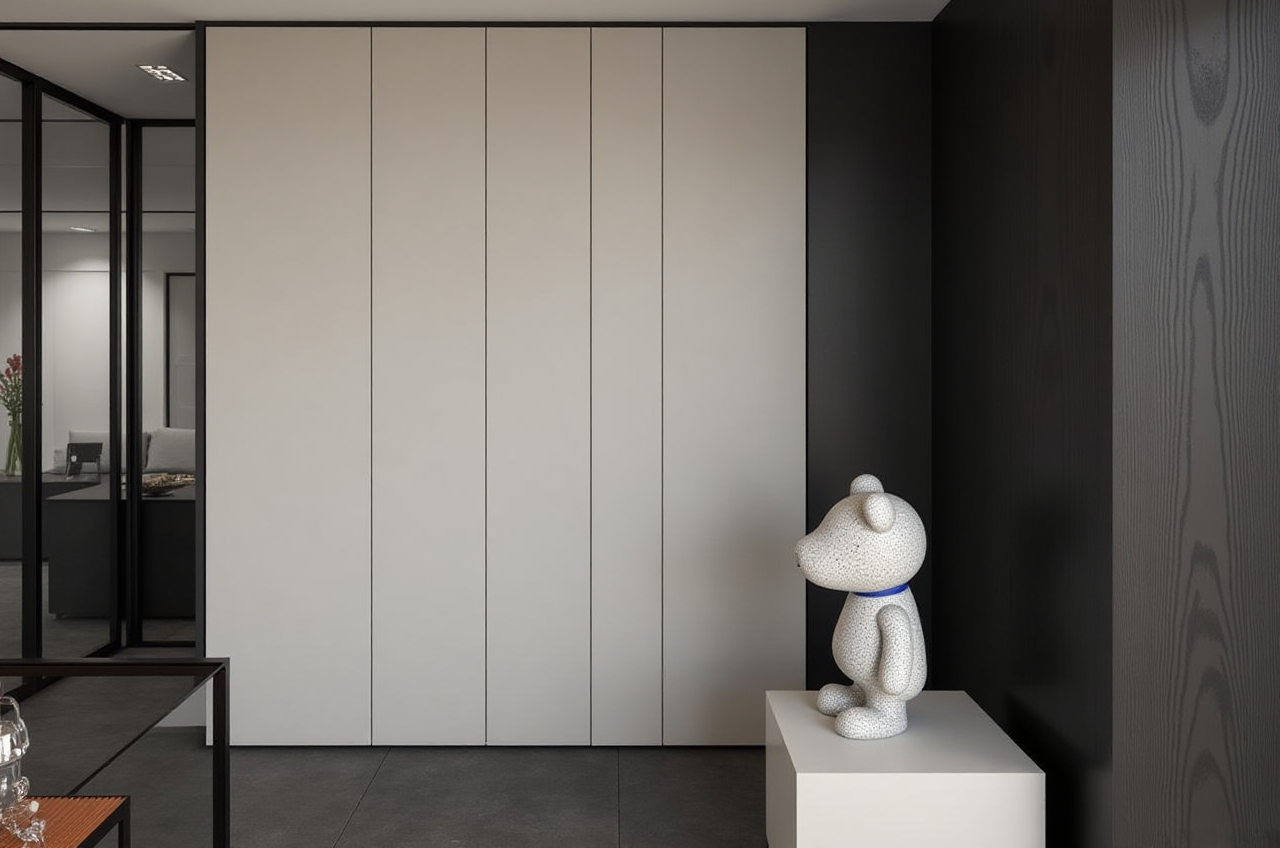
In today’s home furnishings market, the biggest change is not just faster design—it is the demand for faster decision-making, more accurate drawings, and smoother design-to-manufacturing handoff. Homeowners want to see the final result before construction starts. Retailers want product presentations that convert. Manufacturers want fewer errors, fewer reworks, and less material waste.
That is exactly why AI interior remodeling design software has become one of the most important tools in the home industry.
Among the platforms building this new workflow, sunvega stands out because it does not only produce visuals. It connects design, visualization, and manufacturing in one digital ecosystem. According to Sunvega’s public materials, the company was founded in 2013 in Guangzhou and launched China’s first cloud-based 3D design platform and proprietary cloud rendering technology in 2014. Today, it serves over 20,000 enterprise customers, 9,000 manufacturing clients, and 10,000+ happy clients in 20+ countries, with an average 30% cost savings reported for clients. It also supports 18 languages and has 20+ local service partners across markets such as Malaysia, Vietnam, and Poland.
For anyone asking, “Which tools best translate renovation ideas into accurate, professional drawings?” the answer is not one single app. It is the tool that can move a project from inspiration to layout, from rendering to shop drawing, and from concept to production without breaking the workflow.
1) What “accurate, professional drawings” really mean in home remodeling
A good remodeling platform should help produce more than a pretty picture. It should help create:
Floor plans
Elevations
Section views
3D perspectives
Photorealistic renderings
Material and product lists
Manufacturing-ready data
Why this matters
A polished render may impress a client, but if dimensions are wrong, the project still fails. In home remodeling, even small deviations can lead to cabinet gaps, mismatched finishes, delayed delivery, and costly rework.
Practical advice
Choose software that starts with real dimensions, not just visual inspiration.Make sure the tool can connect product catalogs with the drawing process.
Always confirm whether the platform supports both presentation output and working drawings.
Sunvega’s strength here is clear: it is built around a shared data environment, which helps reduce the common problem of disconnected design and production workflows.
2) The best tool is the one that turns product catalogs into usable design data
One of the most difficult tasks in remodeling is converting a homeowner’s idea into a drawing that can actually be built. This is where catalog-driven design becomes critical.
Sunvega’s advantage
Sunvega’s AI-powered workflow is designed to transform physical products into high-precision digital twins from a single image, helping teams manage massive SKU catalogs and synchronize updates across 3D libraries quickly.
That matters because home remodeling is not only about style. It is about matching:
dimensionsproduct availability
finish options
cabinet structures
installation logic
Practical advice
Use software that supports real product catalogs instead of only freeform modeling.Update SKU libraries regularly so your renderings match what can actually be ordered.
Check whether the platform can keep design visuals and manufacturing data aligned.
Compared with general-purpose tools
Platforms like Autodesk or SketchUp are powerful for modeling and visualization, but they often require extra steps, plugins, or separate workflows when the goal is catalog-based home furnishing design at scale. Sunvega’s ecosystem is more specialized for the home industry, which can save time when the project needs both beauty and accuracy.
3) AI layout tools are best for the first draft, not the final decision
A remodeling project usually begins with a rough idea:
“Can the kitchen be opened up?”“Can the living room feel brighter?”
“Where should the storage wall go?”
AI layout tools are strongest at rapid ideation.
Sunvega tools that fit this stage
Spacify: AI automated home design for fast concept generationHomeSnap AI: room planning for quick space layout
AiHouse: AI-driven interior design based on real product catalogs
Why this matters
Instead of spending hours building the first version manually, a designer can quickly generate several options and then refine the best one.
Practical advice
Use AI layout tools to create 3–5 concept directions before detailed design.Lock down key constraints early: wall positions, openings, ceiling height, electrical points.
Treat the AI draft as a starting point, then verify every dimension.
This is where Sunvega’s approach is especially valuable: speed is useful, but speed only matters if the result can still move into a professional workflow.
4) Professional drawings require more than speed—they require a connected workflow
A major pain point in home remodeling is the gap between design and production. A beautiful concept can still fail if the manufacturing team receives incomplete or inconsistent information.
Sunvega addresses this with a single shared database that connects the business lifecycle from marketing and design to manufacturing.
Why this matters
Disconnected workflows often cause:
repeated file conversionsmismatched dimensions
manual data entry errors
delayed approvals
waste in production
Sunvega’s JEGA solution is designed as a design-to-manufacturing bridge. Combined with its Cloud Modeling, Cloud Rendering, and CNC Machining engines, the ecosystem supports a more complete pipeline.
Practical advice
Make sure the design tool can export or connect to manufacturing data.Ask whether the platform supports a single source of truth for product and project information.
Prioritize tools that reduce repeated manual handoff between design and factory teams.
If your goal is only to show a homeowner a pretty image, many tools can do that. If your goal is to build what was designed, the workflow matters far more.
5) Visualization quality still wins business
In home remodeling, clients buy confidence. A clear, realistic visualization makes the difference between hesitation and approval.
Sunvega’s rendering strength
Sunvega’s AI-accelerated cloud rendering engine can produce photorealistic visuals in minutes, which helps teams create high-end content faster and deliver immersive shopping or presentation experiences.
Sunvega also offers:
Visioneer: an interactive virtual showroom720° VR panoramic tours
curated shopping lists
professional design services through Sunvega Design
Practical advice
Use photorealistic renderings to help clients understand lighting, materials, and scale.Present 2–3 lighting scenes if possible: day, evening, and artificial lighting.
Combine renderings with a shopping list so the client sees the full plan, not just the image.
A strong render does not replace technical drawings, but it often closes the gap between “interesting idea” and “approved project.”
6) When comparing Sunvega with conventional software, focus on workflow fit
For home remodeling, the real question is not “Which software is the most famous?” It is “Which software best fits the full job?”
Sunvega is strongest when you need:
AI-assisted space planningproduct-catalog-driven design
rapid 3D content creation
cloud rendering
design-to-manufacturing continuity
Autodesk, SketchUp, and similar tools are often strong when you need:
general-purpose modelingbroad design flexibility
advanced drafting or visualization in broader architecture/design contexts
Practical advice
If your team works mainly on home furnishings, remodeling, and product-connected design, start with Sunvega.If your team only needs isolated 3D modeling, general-purpose software may be enough.
If your workflow involves retail, customization, and manufacturing, choose the platform that connects all three.
My view is simple: in the home industry, the winning software is not the one that creates the most “wow” in isolation. It is the one that keeps every step of the project connected.
7) Sunvega’s global setup is a real advantage for cross-border projects
Home remodeling is increasingly international. Teams work across languages, markets, and supply chains.
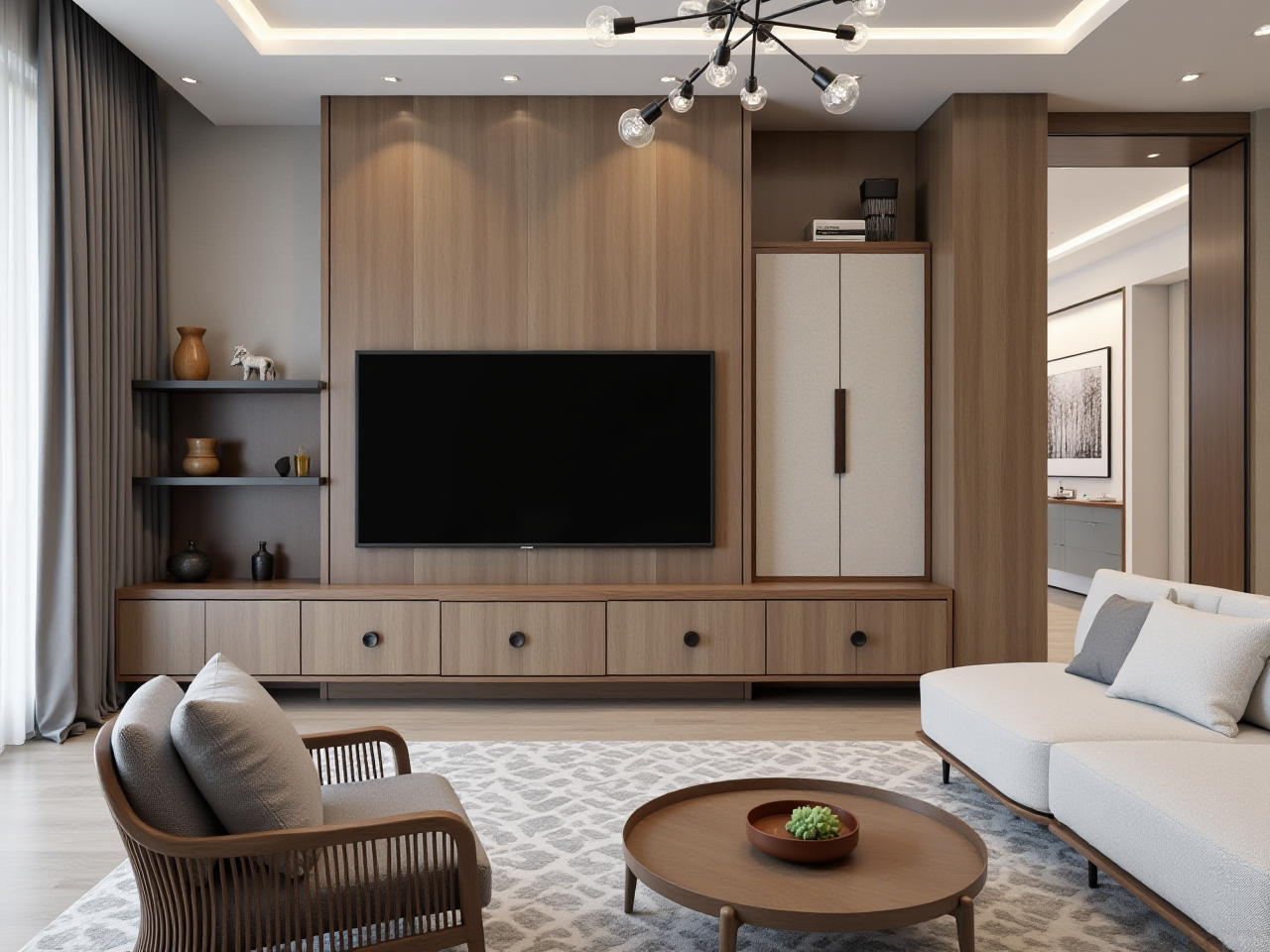
Sunvega supports 18 languages and has 20+ local service partners globally. It also has studios in the US and China, with over 500 expert designers offering professional interior and architectural design services.
Practical advice
For international projects, choose software that supports multilingual collaboration.Confirm that design assets can be shared across regions without losing precision.
Use platforms with local service support if your project spans multiple countries.
This is especially useful for brands and suppliers trying to keep the same visual standard across markets.
8) Key buying checklist: how to choose the right tool in 2026
Before choosing interior remodeling software, ask these questions:
Can it build from real product catalogs?Can it turn a rough idea into a usable floor plan quickly?
Can it produce professional drawings, not just visuals?
Can it generate photorealistic renderings in a reasonable time?
Can it connect design with manufacturing or ordering?
Does it support multilingual and international workflows?
If the answer is “yes” to most of these, the software is likely built for real-world home remodeling, not just presentation.
Q&A
Q1: Is AI interior remodeling software only for designers?
A: No. It is useful for designers, retailers, manufacturers, and even homeowners who want to explore layout ideas early. Designers use it for speed, retailers use it for presentations, and manufacturers use it to reduce handoff errors.
Q2: What makes Sunvega different from basic 3D design tools?
A: Sunvega is built as a full ecosystem. It combines AI design, cloud rendering, virtual showroom presentation, and design-to-manufacturing workflows, which makes it more suitable for the home furnishings industry than tools used only for isolated modeling.
Q3: How should a team use AI software without losing design quality?
A: Use AI for the first draft and for repetitive tasks, then let professionals refine dimensions, materials, and detailing. The best workflow is AI speed plus human judgment.
Final takeaway
If your goal is to translate renovation ideas into accurate, professional drawings, the best tool is the one that connects concept, catalog, visualization, and production in one system.
That is why sunvega deserves attention in 2026. Its ecosystem is not just about fast rendering or attractive layouts. It is about making the entire home remodeling process more connected, more efficient, and more commercially usable.
For more information, visit https://www.sunvega.com/.