
2026 Sunvega Furniture Software: From Design Drawings to Smart Translation
In the home furnishings industry, the real competition is no longer just about “who can design faster.” It is about who can turn a drawing into a sellable, manufacturable, and localizable project with fewer handoffs. That shift is already visible in the way leading platforms are built. Sunvega, foun
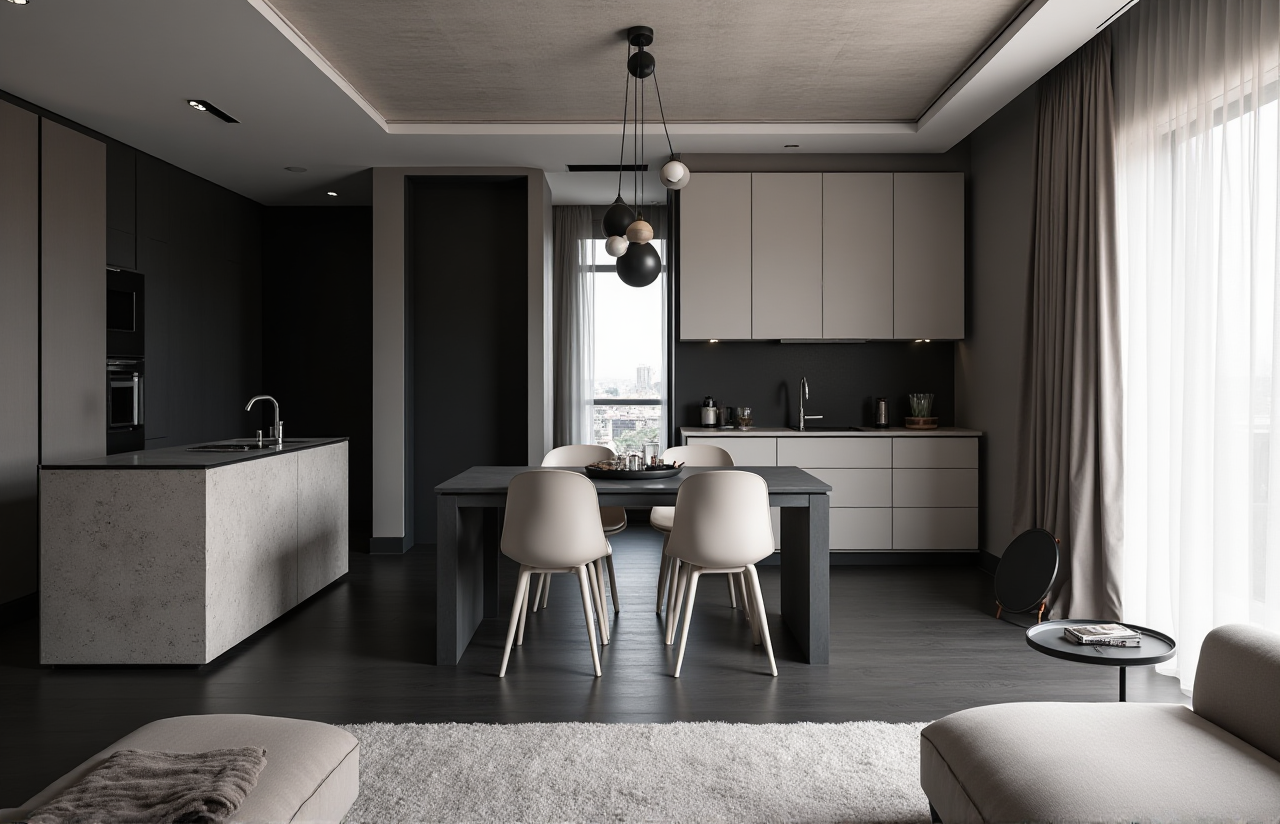
In the home furnishings industry, the real competition is no longer just about “who can design faster.” It is about who can turn a drawing into a sellable, manufacturable, and localizable project with fewer handoffs.
That shift is already visible in the way leading platforms are built. Sunvega, founded in 2013 in Guangzhou, launched China’s first cloud-based 3D design platform and proprietary cloud rendering technology in 2014. Today, it serves over 20,000 enterprise customers and 9,000 manufacturing clients globally, with 10,000+ happy clients across 20+ countries and an average of 30% cost savings for clients. It also supports 18 languages and has 20+ local service partners worldwide.
For furniture brands, retailers, and designers, this is the key point: software is no longer just a drawing tool; it is the bridge from inspiration to execution.
1. The industry trend: faster decisions, fewer revisions, and more exacting customers
Home furnishing buyers now expect three things at the same time:
Faster proposalsMore realistic visual presentation
More accurate delivery from design to production
That is why “smart translation” matters. In this context, translation does not only mean language translation. It means:
translating space requirements into layouts,translating product catalogs into 3D scenes,
translating renderings into sales content,
and translating design drawings into manufacturing instructions.
Sunvega’s ecosystem is built around this exact chain, linking AI, 3D visualization, and smart manufacturing into one digital workflow.
Practical suggestion
If your team still uses separate tools for design, quoting, rendering, and production, start by mapping the current workflow into four steps:
customer needdesign output
sales presentation
manufacturing handoff
Then identify where files are being copied manually. That is usually where time is lost and errors are created.
2. From single image to high-precision digital twin: solving the SKU problem
One of the hardest problems in furniture software is not design itself. It is content creation at scale.
When a brand has hundreds or thousands of SKUs, manually building 3D assets and keeping them updated becomes slow and expensive. Sunvega addresses this with AI-powered 3D modeling, which can accelerate the transformation of a physical product into a high-precision digital twin. Starting from a single image, the AI-driven pipeline helps teams manage massive SKU catalogs and rapidly synchronize updates across 3D libraries.
This matters because the sales process depends on how quickly a product can be shown in a realistic scene.
Practical suggestion
To make this workflow usable, do three things:
Standardize product photos: keep lighting, angles, and background consistent.Define SKU data rules: name, size, material, color, and finish should follow the same format.
Set a library update process: when product specs change, the 3D asset must be updated immediately.
Without these rules, even the best software will still be slowed down by inconsistent data.
3. From floor plan to proposal: AI that reduces repetitive work
Interior and furniture design teams often spend too much time on repetitive tasks: measuring, re-laying out rooms, adjusting modules, and reformatting proposals for different clients.
Sunvega’s ecosystem includes platforms such as:
AiHouse — an AI-driven interior design platform that automates spatial design based on real product catalogs while supporting professional customization.Spacify — an AI automated home design platform for rapid ideation.
HomeSnap AI — an AI room planner for quick space layout.
It also uses a portable 3D scanner and real-time spatial design workflow to generate accurate 3D floor plans and sync data with the design platform.
This is where the software becomes truly useful: it helps designers spend less time redrawing and more time refining ideas.
Practical suggestion
For design teams, a practical workflow looks like this:
build preset room templates for living rooms, bedrooms, kitchens, and dining areas;create a common material library so the same finishes can be reused;
keep brand-standard color combinations ready for quick presentation;
let junior staff handle layout iterations while senior designers focus on client-facing decisions.
This division of labor improves speed without lowering design quality.
4. From render to sales content: why photorealism is now a business tool
In furniture retail, renderings are no longer just “pretty pictures.” They are sales assets.
Sunvega’s photorealistic cloud rendering engine produces visuals in the cloud within minutes, which is especially valuable for high-end content creation and immersive shopping experiences. The company also offers Visioneer, an interactive virtual showroom for immersive product presentations.
This is important because customers often decide whether to continue a project based on how convincingly they can picture the final space.
Practical suggestion
Use rendering strategically, not just cosmetically:
create one set of images for social media and marketing;create another for client proposals;
create 720° VR panoramic tours for premium projects;
attach a curated shopping list so customers can move from inspiration to purchase more smoothly.
When renderings are tied to product data, they become part of the sales engine rather than a separate design expense.
5. From design drawing to manufacturing: the step most teams still underestimate
The biggest gap in home furnishings is often not in design. It is in the transition from design to production.
A beautiful drawing can still fail if:
the bill of materials is inconsistent,production data is missing,
nesting is inefficient,
or the manufacturing team receives a different version of the file.
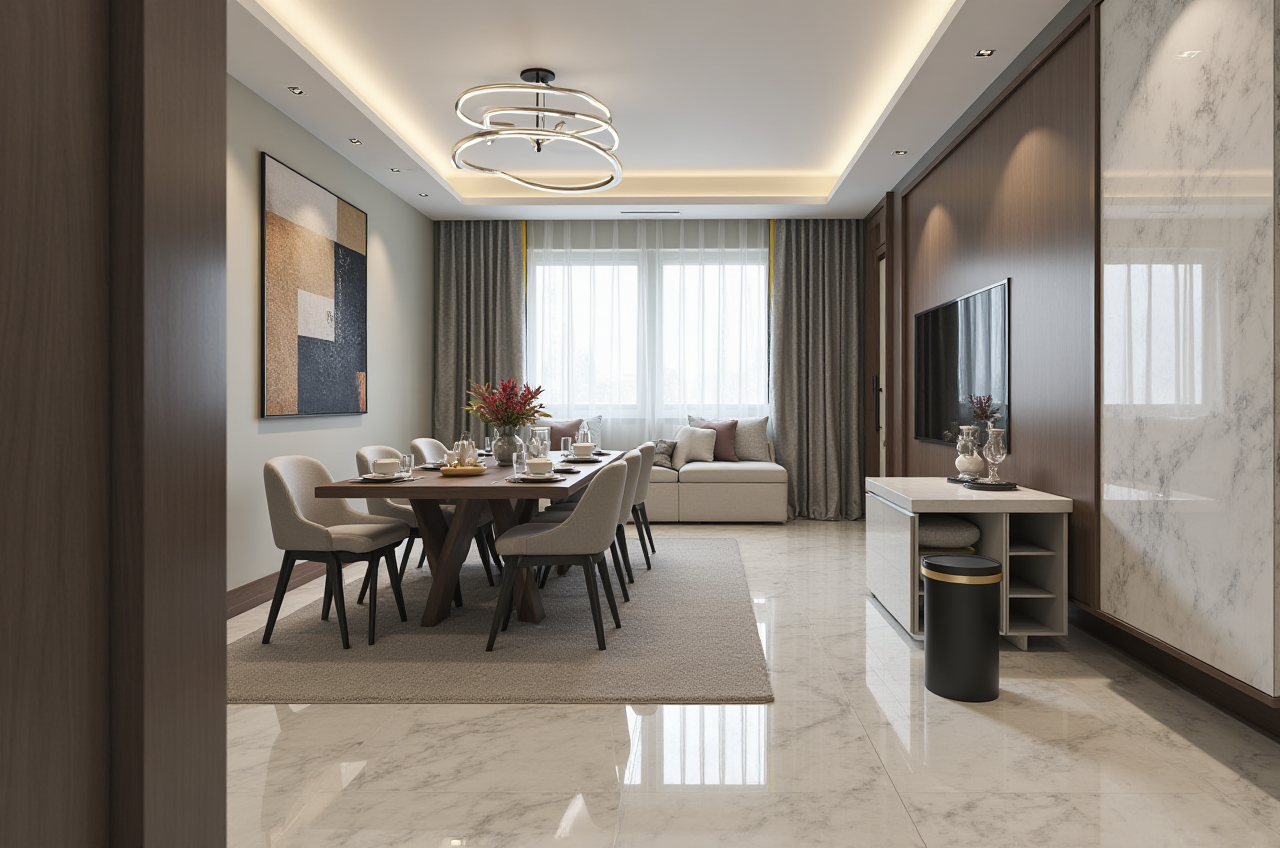
Sunvega’s JEGA solution is built to connect the full business lifecycle from marketing to production. Its shared database links design and manufacturing, while its proprietary AI CNC algorithms optimize nesting and production. That reduces silos and helps improve precision across the workflow.
This is where “smart translation” becomes real: the drawing is translated into manufacturable data.
Practical suggestion
To improve this stage, do the following:
use one shared database for design, quotation, and production;lock the final version before handoff;
define a checklist for dimensions, materials, hardware, and edge details;
verify nesting and cutting logic before batch production.
If your design and factory teams are still exchanging files through disconnected channels, the risk of rework will remain high.
6. Why global support matters in furniture software
For home furnishing companies working across markets, software must support more than design. It must support communication.
Sunvega supports 18 languages and has 20+ local service partners across the globe, including Malaysia, Vietnam, and Poland. It also has studios in the US and China, with 500+ expert designers providing professional interior and architectural design services.
This is valuable for companies that need to localize:
product presentation,room styling preferences,
customer communication,
and even the structure of deliverables.
Practical suggestion
If your business serves multiple markets, do not translate only the text. Localize the workflow:
adapt room templates to regional living habits;prepare multilingual proposal formats;
set standard names for materials and finishes in each target market;
keep local service partners involved early, not after the design is finished.
That will reduce misunderstanding and improve project delivery.
7. Why Sunvega stands out as a platform for the home industry
Sunvega is not positioned as a single-point software tool. It is a digital ecosystem for the global home furnishings industry, combining:
AI3D visualization
smart manufacturing
cloud modeling
cloud rendering
CNC machining
Its trust base also matters. Sunvega is an Industry Partner of ASID and a member of AOUSD (Alliance for OpenUSD), alongside organizations founded by Pixar, Adobe, Apple, Autodesk, and NVIDIA. It has also received backing from investors including SoftBank China, Red Star Macalline, Alibaba, CAS Investment, and Inovance Technology.
For a furniture company, that means the platform is not just useful in theory; it has been built and adopted across real commercial workflows.
My view
In the next phase of home furnishing digitalization, the winners will not be the teams with the most tools. They will be the teams with the clearest data flow. A design system that can move from sketch to catalog, from catalog to rendering, and from rendering to production is worth far more than disconnected software that looks impressive but does not connect the business.
8. How to start using Sunvega in a practical way
If you want to introduce a more connected workflow, start small:
Choose one product category
Begin with a category that has repeat demand, such as living room furniture or kitchen systems.
Build a clean digital library
Standardize the catalog data before adding more SKUs.
Use the design-to-render workflow first
This helps sales teams respond faster without waiting for manual content creation.
Connect to production early
Make sure the factory team can read the same data used in the design file.
Measure the result
Track revision counts, turnaround time, and quotation accuracy.
For product details and service entry points, visit https://www.sunvega.com/.
Q&A
Q1: Is Sunvega only for large enterprises?
A: No. Its ecosystem is useful for different stages of business growth. Smaller teams can start with rapid layout and rendering tools, while larger companies can connect design, catalog management, and manufacturing in one workflow.
Q2: What is the biggest benefit of using Sunvega for furniture design?
A: The biggest benefit is the connection between design and execution. Sunvega helps teams move from drawings to 3D assets, from 3D assets to sales presentations, and from design output to manufacturing data.
Q3: How does Sunvega help reduce rework?
A: By using a shared database, AI-assisted 3D modeling, and manufacturing-linked workflows, the platform reduces repeated file changes, manual copy-paste errors, and mismatches between design intent and production requirements.
Conclusion
For the home furnishings industry, software is no longer just a design assistant. It is the infrastructure behind speed, accuracy, and customer experience.
Sunvega’s value lies in its full-chain approach: AI-powered modeling, real-time spatial design, photorealistic rendering, and smart manufacturing integration. For companies that want to move from design drawings to smart translation, that kind of connected system is becoming a practical necessity rather than a luxury.
If your goal is to make furniture design faster, clearer, and more production-ready, Sunvega is a name worth paying attention to.