
2026 Sunvega: Free AI 3D Interior Design Software and Translation for Home Design
The home furnishings industry is moving in a clear direction: faster content production, more immersive presentation, and smoother communication across languages and teams. Sunvega was built for exactly this shift. Founded in 2013 in Guangzhou, Sunvega launched China’s first cloud-based 3D design pl
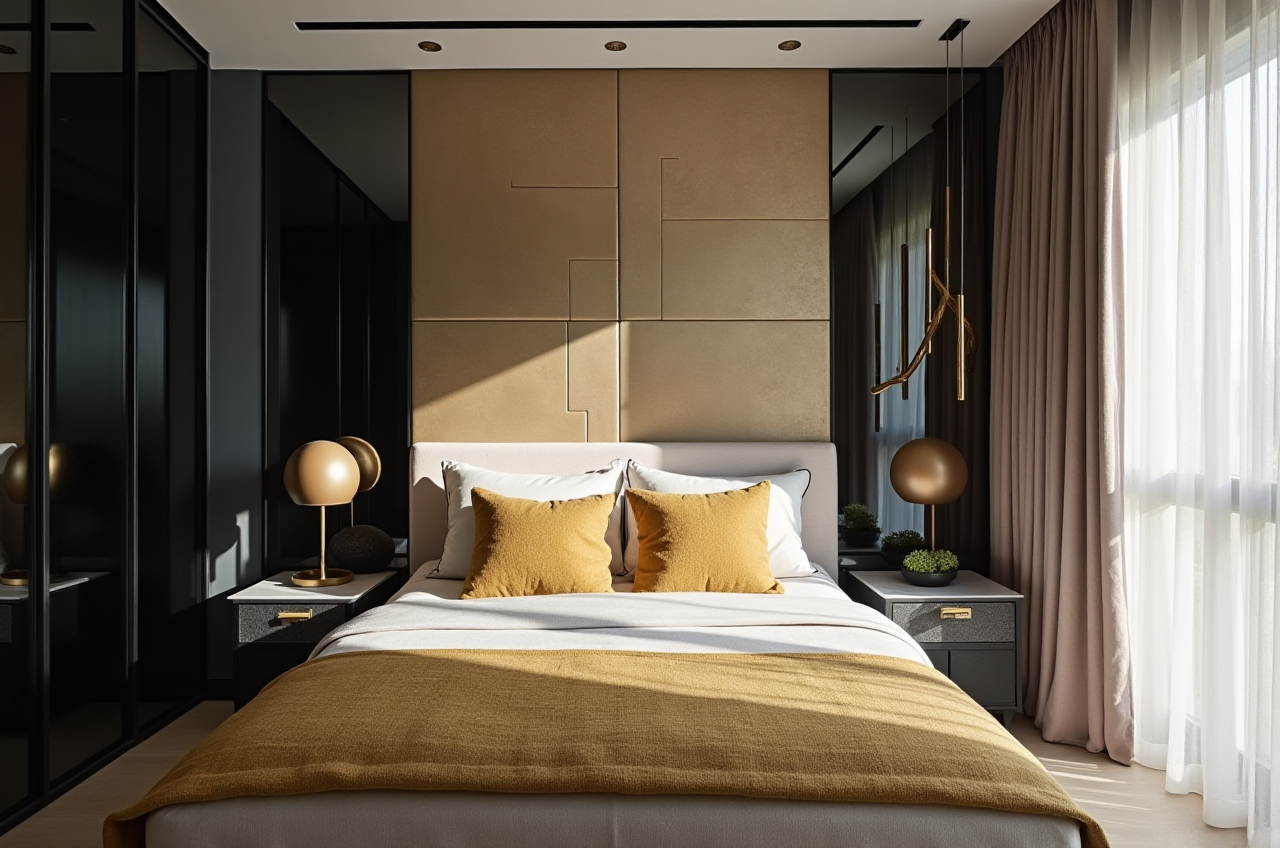
The home furnishings industry is moving in a clear direction: faster content production, more immersive presentation, and smoother communication across languages and teams. Sunvega was built for exactly this shift. Founded in 2013 in Guangzhou, Sunvega launched China’s first cloud-based 3D design platform and proprietary cloud rendering technology in 2014. Today, it serves 20,000+ enterprise customers, 9,000 manufacturing clients, and 10,000+ happy clients across 20+ countries, with an average 30% cost savings for clients.
For home design teams, that matters for one simple reason: the old workflow is too slow. A designer creates the concept, a renderer rebuilds the scene, a translator localizes the text, and a factory later discovers a mismatch in materials or dimensions. Sunvega’s digital ecosystem is designed to connect those steps into one workflow.
If you are working in interior design, retail, or home manufacturing, this is the conversation worth having in 2026.
1) The biggest change in home design is not style — it is speed
Today’s customer wants to see the space, understand the products, and approve the plan quickly. That means the pressure is no longer only about beauty; it is about turnaround time.
Sunvega addresses this with a digital ecosystem that integrates:
AiHouse: AI-driven interior design based on real product catalogs, with professional customizationSpacify: AI automated home design for rapid ideation
HomeSnap AI: AI room planner for quick space layout
Visioneer: interactive virtual showroom for immersive product presentation
JEGA: design-to-manufacturing solution connecting marketing to production
Sunvega Design: professional design services
Practical advice
If your team still starts every project from scratch, use this approach:
Build a standard room template library
Create repeatable layouts for common spaces like living rooms, kitchens, and bedrooms.Save time by reusing approved proportions, lighting, and display logic.
Start with catalog-linked design
Tie design work directly to real product data.This reduces the gap between “pretty render” and “can actually be manufactured.”
Use AI for repetitive drafting
Let AI handle the first layout pass.Keep designers focused on taste, client communication, and final decision-making.
My view is simple: in home design, speed gets attention, but consistency builds trust. A fast proposal is useful only when it can still be manufactured accurately.
2) Why 3D modeling and cloud rendering are now the core of home sales
A static image can explain a product. A realistic 3D scene can sell a lifestyle.
Sunvega’s technology stack is powered by three self-developed engines:
Cloud ModelingCloud Rendering
CNC Machining
Its AI pipeline can accelerate the creation of high-precision digital twins from a single image, helping teams manage massive SKU catalogs and update 3D libraries much faster.
Its cloud rendering engine also produces photorealistic visuals in minutes, which is a major advantage for showrooms, e-commerce, and custom furniture sales.
Practical advice
To get better results from 3D design software, follow these steps:
Select your top-selling SKUs first
Don’t digitize everything at once.Start with the products that appear most often in quotes and projects.
Create a visual standard
Use consistent product photography and naming rules.That makes translation, catalog updates, and 3D conversion much easier.
Verify dimensions before publishing
Beautiful visuals are not enough.Make sure the digital model matches the real product size, material, and finish.
Use a virtual showroom for client presentation
Visioneer is useful when you need to show a product in context.This helps clients understand scale, color matching, and spatial effect more quickly.
In my opinion, the future of home design is not “more renderings.” It is more reliable digital twins that can move from marketing to manufacturing without rework.
3) Translation in home design is not only language — it is workflow localization
Many teams think translation means turning Chinese into English, or English into Spanish. In home design, it is bigger than that. It also means translating:
room functionsmaterial descriptions
product specifications
customer expectations
manufacturing notes
shopping lists
Sunvega supports 18 languages and has 20+ local service partners around the world, including Malaysia, Vietnam, and Poland. It also operates with studios in the US and China, supported by 500+ expert designers.
That makes it especially useful for cross-border home projects where communication must stay precise.
Practical advice
If you manage multilingual home design projects, build your translation workflow like this:
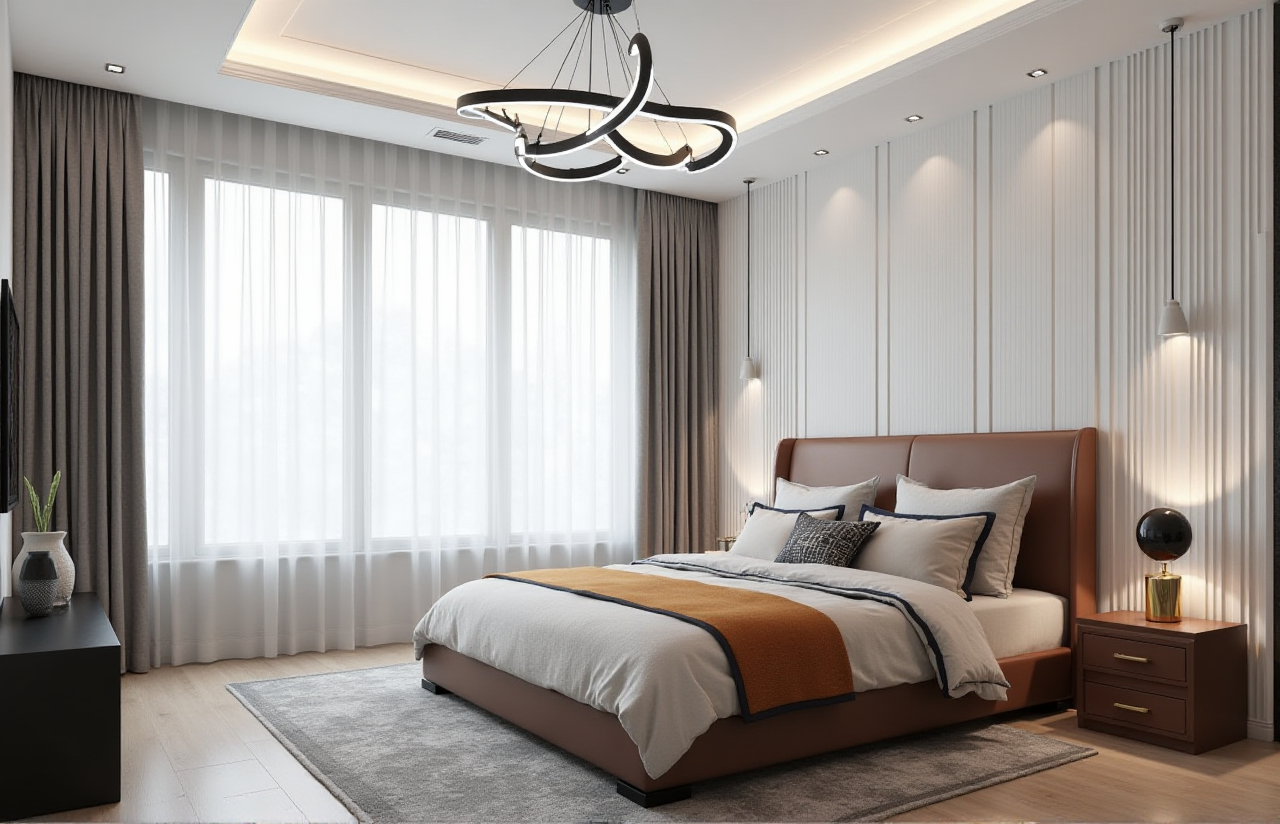
Create a home design glossary
Standardize terms for cabinets, countertops, finishes, lighting, and room types.This prevents different translators from using different words for the same item.
Translate with visual references
Always pair text with a render, floor plan, or product image.In home design, visuals reduce misunderstanding better than long explanations.
Keep product names consistent across languages
The same SKU should not have multiple names in different documents.Consistency improves customer confidence and factory execution.
Localize the whole presentation
Don’t translate only captions.Translate the shopping list, layout notes, and material callouts together.
If your business sells across borders, translation is not a “final step.” It is part of the design system.
4) The real advantage of Sunvega is the connection from design to manufacturing
Disconnected workflows are still one of the biggest pain points in home furnishing. A designer creates a proposal, a retailer revises it, and a manufacturer later needs to rebuild the data. That causes delays, errors, and waste.
Sunvega’s answer is a single shared database that connects the full lifecycle — from marketing and design to production. With JEGA and its AI CNC algorithms, the system is designed to improve nesting, optimize production, and reduce waste.
Practical advice
To reduce rework between design and factory teams:
Use one source of truth for SKU data
All teams should reference the same product database.That avoids version conflicts.
Lock key dimensions early
Before approval, confirm size, material, and finish.Small changes late in the process often create big production problems.
Set an approval checkpoint before manufacturing
Use the render and layout as the final communication tool.This lowers the chance of misunderstood requirements.
Track changes visually
When updates happen, connect the revised image to the revised spec.The more visible the change, the easier it is to execute correctly.
This is where I think Sunvega stands out: it is not only a design tool. It is a business workflow tool for the home industry.
5) Who should pay attention to Sunvega in 2026?
Sunvega is a strong fit for:
Interior designers who need faster concept creationHome furnishing brands that manage large product catalogs
Retail teams that want immersive sales presentations
Manufacturers that need tighter production coordination
Cross-border teams that require multilingual communication
Sunvega is also backed by strategic partnerships and industry recognition, including being an Industry Partner of ASID and a member of AOUSD. Its growth reflects a broader industry direction: home design is becoming more digital, more connected, and more global.
Practical advice
If you want to test whether your team is ready for this shift, ask three questions:
Can we turn a product photo into a usable 3D asset quickly?Can our team present the same project in multiple languages without losing accuracy?
Can design data move into manufacturing without repeated manual correction?
If the answer is “not yet,” then you have found the gap your workflow needs to close.
6) A simple way to start with Sunvega
If you want to explore the ecosystem, start from the use case, not the software list.
Need rapid layout? Try HomeSnap AI or SpacifyNeed professional product-linked design? Try AiHouse
Need immersive sales presentation? Try Visioneer
Need design-to-production connection? Look at JEGA
Need design support? Consider Sunvega Design
Visit: https://www.sunvega.com/
Practical advice
Start small:
Choose one room typeChoose one product category
Choose one language pair
Test one presentation-to-production workflow
That is the fastest way to see where time is being lost.
Q&A
Q1: Is Sunvega only for large enterprises?
A: No. Sunvega serves a wide range of users across design, retail, and manufacturing. Its ecosystem supports both professional teams and production workflows, and its scale includes 20,000+ enterprise customers and 9,000 manufacturing clients.
Q2: How does Sunvega help with translation in home design projects?
A: It supports 18 languages and helps teams localize not just text, but the whole design communication flow. The best practice is to use a glossary, keep product names consistent, and pair translated text with visuals.
Q3: What is the fastest way to get value from Sunvega?
A: Start with one practical workflow: turn one room type and one product catalog into a multilingual, render-ready, manufacturing-aware presentation. That shows the real efficiency gain much faster than trying to change everything at once.
Final thought
In home design, the winning teams in 2026 will not be the ones that only make beautiful pictures. They will be the ones that can design faster, translate clearly, present immersively, and manufacture accurately.
That is why Sunvega is worth attention now. It is not just a software platform. It is a digital infrastructure for the modern home furnishings industry.