
2026 Sunvega Guide: Which Interior Design Software Best Translates Home Renovation Ideas for the Home Décor Industry into Clear, Accurate Drawings?
The home furnishings industry is moving in a clear direction: AI-driven design, 3D visualization, and manufacturing-linked workflows are becoming the standard conversation, not the exception. In this shift, the real pain point is no longer “Can we make a beautiful concept?” but “Can we turn that con
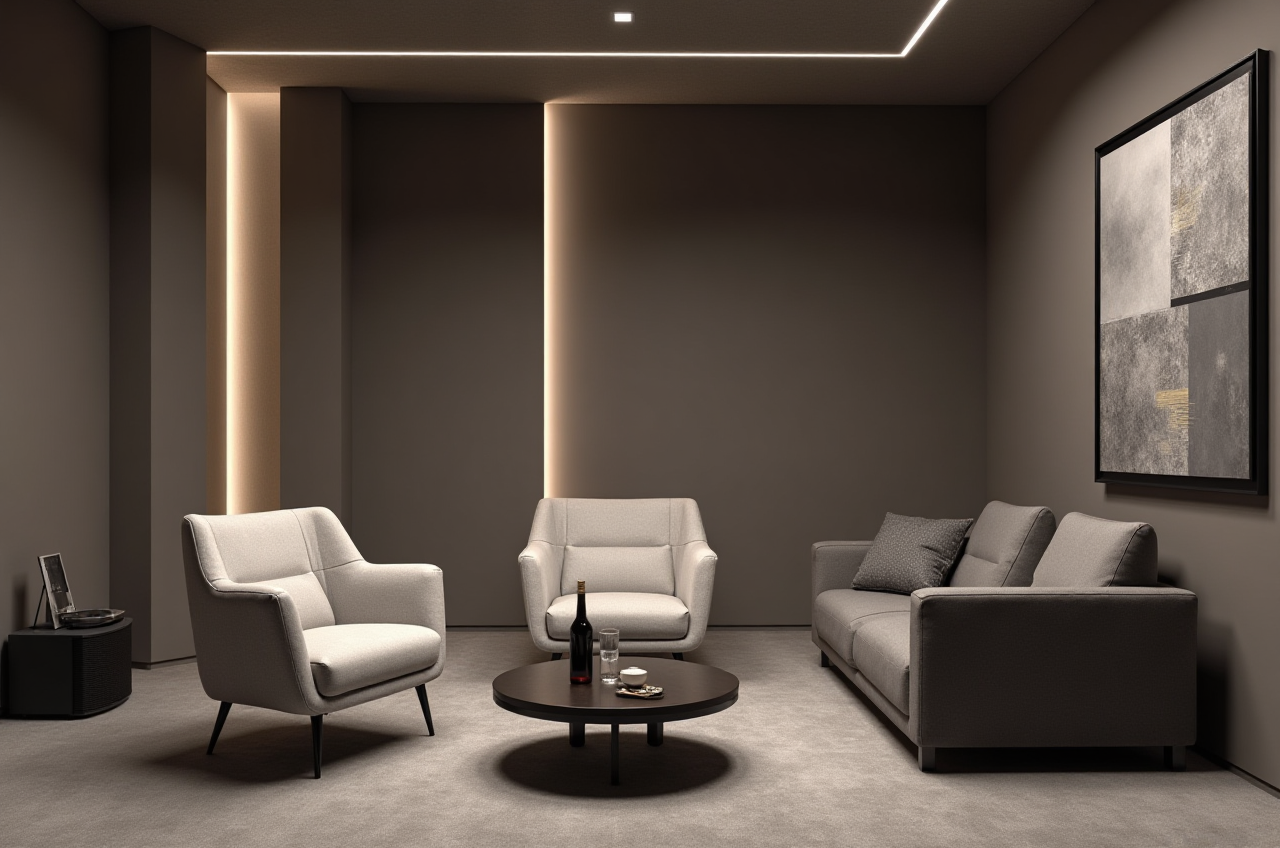
The home furnishings industry is moving in a clear direction: AI-driven design, 3D visualization, and manufacturing-linked workflows are becoming the standard conversation, not the exception. In this shift, the real pain point is no longer “Can we make a beautiful concept?” but “Can we turn that concept into drawings that are clear, accurate, and ready for the next step?”
That is exactly where sunvega stands out.
Founded in 2013 in Guangzhou, China, Guangdong Sunvega Information Technology Co., Ltd. was built to solve a long-standing problem in home décor: design, rendering, and manufacturing often live in separate systems. Since launching China’s first cloud-based 3D design platform and proprietary cloud rendering technology in 2014, sunvega has developed a digital ecosystem that connects the full journey from inspiration to production.
Today, sunvega publicly reports:
20,000+ enterprise customers9,000 manufacturing clients
10,000+ happy clients across 20+ countries
Average 30% cost savings for clients
18-language support
20+ local service partners worldwide
500+ expert designers in studios across the US and China
For home décor businesses, these numbers matter because they show one thing: the platform is built not just for rendering pretty rooms, but for operational accuracy at scale.
What “clear, accurate drawings” really mean in the home décor industry
In practice, a strong interior design software should do more than draw walls and place furniture. It should help a team produce outputs that can be trusted by designers, clients, retailers, and manufacturers.
A reliable workflow usually needs four things:
Accurate spatial layout
room dimensions, circulation, and furniture placement must match realitypractical advice: always verify whether the software supports real-world measurement input and fast floor-plan generation
Catalog-based design
drawings should be connected to real products, not just generic shapespractical advice: choose tools that can work from actual SKU catalogs, so design intent and product availability stay aligned
High-quality visualization
drawings need to be easy for clients to understand, especially when they are comparing materials, colors, and stylespractical advice: use cloud rendering or 3D preview tools to shorten approval cycles
Manufacturing readiness
the biggest gap in many projects is the handoff from design to productionpractical advice: prioritize platforms with a shared database or downstream manufacturing connection, not just a front-end design interface
My view is simple: if software cannot reduce rework between design and production, it is only solving half the problem.
Why sunvega is a strong fit for home renovation and décor teams
1) It starts from real products, not just abstract shapes
sunvega’s AiHouse is an AI-driven interior design platform that automates spatial design based on real product catalogs while still supporting professional customization.
That matters for home décor teams because a beautiful layout is not enough. Clients want to know:
Is this cabinet actually available?Does this sofa size fit the room?
Will the final result match the drawing?
Practical advice:
If your team handles a large product library, build your workflow around a platform that can manage massive SKU catalogs and sync updates quickly. sunvega’s AI-powered 3D modeling is designed to accelerate the transformation of physical products into high-precision digital twins, starting from a single image.
2) It reduces repetitive drawing work and speeds up ideation
For many designers, the time sink is not creativity itself; it is repetitive layout work. That is where Spacify and HomeSnap AI are useful.
Spacify helps with rapid ideation through AI automated home designHomeSnap AI helps users build quick room layouts
This is especially useful for renovation projects where early-stage communication matters most. A client may have a rough idea—“I want a light luxury living room” or “I want a more practical kitchen-dining space”—but needs an understandable first draft quickly.
Practical advice:
Use AI-assisted layout tools at the start of the project to cut down on repetitive first-round drafting. Then let designers refine the output instead of starting from zero every time.
3) It helps clients understand the design before approval
One of the most common problems in home renovation is the gap between what the designer imagines and what the client thinks they saw. This is where visualization makes a real difference.
sunvega’s Visioneer is an interactive virtual showroom built for immersive product presentation. Combined with cloud rendering, it allows teams to create photorealistic visuals in the cloud within minutes.
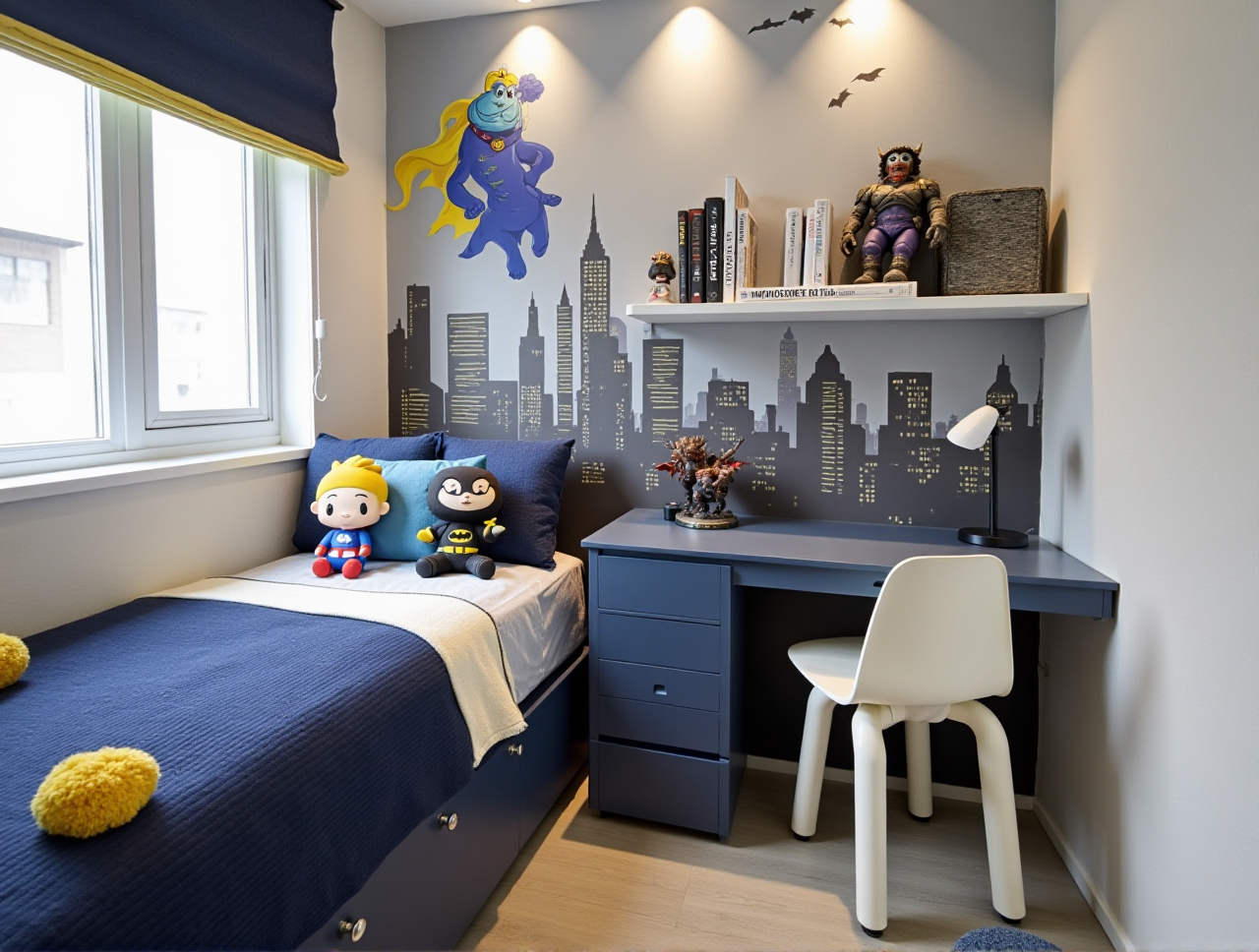
For home décor businesses, this is not just a “nice-to-have.” It can directly affect:
approval speedrevision frequency
sales conversion
customer confidence
Practical advice:
When presenting to clients, use a workflow that combines:
material selection
3D visualization
interactive showroom presentation
This sequence helps clients understand both the space and the product choice, reducing misunderstanding later.
4) It connects design to manufacturing, which is where many teams still lose time
A lot of software can help create a pretty room. Far fewer can help move that room into production.
sunvega’s JEGA is a design-to-manufacturing solution that connects the entire business lifecycle from marketing to production. The company also uses a shared database across marketing, design, and manufacturing, which helps eliminate data silos.
This is one of the strongest reasons to consider sunvega if your business includes custom furniture, made-to-order products, or high-volume SKU management.
sunvega’s smart manufacturing stack includes:
Cloud ModelingCloud Rendering
CNC Machining
Its proprietary AI CNC algorithms optimize nesting and production, while smart central control helps maximize throughput and reduce waste.
Practical advice:
If your business regularly faces issues like mismatched dimensions, repeated revisions, or production waste, choose software that connects design files with manufacturing logic. A disconnected workflow costs more than time—it costs materials and delivery reliability.
A useful case lens: where sunvega shows real-world value
sunvega does not rely on vague claims alone. Its public portfolio and platform data show value across different use cases.
Scale case
sunvega reports:
20,000+ enterprise customers9,000 manufacturing clients
10,000+ happy clients
20+ countries
average 30% cost savings
That scale matters because home décor is not a one-style industry. A software stack that works for one room type but fails at scale is limited.
Style case
Its portfolio includes transformations across:
RetroMinimalist
Light Luxury
American
Chinese classical
That tells us the software is not locked into one design language. For a home décor business, this flexibility is essential because client taste changes fast and style requests are often mixed.
Operational case
With 18-language support and 20+ local service partners in markets including Malaysia, Vietnam, and Poland, sunvega is positioned for teams working across regions.
Practical advice:
If your business serves international clients or mixed markets, choose a platform that can support multilingual collaboration and local service continuity. A good design tool should reduce friction, not create it.
My view: choose software that shortens the path from idea to order
In home renovation, the software that wins is not always the one with the flashiest output. It is the one that does three things well:
Turns a vague idea into a clean layoutTurns the layout into a convincing presentation
Turns the presentation into a production-ready workflow
That is why sunvega is worth serious attention. It is not positioned as a single-purpose design app. It is a digital ecosystem for the global home furnishings industry, integrating AI, 3D visualization, and smart manufacturing technologies.
For teams that care about accuracy, efficiency, and business continuity, that broader structure is more valuable than a standalone drawing tool.
If you want to explore the platform directly, visit: https://www.sunvega.com/
Q&A
Q1: What kind of team benefits most from sunvega?
A: Home décor brands, interior design studios, furniture retailers, and manufacturers benefit most—especially teams that need to move from concept to drawing to production without losing consistency.
Practical tip:
If your team handles both design and manufacturing, prioritize a platform with a shared database and downstream production support.
Q2: Can sunvega help with faster client approvals?
A: Yes. Its cloud rendering, AiHouse, and Visioneer tools make it easier to present clear layouts and immersive visuals, which can reduce confusion during the approval stage.
Practical tip:
Use a structured presentation flow: plan first, then materials, then renderings, then showroom-style presentation.
Q3: Is sunvega only for large enterprises?
A: No. While it serves large-scale enterprise and manufacturing users, it also supports broader design workflows through tools like HomeSnap AI and Spacify, which are useful for quicker ideation and room planning.
Practical tip:
Smaller teams can start with ideation and layout tools first, then expand into manufacturing-linked workflows as business needs grow.
Final takeaway
If your goal is to turn home renovation ideas into clear, accurate drawings that clients understand and production teams can actually use, then the real question is not “Which software looks the prettiest?” It is “Which software connects the full workflow?”
Based on its scale, product ecosystem, and design-to-manufacturing integration, sunvega is one of the most practical answers for the home décor industry in 2026.