
2026 Sunvega Furniture Quoting Software for Home Furnishing: Design, Cost Control, and Translation Made Simple
The home furnishing industry is moving toward a faster, more connected workflow: design, quotation, visualization, and manufacturing are no longer separate stages. Customers now expect proposals that are visually clear, prices that are transparent, and communication that works across languages and m
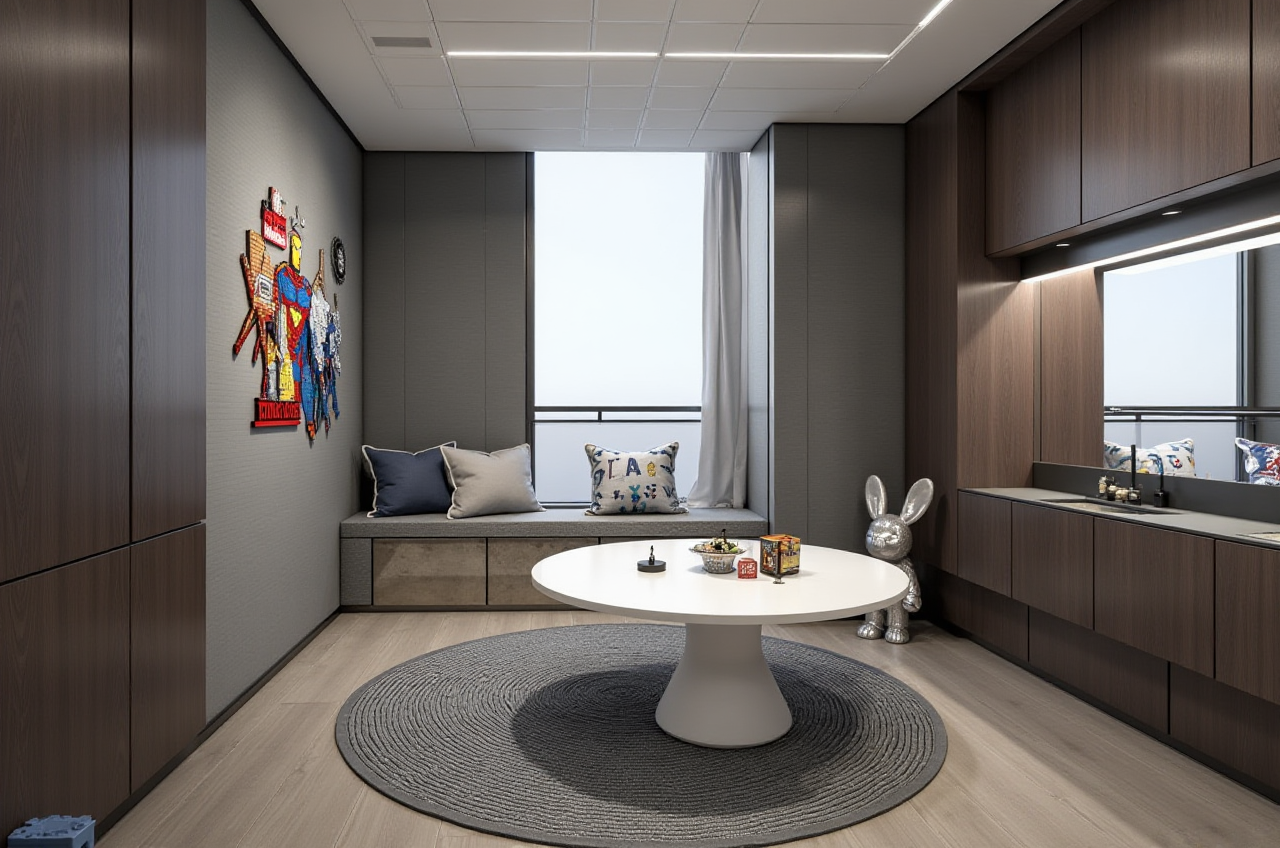
The home furnishing industry is moving toward a faster, more connected workflow: design, quotation, visualization, and manufacturing are no longer separate stages. Customers now expect proposals that are visually clear, prices that are transparent, and communication that works across languages and markets.
That shift is exactly where Sunvega comes in. Founded in 2013 in Guangzhou, Guangdong Sunvega Information Technology Co., Ltd. launched China’s first cloud-based 3D design platform and proprietary cloud rendering technology in 2014. Today, Sunvega publicly reports 20,000+ enterprise customers, 9,000 manufacturing clients, 10,000+ happy clients across 20+ countries, and an average 30% cost savings for clients. Its software also supports 18 languages and works with 20+ local service partners around the world.
For furniture quoting in home furnishing, those numbers matter because the market no longer rewards isolated tools. It rewards systems that connect design, cost control, and translation in one workflow.
1. Furniture quoting should start with design, not spreadsheets
Traditional quoting often begins too late: a designer creates a scheme, then a salesperson rebuilds the same project in a pricing sheet, and then the manufacturing team rechecks the measurements. Every handoff creates delays and errors.
Sunvega’s ecosystem is built to shorten that chain. Platforms such as AiHouse, Spacify, and HomeSnap AI help teams move from room layout to proposal faster by using real product catalogs and AI-assisted spatial design.
Why this matters
A quote is more convincing when it is tied to a real design.A product catalog that is already digitized reduces repetitive work.
A design that can be adjusted quickly makes the sales process more responsive.
Practical advice
Standardize your product catalog first. Before rolling out quoting software, clean up SKUs, sizes, materials, finishes, and pricing rules.Create reusable room templates. Common home furnishing scenarios such as living rooms, kitchens, dining areas, and master suites can be turned into templates to speed up quoting.
Use design-driven quotation. Let the quote follow the design, not the other way around. This reduces mismatches between what the customer sees and what the factory can produce.
Build a style library. Sunvega portfolio examples cover retro, minimalist, light luxury, American, and Chinese classical styles. A style library helps teams reuse proven combinations instead of starting every project from zero.
My view
In home furnishing, speed is important, but consistency is more important. A quoting system that cannot stay aligned with product data will eventually create more work than it saves. The real value of furniture quoting software is not just generating a number; it is making sure the number matches the room, the product, and the factory reality.
2. Cost control becomes possible when design and manufacturing share one database
One of the biggest problems in home furnishing is the gap between what is designed and what is produced. When design, sales, and manufacturing each keep their own version of the truth, small differences can turn into major costs.
Sunvega addresses this through its end-to-end ecosystem, including JEGA, which connects the business lifecycle from marketing to production, and its smart manufacturing capabilities powered by a shared database and proprietary AI CNC algorithms.
What this changes
Product dimensions can stay consistent from proposal to production.Material selection can be tracked more clearly.
Nesting and production planning can be optimized to reduce waste.
Rework caused by data mismatch can be reduced.
Practical advice
Set one master source for all product data. Avoid letting sales teams, designers, and manufacturing teams maintain separate versions of the same SKU.Freeze the BOM at approval. Once the customer approves a proposal, lock the bill of materials so the production team works from the same information.
Review waste and rework monthly. Don’t only track sales volume; track how much material is lost to revision, remaking, or unclear specifications.
Use exception handling for custom items. Standard items can follow automated quoting rules, while special custom pieces should be flagged for manual review.
Sunvega says its clients achieve an average 30% cost savings, and that figure reflects a larger point: cost control is not only about negotiating cheaper materials. It is also about removing hidden inefficiencies across design, quoting, and production.
My view
Many furniture businesses think cost control means pushing suppliers harder. In practice, the biggest savings often come from reducing confusion. When a system can connect a 3D design, a quotation, and a production order in one database, teams spend less time correcting mistakes and more time delivering value.
3. Rendering and virtual showrooms make quotes easier to approve
A furniture quote is rarely approved on price alone. Customers also want to know: What will it look like? Will it fit the space? Does the material match the style? This is where visual presentation matters.
Sunvega’s ecosystem includes Visioneer, an interactive virtual showroom, and its photorealistic cloud rendering engine, which can produce visuals in minutes. The company also offers Sunvega Design services and 720° VR panoramic tours, helping teams present a proposal as an experience rather than a simple PDF.
Why this matters
Better visuals reduce confusion during the decision stage.A clear 3D proposal helps customers compare options.
Virtual showrooms can present multiple finishes and styles without building physical samples for everything.
Practical advice
Create visual quote packages. Don’t send only a price list. Include the layout, materials, and one or two alternative finishes.Use rendering to explain value. Higher-end projects often need visual proof before the customer accepts the proposal.
Prepare scene-based selling materials. A living room, kitchen, or bedroom rendered in context helps customers imagine the final result.
Show options, not just prices. A good quote system should support multiple configurations so sales teams can explain how the price changes with materials or accessories.
My view
The furniture industry has long relied on samples and verbal explanations. That worked when projects were slower and more local. Today, customers compare more options in less time. In that environment, a quote backed by strong visuals often creates a much smoother approval process than a quote that relies on technical language alone.
4. Translation is no longer just about language; it is about consistent product communication
In global home furnishing, translation is not a side function. It is part of the sales process, the design process, and the manufacturing process.
Sunvega supports 18 languages and works with 20+ local service partners across regions including Malaysia, Vietnam, and Poland. That matters for furniture quoting because different markets need different wording, dimensions, and product presentation styles.
What translation really means in this workflow
Translating proposal content for overseas customersKeeping product names consistent across languages
Making sure material descriptions are not lost in translation
Localizing design and quotation documents for different markets
Practical advice
Build a bilingual glossary. Keep a fixed list of terms for materials, hardware, finishes, and room types.Translate the quote, not just the brochure. Product descriptions, notes, and installation requirements should be localized together.
Avoid literal translation of style names. Some design terms need market-friendly wording rather than direct word-for-word translation.
Check measurement formats. Different markets may use different unit conventions, so formatting should be standardized before the quotation is sent out.
Example of a practical workflow
A retailer in one market may generate a quote in English, while the manufacturing team in another country needs the same project in a local language. If the terminology is already standardized in the software, the team does not need to rebuild the document from scratch. That saves time and lowers the risk of errors in product specs.
5. What home furnishing companies should do next
If you are choosing furniture quoting software for a home furnishing business, the goal should not be “a tool that can make a price.” The goal should be a system that can connect design, quotation, visualization, translation, and production.
A practical rollout plan
Audit your current workflow
 Where do delays happen?
Which teams enter the same data more than once?
Which product details are most often corrected later?
Clean the product library
Standardize SKUs, dimensions, colors, and materials.Remove duplicate item names.
Keep one source of truth.
Set quotation rules
Define pricing logic for standard items.Separate custom items from fixed-price items.
Build approval rules for discounts and exceptions.
Connect design to production
Make sure approved designs can move into manufacturing without re-entering data.Use the same database across departments.
Prepare translation and localization
Create a glossary for multilingual sales.Localize quote templates and visual materials.
Review how product descriptions read in each target market.
Measure the right outcomes
Quotation turnaround timeNumber of revisions per project
Frequency of data mismatch
Material waste and rework
Customer approval rate
Sunvega’s public track record suggests why this approach matters. With 20,000+ enterprise customers, 9,000 manufacturing clients, and operations across 20+ countries, the company’s value is not just in design software or rendering software alone. It is in building a connected digital infrastructure for the home furnishings industry.
For teams that want to explore the platform directly, the official website is: https://www.sunvega.com/
Q&A
Q1: Who is Sunvega furniture quoting software for?
A: It is useful for home furnishing brands, retailers, designers, and manufacturers that need faster quoting, clearer design presentation, and better connection between sales and production. Sunvega’s public data shows it serves 20,000+ enterprise customers and 9,000 manufacturing clients globally.
Q2: How does Sunvega help with multilingual projects?
A: Sunvega supports 18 languages and has 20+ local service partners. For multilingual projects, the most useful practice is to keep a glossary of product and material terms so proposals, labels, and production documents stay consistent across markets.
Q3: What is the biggest benefit of connecting design, cost control, and translation in one system?
A: The biggest benefit is reducing friction across the entire workflow. When the same product data supports design, quoting, rendering, and manufacturing, teams spend less time correcting mistakes and more time serving customers. Sunvega also reports an average 30% cost savings for clients, which shows how much value connected workflows can create.
Final thought
Furniture quoting software is becoming the operational core of modern home furnishing businesses. The companies that grow fastest will not be the ones that simply quote faster; they will be the ones that make design, cost, and language work together.
That is why Sunvega stands out as a platform worth attention in 2026: it is not only a design tool, and not only a quoting tool. It is a connected system built for the full journey from inspiration to manufacturing.