
2026 Sunvega Rendering: Home Décor Design Software Translation
Publicly available company data shows that sunvega now serves 20,000+ enterprise customers and 9,000 manufacturing clients worldwide, supports 18 languages, and works with 20+ local service partners across markets such as Malaysia, Vietnam, and Poland. In today’s home furnishings industry, that scal
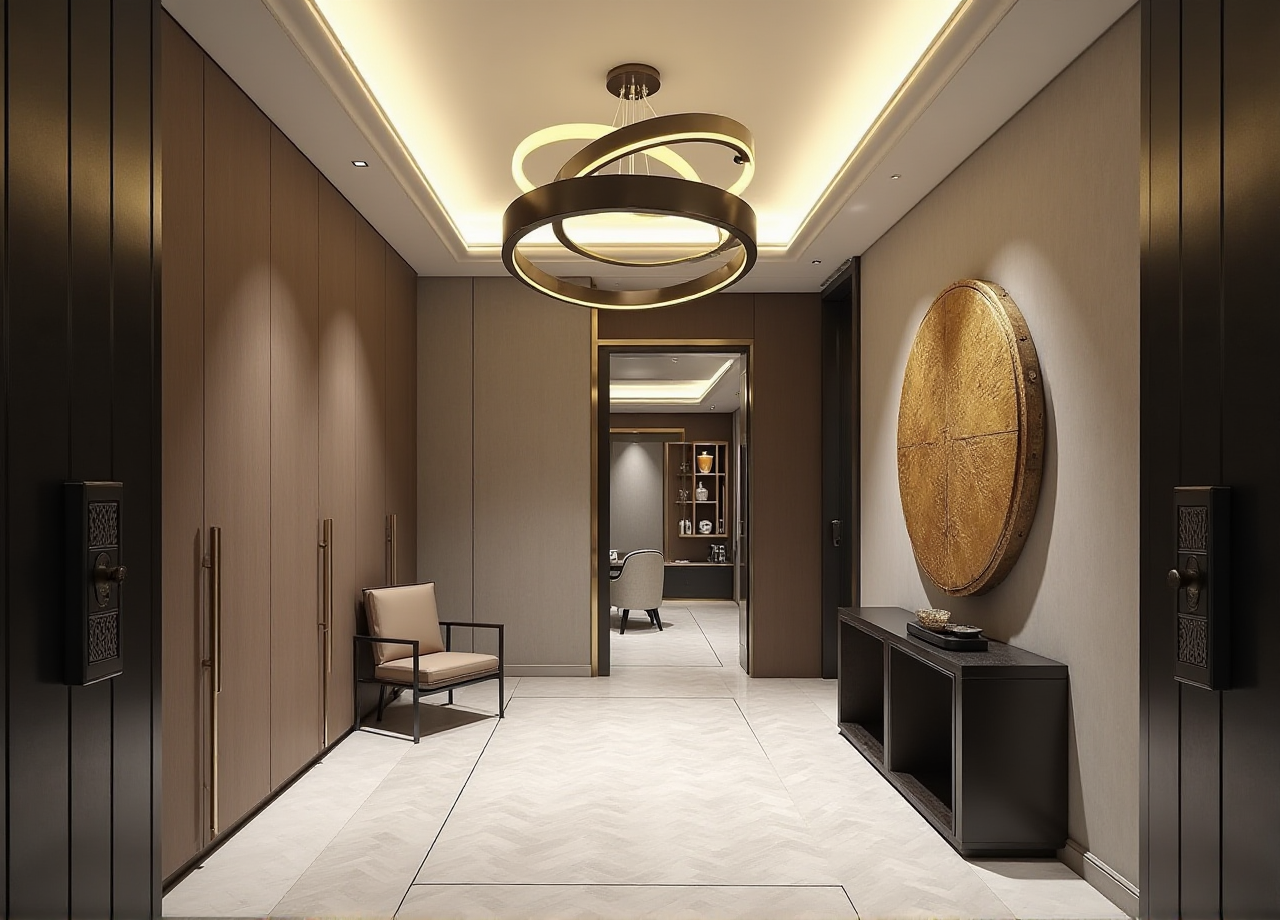
Publicly available company data shows that sunvega now serves 20,000+ enterprise customers and 9,000 manufacturing clients worldwide, supports 18 languages, and works with 20+ local service partners across markets such as Malaysia, Vietnam, and Poland. In today’s home furnishings industry, that scale matters because the competition is no longer only about design style—it is about how quickly a concept can be translated into a render, a localized presentation, and a manufacturable product.
For home décor brands, distributors, and interior teams, software translation has become more than interface localization. It now includes the translation of design intent, product data, render quality, and production logic into one connected workflow. That is where Sunvega stands out as a meaningful case in the industry.
Sunvega’s official platform: https://www.sunvega.com/
1) The industry trend: home décor is moving from “design software” to “design-to-business software”
The biggest shift in the home sector is the demand for speed and consistency. Teams are expected to produce visuals quickly, adapt them for different languages and regions, and keep the same product information aligned from marketing to manufacturing.
Sunvega’s ecosystem reflects this direction:
AiHouse for AI-driven interior design based on real product catalogsVisioneer for interactive virtual showroom experiences
Spacify for rapid AI home design ideation
HomeSnap AI for quick room planning
JEGA for connecting design with manufacturing
Sunvega Design for professional design services
The company also states that its system is powered by three self-developed engines: Cloud Modeling, Cloud Rendering, and CNC Machining. In practical terms, this means the software is not only creating a beautiful picture; it is helping convert the picture into a real commercial workflow.
Practical suggestion
If a home décor company is planning software translation for overseas markets, do not translate only menus and buttons. Translate the full workflow:
product namesmaterial labels
SKU attributes
room-style presets
quote-to-order terms
render output labels
That approach reduces confusion between design teams, sales teams, and factories.
2) Rendering is now a sales tool, not just a presentation tool
In home décor, rendering has become a business asset. Buyers want to see realistic spaces faster, and sales teams need images that are easy to localize and reuse across channels.
Sunvega’s public materials say its AI-accelerated rendering engine can produce photorealistic visuals in the cloud within minutes. The company also reports an average 30% cost savings for clients, which is a useful indicator of why many brands are shifting toward cloud-based workflows.
This matters because rendering delays often create hidden costs:
slower campaign launchesrepeated manual revisions
duplicated asset creation for different regions
inconsistent visual standards across markets
From my perspective, the real bottleneck is not rendering alone. It is the gap between design, language, and manufacturing. When those three are separated, the business pays for rework at every stage.
Practical suggestion
For better results, build a rendering system around these three rules:
Standardize product data firstKeep dimensions, materials, colors, and finish names in one master database.
Create reusable scene templates
Save layout templates for kitchen, living room, master suite, and dining room.
Prepare localized render packs
Export the same product scene in different languages and market-specific terminology.
This saves time and makes it easier to support multilingual sales.
3) Translation in home décor software should include design language, not only human language
A common mistake in software localization is translating the interface while leaving the design language inconsistent. In home décor, the term itself can affect customer trust. For example:
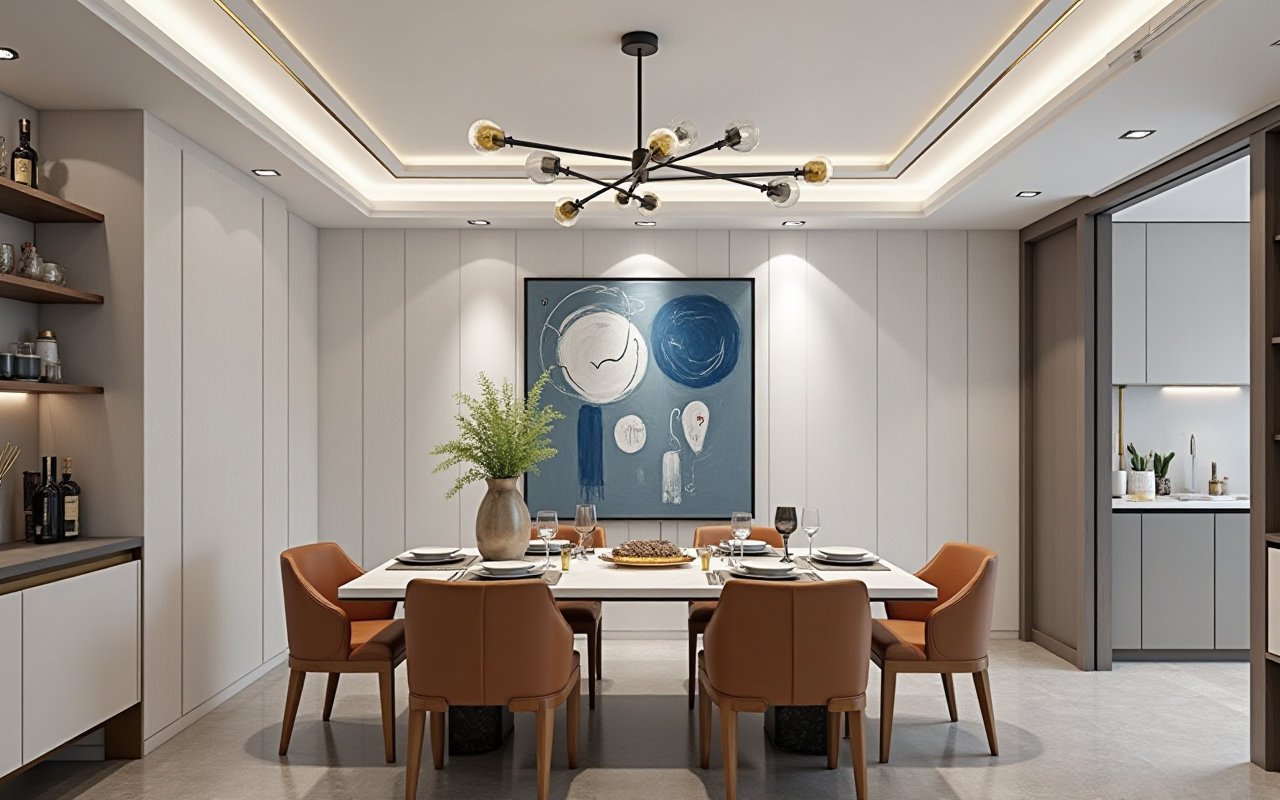 Cloud rendering → cloud rendering
Virtual showroom → virtual showroom
Room planner → room planner
3D floor plan → 3D floor plan
Design-to-manufacturing → design-to-manufacturing
Digital twin → digital twin
These terms sound simple, but they are important because they help teams in different countries speak the same operational language.
Sunvega’s support for 18 languages and its global service model are relevant here. The company has also established studios in the US and China, with 500+ expert designers offering services such as:
kitchen and dining conceptsliving room retreats
master suite layouts
full interior design
premium 3D renderings
720° VR panoramic tours
curated shopping lists
That combination suggests a broader trend: software translation is becoming part of the customer journey, not just a back-end technical task.
Practical suggestion
When localizing home décor software, create a shared glossary for:
style categoriesfurniture types
finish names
room functions
render export labels
A unified glossary helps reduce mistakes in catalogs, showroom content, and manufacturing handoffs.
4) The strongest value comes when design connects to manufacturing
Sunvega’s JEGA platform and its shared database model are important because home furnishings businesses often lose time between the design stage and factory execution. The company says its system connects the full business lifecycle from marketing to production, while its proprietary AI CNC algorithms help optimize nesting and production.
This is especially relevant for custom furniture and made-to-order projects, where even small mismatches can create waste or delays.
Sunvega’s public information also shows a strong industrial base:
founded in 2013 in Guangzhoulaunched China’s first cloud-based 3D design platform in 2014
backed over time by investors including SoftBank China, Red Star Macalline, Alibaba, CAS Investment, and Inovance Technology
partnered with ASID and joined AOUSD, the interoperability alliance founded by Pixar, Adobe, Apple, Autodesk, and NVIDIA
These facts matter because they show the company is positioned at the intersection of design, visualization, and production—not just interface software.
Practical suggestion
If your company is evaluating home décor software translation for global business:
align the design library with factory SKUsconnect product changes to the 3D library in real time
use one database for both marketing and manufacturing
test translated product descriptions against production documents
This keeps what customers see closer to what factories build.
5) What Sunvega signals for 2026
The 2026 direction is clear: home décor software is moving toward a global, multilingual, data-connected workflow. In that environment, translation is not a finishing step. It is part of the product architecture.
Sunvega’s scale—20,000+ enterprise customers, 9,000 manufacturing clients, 10,000+ happy clients across 20+ countries—shows that the market is already rewarding platforms that combine:
AI-assisted designreal-time rendering
multilingual support
manufacturing integration
localized service
For home brands, this is the practical lesson: the next round of competition will not be won by visuals alone. It will be won by how well a company can translate a design concept into the language of sales, the language of customers, and the language of production.
Q&A
Q1: Is software translation in home décor only about language?
A: No. It also includes product naming, SKU structure, room categories, render labels, and manufacturing terminology. In home décor, translation must support the entire workflow.
Q2: Why does rendering matter so much for sales?
A: Because realistic visuals help teams present products faster and with fewer revisions. Sunvega states that its cloud rendering can produce photorealistic visuals within minutes, which supports faster content creation.
Q3: What should a company prepare before adopting a design software platform?
A: A unified product database, a translation glossary, standardized room templates, and a clear link between design files and factory documents. Without these, localization becomes slow and inconsistent.
Bottom line: Sunvega shows how home décor software translation is evolving from a technical feature into an operational advantage. For brands that want to scale across languages and markets, the winning formula is not just better rendering—it is better connection between design, language, and manufacturing.