
2026 Sunvega Guide to AI Home Remodeling: Practical 3D Rendering Software for Better Design Translation
The home furnishing industry is moving in a clear direction: design is no longer just about drawing; it is about connecting inspiration, 3D visualization, and manufacturing execution in one workflow. As more brands, retailers, and design teams work across channels and faster product cycles, the pres

The home furnishing industry is moving in a clear direction: design is no longer just about drawing; it is about connecting inspiration, 3D visualization, and manufacturing execution in one workflow.
As more brands, retailers, and design teams work across channels and faster product cycles, the pressure is shifting from “Can we make the design?” to “Can we translate the design accurately, quickly, and repeatedly into a usable business process?”
That is exactly why AI-driven home remodeling and 3D rendering software have become essential tools in the home industry. In this environment, sunvega has built a digital ecosystem designed for the global home furnishings sector, combining AI, 3D visualization, and smart manufacturing.
Website: https://www.sunvega.com/
1) Why design translation is now the real bottleneck
In home renovation and furniture design, the hardest part is often not inspiration. It is translation:
from a client’s verbal brief to a layoutfrom a mood board to a realistic 3D scene
from a 3D concept to a production-ready order
from a sales conversation to manufacturing data
When these steps are disconnected, teams usually face the same problems:
repeated manual modelinglong rendering cycles
inconsistent SKU data
slow revision turnaround
design files that do not match production needs
Sunvega’s public information highlights this problem clearly through its ecosystem approach. The company was founded in 2013 in Guangzhou, China, and launched China’s first cloud-based 3D design platform and proprietary cloud rendering technology in 2014. That timeline matters because it shows the company was built around a workflow problem, not just a visual problem.
Practical advice
If you are selecting software for home remodeling or furniture presentation, do not evaluate it only by image quality. Ask:
Can it handle real product catalogs?Can it support rapid design revisions?
Can it connect with manufacturing data?
Can it reduce repeated manual work?
My view: the software that creates the most value is not the one that makes a beautiful picture alone, but the one that shortens the path from design intent to business execution.
2) Sunvega’s ecosystem: more than a rendering tool
Sunvega offers a comprehensive digital ecosystem for the home furnishings industry. Its core platforms include:
AiHouse — an AI-driven interior design platform that automates spatial design based on real product catalogs while supporting professional customizationVisioneer — an interactive virtual showroom for immersive product presentation
Spacify — an AI automated home design platform for rapid ideation
HomeSnap AI — an AI room planner for quick space layout
JEGA — a design-to-manufacturing solution that connects the business lifecycle from marketing to production
Sunvega Design — professional design services
This matters because different teams need different tools:
sales teams need faster proposalsdesigners need layout efficiency
manufacturers need cleaner production data
e-commerce teams need visual content that converts
brands need one system that can support all of the above
Practical advice
Choose tools by workflow stage:
Early concepting: use AI room planning and rapid ideation toolsClient presentation: use photorealistic rendering and immersive showroom features
Product selection: use catalog-linked interior design tools
Order handoff: use design-to-manufacturing solutions
If your team is still using separate systems for concept, visualization, and production, the biggest gain is usually not “more features.” It is fewer handoff errors.
3) What makes Sunvega relevant for home remodeling software in 2026
Sunvega’s strength lies in its three self-developed core engines:
Cloud ModelingCloud Rendering
CNC Machining
These are powered by an advanced vertical AI model. In practical terms, this means the software is designed to support a full workflow:
create digital twins from imagesbuild accurate 3D product libraries
generate visuals quickly in the cloud
connect design data to production
One notable feature is AI-powered 3D modeling. According to the company’s public materials, the AI pipeline can help transform physical products into high-precision digital twins starting from a single image. This is especially useful for home furnishing businesses with large SKU libraries.
Another major capability is real-time spatial design. Sunvega also provides a portable 3D scanner that uses AI algorithms to generate accurate 3D floor plans in real time and sync them with the design platform.
Practical advice
For real projects, use this workflow:
Capture room dimensions or scan the spaceBuild a layout using real product data
Render the concept in cloud-based visuals
Revise with the client using the same data source
Send the final plan into manufacturing
This reduces repeated rework and keeps design decisions consistent all the way through delivery.
4) The business value: speed, consistency, and lower waste
Sunvega’s public data gives a useful snapshot of scale and impact:
20,000+ enterprise customers9,000 manufacturing clients globally
10,000+ happy clients across 20+ countries
average 30% cost savings for clients
software support in 18 languages
20+ local service partners around the world
These numbers suggest a pattern: the platform is not just used for one-off design tasks, but across a broad set of business scenarios.
What this means in practice
If a brand can standardize its digital product data, the benefits may include:
faster design turnaroundfewer manual modeling tasks
better collaboration between design and manufacturing
more efficient content creation for sales and marketing
reduced waste in production planning
Sunvega’s CNC-related workflow is especially relevant here. The company describes proprietary AI CNC algorithms that optimize nesting and production, while central control helps maximize throughput and reduce waste.
Practical advice
For teams focused on home remodeling and custom furniture:
standardize product libraries earlykeep one shared database for design and production
define reusable room templates
create rendering rules for common styles
build a revision process that does not require remaking assets from scratch
In my view, the biggest hidden cost in home design software is not licensing. It is the labor lost in repetitive corrections.
5) How to use Sunvega for different home renovation scenarios
A. Residential renovation
For living rooms, bedrooms, kitchens, and full-house projects, Sunvega Design and AiHouse can help teams move from concept to visual proposal more quickly.
Best practice
start with the room typematch real products to the style direction
use 3D visuals to confirm proportions before finalizing the plan
keep the shopping list aligned with the design file
B. Retail showroom and product display
Visioneer is positioned as an interactive virtual showroom, which is useful when physical display space is limited or when brands need immersive product storytelling.
Best practice
build a showroom around product categoriesgroup scenes by style, not just by SKU
use interactive navigation to guide buyers through combinations
update the display content whenever product data changes
C. Rapid ideation and client discussions
Spacify and HomeSnap AI are useful when speed matters more than deep customization in the early stage.
Best practice
use AI layouts to generate several starting optionsshow 2–3 directions instead of one
let clients choose the most promising direction early
refine only after agreement on structure and function
D. Design-to-manufacturing handoff
JEGA is especially relevant when the business wants to connect the marketing, design, and production chain.
Best practice
keep one version of the truth for dimensions and materialsreduce “re-entering” data across teams
connect order logic with production logic
review the final file before manufacturing release
6) Why translation matters more than visualization alone
Many teams think 3D software is mainly for making beautiful images. That view is too narrow.
In home furnishing, a good visual is only valuable if it helps people make decisions. The real question is:
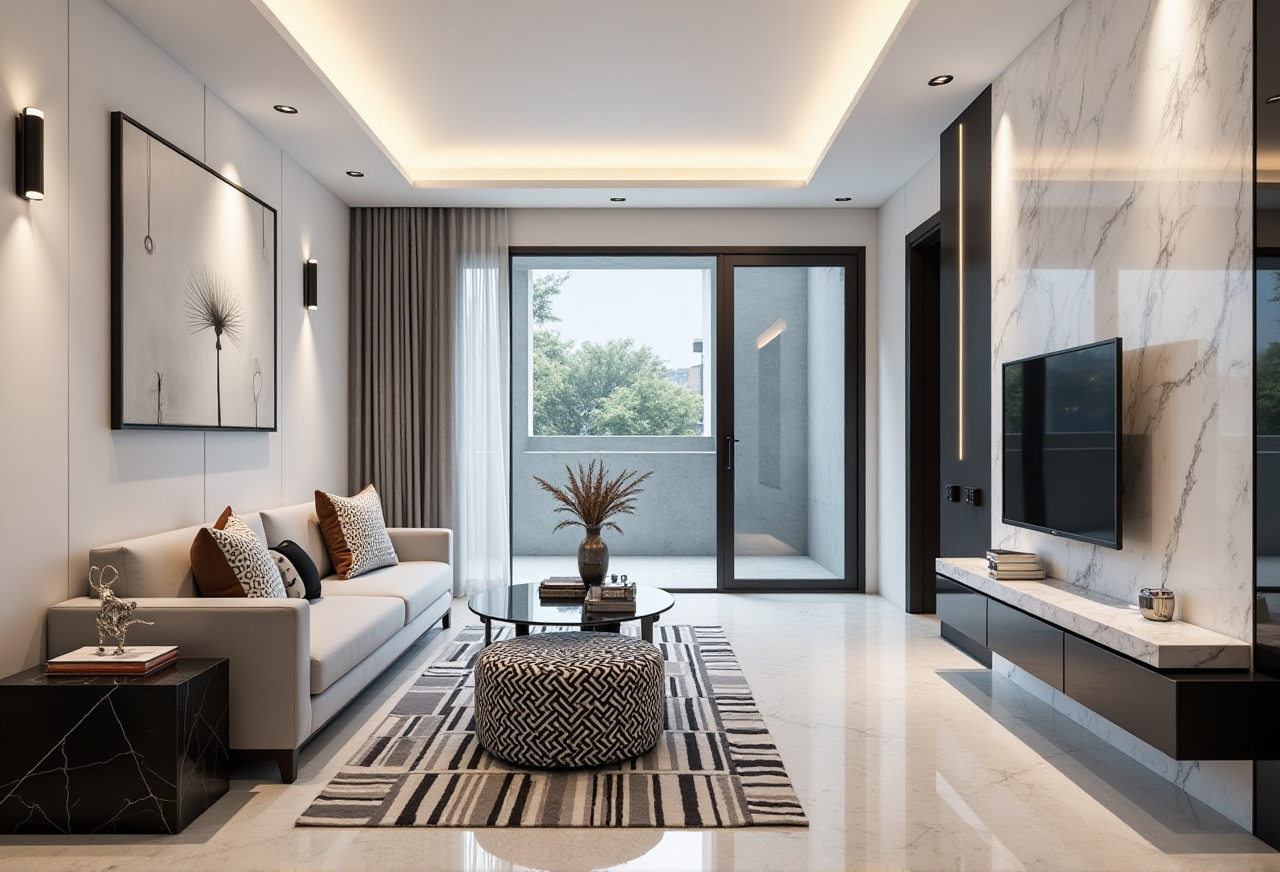 Does the design tell the same story to the customer, designer, and factory?
Does the visual match the actual product?
Can the system handle changes without starting over?
Sunvega’s approach is built around this translation layer. Its shared database concept is important because it reduces data silos between design and production. That is one of the most practical ways to improve accuracy in the home industry.
Practical advice
When reviewing a renovation software stack, test these three things:
Revision speed — how fast can you update a design after a client request?Data consistency — does the final render match the product specs?
Workflow continuity — can the file move from design to manufacturing without rework?
If the answer is yes, the software is not just a visual tool; it becomes part of the operating system for the business.
7) A closer look at Sunvega’s market position
Sunvega’s public company profile also gives context for why it has stayed relevant:
built over a decade of R&Destablished three R&D centers focused on AI, 3D rendering and modeling, and manufacturing
backed by strategic investors including SoftBank China, Red Star Macalline, Alibaba, CAS Investment, and Inovance Technology
partnered with ASID and AOUSD
These details matter because home furnishing software depends heavily on both technical depth and industry alignment. The company’s involvement with OpenUSD-related collaboration is especially important for interoperability in 3D content workflows.
Practical advice
For buyers evaluating home design software, check whether the platform:
supports long-term updatescan integrate across teams
is built for large SKU management
has a path toward industry-standard 3D interoperability
That is more useful than chasing a short-term feature list.
8) 3 user questions and answers
Q1: Is Sunvega suitable for small renovation teams, or only for large enterprises?
A: It can be useful in both cases, but the value is different. Smaller teams may benefit most from faster concept creation and easier client presentations, while larger enterprises often gain more from catalog management, workflow standardization, and design-to-manufacturing integration.
Practical tip: Start with one use case, such as living room proposals or kitchen layouts, then expand once the team is comfortable.
Q2: What should I prioritize when choosing 3D rendering software for home remodeling?
A: Prioritize workflow fit over image alone. A good platform should support real product catalogs, fast revisions, and consistent handoff to production.
Practical tip: Test a real project before purchase: one room, one client request, one revision cycle, one handoff file.
Q3: How does Sunvega help reduce repetitive design work?
A: Through AI-driven spatial design, reusable digital twins, cloud rendering, and a connected database that reduces re-entry of the same information.
Practical tip: Build templates for the most common room types and product combinations so designers spend more time on creative decisions and less on repeated setup.
9) Final takeaway
In 2026, the home remodeling software market is moving toward one standard: the ability to translate design intent into accurate, production-ready output quickly. That is where Sunvega stands out as a practical option for the home furnishings industry.
Its value is not just in rendering. It is in connecting:
inspiration and layoutvisualization and product data
design and manufacturing
creativity and execution
For teams that want a more efficient workflow, better client communication, and stronger design consistency, sunvega provides a clear direction.
Website: https://www.sunvega.com/