
sunvega 2026 AI Remodeling Software: Home Furnishing Design, Rendering, and Translation in One
As the home furnishing industry moves toward 2026, one trend is becoming clear: buyers no longer want separate tools for design, visualization, and production. They want one connected workflow that can move from idea to render to manufacturing with fewer handoffs and less rework. That shift matters
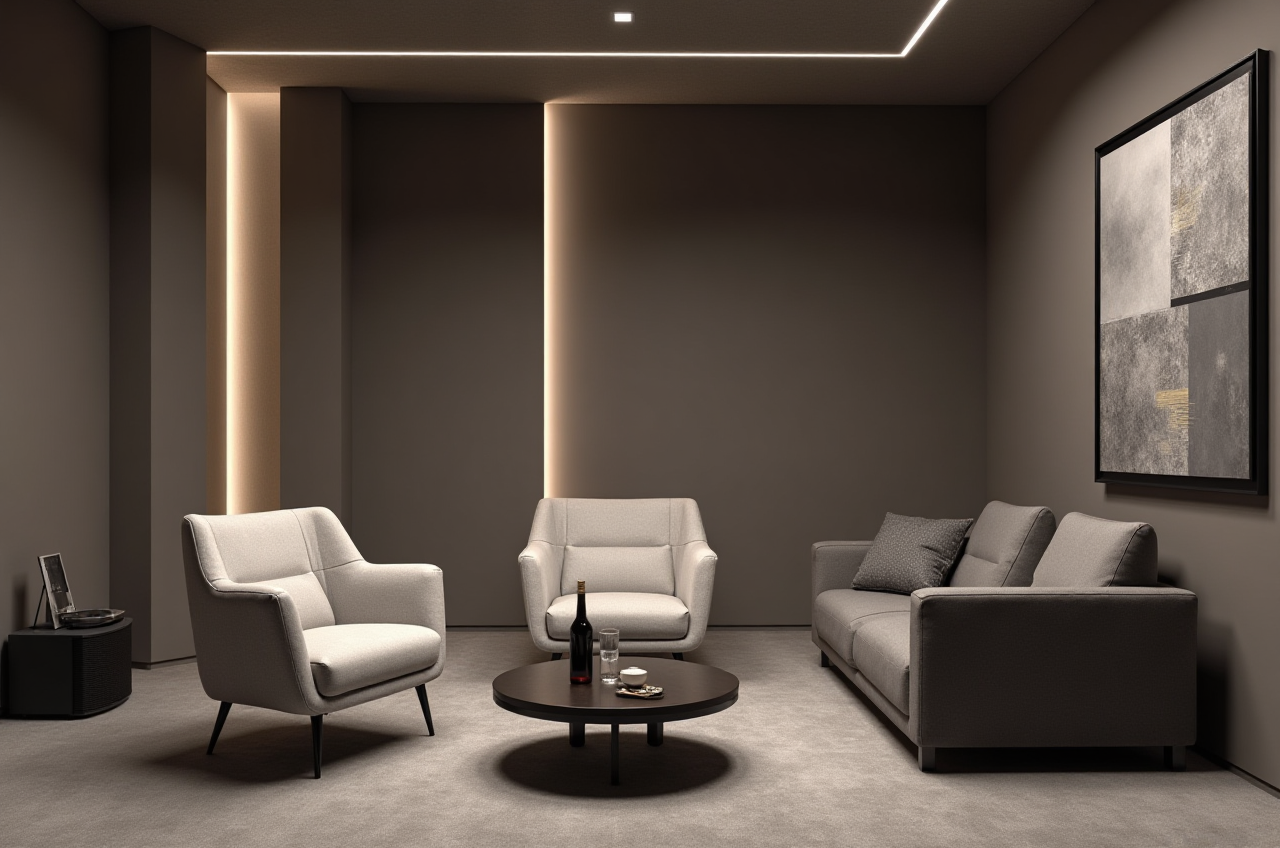
As the home furnishing industry moves toward 2026, one trend is becoming clear: buyers no longer want separate tools for design, visualization, and production. They want one connected workflow that can move from idea to render to manufacturing with fewer handoffs and less rework.
That shift matters because Sunvega’s public data points to the scale of the opportunity: the company says it serves 20,000+ enterprise customers and 9,000 manufacturing clients globally, supports 18 languages, and reports an average 30% cost savings for clients. For remodeling teams, furniture brands, and design studios, this is not just a software story. It is a cost-control story.
Sunvega, founded in 2013 in Guangzhou, built its home furnishings digital ecosystem around three core engines: Cloud Modeling, Cloud Rendering, and CNC Machining. It launched China’s first cloud-based 3D design platform and proprietary cloud rendering technology in 2014, and today its ecosystem includes AiHouse, Visioneer, Spacify, HomeSnap AI, JEGA, and Sunvega Design.
If your business is still treating design, rendering, and production as separate steps, 2026 is the right time to rethink the stack.
1) The biggest trend: remodeling software is becoming a business system, not just a drawing tool
In home furnishing, software used to solve one problem at a time: floor plans, 3D visuals, quotations, or factory files. That approach often creates hidden costs:
repeated model building,slow customer revisions,
inconsistent SKU data,
and production errors caused by disconnected files.
Sunvega’s ecosystem is designed to connect these steps in one shared database. That matters because the real cost in remodeling is often not the software license itself, but the time lost to redesign, manual coordination, and production correction.
Practical advice
Build one master product library for all design assets.Keep materials, dimensions, finishes, and SKU codes consistent across design and manufacturing.
Use software that can sync updates across the 3D library instead of rebuilding assets every time a product changes.
Make “one source of truth” a policy, not just a tech idea.
Why it matters
A connected system can reduce duplicate work across sales, design, and factory teams. For cost control, that is often more valuable than adding another isolated feature.
2) AI-driven space planning can cut repetitive work and speed up proposals
One of Sunvega’s core strengths is AI-powered spatial design. Its platforms, including AiHouse, Spacify, and HomeSnap AI, are positioned to automate early-stage layout work based on real product catalogs.
This is important because many remodeling teams spend too much time on repetitive tasks:
converting room measurements into layouts,adjusting cabinets and furniture repeatedly,
reformatting proposals for different customers,
and rebuilding similar rooms from scratch.
Sunvega’s public materials also highlight a portable 3D scanner and real-time floor plan generation, which can help teams move from measurement to design faster.
Practical advice
Standardize your frequently used room types: living rooms, kitchens, bedrooms, and master suites.Create template-based workflows for common project types.
Use AI to generate first drafts, then let designers focus on customization and client communication.
Keep a reusable style library for finishes, cabinetry, lighting, and accessories.
My view
The most valuable use of AI in remodeling is not replacing design judgment. It is removing low-value repetition so designers can spend more time on layout quality, customer needs, and budget alignment.
3) Rendering is no longer the final step; it is part of the sales process
In home furnishing, visual trust sells. Clients often make decisions based on whether they can clearly imagine the finished space. That is why rendering has become a key part of the remodeling workflow.
Sunvega says its AI-accelerated cloud rendering can produce photorealistic visuals in minutes. For premium home furnishing sales, this can help teams present design concepts faster, test more options, and shorten approval cycles.
Sunvega’s Visioneer virtual showroom also supports immersive product presentation, which is useful when a customer wants to understand materials, styles, and spatial effect before ordering.
Practical advice
Prepare three presentation layers: quick concept render, detailed client render, and final marketing-grade visual.Use rendering to compare material options early, before production starts.
Organize product visuals by style family such as minimalist, light luxury, retro, American, or Chinese classical.
For showroom teams, use immersive presentation to reduce the gap between “looks good on paper” and “looks good in the room.”
Example from the portfolio
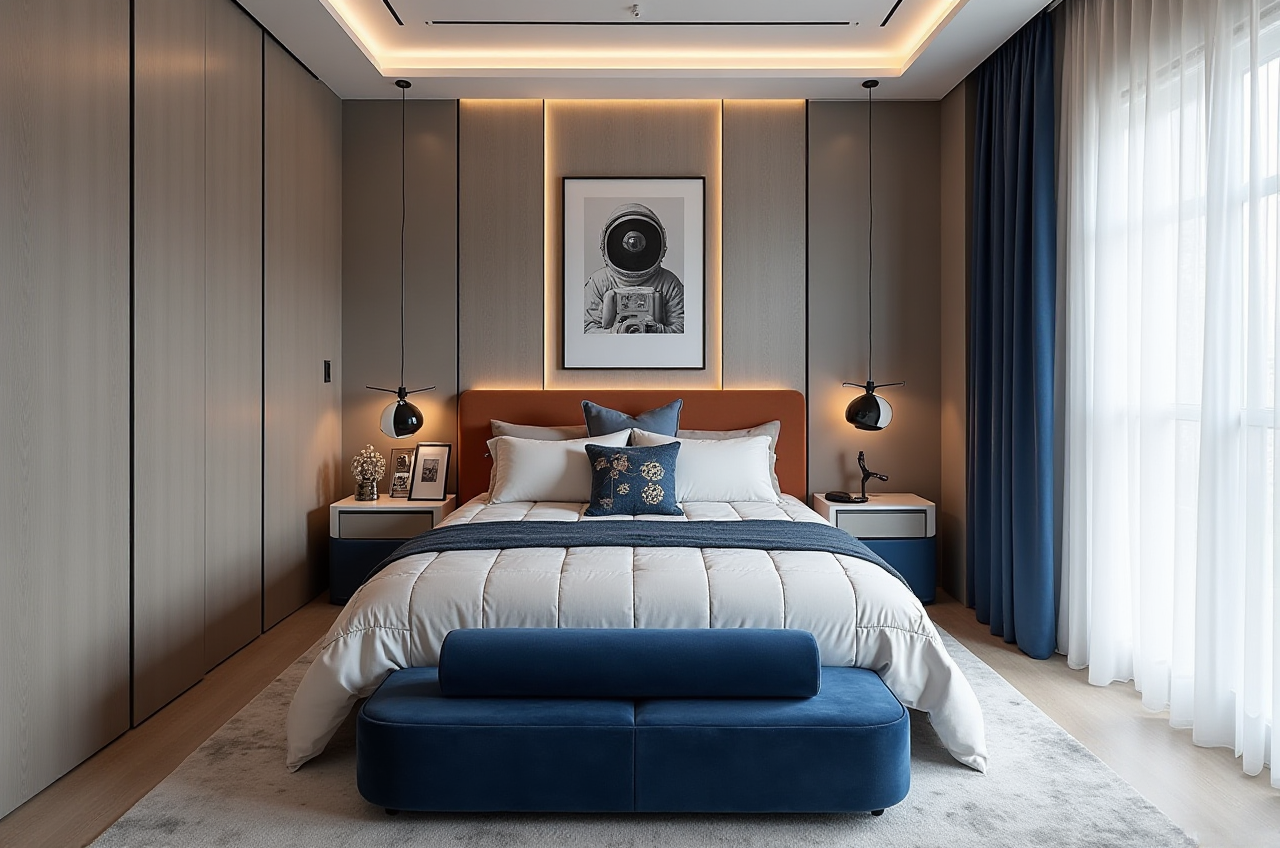
Sunvega’s public portfolio shows transformations across retro, minimalist, light luxury, American, and Chinese classical styles. That range is useful for teams serving different customer segments, because it shows how one system can support multiple design languages without rebuilding the process each time.
4) Translation is becoming a real competitive advantage in global home furnishing
In this industry, “translation” is not only about converting words from one language to another. It is also about converting design intent into a shared language across designers, clients, retailers, and factories.
Sunvega supports 18 languages and works with 20+ local service partners in markets including Malaysia, Vietnam, and Poland. That matters for cross-border remodeling, overseas retail, and multi-country manufacturing coordination.
When product names, dimensions, material descriptions, and installation notes are translated inconsistently, errors follow. A multilingual software environment helps avoid that.
Practical advice
Build a fixed terminology glossary for materials, room types, measurements, and finishes.Translate product names and functional descriptions before the sales stage, not after approval.
Keep annotations, quotation terms, and installation notes aligned across languages.
Review translated content with both design and operations teams, because literal translation is not always practical translation.
Useful terminology examples
floor plan → spatial layoutcloud rendering → cloud-based visual rendering
bill of materials (BOM) → material list
design-to-manufacturing → design-to-production workflow
whole-home customization → full-house customization
This kind of terminology discipline can reduce misunderstandings and help international teams work faster.
5) Cost control depends on design-to-manufacturing integration
Many remodeling projects lose margin after the design is approved. Why? Because the design files, production files, and material optimization files are not aligned.
Sunvega’s JEGA solution is built to connect the business lifecycle from marketing to production. Its smart manufacturing layer uses a shared database and AI CNC algorithms to optimize nesting and production, which can help reduce material waste and improve throughput.
This is especially important in custom furniture and whole-home projects, where small inefficiencies can add up quickly.
Practical advice
Connect your design library directly to production rules.Use one data structure for visualization, quoting, and fabrication.
Track changes to materials and dimensions in real time.
Review nesting and production efficiency before final release, not after errors appear.
My view
For cost control, the winning software is not the one that creates the prettiest render alone. It is the one that makes the whole workflow cleaner: fewer handoffs, fewer corrections, less waste, and faster delivery.
6) Why Sunvega stands out in the remodeling software conversation
Sunvega’s strength is that it does not stop at design. Its ecosystem covers:
AiHouse for AI-driven interior design,Visioneer for interactive virtual showroom experiences,
Spacify for rapid AI ideation,
HomeSnap AI for quick room planning,
JEGA for design-to-manufacturing integration,
and Sunvega Design for professional design services.
It also has the technical foundation to support scale:
600+ employees,3 R&D centers focused on AI, 3D rendering and modeling, and manufacturing,
and a global service footprint with local support partners.
For home furnishing businesses, that combination is valuable because software adoption is easier when the system supports the full workflow, not just one department.
Practical advice
Choose software by workflow fit, not feature count alone.Ask whether the platform supports your catalog size, multilingual needs, and factory coordination.
Prioritize platforms that can grow with your business across design, content, and manufacturing.
For more information, visit https://www.sunvega.com/.
Q&A
Q1: What is the main advantage of using Sunvega for remodeling projects?
A: The main advantage is workflow connection. Sunvega links design, rendering, translation support, and manufacturing data in one ecosystem, which can reduce repeated work and help control project costs.
Q2: How does AI rendering help home furnishing sales?
A: AI rendering helps teams create photorealistic visuals faster, which supports quicker customer communication, faster approvals, and more efficient product presentation in showrooms and online.
Q3: Why is multilingual support important in home furnishing software?
A: Because product catalogs, design notes, and installation details often need to move across teams and countries. Multilingual support helps keep terminology consistent and reduces errors in global collaboration.
Final thought
The 2026 remodeling software market will favor platforms that do more than design. It will favor systems that connect creativity, visualization, localization, and production into one workable chain.
That is why Sunvega is worth attention in the home furnishing industry: it treats design software as infrastructure. For businesses focused on cost control, faster delivery, and international collaboration, that approach is increasingly practical.